What an NAD+ Supplement Can and Cannot Do
An NAD+ supplement usually provides a nutrient your body can convert into NAD+, a coenzyme needed to turn food into cellular energy and support processes such as DNA repair. The most common options are nicotinamide riboside (NR), nicotinamide mononucleotide (NMN), and niacin.
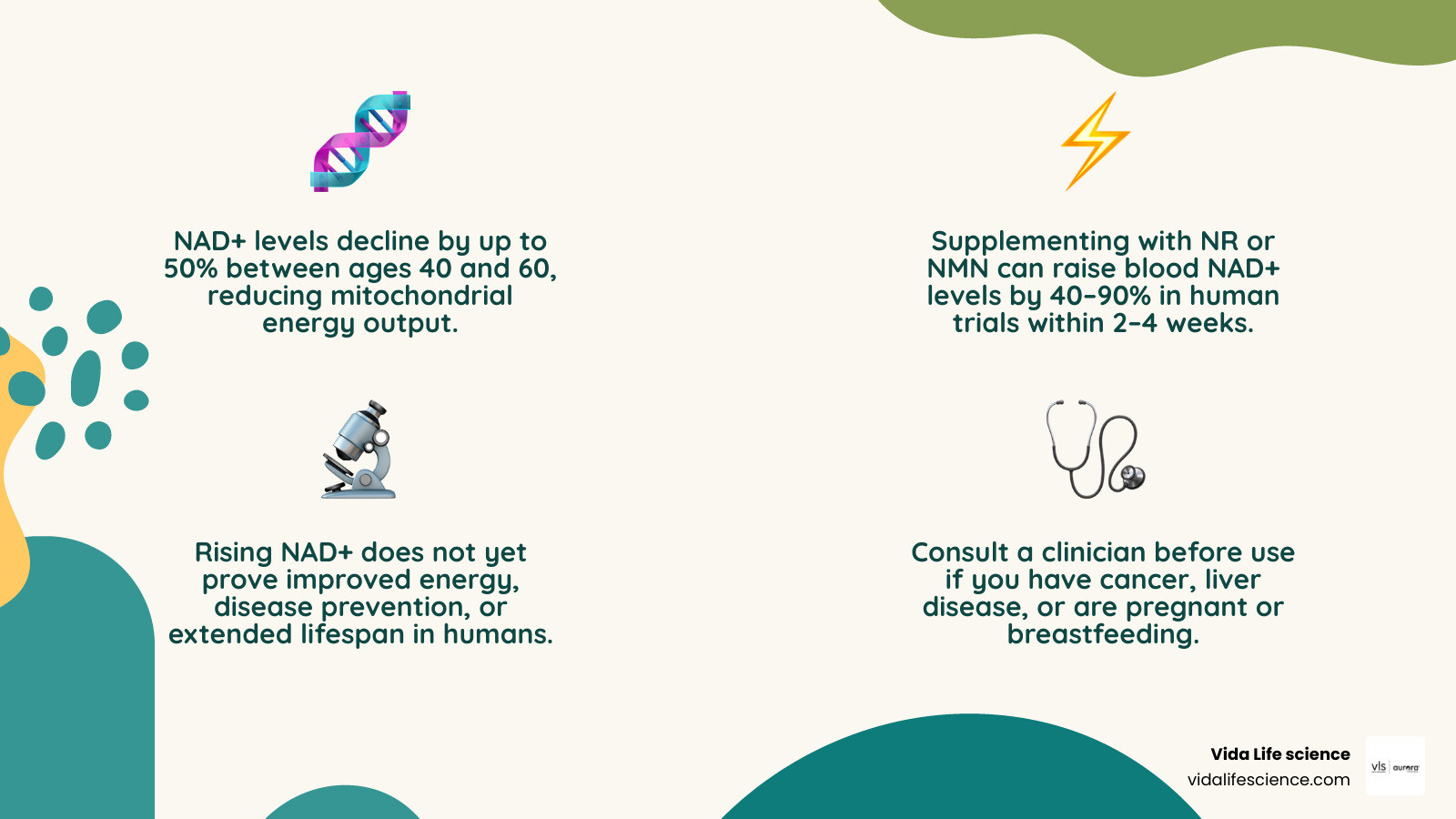
Human studies show that NR and NMN can raise NAD+ and related metabolites in blood and some tissues. But that does not yet prove they boost day-to-day energy, prevent disease, or extend human lifespan. If you are considering one, choose a clearly labeled, third-party-tested product, start conservatively, and speak with a clinician if you have cancer, liver disease, or are pregnant or breastfeeding.
NAD+ levels tend to fall with age. This decline may affect mitochondrial energy production and the enzymes involved in cellular maintenance. That makes NAD+ an exciting research target, but the strongest claims still run ahead of the human evidence.
Vida Life Science is a U.S.-based distributor focused on advanced nutritional supplements and phosphatidylcholine-based liposomal delivery technology. We bring that focus on absorption, transparent formulations, and evidence-informed use to this guide to choosing an NAD+ supplement.
Understanding Cellular Aging and Why You Need an NAD+ Supplement
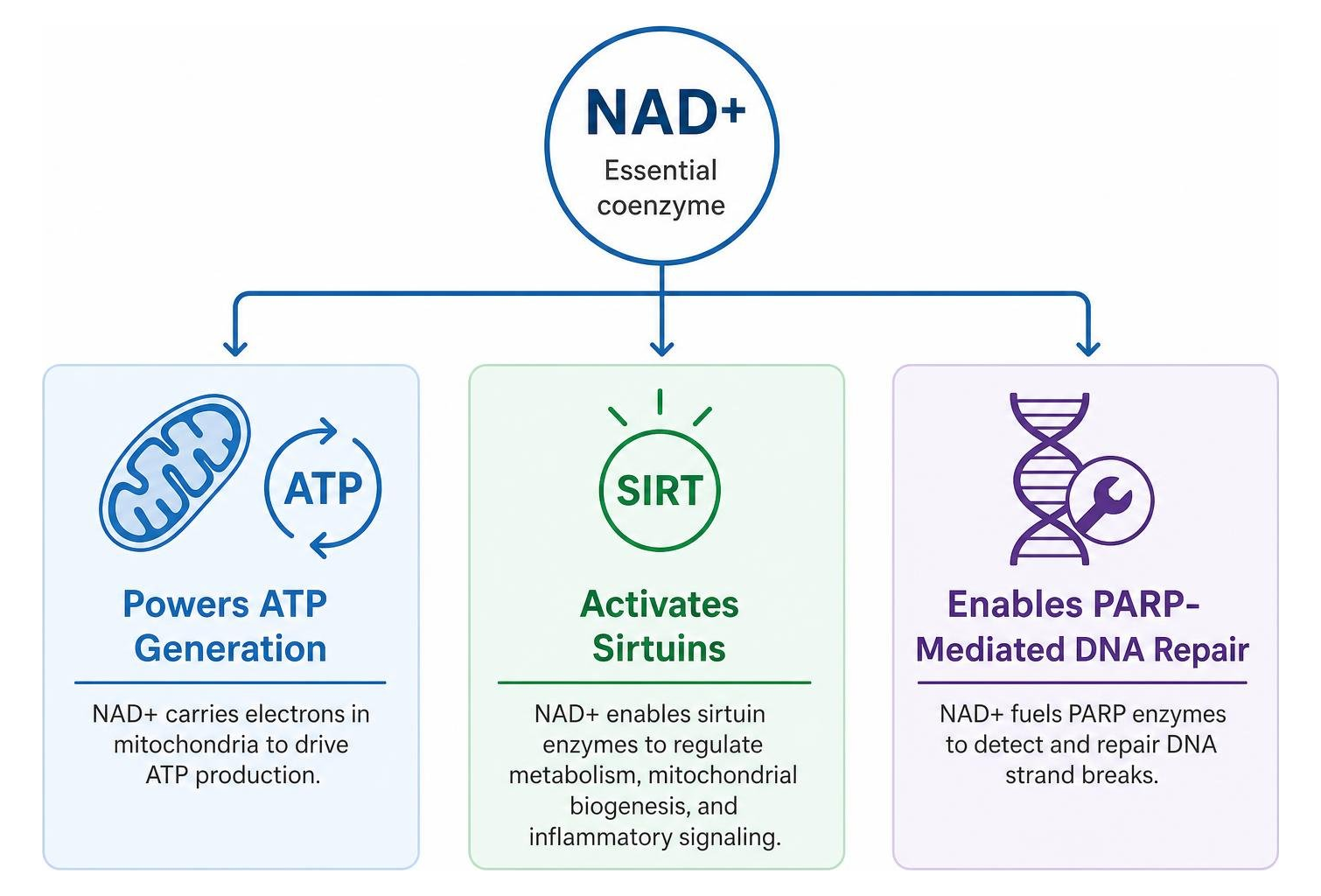
Nicotinamide adenine dinucleotide (NAD+) is an indispensable coenzyme found in every single living cell. At its core, NAD+ acts as a critical electron carrier in oxidation-reduction (redox) reactions, moving electrons back and forth to drive adenosine triphosphate (ATP) production in the mitochondria. Beyond powering the cell's metabolic engine, NAD+ serves as a vital co-substrate for specialized regulatory enzymes that maintain genomic stability and cellular resilience.
As we age, total cellular NAD+ levels undergo a progressive decline. Research indicates that by age 60, tissue NAD+ concentrations in certain muscle and organ systems can drop by 30% to 50% compared to younger years (Conlon, 2022). This depletion directly impacts two primary classes of protective enzymes:
-
Sirtuins (SIRT1–SIRT7): These NAD+-dependent deacetylases regulate metabolic pathways, mitochondrial biogenesis, and inflammatory signaling. Sirtuins require robust NAD+ pools to perform their cellular housekeeping functions. Pairing NAD+ precursors with targeted polyphenols, as explored in our NAD+ Resveratrol Ultimate Guide 2026, is frequently studied for synergistic sirtuin activation.
-
Poly(ADP-ribose) Polymerases (PARPs): Enzymes such as PARP-1 detect and repair DNA strand breaks caused by oxidative stress and environmental toxins. PARPs consume significant amounts of NAD+ to construct ADP-ribose polymers during the repair response.
When NAD+ availability dwindles, PARP activity and sirtuin function can become compromised, contributing to inefficient mitochondrial respiration, accumulated DNA damage, and accelerated age-related cellular wear. Restoring these intracellular pools through targeted nutrition and lifestyle strategies helps sustain the body's natural maintenance machinery.
Comparing Precursors: Nicotinamide Riboside, NMN, and Niacin
Intact NAD+ is a large, charged molecule that struggles to cross outer cell membranes efficiently when taken as a standard oral supplement. Consequently, researchers and formulators focus on smaller dietary precursors that cells readily uptake and synthesize into active NAD+ via the salvage pathway.
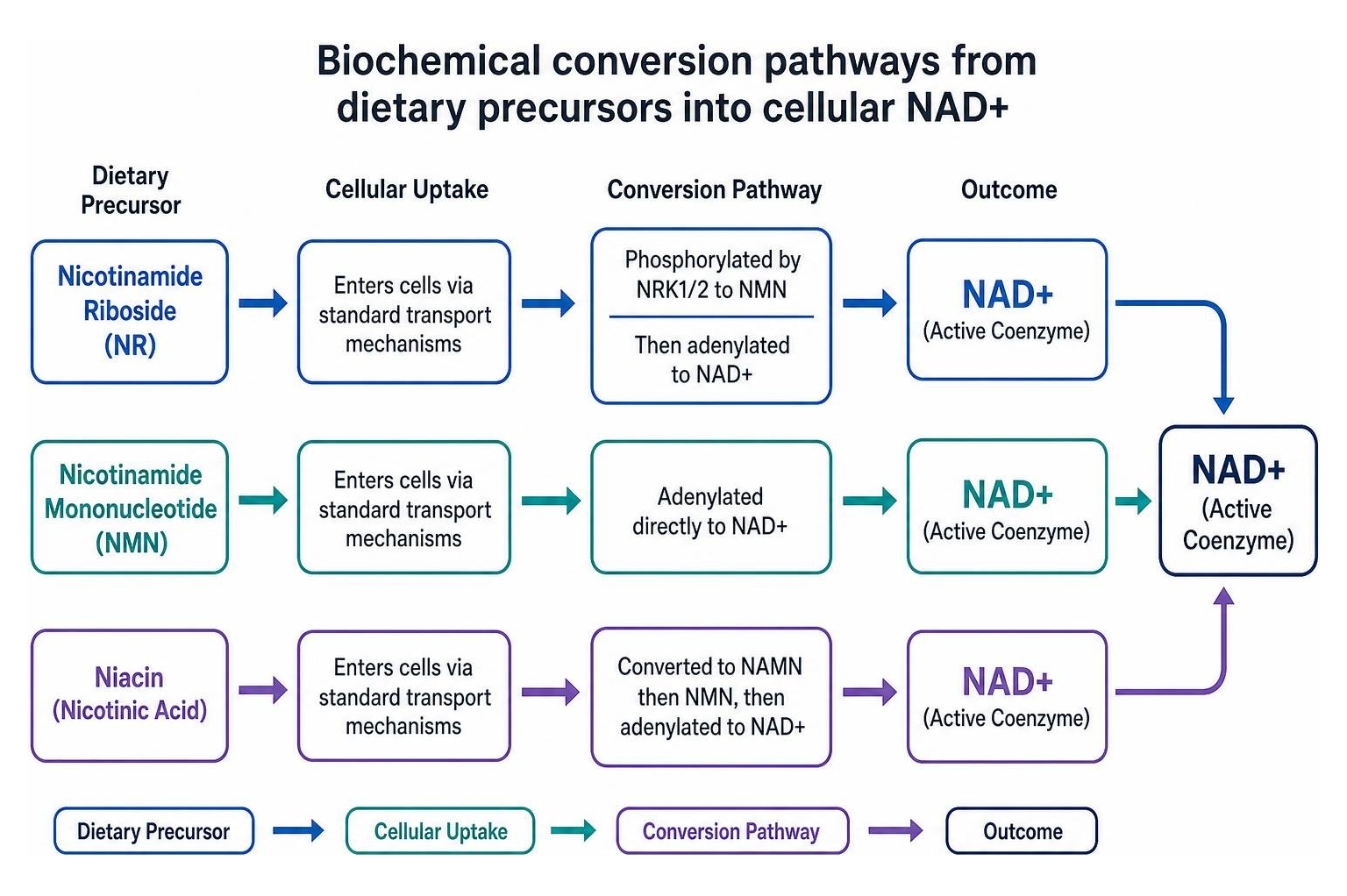
The three primary oral precursors vary widely in their biochemical paths, metabolic efficiency, and user tolerance:
| Precursor |
Primary Conversion Pathway |
Bioavailability & Absorption Profile |
Common Side Effects & Tolerability |
| Nicotinamide Riboside (NR) |
Phosphorylated by NRK1/2 to NMN, then adenylated to NAD+ |
High oral absorption; passes through standard digestive pathways into circulation |
Highly tolerable; mild, infrequent digestive upset or transient headache |
| Nicotinamide Mononucleotide (NMN) |
Direct conversion to NAD+ via NMNAT; utilizes specialized transporters (Slc12a8) |
High cellular uptake; rapidly converted into systemic NAD+ pools |
Excellent tolerability profile in human trials up to 1,000 mg daily |
| Niacin (Nicotinic Acid / NA) |
Utilizes the multi-step Preiss-Handler pathway |
Readily absorbed, but high clearance and metabolic bottlenecks |
Moderate to severe cutaneous flushing (vasodilation), itching, and potential hepatic strain at high doses |
While basic forms of standard oral precursors can degrade in the gastrointestinal tract or face limited cellular uptake, advanced formulations leverage protective delivery mechanisms to enhance systemic utilization.
Evaluating the Longevity and Energy Claims of an NAD+ Supplement
Over the last few years, clinical trials have begun evaluating the functional effects of raising NAD+ in humans (Freeberg et al., 2023). A comprehensive clinical review on Dietary Supplementation With NAD+-Boosting Compounds in Humans demonstrates that precursors reliably increase NAD+ metabolites across diverse human cohorts.
Human trials have identified several measurable physiological signals:
-
Vascular Function and Arterial Stiffness: Oral NR administration has demonstrated the ability to lower systemic blood pressure and improve carotid-femoral pulse wave velocity in healthy midlife and older adults.
-
Metabolic Sensitivity: Controlled trials evaluating NMN in postmenopausal women with prediabetes demonstrated improvements in skeletal muscle insulin sensitivity, signaling enhanced cellular glucose disposal.
-
Physical Performance and Endurance: Trials in older cohorts have observed improvements in walking speed and lower-extremity functional performance.
While cellular energy production is intricately linked with NAD+ coenzyme status, cellular vigor is multi-factorial. Many longevity researchers examine complementary bioenergetic molecules, such as explored in our review of Liposomal Creatine Cellular Energy, to support ATP regeneration across different energetic pathways.
Key Research Limitations and Human Trial Gaps
Despite promising findings, considerable gaps exist between animal model longevity extensions and verified human clinical outcomes. Key limitations include:
-
Cohort Sizes and Study Length: Most published human clinical trials involve small cohorts (typically 12 to 80 participants) observed over brief periods ranging from 2 to 24 weeks.
-
Surrogate Biomarkers vs. Functional Endpoints: Demonstrating an increase in circulating whole-blood NAD+ levels does not automatically translate into improved physical vitality, organ preservation, or extended lifespan.
-
Variable Tissue Distribution: Blood and peripheral mononuclear cell NAD+ levels do not always mirror concentrations in skeletal muscle, cardiac tissue, or the brain.
-
Dosing Heterogeneity: Studies utilize widely differing dosages (from 100 mg to 2,000 mg daily), making standardized clinical recommendations difficult to establish.
Safety Profile, Side Effects, and Contraindications
At standard studied dosages (typically 250 mg to 1,000 mg daily for NR and NMN), NAD+ precursors demonstrate an encouraging safety and tolerability profile in human clinical evaluations.
Mild, transient adverse events reported in clinical literature include:
- Mild gastrointestinal disturbances (nausea, loose stools, abdominal discomfort)
- Transient headaches or lightheadedness
- Occasional muscle cramps or skin irritation
By contrast, high-dose nicotinic acid (niacin) regularly provokes intense prostaglandin-mediated flushing, tingling, and cutaneous heat, with excessive intake presenting risks of liver toxicity. Regulatory bodies provide baseline quality frameworks for natural compounds; for instance, regulatory entries such as Health Canada natural health product licensing detail ingredient standards and usage guidelines within North America.
High-Risk Groups and Oncological Considerations
Because NAD+ is foundational to cellular proliferation and repair, specific populations should exercise caution or avoid supplementation altogether:
-
Active Malignancies: Cancer cells possess altered metabolic requirements and consume substantial amounts of NAD+ to fuel accelerated glycolysis, DNA repair, and rapid growth. While NAD+ precursors do not cause cancer, theoretical concerns remain that elevating NAD+ pools could inadvertently support the metabolic demands of existing tumors. Individuals undergoing oncology treatments or with active malignancies must consult their oncologist.
-
Hepatic Impairment: Because methyl groups are utilized during the clearance of nicotinamide metabolites by the liver, individuals with severe liver disease should avoid unmonitored high-dose precursors.
-
Pregnancy and Breastfeeding: Safety and optimal dosing parameters for supplemental NAD+ precursors during pregnancy and lactation have not been established.
Lifestyle Interventions and Supplement Selection Criteria
Supplemental precursors work most effectively when layered upon daily habits that naturally upregulate NAD+ biosynthesis and reduce unnecessary coenzyme depletion.

-
Targeted Physical Training: Both high-intensity interval training (HIIT) and sustained aerobic exercise stimulate nicotinamide phosphoribosyltransferase (NAMPT)—the rate-limiting enzyme in the NAD+ salvage pathway—prompting cells to recycle nicotinamide more efficiently.
-
Circadian and Caloric Modulation: Intermittent fasting and time-restricted feeding activate AMPK and sirtuin pathways, elevating intracellular NAD+/NADH ratios naturally.
-
Dietary Precursors: Consuming whole foods rich in natural NAD+ precursors—such as wild poultry, salmon, eggs, dairy, whole grains, and mushrooms—provides steady nutritional building blocks.
-
Cellular Antioxidant Defense: Mitigating excessive oxidative stress preserves NAD+ by preventing hyperactivation of PARP enzymes. Synergistic botanical and antioxidant support—such as detailed in our R-Alpha Lipoic Acid Dosage Guide 2026 and the application of Liposomal Quercetin Phytosome—helps minimize intracellular oxidative drain.
How to Choose a Safe and High-Quality NAD+ Supplement
The dietary supplement landscape varies significantly in manufacturing standards and testing transparency. When selecting a product, prioritize the following benchmarks:
-
Third-Party Testing and Verified COAs: Ensure the product undergoes independent, third-party laboratory verification for active ingredient potency, purity, and the absence of heavy metals, residual solvents, and microbial contaminants.
-
Transparent Dosing (No Proprietary Blends): Avoid products that obscure the exact milligram quantity of active precursors behind "proprietary longevity complexes."
-
Advanced Delivery Formulations: Standard oral water-soluble precursors can be subject to premature breakdown during digestion. Liposomal delivery systems encapsulate active precursors in a protective bilayer of non-GMO phosphatidylcholine, shielding compounds through the gastrointestinal environment and facilitating enhanced cellular uptake.
-
Clean Excipients: Select formulations free of artificial colorings, unnecessary fillers, and common allergens.
Frequently Asked Questions About NAD+
What is the most effective NAD+ precursor available?
Nicotinamide Mononucleotide (NMN) and Nicotinamide Riboside (NR) represent the two most validated, well-tolerated precursors in contemporary human trials. Both consistently raise whole-blood NAD+ concentrations. Liposomal delivery technologies further enhance the bioavailability of these fragile molecules by facilitating efficient transport through digestive barriers.
Can you boost NAD+ naturally without supplements?
Yes. Regular endurance training and resistance exercise naturally upregulate the key enzyme (NAMPT) responsible for recycling NAD+ inside cells. Combining regular exercise with time-restricted eating and a nutrient-dense diet rich in niacin-containing whole foods helps support baseline NAD+ production.
How long does it take to see results from NAD+ supplementation?
Clinical pharmacokinetic data demonstrate that blood levels of NAD+ and related metabolites begin elevating within hours of initial supplementation, with steady-state tissue levels typically establishing over 2 to 4 weeks of consistent daily usage. Functional benefits, such as metabolic support or physiological endurance, are generally assessed across 8- to 12-week clinical timelines.
Conclusion
Sustaining cellular NAD+ is central to supporting mitochondrial energy, continuous DNA repair, and fundamental longevity pathways as we grow older. While oral precursors such as NR and NMN show strong safety profiles and consistent ability to raise systemic NAD+ metabolites in clinical trials, supplementation is most effective when paired with regular exercise, restful sleep, and balanced nutrition.
At Vida Life Science, we remain dedicated to advancing cellular vitality through scientifically validated ingredients and superior liposomal nutrient delivery. To learn more about how cellular coenzymes drive everyday vitality, explore our deep dive on why you need NAD for optimal health.
References
Freeberg KA, Udovich CC, Martens CR, Seals DR, Craighead DH. "Dietary Supplementation With NAD+-Boosting Compounds in Humans: Current Knowledge and Future Directions.." The journals of gerontology. Series A, Biological sciences and medical sciences, 2023. PMCID PMC10692436. Conlon NJ. "The Role of NAD+ in Regenerative Medicine.." Plastic and reconstructive surgery, 2022. PMCID PMC9512238.


The Ultimate Guide to NAD+ Supplement Benefits and Usage
What an NAD+ Supplement Can and Cannot Do
An NAD+ supplement usually provides a nutrient your body can convert into NAD+, a coenzyme needed to turn food into cellular energy and support processes such as DNA repair. The most common options are nicotinamide riboside (NR), nicotinamide mononucleotide (NMN), and niacin.
Human studies show that NR and NMN can raise NAD+ and related metabolites in blood and some tissues. But that does not yet prove they boost day-to-day energy, prevent disease, or extend human lifespan. If you are considering one, choose a clearly labeled, third-party-tested product, start conservatively, and speak with a clinician if you have cancer, liver disease, or are pregnant or breastfeeding.
NAD+ levels tend to fall with age. This decline may affect mitochondrial energy production and the enzymes involved in cellular maintenance. That makes NAD+ an exciting research target, but the strongest claims still run ahead of the human evidence.
Vida Life Science is a U.S.-based distributor focused on advanced nutritional supplements and phosphatidylcholine-based liposomal delivery technology. We bring that focus on absorption, transparent formulations, and evidence-informed use to this guide to choosing an NAD+ supplement.
Understanding Cellular Aging and Why You Need an NAD+ Supplement
Nicotinamide adenine dinucleotide (NAD+) is an indispensable coenzyme found in every single living cell. At its core, NAD+ acts as a critical electron carrier in oxidation-reduction (redox) reactions, moving electrons back and forth to drive adenosine triphosphate (ATP) production in the mitochondria. Beyond powering the cell's metabolic engine, NAD+ serves as a vital co-substrate for specialized regulatory enzymes that maintain genomic stability and cellular resilience.
As we age, total cellular NAD+ levels undergo a progressive decline. Research indicates that by age 60, tissue NAD+ concentrations in certain muscle and organ systems can drop by 30% to 50% compared to younger years (Conlon, 2022). This depletion directly impacts two primary classes of protective enzymes:
When NAD+ availability dwindles, PARP activity and sirtuin function can become compromised, contributing to inefficient mitochondrial respiration, accumulated DNA damage, and accelerated age-related cellular wear. Restoring these intracellular pools through targeted nutrition and lifestyle strategies helps sustain the body's natural maintenance machinery.
Comparing Precursors: Nicotinamide Riboside, NMN, and Niacin
Intact NAD+ is a large, charged molecule that struggles to cross outer cell membranes efficiently when taken as a standard oral supplement. Consequently, researchers and formulators focus on smaller dietary precursors that cells readily uptake and synthesize into active NAD+ via the salvage pathway.
The three primary oral precursors vary widely in their biochemical paths, metabolic efficiency, and user tolerance:
While basic forms of standard oral precursors can degrade in the gastrointestinal tract or face limited cellular uptake, advanced formulations leverage protective delivery mechanisms to enhance systemic utilization.
Evaluating the Longevity and Energy Claims of an NAD+ Supplement
Over the last few years, clinical trials have begun evaluating the functional effects of raising NAD+ in humans (Freeberg et al., 2023). A comprehensive clinical review on Dietary Supplementation With NAD+-Boosting Compounds in Humans demonstrates that precursors reliably increase NAD+ metabolites across diverse human cohorts.
Human trials have identified several measurable physiological signals:
While cellular energy production is intricately linked with NAD+ coenzyme status, cellular vigor is multi-factorial. Many longevity researchers examine complementary bioenergetic molecules, such as explored in our review of Liposomal Creatine Cellular Energy, to support ATP regeneration across different energetic pathways.
Key Research Limitations and Human Trial Gaps
Despite promising findings, considerable gaps exist between animal model longevity extensions and verified human clinical outcomes. Key limitations include:
Safety Profile, Side Effects, and Contraindications
At standard studied dosages (typically 250 mg to 1,000 mg daily for NR and NMN), NAD+ precursors demonstrate an encouraging safety and tolerability profile in human clinical evaluations.
Mild, transient adverse events reported in clinical literature include:
By contrast, high-dose nicotinic acid (niacin) regularly provokes intense prostaglandin-mediated flushing, tingling, and cutaneous heat, with excessive intake presenting risks of liver toxicity. Regulatory bodies provide baseline quality frameworks for natural compounds; for instance, regulatory entries such as Health Canada natural health product licensing detail ingredient standards and usage guidelines within North America.
High-Risk Groups and Oncological Considerations
Because NAD+ is foundational to cellular proliferation and repair, specific populations should exercise caution or avoid supplementation altogether:
Lifestyle Interventions and Supplement Selection Criteria
Supplemental precursors work most effectively when layered upon daily habits that naturally upregulate NAD+ biosynthesis and reduce unnecessary coenzyme depletion.
How to Choose a Safe and High-Quality NAD+ Supplement
The dietary supplement landscape varies significantly in manufacturing standards and testing transparency. When selecting a product, prioritize the following benchmarks:
Frequently Asked Questions About NAD+
What is the most effective NAD+ precursor available?
Nicotinamide Mononucleotide (NMN) and Nicotinamide Riboside (NR) represent the two most validated, well-tolerated precursors in contemporary human trials. Both consistently raise whole-blood NAD+ concentrations. Liposomal delivery technologies further enhance the bioavailability of these fragile molecules by facilitating efficient transport through digestive barriers.
Can you boost NAD+ naturally without supplements?
Yes. Regular endurance training and resistance exercise naturally upregulate the key enzyme (NAMPT) responsible for recycling NAD+ inside cells. Combining regular exercise with time-restricted eating and a nutrient-dense diet rich in niacin-containing whole foods helps support baseline NAD+ production.
How long does it take to see results from NAD+ supplementation?
Clinical pharmacokinetic data demonstrate that blood levels of NAD+ and related metabolites begin elevating within hours of initial supplementation, with steady-state tissue levels typically establishing over 2 to 4 weeks of consistent daily usage. Functional benefits, such as metabolic support or physiological endurance, are generally assessed across 8- to 12-week clinical timelines.
Conclusion
Sustaining cellular NAD+ is central to supporting mitochondrial energy, continuous DNA repair, and fundamental longevity pathways as we grow older. While oral precursors such as NR and NMN show strong safety profiles and consistent ability to raise systemic NAD+ metabolites in clinical trials, supplementation is most effective when paired with regular exercise, restful sleep, and balanced nutrition.
At Vida Life Science, we remain dedicated to advancing cellular vitality through scientifically validated ingredients and superior liposomal nutrient delivery. To learn more about how cellular coenzymes drive everyday vitality, explore our deep dive on why you need NAD for optimal health.
References
Freeberg KA, Udovich CC, Martens CR, Seals DR, Craighead DH. "Dietary Supplementation With NAD+-Boosting Compounds in Humans: Current Knowledge and Future Directions.." The journals of gerontology. Series A, Biological sciences and medical sciences, 2023. PMCID PMC10692436. Conlon NJ. "The Role of NAD+ in Regenerative Medicine.." Plastic and reconstructive surgery, 2022. PMCID PMC9512238.