Introduction
Multivitamins for hair, skin, and nails are clinically effective primarily for individuals addressing documented nutrient deficiencies, hormonal changes, or malabsorption issues. For healthy adults who already consume a balanced diet, taking high-dose beauty supplements offers no cosmetic benefit and introduces real risks, such as diagnostic lab test interference.
Despite these clinical realities, beauty supplements have exploded into a multi-billion-dollar global trend fueled by social media and promises of overnight transformations. Navigating this market requires separating cosmetic marketing from clinical science. Under the Dietary Supplement Health and Education Act (DSHEA) of 1994, dietary supplements do not undergo pre-market approval by the FDA, meaning manufacturers can market products without proving clinical efficacy before reaching shelves.
While specific micronutrients are essential for biological processes like keratin synthesis and collagen formation, supplements cannot replace biological reality.
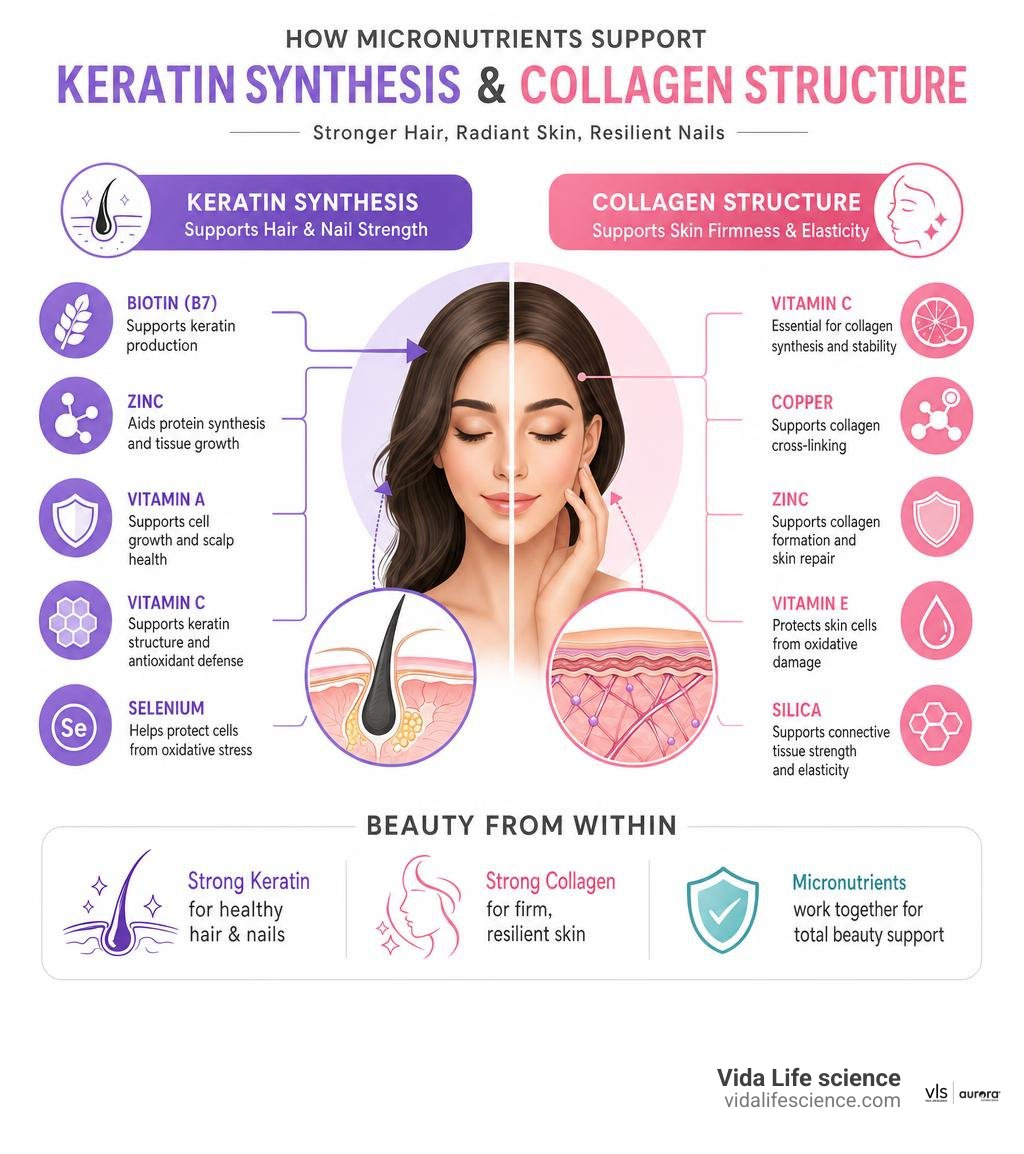
Understanding what each nutrient actually does in the human body is the first step toward making an informed, safe decision.
Key Nutrients in Multivitamins for Hair Skin and Nails and What the Science Says
The tissues that make up our hair, skin, and nails have exceptionally high metabolic activity. Hair follicles contain some of the most rapidly dividing cells in the human body, while the dermal layer of the skin continuously repairs itself against oxidative stress, UV radiation, and mechanical damage.
For these structures to thrive, the body requires a steady stream of building blocks and enzymatic cofactors. When evaluating products, consulting an evidence-based guide to essential vitamins for hair, skin, and nails helps distinguish physiological necessity from marketing hype. Let's break down the primary active ingredients found in beauty multivitamins.
1. Biotin (Vitamin B7) and the B-Complex
Biotin, also known as vitamin B7, is perhaps the most famous "beauty vitamin." Biotin functions as an essential coenzyme for four carboxylase enzymes involved in fatty acid synthesis, amino acid catabolism, and gluconeogenesis. Through these pathways, it supports the production of keratin, the fibrous structural protein that forms your hair and nails.
Despite its popularity, true biotin deficiency is remarkably rare in healthy adults who eat a balanced diet. The recommended daily intake (RDI) for adults is just 30 micrograms (mcg). Yet, many commercial beauty supplements pack in 2,500 mcg, 5,000 mcg, or even 10,000 mcg per serving—hundreds of times higher than the daily requirement.
While clinical evidence demonstrates clear improvements in nail thickness and reduced splitting for individuals with documented deficiencies or brittle nail syndrome, taking mega-doses when your levels are already sufficient will not speed up hair growth. For a deeper breakdown of how this B-vitamin operates, explore our proven biotin benefits for hair and nails.
2. Vitamins C and E: Dermal Antioxidants
Your skin is constantly exposed to environmental stressors like solar ultraviolet (UV) radiation and pollution, which generate damaging reactive oxygen species (ROS). Vitamins C and E form a primary cellular defense network against this oxidative stress.
-
Vitamin C (Ascorbic Acid): Beyond acting as a potent antioxidant, vitamin C is a mandatory cofactor for the enzymes prolyl hydroxylase and lysyl hydroxylase. These enzymes stabilize the triple-helix structure of collagen molecules. Without adequate vitamin C, collagen synthesis falters, leading to weakened dermal integrity, loss of skin elasticity, and delayed wound healing. Utilizing liposomal vitamin C for collagen production can help optimize cellular delivery while remaining gentle on the stomach.
-
Vitamin E (Tocopherol): Vitamin E is fat-soluble and embeds directly within skin cell membranes, preventing lipid peroxidation and preserving the skin's natural moisture barrier.
Together, these vitamins provide synergistic photoprotection, helping to neutralize free radicals before they degrade the dermal extracellular matrix.
3. Zinc, Iron, and Vitamin D
While vitamins receive top billing, minerals and fat-soluble hormones play equally critical roles in follicle cycling and cellular division:
-
Zinc: Essential for over 300 enzymatic processes, zinc regulates protein synthesis and cell division within hair follicle matrix cells and epidermal keratinocytes. Zinc deficiency is a well-established cause of telogen effluvium (diffuse hair shedding) and dry, cracked skin. The standard adult daily intake is 8 mg to 11 mg.
-
Iron: Hair follicle matrix cells rely heavily on iron-dependent enzymes for DNA synthesis. Low systemic iron stores—measured as serum ferritin—are among the most common triggers of hair shedding in premenopausal and postpartum women. Daily recommendations range from 8 mg for men and older women to 18 mg (up to 27 mg during pregnancy) for premenopausal women.
-
Vitamin D: Vitamin D is a steroid hormone that modulates hair follicle cycling and skin barrier immunity. Receptors for vitamin D (VDR) are expressed throughout the hair follicle; when levels drop, the hair growth cycle can stall. Maintaining optimal levels through targeted nutrition, such as balancing vitamin D3 and K2 for overall health, supports both skeletal integrity and follicle vitality.
4. Hydrolyzed Collagen Peptides and Hyaluronic Acid
Topical skincare products have long featured collagen and hyaluronic acid, but oral supplementation has become the new standard. To see how these compounds compare across various formulas, review this overview of top vitamins and nutrients for healthy hair and skin.
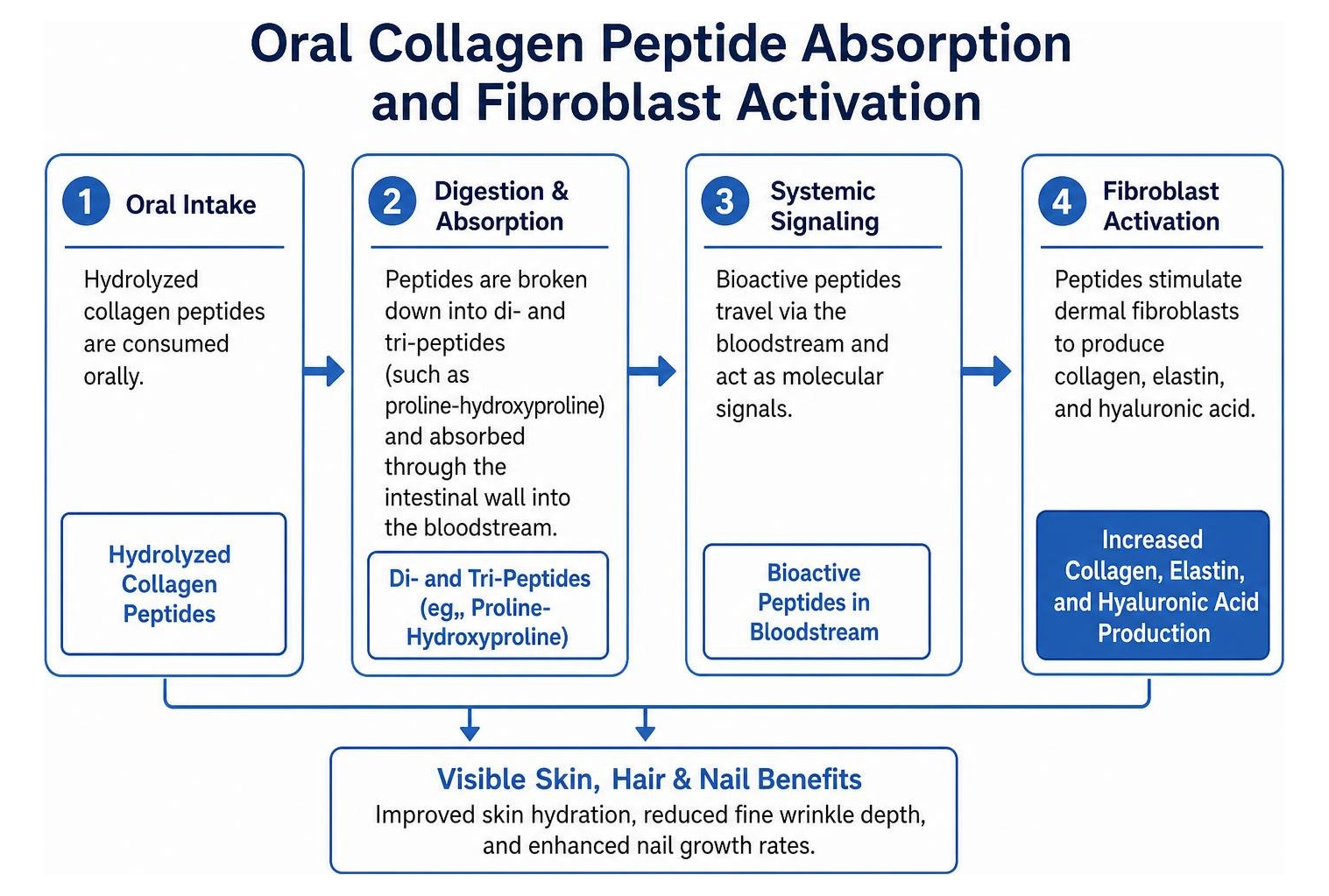
When consumed orally, hydrolyzed collagen is broken down during digestion into bioactive di- and tri-peptides (such as proline-hydroxyproline). These peptides are absorbed through the intestinal wall and enter the bloodstream. They act as molecular signals that stimulate dermal fibroblasts to produce new collagen, elastin, and hyaluronic acid. Clinical studies show that 8 to 12 weeks of daily hydrolyzed collagen supplementation can significantly improve skin hydration, reduce fine wrinkle depth, and enhance nail growth rates (Shing et al., 2025).
Hyaluronic acid works hand-in-hand with collagen. As a glycosaminoglycan capable of binding up to 1,000 times its weight in water, oral hyaluronic acid helps replenish skin moisture from the inside out, improving skin suppleness and joint comfort.
Who Benefits Most vs. Who Can Skip Beauty Supplements
Nutritional supplements are designed to fill dietary gaps, not act as magic wands. Understanding your personal health baseline helps you determine whether a beauty multivitamin is a worthwhile investment.
Who Benefits Most from Multivitamins for Hair Skin and Nails
Certain individuals are far more likely to experience tangible, visible improvements from targeted supplementation:
-
Individuals with Nutritional Deficiencies: If you are experiencing brittle nails, sudden shedding, or persistent skin dryness, identifying common vitamin deficiency signs can reveal whether a lack of iron, zinc, or B-complex vitamins is the underlying cause.
-
Postpartum and Perimenopausal Women: Hormonal shifts during the postpartum period and perimenopause alter hair growth cycles and decrease skin collagen density. Targeted micronutrients and collagen support help mitigate excess shedding and dryness.
-
Strict Vegans and Vegetarians: Plant-based diets are nutrient-rich, but they may lack sufficient bioavailable iron, zinc, and B12, directly impacting nail strength and hair density.
-
Older Adults: Dietary supplement use is very high among older adults (Shing et al., 2025). Because aging reduces stomach acid production and natural nutrient absorption, older adults often benefit from highly absorbable formulas to counter nail brittleness and thinning hair.
-
People with Gastrointestinal Malabsorption: Conditions like celiac disease, Crohn's, or history of bariatric surgery impair normal nutrient uptake, making bioavailable supplementation essential.
When a Balanced Diet Is Sufficient
If you already consume a diverse diet rich in colorful vegetables, wild fish, eggs, nuts, and healthy fats—and have no underlying digestive issues—you likely meet your baseline requirements for biotin, vitamin C, and zinc.
In these cases, mega-dose beauty vitamins are unlikely to create dramatic changes. Hair thinning driven by genetic pattern baldness (androgenetic alopecia), chronic stress (elevated cortisol), or thyroid disorders will not resolve simply by taking more biotin.
Hidden Risks: Lab Interference, Toxicity, and Over-Supplementation
More is not always better. Because dietary supplements are easily accessible over the counter, many consumers assume they carry zero risks. However, high-dose formulas introduce distinct medical challenges.

Biotin Interference with Critical Medical Lab Tests
One of the most serious and overlooked risks of beauty multivitamins is biotin's ability to interfere with clinical laboratory tests (Shing et al., 2025).
Many diagnostic immunoassays use a biotin-streptavidin binding system to measure hormone and protein levels. When a patient takes supplemental biotin at doses of 5 mg (5,000 mcg) or higher, excess biotin in the bloodstream binds to the test reagents, distorting the results:
-
Thyroid Panels: High biotin levels can falsely suppress Thyroid-Stimulating Hormone (TSH) while falsely elevating Free T3 and Free T4. This creates a biochemical pattern mimicking Graves' disease or hyperthyroidism, sometimes leading to inappropriate prescription of antithyroid medications.
-
Cardiac Troponin Tests: Troponin is a critical cardiac enzyme measured in emergency rooms to diagnose acute myocardial infarction (heart attack). Biotin interference can falsely lower troponin readings, potentially masking an active heart attack.
Safety Rule: Always inform your healthcare provider about any supplements you take. Discontinue high-dose biotin products at least 48 to 72 hours before scheduled blood work.
Toxicity Risks of Fat-Soluble Vitamins and Excess Minerals
Water-soluble vitamins (like B-complex and vitamin C) are generally excreted in urine when taken in excess. In contrast, fat-soluble vitamins (A, D, E, K) accumulate in liver and adipose tissues, creating a risk of toxicity over time (Shing et al., 2025).
Excess mineral intake also disrupts delicate biological balances:
-
Zinc and Copper Imbalance: Taking excessive zinc (above 40 mg daily) triggers the production of metallothionein, an intestinal protein that binds copper and prevents its absorption. Over time, high-dose zinc supplementation can induce severe copper deficiency, leading to anemia and neurological issues (Shing et al., 2025).
-
Vitamin A Overload: Chronic intake of preformed vitamin A (retinol) exceeding the upper limit can cause hair loss, liver toxicity, dry peeling skin, and birth defects.
| Nutrient |
Recommended Daily Intake (RDI) |
Tolerable Upper Intake Level (UL) |
Potential Over-Supplementation Risk |
| Biotin (B7) |
30 mcg |
Not Established |
False cardiac & thyroid lab results (Shing et al., 2025) |
| Vitamin A |
700 – 900 mcg (2,330–3,000 IU) |
3,000 mcg (10,000 IU) |
Liver strain, alopecia, teratogenicity (Shing et al., 2025) |
| Vitamin E |
15 mg (22.4 IU) |
1,000 mg (1,500 IU) |
Impaired blood clotting, bleeding risk (Shing et al., 2025) |
| Zinc |
8 – 11 mg |
40 mg |
Secondary copper deficiency, nausea (Shing et al., 2025) |
| Iron |
8 – 18 mg (up to 27 mg pregnancy) |
45 mg |
Gastrointestinal distress, hemochromatosis |
Maximizing Results Through Nutrient Delivery and Quality Standards
When it comes to nutritional supplements, the dose on the label matters far less than the amount your cells actually absorb.
Bioavailability and Delivery: Evaluating Multivitamins for Hair Skin and Nails
Traditional pills, tablets, and gummies must survive the harsh, acidic environment of the stomach and undergo enzymatic degradation before reaching the small intestine. For many delicate compounds, this journey results in poor bioavailability, with a significant portion passing through the digestive tract unabsorbed.
At Vida Life Science, we distribute Aurora Nutrascience liposomal supplements to solve this fundamental delivery challenge. Liposomes are microscopic, hollow spheres composed of a phospholipid bilayer—the exact same material that forms human cell membranes.
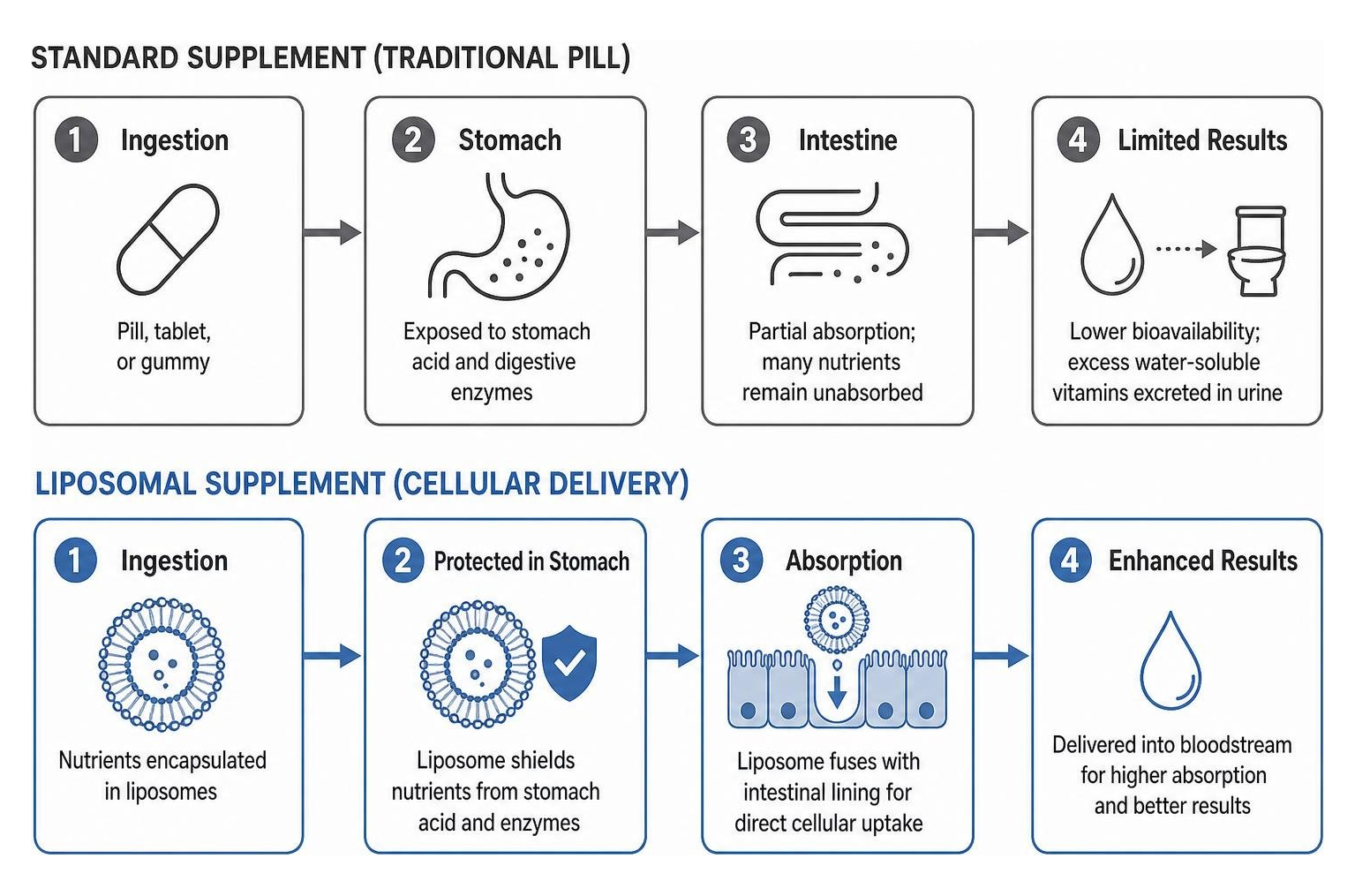
By encapsulating sensitive micronutrients within these protective liposomes:
- Nutrients are shielded against stomach acids and digestive enzymes.
- The liposome fuses directly with the intestinal lining, facilitating cellular uptake into the bloodstream.
- Studies show liposomal delivery can achieve up to 90% bioavailability, offering a much higher absorption rate per dose than standard pills while reducing gastrointestinal discomfort.
Red Flags and Buying Criteria to Consider
To ensure you choose a safe, high-quality product, keep these practical buying guidelines in mind:
-
Avoid Proprietary Blends: Choose products with transparent labels listing exact dosages for every ingredient rather than vague "beauty complexes."
-
Look for Third-Party Certification: Look for trusted independent testing seals like NSF International, USP (United States Pharmacopeia), or Health Canada certification to verify purity, potency, and absence of heavy metal contamination.
-
Be Mindful of Food Interactions: If consuming raw egg whites (e.g., in fitness shakes), they contain avidin, a protein that binds biotin and prevents absorption.
-
Beware of Overnight Promises: Hair and nails grow slowly. Any product promising visible changes in 48 hours is relying on marketing fiction rather than physiological reality.
Frequently Asked Questions About Hair, Skin, and Nail Supplements
How long does it take to see visible results from hair, skin, and nail vitamins?
Patience is essential. Human fingernails grow at an average rate of 3 to 4 millimeters per month, while scalp hair grows about half an inch per month.
-
Nails: Improvements in firmness and reduced splitting are typically visible within 4 to 6 weeks as new nail plate grows out from the matrix.
-
Skin: Enhanced hydration and elasticity from collagen and hyaluronic acid generally appear within 6 to 8 weeks (about two complete skin cell turnover cycles).
-
Hair: Meaningful reductions in shedding and visible increases in hair thickness or density take 8 to 12 weeks of consistent daily use.
Can high doses of biotin cause breakouts or skew routine blood work?
Yes to both. As discussed, daily doses of 5 mg (5,000 mcg) or higher frequently skew thyroid and cardiac troponin lab assays (Shing et al., 2025).
Additionally, some individuals experience acne flares (especially along the jawline) when starting high-dose biotin. This occurs because biotin (vitamin B7) and pantothenic acid (vitamin B5) share the same intestinal uptake receptor (SMVT). Flooding the body with excess biotin can temporarily block vitamin B5 absorption, potentially disrupting the skin barrier and triggering breakouts.
Is it better to take collagen and biotin together or separately?
Taking collagen and biotin together is safe and effective. They work through complementary biological pathways: biotin serves as a micronutrient cofactor for enzymatic reactions and keratin synthesis, while hydrolyzed collagen provides macro-level amino acid building blocks (proline, glycine, hydroxyproline) to stimulate dermal fibroblasts.
Combining them with vitamin C further optimizes endogenous collagen synthesis.
Conclusion: A Smarter Approach to Hair, Skin, and Nail Nutrition
Multivitamins for hair, skin, and nails can be a valuable addition to your self-care routine when formulated thoughtfully and used to address genuine nutritional needs. However, mega-dosing unstandardized formulas offers little benefit and introduces real risks of lab interference and mineral imbalances.
A smarter approach combines a whole-food diet, sun protection, and targeted, highly bioavailable supplementation. Rather than simply taking larger quantities of nutrients, focus on how effectively your body absorbs them. To discover how advanced liposomal technology can support your daily wellness routine safely and efficiently, explore our high-absorption biotin supplement options today.
References
Shing V, Aragon Sierra A, Shah AA. "Benefits and risks of hair, skin, and nail supplements in older adults.." International journal of women's dermatology, 2025. PMCID PMC12637343.


The Honest Truth About Multivitamins for Hair Skin and Nails
Introduction
Multivitamins for hair, skin, and nails are clinically effective primarily for individuals addressing documented nutrient deficiencies, hormonal changes, or malabsorption issues. For healthy adults who already consume a balanced diet, taking high-dose beauty supplements offers no cosmetic benefit and introduces real risks, such as diagnostic lab test interference.
Despite these clinical realities, beauty supplements have exploded into a multi-billion-dollar global trend fueled by social media and promises of overnight transformations. Navigating this market requires separating cosmetic marketing from clinical science. Under the Dietary Supplement Health and Education Act (DSHEA) of 1994, dietary supplements do not undergo pre-market approval by the FDA, meaning manufacturers can market products without proving clinical efficacy before reaching shelves.
While specific micronutrients are essential for biological processes like keratin synthesis and collagen formation, supplements cannot replace biological reality.
Understanding what each nutrient actually does in the human body is the first step toward making an informed, safe decision.
Key Nutrients in Multivitamins for Hair Skin and Nails and What the Science Says
The tissues that make up our hair, skin, and nails have exceptionally high metabolic activity. Hair follicles contain some of the most rapidly dividing cells in the human body, while the dermal layer of the skin continuously repairs itself against oxidative stress, UV radiation, and mechanical damage.
For these structures to thrive, the body requires a steady stream of building blocks and enzymatic cofactors. When evaluating products, consulting an evidence-based guide to essential vitamins for hair, skin, and nails helps distinguish physiological necessity from marketing hype. Let's break down the primary active ingredients found in beauty multivitamins.
1. Biotin (Vitamin B7) and the B-Complex
Biotin, also known as vitamin B7, is perhaps the most famous "beauty vitamin." Biotin functions as an essential coenzyme for four carboxylase enzymes involved in fatty acid synthesis, amino acid catabolism, and gluconeogenesis. Through these pathways, it supports the production of keratin, the fibrous structural protein that forms your hair and nails.
Despite its popularity, true biotin deficiency is remarkably rare in healthy adults who eat a balanced diet. The recommended daily intake (RDI) for adults is just 30 micrograms (mcg). Yet, many commercial beauty supplements pack in 2,500 mcg, 5,000 mcg, or even 10,000 mcg per serving—hundreds of times higher than the daily requirement.
While clinical evidence demonstrates clear improvements in nail thickness and reduced splitting for individuals with documented deficiencies or brittle nail syndrome, taking mega-doses when your levels are already sufficient will not speed up hair growth. For a deeper breakdown of how this B-vitamin operates, explore our proven biotin benefits for hair and nails.
2. Vitamins C and E: Dermal Antioxidants
Your skin is constantly exposed to environmental stressors like solar ultraviolet (UV) radiation and pollution, which generate damaging reactive oxygen species (ROS). Vitamins C and E form a primary cellular defense network against this oxidative stress.
Together, these vitamins provide synergistic photoprotection, helping to neutralize free radicals before they degrade the dermal extracellular matrix.
3. Zinc, Iron, and Vitamin D
While vitamins receive top billing, minerals and fat-soluble hormones play equally critical roles in follicle cycling and cellular division:
4. Hydrolyzed Collagen Peptides and Hyaluronic Acid
Topical skincare products have long featured collagen and hyaluronic acid, but oral supplementation has become the new standard. To see how these compounds compare across various formulas, review this overview of top vitamins and nutrients for healthy hair and skin.
When consumed orally, hydrolyzed collagen is broken down during digestion into bioactive di- and tri-peptides (such as proline-hydroxyproline). These peptides are absorbed through the intestinal wall and enter the bloodstream. They act as molecular signals that stimulate dermal fibroblasts to produce new collagen, elastin, and hyaluronic acid. Clinical studies show that 8 to 12 weeks of daily hydrolyzed collagen supplementation can significantly improve skin hydration, reduce fine wrinkle depth, and enhance nail growth rates (Shing et al., 2025).
Hyaluronic acid works hand-in-hand with collagen. As a glycosaminoglycan capable of binding up to 1,000 times its weight in water, oral hyaluronic acid helps replenish skin moisture from the inside out, improving skin suppleness and joint comfort.
Who Benefits Most vs. Who Can Skip Beauty Supplements
Nutritional supplements are designed to fill dietary gaps, not act as magic wands. Understanding your personal health baseline helps you determine whether a beauty multivitamin is a worthwhile investment.
Who Benefits Most from Multivitamins for Hair Skin and Nails
Certain individuals are far more likely to experience tangible, visible improvements from targeted supplementation:
When a Balanced Diet Is Sufficient
If you already consume a diverse diet rich in colorful vegetables, wild fish, eggs, nuts, and healthy fats—and have no underlying digestive issues—you likely meet your baseline requirements for biotin, vitamin C, and zinc.
In these cases, mega-dose beauty vitamins are unlikely to create dramatic changes. Hair thinning driven by genetic pattern baldness (androgenetic alopecia), chronic stress (elevated cortisol), or thyroid disorders will not resolve simply by taking more biotin.
Hidden Risks: Lab Interference, Toxicity, and Over-Supplementation
More is not always better. Because dietary supplements are easily accessible over the counter, many consumers assume they carry zero risks. However, high-dose formulas introduce distinct medical challenges.
Biotin Interference with Critical Medical Lab Tests
One of the most serious and overlooked risks of beauty multivitamins is biotin's ability to interfere with clinical laboratory tests (Shing et al., 2025).
Many diagnostic immunoassays use a biotin-streptavidin binding system to measure hormone and protein levels. When a patient takes supplemental biotin at doses of 5 mg (5,000 mcg) or higher, excess biotin in the bloodstream binds to the test reagents, distorting the results:
Safety Rule: Always inform your healthcare provider about any supplements you take. Discontinue high-dose biotin products at least 48 to 72 hours before scheduled blood work.
Toxicity Risks of Fat-Soluble Vitamins and Excess Minerals
Water-soluble vitamins (like B-complex and vitamin C) are generally excreted in urine when taken in excess. In contrast, fat-soluble vitamins (A, D, E, K) accumulate in liver and adipose tissues, creating a risk of toxicity over time (Shing et al., 2025).
Excess mineral intake also disrupts delicate biological balances:
Maximizing Results Through Nutrient Delivery and Quality Standards
When it comes to nutritional supplements, the dose on the label matters far less than the amount your cells actually absorb.
Bioavailability and Delivery: Evaluating Multivitamins for Hair Skin and Nails
Traditional pills, tablets, and gummies must survive the harsh, acidic environment of the stomach and undergo enzymatic degradation before reaching the small intestine. For many delicate compounds, this journey results in poor bioavailability, with a significant portion passing through the digestive tract unabsorbed.
At Vida Life Science, we distribute Aurora Nutrascience liposomal supplements to solve this fundamental delivery challenge. Liposomes are microscopic, hollow spheres composed of a phospholipid bilayer—the exact same material that forms human cell membranes.
By encapsulating sensitive micronutrients within these protective liposomes:
Red Flags and Buying Criteria to Consider
To ensure you choose a safe, high-quality product, keep these practical buying guidelines in mind:
Frequently Asked Questions About Hair, Skin, and Nail Supplements
How long does it take to see visible results from hair, skin, and nail vitamins?
Patience is essential. Human fingernails grow at an average rate of 3 to 4 millimeters per month, while scalp hair grows about half an inch per month.
Can high doses of biotin cause breakouts or skew routine blood work?
Yes to both. As discussed, daily doses of 5 mg (5,000 mcg) or higher frequently skew thyroid and cardiac troponin lab assays (Shing et al., 2025).
Additionally, some individuals experience acne flares (especially along the jawline) when starting high-dose biotin. This occurs because biotin (vitamin B7) and pantothenic acid (vitamin B5) share the same intestinal uptake receptor (SMVT). Flooding the body with excess biotin can temporarily block vitamin B5 absorption, potentially disrupting the skin barrier and triggering breakouts.
Is it better to take collagen and biotin together or separately?
Taking collagen and biotin together is safe and effective. They work through complementary biological pathways: biotin serves as a micronutrient cofactor for enzymatic reactions and keratin synthesis, while hydrolyzed collagen provides macro-level amino acid building blocks (proline, glycine, hydroxyproline) to stimulate dermal fibroblasts.
Combining them with vitamin C further optimizes endogenous collagen synthesis.
Conclusion: A Smarter Approach to Hair, Skin, and Nail Nutrition
Multivitamins for hair, skin, and nails can be a valuable addition to your self-care routine when formulated thoughtfully and used to address genuine nutritional needs. However, mega-dosing unstandardized formulas offers little benefit and introduces real risks of lab interference and mineral imbalances.
A smarter approach combines a whole-food diet, sun protection, and targeted, highly bioavailable supplementation. Rather than simply taking larger quantities of nutrients, focus on how effectively your body absorbs them. To discover how advanced liposomal technology can support your daily wellness routine safely and efficiently, explore our high-absorption biotin supplement options today.
References
Shing V, Aragon Sierra A, Shah AA. "Benefits and risks of hair, skin, and nail supplements in older adults.." International journal of women's dermatology, 2025. PMCID PMC12637343.