Why a Biotin Supplement Might Be Worth Your Attention
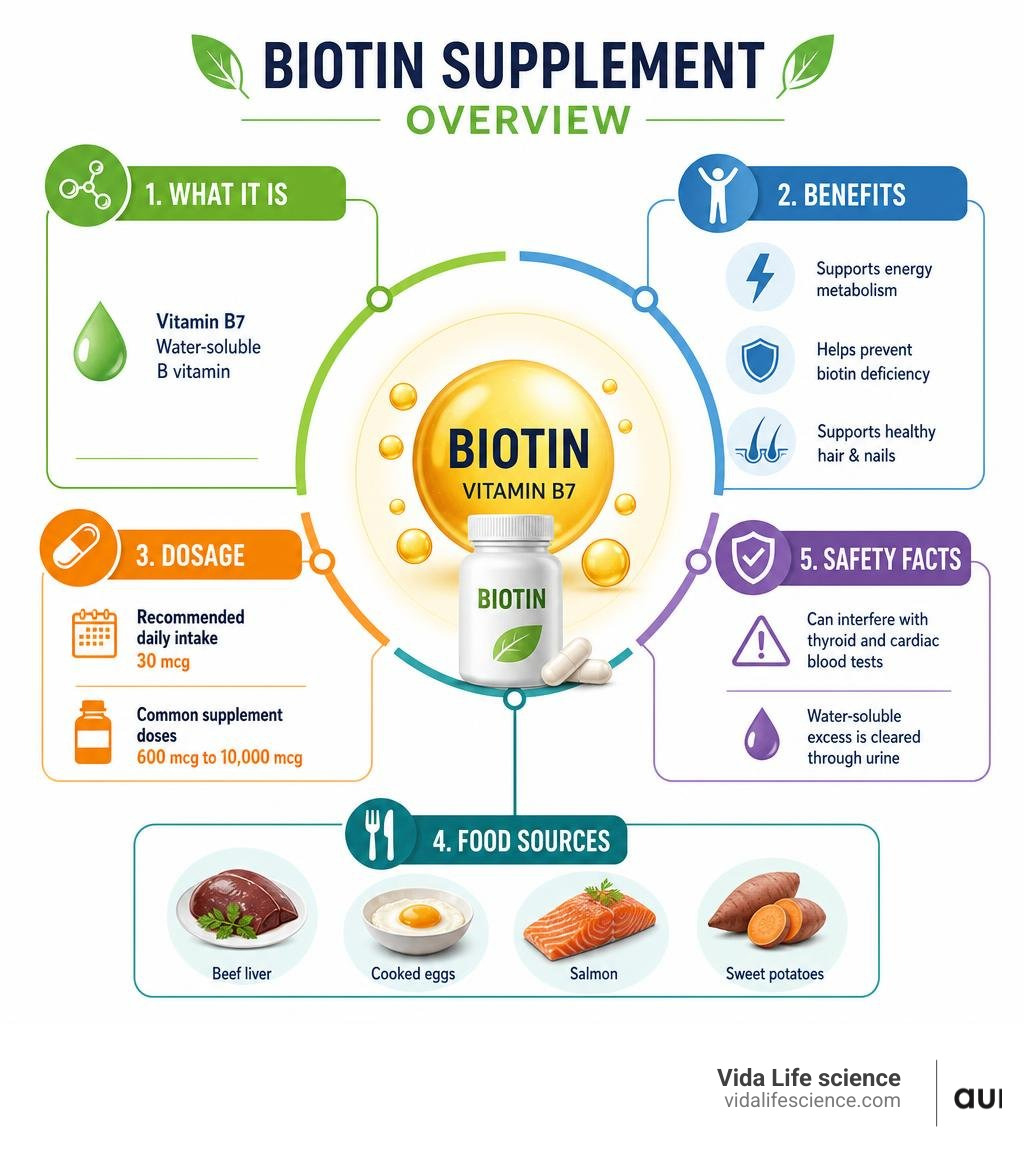
Taking a biotin supplement has become one of the fastest-growing trends in nutritional health — and for good reason. Biotin (also called Vitamin B7) is a water-soluble B vitamin your body needs every single day to convert food into energy, support healthy hair and nails, and keep your metabolism running smoothly.
Here's a quick overview of what you need to know:
| Topic |
Key Facts |
| What it is |
Vitamin B7, a water-soluble B vitamin |
| Main role |
Converts fats, carbs, and proteins into usable energy |
| Recommended daily intake |
30 mcg for most adults |
| Common supplement doses |
600 mcg to 10,000 mcg |
| Proven benefits |
Energy metabolism, deficiency prevention |
| Popular but unproven |
Hair regrowth, acne treatment |
| Key risk |
Can interfere with thyroid and cardiac blood tests |
| Best food sources |
Beef liver, cooked eggs, salmon, sweet potatoes |
Use of biotin supplements has grown more than 30 times since 1999. But with so many bold claims about hair, skin, and nails floating around social media, it can be hard to know what's real and what's hype.
This guide cuts through the noise. You'll learn exactly what biotin does in the body, who actually needs it, how much is safe, and whether those high-dose supplements are worth taking.
At Vida Lifescience, we specialize in advanced nutrient delivery systems — including liposomal technology that maximizes how well your body absorbs supplements like biotin. As the exclusive US distributor of Aurora Nutrascience, we bring a science-first perspective to every biotin supplement question we answer.
What is Biotin and How Does It Work?
Biotin, also known as Vitamin B7, is an essential, water-soluble micronutrient. Because it is water-soluble, your body cannot store it in large amounts. Any excess is naturally cleared through your urine, which means we must consume a steady daily supply through food or a high-quality biotin supplement to keep our systems running optimally.
At its core, biotin acts as an indispensable coenzyme for a group of enzymes called carboxylases. Think of these enzymes as cellular construction workers. Without biotin acting as their primary tool, they cannot do their jobs.
These carboxylase enzymes are responsible for:
-
Fatty acid synthesis: Helping the body construct the healthy fats needed to maintain cellular structure and keep skin hydrated.
-
Gluconeogenesis: Synthesizing glucose from non-carbohydrate sources, ensuring your brain and muscles have a steady supply of fuel even when you haven't eaten in a while.
-
Amino acid metabolism: Breaking down proteins into their individual building blocks so your body can rebuild them into muscle, tissues, and structural proteins.
The Biological Role of Vitamin B7
Inside your cells, biotin is a key player in the Krebs cycle (also known as the citric acid cycle or TCA cycle). This cycle is the biological engine that generates cellular energy. By acting as a cofactor in this cycle, biotin helps convert the macronutrients you eat—fats, carbohydrates, and proteins—into adenosine triphosphate (ATP), the chemical currency of cellular respiration.
Beyond energy conversion, biotin is also heavily involved in cell signaling and gene expression. It helps ensure that the genetic instructions inside your DNA are read and executed correctly, which is vital for the rapid cell division required by your hair follicles, skin cells, and nail beds.
Why Consider a Biotin Supplement?
In an ideal world, our diets would provide every single micro-gram of nutrients we need. However, modern lifestyles, dietary gaps, and agricultural soil depletion mean that many of us fall short of our nutritional goals.
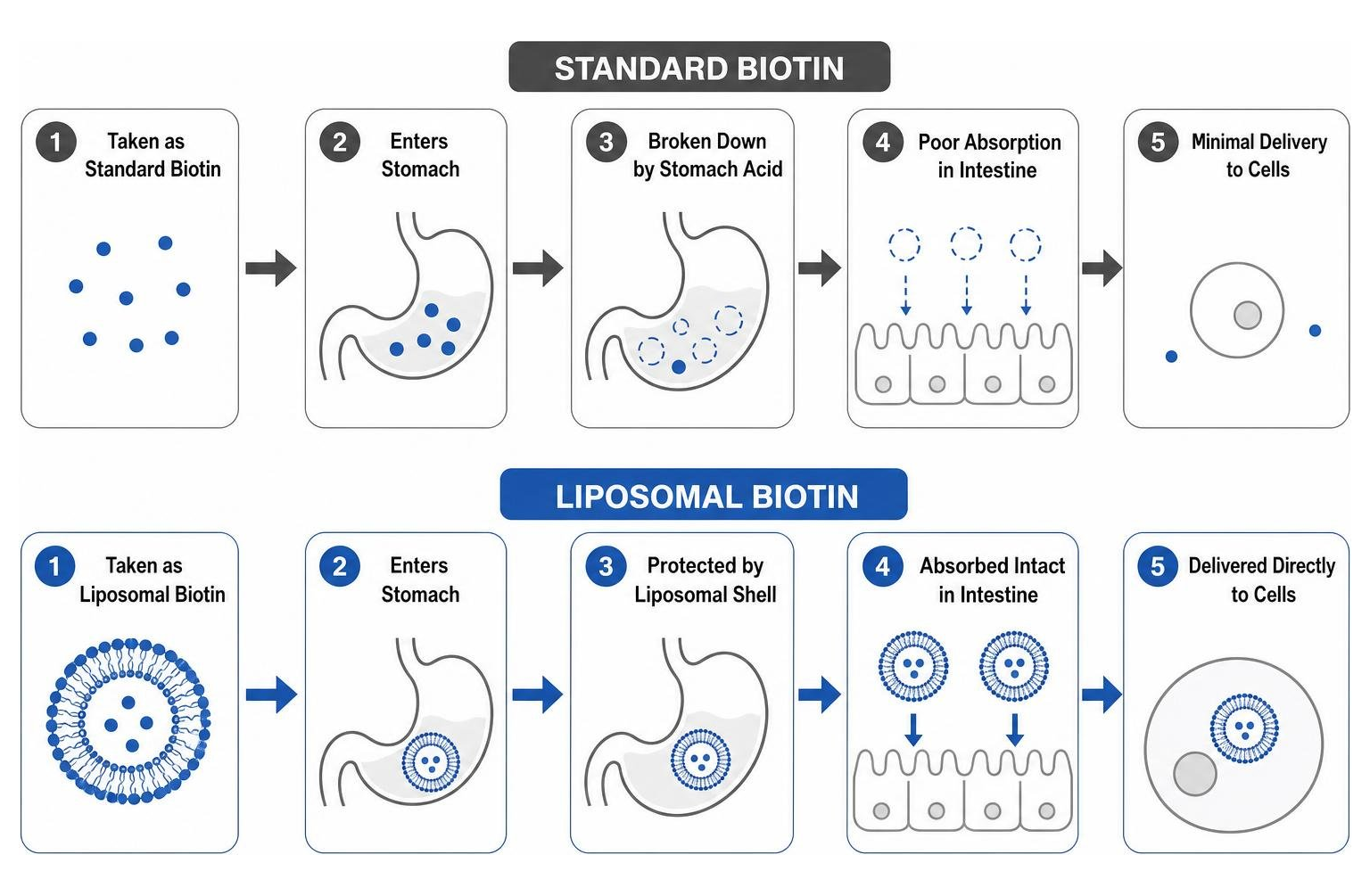
Furthermore, standard oral vitamins must navigate the harsh, acidic environment of the digestive system. By the time a traditional tablet or capsule passes through your stomach and liver, a significant portion of the active biotin can be lost. This is where advanced delivery methods, such as liposomal technology, make a profound difference. By wrapping the nutrient in protective liposomes (microscopic fat bubbles that mimic our own cell membranes), we can bypass traditional digestive barriers and deliver the nutrient directly to the bloodstream for superior absorption.
If you suspect you are missing key nutrients in your daily routine, exploring the Signs of vitamin deficiencies is a great place to start.
Proven Benefits and the Beauty Hype
Walk down any beauty aisle in the United States or Canada, and you will see biotin advertised as a miracle cure for thinning hair, dull skin, and peeling nails. But what does the science actually say?
The biological link between biotin and beauty lies in keratin. Keratin is the basic structural protein that makes up your hair, skin, and nails. Biotin plays a foundational role in the synthesis of keratin, acting as the biological "glue" that helps reinforce its infrastructure.
However, we must look at the clinical evidence objectively. While taking a biotin supplement is highly effective at restoring hair and nail health in people who have an active biotin deficiency, there is limited clinical proof that megadosing on biotin will give a healthy person "super-powered" hair growth or cure skin issues like acne. In fact, some people even report minor skin breakouts when taking massive doses of standard biotin, likely because excess B7 can compete with Vitamin B5 (pantothenic acid) absorption in the gut.
Hair Loss, Skin Health, and Nail Strength
For individuals suffering from genuine sub-clinical deficiencies, the results of supplementation can be highly noticeable. Clinical studies have shown that consistent biotin intake can help:
-
Reduce nail brittleness: Helping to prevent splitting, cracking, and peeling.
-
Combat hair shedding: Supporting the hair follicles during their active growth phase to reduce premature shedding.
-
Soothe skin rashes: Addressing dry, scaly skin issues, including seborrheic dermatitis (often seen as stubborn dandruff or cradle cap in infants).
If you are looking to optimize your beauty routine from the inside out, you can read more about how to Achieve Radiant Skin, Hair, and Nails with Liposomal Biotin.
While the cosmetic benefits get all the social media attention, biotin’s metabolic benefits are the real unsung heroes. By assisting in macronutrient metabolism and glucose synthesis, biotin helps maintain stable blood sugar levels and supports a healthy nervous system.
Because women and men have distinct physiological requirements, understanding how B vitamins fit into a broader wellness plan is key. You can find tailored recommendations in our guides on Essential supplements for women and Essential supplements for men.
Biotin Deficiency: Risks, Symptoms, and Dietary Sources
True, clinical biotin deficiency is relatively rare because our intestinal bacteria actually synthesize a small amount of biotin naturally, and many common foods contain trace amounts of B7. However, when a deficiency does occur, the symptoms can be incredibly frustrating.
Common physical signs of a biotin deficiency include:
- Thinning hair or hair loss (alopecia) across the scalp.
- A red, scaly, patchy rash, particularly around the eyes, nose, mouth, and perineum.
- Brittle, easily broken fingernails and toenails.
- Neurological symptoms such as mild depression, lethargy, hallucinations, and numbness or tingling in the extremities.
To learn more about how to spot and correct nutritional gaps, take a look at our comprehensive guide on the Most common vitamin deficiencies and how to address them.
Who is at Risk for Deficiency?
Certain groups of people are far more vulnerable to running low on Vitamin B7:
-
Pregnant and Lactating People: Approximately one-third of pregnant individuals develop a mild, sub-clinical biotin deficiency. The reasons for this remain medically mysterious, but it is believed that the rapidly developing fetus breaks down biotin at an accelerated rate.
-
Chronic Alcohol Users: Alcohol actively inhibits the absorption of biotin in the intestinal tract, making long-term alcohol consumption a primary risk factor for deficiency.
-
Raw Egg Enthusiasts: If you regularly consume raw egg whites (perhaps in homemade protein shakes, traditional Caesar salad dressings, or eggnog), you might be blocking your own biotin. Raw egg whites contain a protein called avidin, which binds tightly to biotin in your gut, rendering it completely unabsorbable.
-
Certain Medications: Long-term use of anti-seizure medications can degrade biotin levels in the blood, requiring managed supplementation.
Top Natural Food Sources of Biotin
The best way to maintain healthy biotin levels is to eat a balanced diet rich in whole foods. However, keep in mind that food processing, preserving, and heavy cooking can reduce the active biotin content in your meals.
Here is a breakdown of some of the best natural sources of biotin:
| Food Source |
Serving Size |
Biotin Content (mcg) |
| Beef liver |
3 ounces (cooked) |
30.8 mcg |
| Whole egg |
1 large (cooked) |
10.0 mcg |
| Salmon |
3 ounces (canned in water) |
5.0 mcg |
| Pork chop |
3 ounces (cooked) |
3.8 mcg |
| Sunflower seeds |
1/4 cup |
2.6 mcg |
| Sweet potato |
1/2 cup (cooked) |
2.4 mcg |
Choosing the Right Biotin Supplement Dosage
When looking for a biotin supplement, you will quickly notice a massive gap between what your body actually needs and what supplement companies sell.
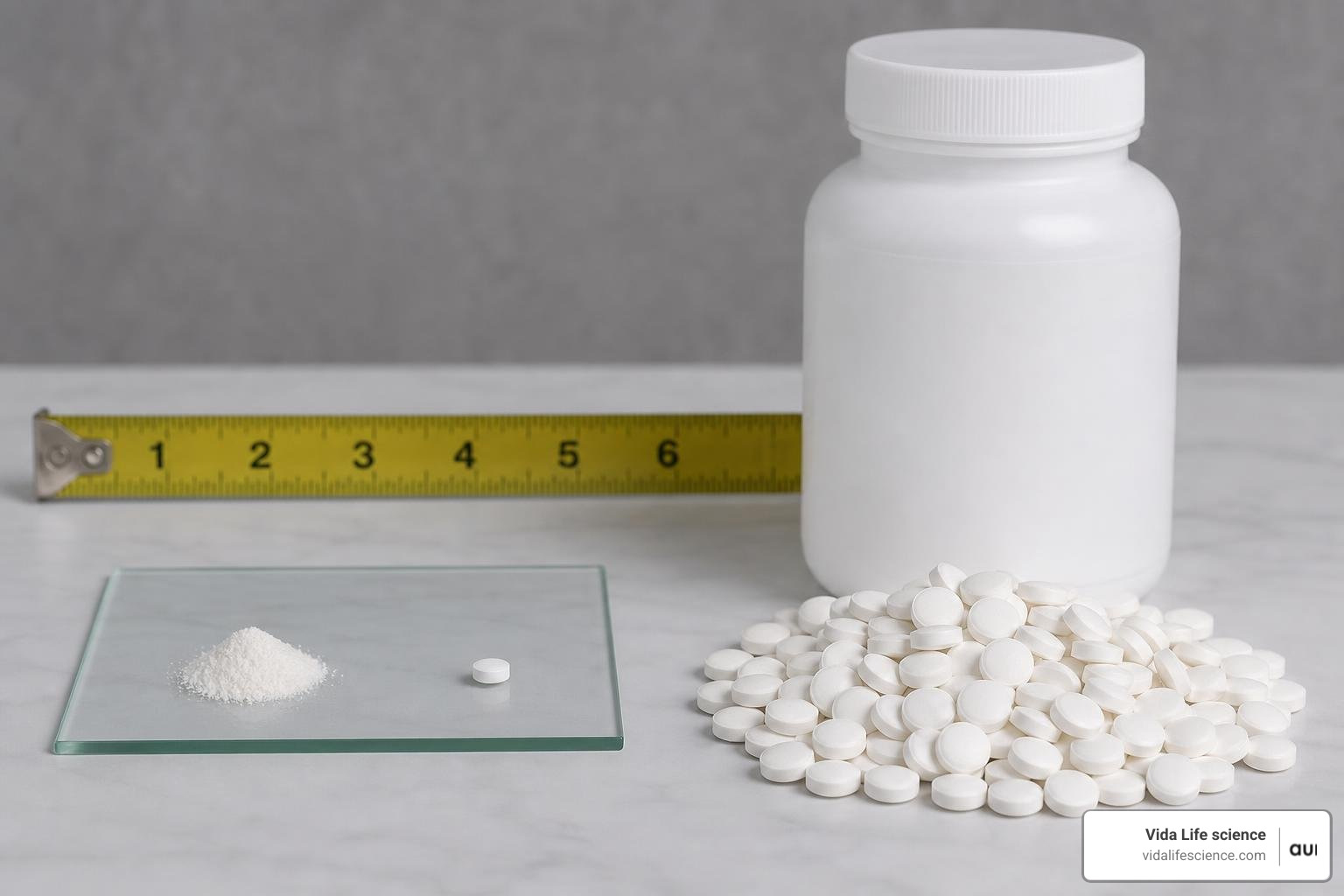
While the recommended Adequate Intake (AI) for a healthy adult is just 30 micrograms (mcg) per day, many retail supplements contain 1,000 mcg, 5,000 mcg, or even 10,000 mcg per serving. That means some supplements provide up to 33,333% of your daily value!
Because biotin is water-soluble, taking these high doses is generally considered very safe. Your body simply takes what it needs to support its metabolic pathways and flushes the rest out in your urine. However, megadosing is not always necessary and, as we will discuss below, can cause some unexpected issues at the doctor's office.
Recommended Daily Intake by Age Group
Because there is insufficient clinical data to establish a strict Recommended Dietary Allowance (RDA) for biotin, health authorities use an Adequate Intake (AI) guideline instead.
According to established Clinical guidelines on biotin dosing, here is what different age groups require daily:
-
Infants (0-12 months): 5 to 6 mcg
-
Children (1-3 years): 8 mcg
-
Children (4-8 years): 12 mcg
-
Children (9-13 years): 20 mcg
-
Adolescents (14-18 years): 25 mcg
-
Adults (19+ years) & Pregnant People: 30 mcg
-
Lactating People: 35 mcg
Standard Biotin Supplement Doses vs. Daily Needs
If our daily requirement is only 30 mcg, why do supplements come in such massive doses?
-
600 mcg doses: Often found in daily multivitamins, designed to comfortably cover any dietary gaps without overwhelming the body.
-
5,000 mcg to 10,000 mcg doses: Usually marketed as "extra strength" beauty supplements. While these high doses are well-tolerated, much of the excess is excreted.
To maximize the efficiency of your supplement without needing to megadose, we recommend focusing on absorption quality rather than sheer quantity. Liposomal delivery ensures that the biotin is actually absorbed by your cells, meaning you can get better results with highly targeted, biologically appropriate doses.
Safety, Side Effects, and Lab Test Interference
Biotin has an incredibly clean safety profile. No serious adverse side effects have been reported in clinical studies for individuals taking up to 10 milligrams (10,000 mcg) of biotin per day. There is no official Upper Limit (UL) established for biotin because there is no evidence of toxicity.
However, that does not mean high-dose biotin is completely free of consequences.
The Risk of Blood Test Interference
This is perhaps the most important safety warning regarding biotin: High doses of biotin can severely interfere with common laboratory blood tests.
In 2017, the FDA issued a safety communication warning that biotin supplements can cause clinically significant diagnostic errors. This interference occurs because many modern lab tests use a biotin-streptavidin binding method to analyze blood samples. When you have high levels of biotin circulating in your blood, it can interfere with this binding process, leading to falsely elevated or falsely suppressed results.
Specifically, biotin interference can affect:
-
Thyroid Hormone Panels: It can falsely elevate free T4 and free T3 while suppressing TSH, mimicking the lab profile of Graves' disease (hyperthyroidism). This has led to patients being misdiagnosed and prescribed unnecessary, potentially dangerous thyroid medications.
-
Troponin Levels: Troponin is a vital biomarker used to diagnose heart attacks in emergency rooms. High biotin levels can cause falsely low troponin results, potentially preventing doctors from realizing a patient is having a heart attack.
-
Vitamin D Levels: It can distort measurements of Vitamin D and other hormone-based tests.
The risk of lab test interference is highest for individuals taking 5 mg (5,000 mcg) or more of biotin daily.
Our Recommendation: To prevent dangerous diagnostic errors, always disclose your biotin supplement use to your healthcare provider before undergoing any blood draws. We recommend pausing any high-dose biotin supplements for at least 3 to 5 days prior to scheduled lab tests to allow the nutrient to fully clear from your system.
Frequently Asked Questions about Biotin
Can I take too much biotin?
Because biotin is a water-soluble B vitamin, your body does not store it. Any excess is naturally cleared through your kidneys. While taking doses above 2,500 mcg is generally safe and non-toxic, it can cause minor issues like skin breakouts in sensitive individuals and will actively interfere with laboratory blood tests.
Does cooking food affect its biotin content?
Yes. Biotin is sensitive to heat and food preservation techniques. Cooking can reduce the active biotin content in some foods. However, when it comes to eggs, you must cook them. Cooking denatures the avidin protein in egg whites, preventing it from binding to and blocking biotin absorption in your digestive tract.
How long does it take to see results from biotin?
If you are taking a biotin supplement to address brittle nails or thinning hair, patience is key. Because hair follicles and nail beds require time to generate new cells, it typically takes at least three months of consistent, daily use to see visible improvements in hair thickness and nail strength.
Conclusion
Biotin is an absolute powerhouse of a vitamin, playing a vital role in keeping your metabolism firing, your cells energized, and your hair, skin, and nails structurally sound. While a true deficiency is rare, many people turn to a biotin supplement to bridge dietary gaps and support their personal wellness and beauty goals.
However, the key to successful supplementation isn't just about swallowing the highest dose you can find on a store shelf. It is about absorption.
At Vida Lifescience, we are proud to offer Aurora Nutrascience's cutting-edge liposomal supplements. By utilizing advanced liposomal technology, we encapsulate vital nutrients in protective, organic liposomes. This shields the biotin from the harsh environment of your digestive system, allowing for superior nutrient absorption and delivering the active ingredients directly to your cells where they can do the most good.
Ready to upgrade your daily wellness routine with a supplement that actually gets absorbed? Explore our science-backed solutions and learn how to Achieve Radiant Skin, Hair, and Nails with Liposomal Biotin today!


All About Biotin: Benefits, Sources & Dosage
Why a Biotin Supplement Might Be Worth Your Attention
Taking a biotin supplement has become one of the fastest-growing trends in nutritional health — and for good reason. Biotin (also called Vitamin B7) is a water-soluble B vitamin your body needs every single day to convert food into energy, support healthy hair and nails, and keep your metabolism running smoothly.
Here's a quick overview of what you need to know:
Use of biotin supplements has grown more than 30 times since 1999. But with so many bold claims about hair, skin, and nails floating around social media, it can be hard to know what's real and what's hype.
This guide cuts through the noise. You'll learn exactly what biotin does in the body, who actually needs it, how much is safe, and whether those high-dose supplements are worth taking.
At Vida Lifescience, we specialize in advanced nutrient delivery systems — including liposomal technology that maximizes how well your body absorbs supplements like biotin. As the exclusive US distributor of Aurora Nutrascience, we bring a science-first perspective to every biotin supplement question we answer.
What is Biotin and How Does It Work?
Biotin, also known as Vitamin B7, is an essential, water-soluble micronutrient. Because it is water-soluble, your body cannot store it in large amounts. Any excess is naturally cleared through your urine, which means we must consume a steady daily supply through food or a high-quality biotin supplement to keep our systems running optimally.
At its core, biotin acts as an indispensable coenzyme for a group of enzymes called carboxylases. Think of these enzymes as cellular construction workers. Without biotin acting as their primary tool, they cannot do their jobs.
These carboxylase enzymes are responsible for:
The Biological Role of Vitamin B7
Inside your cells, biotin is a key player in the Krebs cycle (also known as the citric acid cycle or TCA cycle). This cycle is the biological engine that generates cellular energy. By acting as a cofactor in this cycle, biotin helps convert the macronutrients you eat—fats, carbohydrates, and proteins—into adenosine triphosphate (ATP), the chemical currency of cellular respiration.
Beyond energy conversion, biotin is also heavily involved in cell signaling and gene expression. It helps ensure that the genetic instructions inside your DNA are read and executed correctly, which is vital for the rapid cell division required by your hair follicles, skin cells, and nail beds.
Why Consider a Biotin Supplement?
In an ideal world, our diets would provide every single micro-gram of nutrients we need. However, modern lifestyles, dietary gaps, and agricultural soil depletion mean that many of us fall short of our nutritional goals.
Furthermore, standard oral vitamins must navigate the harsh, acidic environment of the digestive system. By the time a traditional tablet or capsule passes through your stomach and liver, a significant portion of the active biotin can be lost. This is where advanced delivery methods, such as liposomal technology, make a profound difference. By wrapping the nutrient in protective liposomes (microscopic fat bubbles that mimic our own cell membranes), we can bypass traditional digestive barriers and deliver the nutrient directly to the bloodstream for superior absorption.
If you suspect you are missing key nutrients in your daily routine, exploring the Signs of vitamin deficiencies is a great place to start.
Proven Benefits and the Beauty Hype
Walk down any beauty aisle in the United States or Canada, and you will see biotin advertised as a miracle cure for thinning hair, dull skin, and peeling nails. But what does the science actually say?
The biological link between biotin and beauty lies in keratin. Keratin is the basic structural protein that makes up your hair, skin, and nails. Biotin plays a foundational role in the synthesis of keratin, acting as the biological "glue" that helps reinforce its infrastructure.
However, we must look at the clinical evidence objectively. While taking a biotin supplement is highly effective at restoring hair and nail health in people who have an active biotin deficiency, there is limited clinical proof that megadosing on biotin will give a healthy person "super-powered" hair growth or cure skin issues like acne. In fact, some people even report minor skin breakouts when taking massive doses of standard biotin, likely because excess B7 can compete with Vitamin B5 (pantothenic acid) absorption in the gut.
Hair Loss, Skin Health, and Nail Strength
For individuals suffering from genuine sub-clinical deficiencies, the results of supplementation can be highly noticeable. Clinical studies have shown that consistent biotin intake can help:
If you are looking to optimize your beauty routine from the inside out, you can read more about how to Achieve Radiant Skin, Hair, and Nails with Liposomal Biotin.
Metabolic and Cellular Energy Support
While the cosmetic benefits get all the social media attention, biotin’s metabolic benefits are the real unsung heroes. By assisting in macronutrient metabolism and glucose synthesis, biotin helps maintain stable blood sugar levels and supports a healthy nervous system.
Because women and men have distinct physiological requirements, understanding how B vitamins fit into a broader wellness plan is key. You can find tailored recommendations in our guides on Essential supplements for women and Essential supplements for men.
Biotin Deficiency: Risks, Symptoms, and Dietary Sources
True, clinical biotin deficiency is relatively rare because our intestinal bacteria actually synthesize a small amount of biotin naturally, and many common foods contain trace amounts of B7. However, when a deficiency does occur, the symptoms can be incredibly frustrating.
Common physical signs of a biotin deficiency include:
To learn more about how to spot and correct nutritional gaps, take a look at our comprehensive guide on the Most common vitamin deficiencies and how to address them.
Who is at Risk for Deficiency?
Certain groups of people are far more vulnerable to running low on Vitamin B7:
Top Natural Food Sources of Biotin
The best way to maintain healthy biotin levels is to eat a balanced diet rich in whole foods. However, keep in mind that food processing, preserving, and heavy cooking can reduce the active biotin content in your meals.
Here is a breakdown of some of the best natural sources of biotin:
Choosing the Right Biotin Supplement Dosage
When looking for a biotin supplement, you will quickly notice a massive gap between what your body actually needs and what supplement companies sell.
While the recommended Adequate Intake (AI) for a healthy adult is just 30 micrograms (mcg) per day, many retail supplements contain 1,000 mcg, 5,000 mcg, or even 10,000 mcg per serving. That means some supplements provide up to 33,333% of your daily value!
Because biotin is water-soluble, taking these high doses is generally considered very safe. Your body simply takes what it needs to support its metabolic pathways and flushes the rest out in your urine. However, megadosing is not always necessary and, as we will discuss below, can cause some unexpected issues at the doctor's office.
Recommended Daily Intake by Age Group
Because there is insufficient clinical data to establish a strict Recommended Dietary Allowance (RDA) for biotin, health authorities use an Adequate Intake (AI) guideline instead.
According to established Clinical guidelines on biotin dosing, here is what different age groups require daily:
Standard Biotin Supplement Doses vs. Daily Needs
If our daily requirement is only 30 mcg, why do supplements come in such massive doses?
To maximize the efficiency of your supplement without needing to megadose, we recommend focusing on absorption quality rather than sheer quantity. Liposomal delivery ensures that the biotin is actually absorbed by your cells, meaning you can get better results with highly targeted, biologically appropriate doses.
Safety, Side Effects, and Lab Test Interference
Biotin has an incredibly clean safety profile. No serious adverse side effects have been reported in clinical studies for individuals taking up to 10 milligrams (10,000 mcg) of biotin per day. There is no official Upper Limit (UL) established for biotin because there is no evidence of toxicity.
However, that does not mean high-dose biotin is completely free of consequences.
The Risk of Blood Test Interference
This is perhaps the most important safety warning regarding biotin: High doses of biotin can severely interfere with common laboratory blood tests.
In 2017, the FDA issued a safety communication warning that biotin supplements can cause clinically significant diagnostic errors. This interference occurs because many modern lab tests use a biotin-streptavidin binding method to analyze blood samples. When you have high levels of biotin circulating in your blood, it can interfere with this binding process, leading to falsely elevated or falsely suppressed results.
Specifically, biotin interference can affect:
The risk of lab test interference is highest for individuals taking 5 mg (5,000 mcg) or more of biotin daily.
Our Recommendation: To prevent dangerous diagnostic errors, always disclose your biotin supplement use to your healthcare provider before undergoing any blood draws. We recommend pausing any high-dose biotin supplements for at least 3 to 5 days prior to scheduled lab tests to allow the nutrient to fully clear from your system.
Frequently Asked Questions about Biotin
Can I take too much biotin?
Because biotin is a water-soluble B vitamin, your body does not store it. Any excess is naturally cleared through your kidneys. While taking doses above 2,500 mcg is generally safe and non-toxic, it can cause minor issues like skin breakouts in sensitive individuals and will actively interfere with laboratory blood tests.
Does cooking food affect its biotin content?
Yes. Biotin is sensitive to heat and food preservation techniques. Cooking can reduce the active biotin content in some foods. However, when it comes to eggs, you must cook them. Cooking denatures the avidin protein in egg whites, preventing it from binding to and blocking biotin absorption in your digestive tract.
How long does it take to see results from biotin?
If you are taking a biotin supplement to address brittle nails or thinning hair, patience is key. Because hair follicles and nail beds require time to generate new cells, it typically takes at least three months of consistent, daily use to see visible improvements in hair thickness and nail strength.
Conclusion
Biotin is an absolute powerhouse of a vitamin, playing a vital role in keeping your metabolism firing, your cells energized, and your hair, skin, and nails structurally sound. While a true deficiency is rare, many people turn to a biotin supplement to bridge dietary gaps and support their personal wellness and beauty goals.
However, the key to successful supplementation isn't just about swallowing the highest dose you can find on a store shelf. It is about absorption.
At Vida Lifescience, we are proud to offer Aurora Nutrascience's cutting-edge liposomal supplements. By utilizing advanced liposomal technology, we encapsulate vital nutrients in protective, organic liposomes. This shields the biotin from the harsh environment of your digestive system, allowing for superior nutrient absorption and delivering the active ingredients directly to your cells where they can do the most good.
Ready to upgrade your daily wellness routine with a supplement that actually gets absorbed? Explore our science-backed solutions and learn how to Achieve Radiant Skin, Hair, and Nails with Liposomal Biotin today!