Why Vitamin Deficiency Signs Are Easy to Miss
Vitamin deficiency signs can include ongoing fatigue, hair or nail changes, mouth sores, bleeding gums, numbness or tingling, slow-healing cuts, bone pain, and trouble seeing in low light. These symptoms can have many causes, but persistent or worsening changes deserve medical attention and targeted testing.
| Common sign |
Possible nutrient shortfalls |
| Low energy, weakness, feeling cold |
Vitamin B12, folate, vitamin B6, iron |
| Brittle nails or unusual hair shedding |
Iron, biotin, vitamin D, other nutrients |
| Cracked lips, mouth ulcers, sore tongue |
B vitamins, iron |
| Easy bruising, bleeding gums, slow healing |
Vitamin C, vitamin K |
| Poor night vision or dry eyes |
Vitamin A |
| Tingling, numbness, balance problems |
Vitamin B12, vitamin B6, folate |
| Bone pain or muscle weakness |
Vitamin D, calcium |
| Mood changes or brain fog |
B vitamins, vitamin D, iron |
Your body needs 13 essential vitamins in small amounts, but the effects of falling short can be large. A deficiency may happen because of diet, but it can also stem from digestion problems, certain medicines, alcohol use, aging, or surgery that changes nutrient absorption.
Vida Life Science is a U.S.-based distributor focused on high-quality, non-GMO liposomal nutrients, including vitamin C and other wellness supplements designed to support bioavailability. Our work in advanced nutrient delivery informs this guide to vitamin deficiency signs and the questions worth bringing to a healthcare professional.
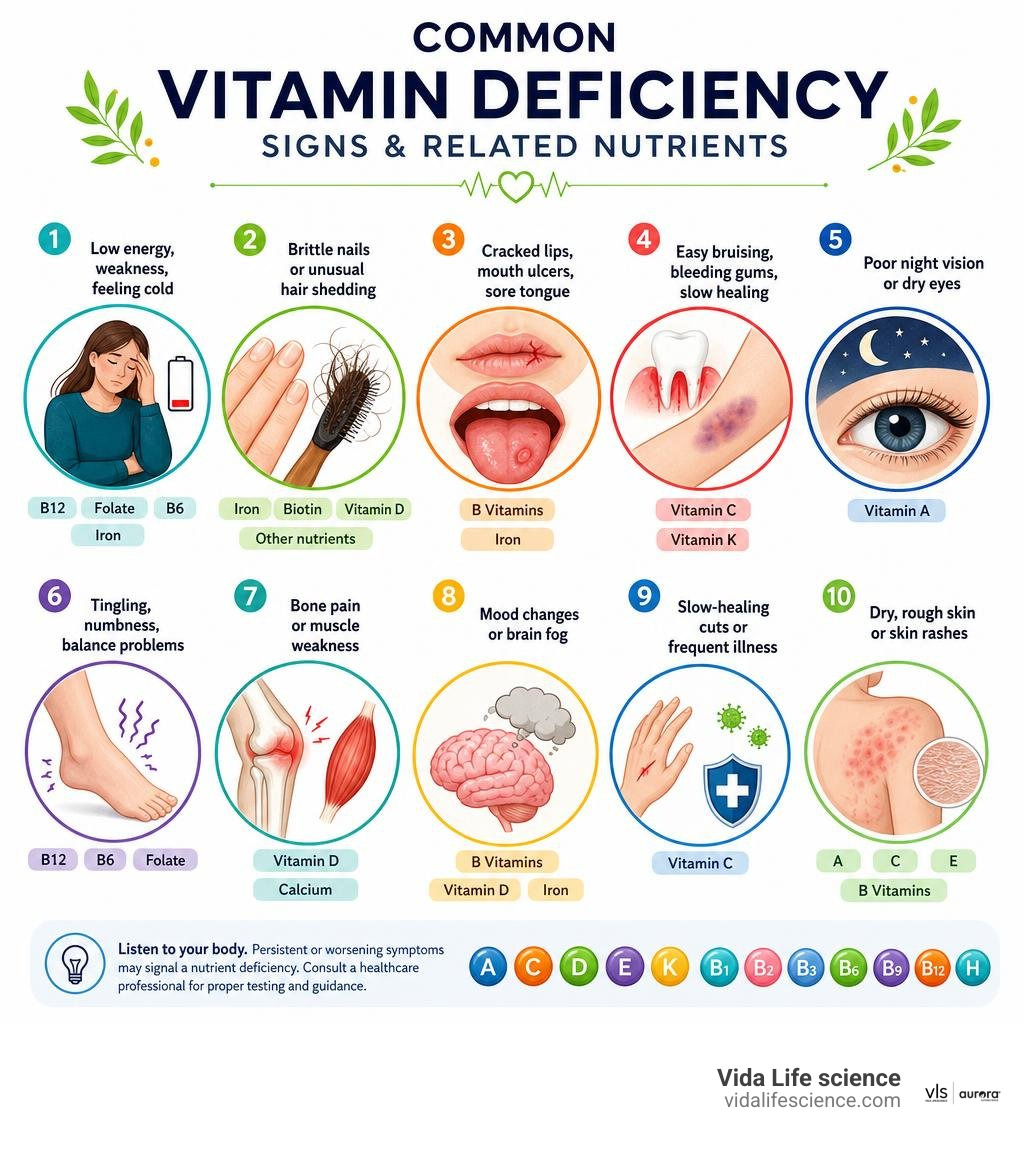
10 Common Vitamin Deficiency Signs You Shouldn't Ignore
Recognizing subtle physical warning signals is the first step toward taking control of your health. Many people experience hidden hunger—a phenomenon where nutrient shortages leave you feeling perpetually tired, sluggish, or prone to intense food cravings even if you consume plenty of calories. Because these symptoms tend to develop slowly over months or even years, it is easy to brush them off as normal signs of stress or getting older.
However, your body is constantly communicating its internal micronutrient status through your skin, hair, mouth, eyes, and energy levels. Let's explore the ten most widespread vitamin deficiency signs so you can identify potential nutrient gaps before they cause serious complications.
1. Chronic Fatigue and Energy Loss as Vitamin Deficiency Signs

Feeling perpetually exhausted even after eight hours of sleep is one of the classic vitamin deficiency signs. When your body lacks key micronutrients, its ability to generate cellular energy and transport oxygen to vital organs becomes compromised.
The primary culprits behind chronic energy loss include:
-
Vitamin B12: Essential for producing healthy red blood cells and maintaining nerve function. A lack of B12 impairs red blood cell formation, leading to vitamin deficiency anemia. Over time, B12 shortage can also impact neurological stability and vascular health. To understand more about how B12 interacts with your circulation, read about B12 Deficiency and Blood Pressure.
-
Folate (Vitamin B9) and Vitamin B6: Like B12, these water-soluble B vitamins are critical for hemoglobin synthesis. Without enough B6 or folate, red blood cells cannot transport oxygen effectively, leaving you cold, dizzy, and short of breath.
-
Iron: While iron is a mineral rather than a vitamin, iron deficiency anemia frequently coexists with vitamin shortages. Nearly 10% of women aged 12 to 49 suffer from low iron, which cripples stamina and cognitive focus.
When oxygen transport drops, your tissues are essentially running on fumes, producing persistent muscle weakness and daily fatigue.
2. Brittle Hair and Excessive Hair Loss
Losing roughly 50 to 100 hair strands a day is completely normal, but waking up to clumps of hair on your pillow or finding your nails snapping at the slightest touch signals a underlying shortfall.
Biotin (vitamin B7) plays a critical role in keratin production, the protective protein that builds your hair, skin, and nails. Although biotin deficiency is relatively rare because gut bacteria naturally produce it, consuming raw egg whites over long periods can induce a shortfall. Raw egg whites contain avidin, a protein that binds strictly to biotin in the gut and prevents its absorption.
Other micronutrient shortfalls tied to severe hair shedding and nail brittleness include:
-
Vitamin D: Helps stimulate old and new hair follicles. Low levels are frequently linked to diffuse hair thinning.
-
Iron and Niacin (B3): Deprived scalp circulation starves follicles of essential fuel.
It is worth noting that self-prescribing hair supplements can backfire. Consuming excess amounts of vitamin A or selenium when you are not deficient can actually trigger or worsen hair loss. If you are seeking targeted female health strategies, check out our guide on Essential Supplements for Women.
3. Mouth Ulcers and Cracked Lips
If you frequently suffer from painful canker sores inside your mouth or painful cracks at the corners of your lips, your body may be signaling a shortage of B-complex vitamins or iron.
Cracking, redness, or bleeding at the corners of the mouth is clinically known as angular cheilitis. This uncomfortable condition is frequently tied to insufficient levels of riboflavin (vitamin B2), thiamine (vitamin B1), pyridoxine (vitamin B6), and iron. In fact, research shows that nearly 28% of patients presenting with recurring mouth ulcers have underlying deficiencies in thiamine, riboflavin, or B6.
Furthermore, low levels of B vitamins and iron can cause glossitis—a condition where the tongue becomes swollen, smooth, red, and tender to the touch. Incorporating enriched grains, poultry, eggs, dark leafy greens, and legumes into your meals helps restore these vital water-soluble nutrients.
4. Bleeding Gums and Slow Wound Healing
Do your gums bleed easily when you brush or floss, despite maintaining impeccable dental hygiene? Weak, spongy, or swollen purple gums are classic vitamin deficiency signs pointing straight to vitamin C shortfall.
Vitamin C functions as the cellular "cement" of the human body. It is vital for collagen synthesis, the essential structural framework that strengthens skin, blood vessels, bone tissue, and gum cartilage. Without sufficient vitamin C:
- Capillaries lose their elasticity and rupture easily, causing unexplained skin bruising and perifollicular hemorrhage (bright red spots around hair follicles).
- Minor cuts and scrapes take weeks to close, and in severe cases of scurvy, old healed wounds can actually reopen.
- Tissue repair stalls, leading to joint swelling, weak bones, and loose teeth.
Because human bodies cannot synthesize or store large amounts of vitamin C, regular daily intake is required. To read a detailed clinical breakdown of this condition, review the Vitamin C Deficiency Overview.
5. Night Blindness and Visual Changes
Struggling to navigate in dim light or finding it difficult to drive safely after dusk are major red flags for vitamin A deficiency.
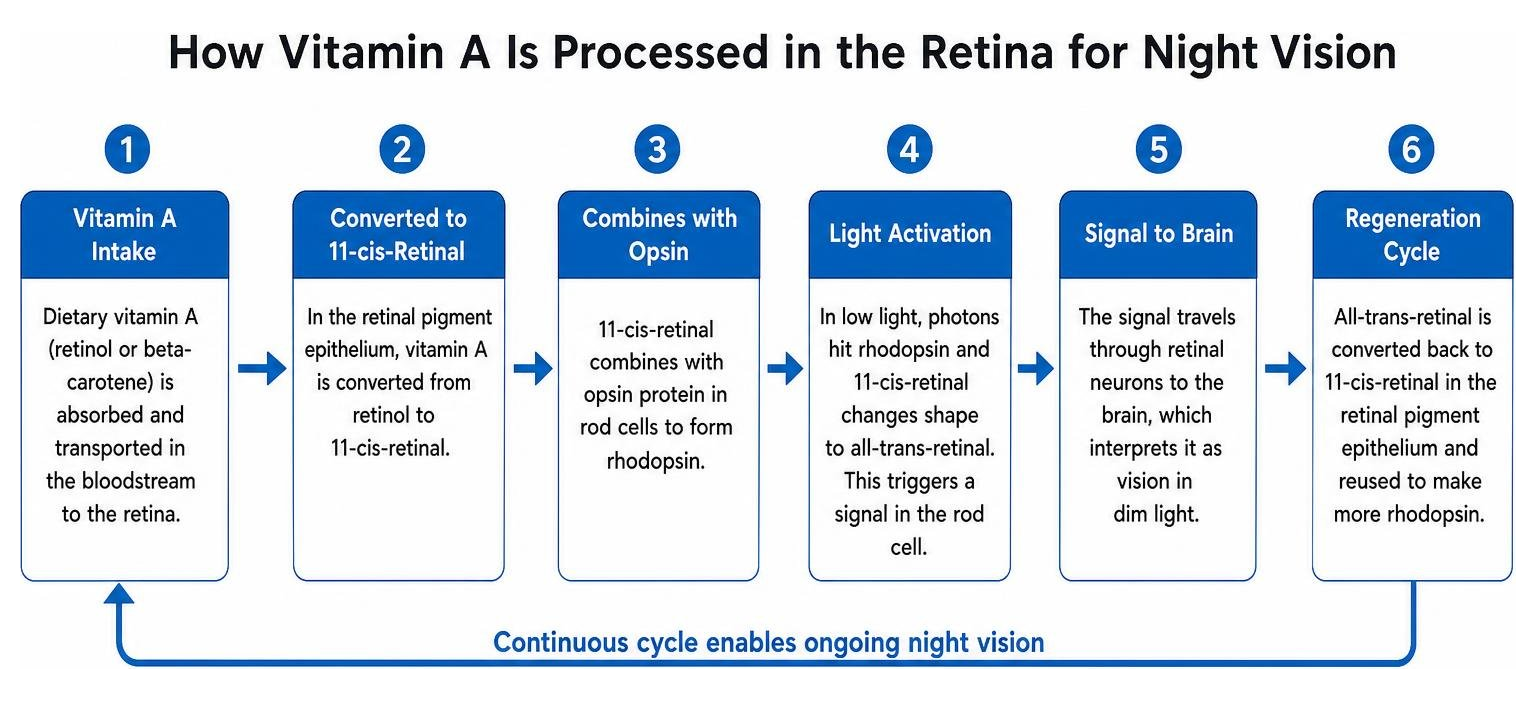
Vitamin A is necessary to produce rhodopsin, a pigment found in the retinas of your eyes that allows you to see in low-light environments. When vitamin A levels drop significantly, night vision deteriorates rapidly.
If left untreated, severe vitamin A deficiency leads to xerophthalmia, a progressive condition that damages the cornea and can result in permanent blindness. Early physical indicators of xerophthalmia include dry, irritated eyes and Bitot's spots—foamy, elevated white growths on the conjunctiva (the white part of the eye).
Globally, vitamin A deficiency remains a major public health crisis, causing preventable childhood blindness in 250,000 to 500,000 children every year. In developed nations like the U.S., roughly 45% of the population fails to meet average daily dietary recommendations for vitamin A, underscoring the importance of consuming orange and yellow vegetables, dark greens, and organ meats.
6. Numbness and Tingling as Neurological Vitamin Deficiency Signs
Unexplained "pins and needles" sensations in your hands, feet, or legs are serious neurological vitamin deficiency signs that should never be ignored.
Vitamins B6, B9 (folate), and B12 are fundamental for maintaining healthy nerve cells and constructing the protective myelin sheath that covers your peripheral nerves. When B12 levels remain low over extended periods, peripheral neuropathy develops. You may experience:
- Persistent numbness or burning sensations in your fingers and toes
- Frequent loss of balance, unsteadiness while walking, or awkward coordination
- Muscle weakness and facial twitches
These nerve disruptions occur because the nervous system struggles to transmit position signals accurately to the brain. Because B12 liver reserves can take up to three years to fully deplete, these symptoms usually creep up slowly. To learn more about identifying these warnings early, explore 6 Signs of Nutrient Deficiency.
7. Scaly Skin Patches and Keratosis Pilaris
Your skin is a dynamic canvas that reflects internal nutritional harmony. When essential vitamins are lacking, dermatological issues frequently flare up.
Two common skin conditions linked to nutrient shortfalls include:
-
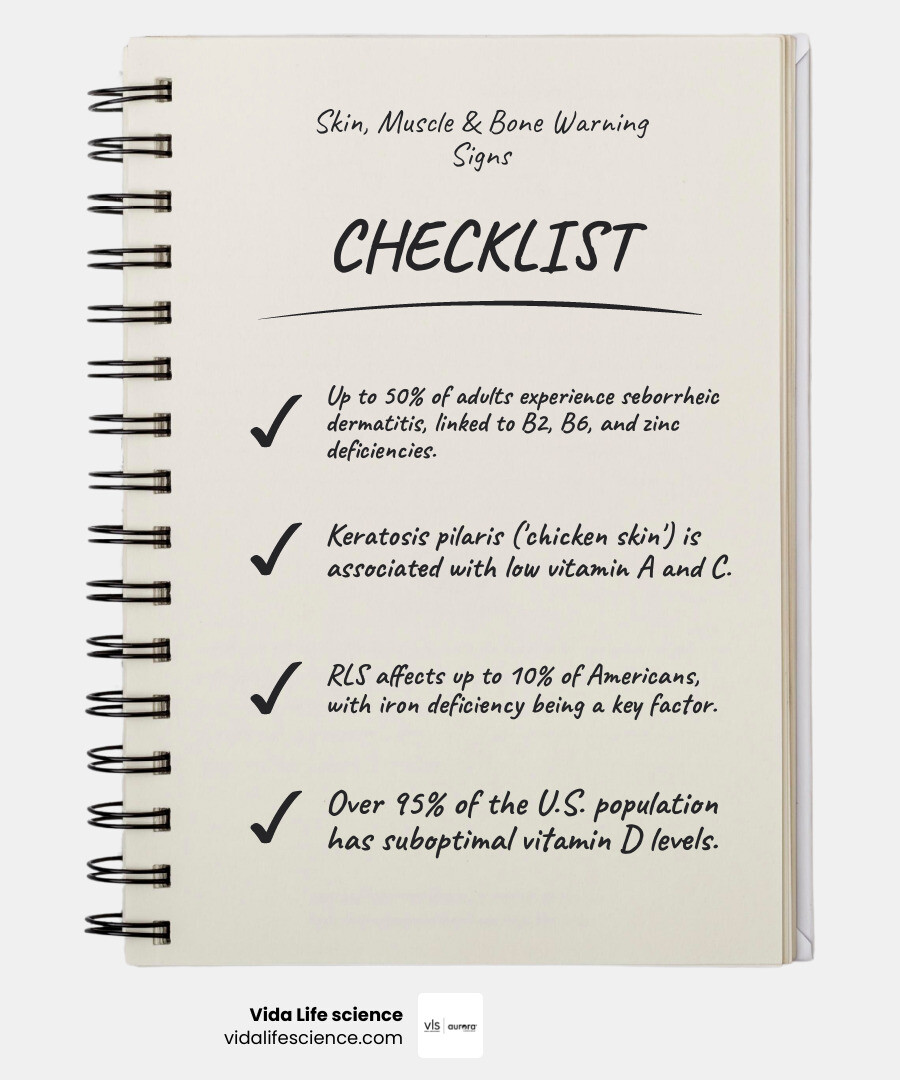
Seborrheic Dermatitis (Dandruff & Scaly Patches): Up to 50% of adults experience scaly, itchy patches on the scalp, face, chest, or ears. While seborrheic dermatitis has multiple triggers, it is closely linked to deficiencies in riboflavin (vitamin B2), pyridoxine (vitamin B6), and zinc.
-
Keratosis Pilaris ("Chicken Skin"): This harmless condition causes small red or white bumps to appear on the upper arms, thighs, or cheeks. These bumps occur when keratin builds up inside hair follicles. Keratosis pilaris is frequently associated with inadequate dietary intake of vitamin A and vitamin C.
Addressing these skin conditions requires a combination of gentle topical care and dietary enrichment with healthy fats, colorful vegetables, and B-complex vitamins.
8. Restless Leg Syndrome and Muscle Cramps
Restless Leg Syndrome (RLS) is a neurological disorder characterized by an uncomfortable, irresistible urge to move the legs when resting or trying to fall asleep. It affects up to 10% of Americans, with women being twice as likely to experience the condition.
While RLS has several physiological factors, low iron levels in the blood and brain are directly tied to its frequency and severity. Pregnant women frequently experience temporary RLS due to rapid iron depletion.
Beyond iron, muscle health relies on a precise balance of minerals and vitamins:
-
Magnesium and Calcium: Regulate muscle contraction and nerve relaxation. Shortages can trigger sudden nocturnal calf cramps, eye twitches, or cardiac arrhythmias.
-
Vitamin D: Supports calcium absorption. Low vitamin D compromises muscle tissue function, causing deep aches and persistent weakness.
9. Bone Pain and Weakened Immunity
If you suffer from deep, aching bone discomfort that resembles childhood growing pains, or if you catch every cold circulating through your office, your vitamin D levels may be dangerously low.
Vitamin D is a fat-soluble secosteroid hormone that enables your small intestine to absorb calcium and phosphorus. Without adequate vitamin D, your body can only absorb 10% to 15% of dietary calcium, forcing it to leach calcium directly from your skeleton to maintain critical blood levels.
In children, severe vitamin D deficiency causes rickets, leading to soft, bowed bones. In adults, it results in osteomalacia (bone softening) and accelerates osteoporosis, dramatically increasing fracture risks.
Furthermore, vitamin D acts as a primary modulator of immune defense. Over 95% of the U.S. population falls short of optimal vitamin D levels, leaving millions vulnerable to frequent infections and seasonal illness. To understand how your body's processing of this crucial hormone evolves over time, read about whether Does Vitamin D Decline As We Get Older.
10. Mood Changes, Confusion, and Brain Fog
Micronutrient gaps don't just affect physical tissues—they profoundly impact mental clarity, emotional balance, and cognitive processing speed.
B-complex vitamins (especially thiamine, B6, folate, and B12) are critical cofactors in synthesizing mood-regulating neurotransmitters like serotonin, dopamine, and GABA. When these nutrient levels dip:
-
Irritability and Low Mood: Low B6 and folate levels are clinically linked to increased risks of depression and anxiety.
-
Cognitive Confusion and Memory Gaps: Severe B12 deficiency can mimic early-stage dementia in older adults, causing disorientation, memory loss, and severe brain fog.
-
Apathy and Irritability: Early vitamin C and thiamine deficiencies present as unexplained fatigue, listlessness, and low frustration tolerance within weeks of onset.
Optimizing micronutrient intake is a vital component of supporting long-term neurological vigor and emotional resilience. For men interested in tailored wellness solutions, check out our guide on Essential Supplements for Men.
Root Causes Beyond Poor Diet and Potential Complications
While consuming a diet heavy in processed foods and light in fresh produce is a major contributor to nutritional gaps, poor diet is far from the only cause. Many individuals experience primary or secondary deficiencies despite eating well-balanced meals every day.
Understanding the root cause of your nutrient shortfall is essential for choosing the right recovery strategy.
Intestinal Malabsorption and Underlying Health Conditions
Secondary vitamin deficiency occurs when your body receives adequate vitamins from food but cannot properly absorb or process them in the digestive tract.
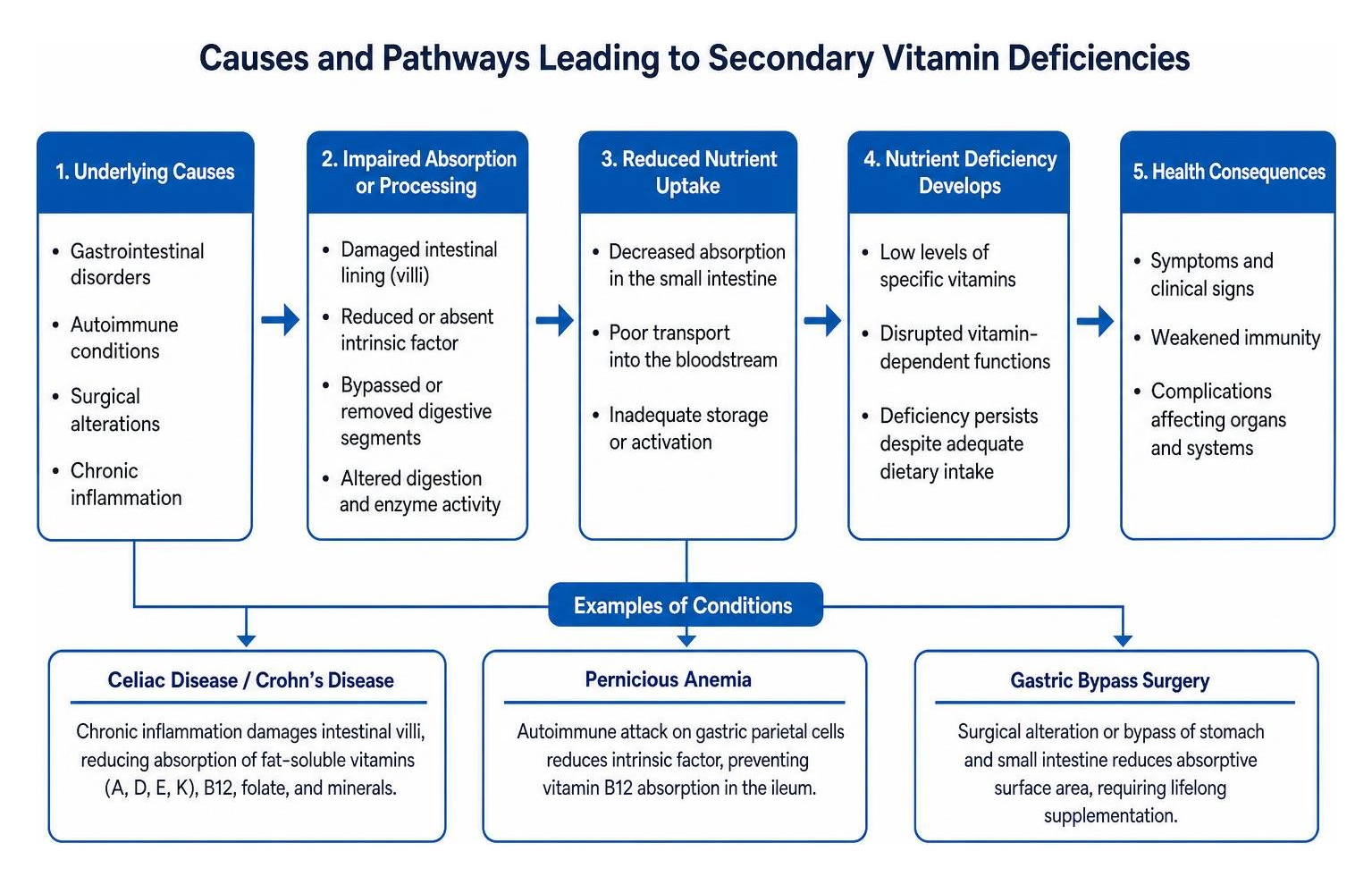
Key gastrointestinal and autoimmune conditions that interfere with nutrient absorption include:
-
Celiac Disease and Crohn’s Disease: Chronic inflammation in the small intestine destroys villi—the tiny finger-like projections responsible for absorbing fat-soluble vitamins (A, D, E, K), B12, folate, and minerals. Learn more about how gastrointestinal disorders impact micronutrient status by reading From Crohns to Celiac Diseases That Cause Low Vitamin D.
-
Pernicious Anemia: An autoimmune disorder where the immune system attacks gastric parietal cells. These cells produce intrinsic factor, a indispensable protein required for B12 absorption in the ileum.
-
Gastric Bypass Surgery: Bariatric procedures alter or bypass portions of the stomach and small intestine, dramatically reducing the surface area available for nutrient uptake and requiring lifelong specialized supplementation.
Medications, Alcohol Use, and Aging Factors
In addition to gastrointestinal disease, everyday lifestyle factors and essential prescription drugs can block nutrient uptake:
-
Prescription Medications: Metformin (a common type 2 diabetes drug) and proton-pump inhibitors (PPIs used for acid reflux) significantly impair stomach acid production, blocking B12 breakdown from food proteins. Diuretics can increase the urinary excretion of water-soluble vitamins like B6 and C.
-
Alcohol Misuse: Chronic alcohol consumption damages the intestinal lining, inhibits pancreatic enzyme production, and severely impairs thiamine (B1), folate, and pyridoxine absorption, leading to dangerous neurological disorders like Wernicke-Korsakoff syndrome.
-
Aging Factors: As we age, gastric acid production naturally declines (atrophic gastritis), reducing our ability to extract bound B12 and minerals from whole foods.
If left unmanaged, persistent deficiencies can lead to severe long-term complications, including permanent peripheral nerve damage, elevated cardiovascular risk, reduced bone mass, and increased risk of stomach or intestinal cancers associated with pernicious anemia. For a broader overview of conditions and clinical risks, see Vitamin Deficiency Types, Symptoms, Diagnosis.
How Vitamin Deficiencies Are Diagnosed, Treated, and Prevented

Addressing suspected nutritional gaps requires a clinical approach rather than guessing in the supplement aisle.
Diagnostic Testing and Medical Evaluation
Because symptoms like fatigue, hair shedding, and brain fog overlap across dozens of medical conditions, self-diagnosing can lead to ineffective or even unsafe supplement choices.
A primary care physician can evaluate your micronutrient status using targeted diagnostic tools:
-
Complete Blood Count (CBC): Measures red blood cell volume and hemoglobin to check for megaloblastic or microcytic anemia.
-
Serum Vitamin Panels: Direct quantitative blood tests evaluating serum B12, 25-hydroxy vitamin D, folate, ferritin (iron storage), vitamin A, and vitamin C levels.
-
Urinalysis and Biomarker Assays: Assesses metabolic byproducts like methylmalonic acid (MMA) or homocysteine, which rise when B12 or folate levels are functionally low.
Targeted Dietary Changes and Superior Bioavailability Supplementation
Once a shortfall is diagnosed, treatment involves a two-pronged strategy: optimizing your diet with nutrient-dense whole foods and using targeted supplementation to restore depleted body stores.
However, standard oral supplements pose a challenge for individuals dealing with intestinal malabsorption, low stomach acid, or digestive sensitivity. Standard capsules and tablets must navigate harsh stomach acids and digestive enzymes, where much of the active nutrient content can be destroyed or left unabsorbed.
This is where liposomal delivery technology provides a major breakdown barrier advantage. Liposomes are microscopic, double-layered phospholipid spheres—identical to the structure of human cell membranes—that encapsulate active nutrients.
This protective phospholipid layer safeguards nutrients from digestive breakdown and facilitates direct absorption through the intestinal wall into the bloodstream and target cells.
| Nutrient Delivery Method |
Digestive Breakdown Risk |
Intestinal Uptake Efficiency |
Ideal For |
| Standard Oral Capsules / Tablets |
High (degraded by stomach acid & enzymes) |
Moderate to Low (dependent on digestive health) |
Healthy individuals with optimal digestion |
| Dietary Whole Foods |
Moderate (requires robust stomach acid) |
Variable (bound to food matrix cofactors) |
Everyday nutritional maintenance |
| Liposomal Delivery Supplements (Vida Lifescience / Aurora Nutrascience) |
Minimal (protected inside phospholipid spheres) |
Superior (bypasses digestion barriers for direct cell entry) |
Individuals seeking high bioavailability or managing malabsorption |
At Vida Life Science, as the exclusive distributor of Aurora Nutrascience, we utilize advanced liposomal delivery technology to ensure maximum nutrient bioavailability. Whether you are replenishing liposomal vitamin C to protect collagen structures or supporting overall cellular health, choosing high-absorption formulations helps yield optimal results.
Always coordinate with your doctor to establish appropriate therapeutic dosages and prevent high-dose toxicity, particularly with fat-soluble vitamins (A, D, E, and K).
Frequently Asked Questions About Vitamin Deficiencies
How do doctors test for specific vitamin shortages?
Healthcare providers evaluate vitamin levels primarily through specialized blood tests. Common evaluations include a Complete Blood Count (CBC) to inspect red blood cell size and concentration, serum panels measuring specific circulating vitamins (such as 25-hydroxy vitamin D, vitamin B12, or vitamin C), and ferritin tests to evaluate iron stores. In some cases, specialized urinalysis or functional metabolic testing (like checking methylmalonic acid levels) is ordered to detect early cellular shortages before total serum levels crash.
What is the most common vitamin deficiency in the world?
Globally, vitamin A deficiency is recognized by the World Health Organization as the most widespread vitamin shortfall, affecting millions of young children and pregnant women in developing regions and causing between 250,000 and 500,000 cases of childhood blindness every year. In North America, vitamin D deficiency and subclinical insufficiency are exceptionally common, impacting up to 95% of the U.S. population due to indoor lifestyles and limited sun exposure. Iron deficiency also remains the most common mineral shortfall worldwide.
When should you see a doctor for potential deficiency symptoms?
You should schedule an appointment with a primary care doctor if you experience persistent or unexplained physical changes, such as ongoing fatigue that rest doesn't fix, tingling or numbness in your hands and feet, unsteadiness while walking, severe hair shedding, frequent mouth ulcers, easy bruising, or changes in night vision. A medical professional can order precise blood work, rule out underlying gastrointestinal or thyroid conditions, and recommend an accurate, safe treatment plan.
Conclusion
Recognizing vitamin deficiency signs is essential for maintaining long-term vitality, mental clarity, and physical strength. Your body continuously provides clear feedback—from the texture of your hair and clarity of your skin to your daily stamina and emotional resilience.
If you suspect you are falling short on essential micronutrients, avoid the "supplement guessing game." Schedule a simple routine blood test with your healthcare provider to pinpoint your exact nutritional profile. By combining a diverse whole-food diet, healthy lifestyle habits, and highly bioavailable supplements when extra support is needed, you can correct deficiencies early and enjoy optimal wellness.
To explore more insightful guidance on recognizing bodily warning signs and supporting your health, read our full article on Signs of Vitamin Deficiencies.


10 Signs You Have a Vitamin Deficiency
Why Vitamin Deficiency Signs Are Easy to Miss
Vitamin deficiency signs can include ongoing fatigue, hair or nail changes, mouth sores, bleeding gums, numbness or tingling, slow-healing cuts, bone pain, and trouble seeing in low light. These symptoms can have many causes, but persistent or worsening changes deserve medical attention and targeted testing.
Your body needs 13 essential vitamins in small amounts, but the effects of falling short can be large. A deficiency may happen because of diet, but it can also stem from digestion problems, certain medicines, alcohol use, aging, or surgery that changes nutrient absorption.
Vida Life Science is a U.S.-based distributor focused on high-quality, non-GMO liposomal nutrients, including vitamin C and other wellness supplements designed to support bioavailability. Our work in advanced nutrient delivery informs this guide to vitamin deficiency signs and the questions worth bringing to a healthcare professional.
10 Common Vitamin Deficiency Signs You Shouldn't Ignore
Recognizing subtle physical warning signals is the first step toward taking control of your health. Many people experience hidden hunger—a phenomenon where nutrient shortages leave you feeling perpetually tired, sluggish, or prone to intense food cravings even if you consume plenty of calories. Because these symptoms tend to develop slowly over months or even years, it is easy to brush them off as normal signs of stress or getting older.
However, your body is constantly communicating its internal micronutrient status through your skin, hair, mouth, eyes, and energy levels. Let's explore the ten most widespread vitamin deficiency signs so you can identify potential nutrient gaps before they cause serious complications.
1. Chronic Fatigue and Energy Loss as Vitamin Deficiency Signs
Feeling perpetually exhausted even after eight hours of sleep is one of the classic vitamin deficiency signs. When your body lacks key micronutrients, its ability to generate cellular energy and transport oxygen to vital organs becomes compromised.
The primary culprits behind chronic energy loss include:
When oxygen transport drops, your tissues are essentially running on fumes, producing persistent muscle weakness and daily fatigue.
2. Brittle Hair and Excessive Hair Loss
Losing roughly 50 to 100 hair strands a day is completely normal, but waking up to clumps of hair on your pillow or finding your nails snapping at the slightest touch signals a underlying shortfall.
Biotin (vitamin B7) plays a critical role in keratin production, the protective protein that builds your hair, skin, and nails. Although biotin deficiency is relatively rare because gut bacteria naturally produce it, consuming raw egg whites over long periods can induce a shortfall. Raw egg whites contain avidin, a protein that binds strictly to biotin in the gut and prevents its absorption.
Other micronutrient shortfalls tied to severe hair shedding and nail brittleness include:
It is worth noting that self-prescribing hair supplements can backfire. Consuming excess amounts of vitamin A or selenium when you are not deficient can actually trigger or worsen hair loss. If you are seeking targeted female health strategies, check out our guide on Essential Supplements for Women.
3. Mouth Ulcers and Cracked Lips
If you frequently suffer from painful canker sores inside your mouth or painful cracks at the corners of your lips, your body may be signaling a shortage of B-complex vitamins or iron.
Cracking, redness, or bleeding at the corners of the mouth is clinically known as angular cheilitis. This uncomfortable condition is frequently tied to insufficient levels of riboflavin (vitamin B2), thiamine (vitamin B1), pyridoxine (vitamin B6), and iron. In fact, research shows that nearly 28% of patients presenting with recurring mouth ulcers have underlying deficiencies in thiamine, riboflavin, or B6.
Furthermore, low levels of B vitamins and iron can cause glossitis—a condition where the tongue becomes swollen, smooth, red, and tender to the touch. Incorporating enriched grains, poultry, eggs, dark leafy greens, and legumes into your meals helps restore these vital water-soluble nutrients.
4. Bleeding Gums and Slow Wound Healing
Do your gums bleed easily when you brush or floss, despite maintaining impeccable dental hygiene? Weak, spongy, or swollen purple gums are classic vitamin deficiency signs pointing straight to vitamin C shortfall.
Vitamin C functions as the cellular "cement" of the human body. It is vital for collagen synthesis, the essential structural framework that strengthens skin, blood vessels, bone tissue, and gum cartilage. Without sufficient vitamin C:
Because human bodies cannot synthesize or store large amounts of vitamin C, regular daily intake is required. To read a detailed clinical breakdown of this condition, review the Vitamin C Deficiency Overview.
5. Night Blindness and Visual Changes
Struggling to navigate in dim light or finding it difficult to drive safely after dusk are major red flags for vitamin A deficiency.
Vitamin A is necessary to produce rhodopsin, a pigment found in the retinas of your eyes that allows you to see in low-light environments. When vitamin A levels drop significantly, night vision deteriorates rapidly.
If left untreated, severe vitamin A deficiency leads to xerophthalmia, a progressive condition that damages the cornea and can result in permanent blindness. Early physical indicators of xerophthalmia include dry, irritated eyes and Bitot's spots—foamy, elevated white growths on the conjunctiva (the white part of the eye).
Globally, vitamin A deficiency remains a major public health crisis, causing preventable childhood blindness in 250,000 to 500,000 children every year. In developed nations like the U.S., roughly 45% of the population fails to meet average daily dietary recommendations for vitamin A, underscoring the importance of consuming orange and yellow vegetables, dark greens, and organ meats.
6. Numbness and Tingling as Neurological Vitamin Deficiency Signs
Unexplained "pins and needles" sensations in your hands, feet, or legs are serious neurological vitamin deficiency signs that should never be ignored.
Vitamins B6, B9 (folate), and B12 are fundamental for maintaining healthy nerve cells and constructing the protective myelin sheath that covers your peripheral nerves. When B12 levels remain low over extended periods, peripheral neuropathy develops. You may experience:
These nerve disruptions occur because the nervous system struggles to transmit position signals accurately to the brain. Because B12 liver reserves can take up to three years to fully deplete, these symptoms usually creep up slowly. To learn more about identifying these warnings early, explore 6 Signs of Nutrient Deficiency.
7. Scaly Skin Patches and Keratosis Pilaris
Your skin is a dynamic canvas that reflects internal nutritional harmony. When essential vitamins are lacking, dermatological issues frequently flare up.
Two common skin conditions linked to nutrient shortfalls include:
Addressing these skin conditions requires a combination of gentle topical care and dietary enrichment with healthy fats, colorful vegetables, and B-complex vitamins.
8. Restless Leg Syndrome and Muscle Cramps
Restless Leg Syndrome (RLS) is a neurological disorder characterized by an uncomfortable, irresistible urge to move the legs when resting or trying to fall asleep. It affects up to 10% of Americans, with women being twice as likely to experience the condition.
While RLS has several physiological factors, low iron levels in the blood and brain are directly tied to its frequency and severity. Pregnant women frequently experience temporary RLS due to rapid iron depletion.
Beyond iron, muscle health relies on a precise balance of minerals and vitamins:
9. Bone Pain and Weakened Immunity
If you suffer from deep, aching bone discomfort that resembles childhood growing pains, or if you catch every cold circulating through your office, your vitamin D levels may be dangerously low.
Vitamin D is a fat-soluble secosteroid hormone that enables your small intestine to absorb calcium and phosphorus. Without adequate vitamin D, your body can only absorb 10% to 15% of dietary calcium, forcing it to leach calcium directly from your skeleton to maintain critical blood levels.
In children, severe vitamin D deficiency causes rickets, leading to soft, bowed bones. In adults, it results in osteomalacia (bone softening) and accelerates osteoporosis, dramatically increasing fracture risks.
Furthermore, vitamin D acts as a primary modulator of immune defense. Over 95% of the U.S. population falls short of optimal vitamin D levels, leaving millions vulnerable to frequent infections and seasonal illness. To understand how your body's processing of this crucial hormone evolves over time, read about whether Does Vitamin D Decline As We Get Older.
10. Mood Changes, Confusion, and Brain Fog
Micronutrient gaps don't just affect physical tissues—they profoundly impact mental clarity, emotional balance, and cognitive processing speed.
B-complex vitamins (especially thiamine, B6, folate, and B12) are critical cofactors in synthesizing mood-regulating neurotransmitters like serotonin, dopamine, and GABA. When these nutrient levels dip:
Optimizing micronutrient intake is a vital component of supporting long-term neurological vigor and emotional resilience. For men interested in tailored wellness solutions, check out our guide on Essential Supplements for Men.
Root Causes Beyond Poor Diet and Potential Complications
While consuming a diet heavy in processed foods and light in fresh produce is a major contributor to nutritional gaps, poor diet is far from the only cause. Many individuals experience primary or secondary deficiencies despite eating well-balanced meals every day.
Understanding the root cause of your nutrient shortfall is essential for choosing the right recovery strategy.
Intestinal Malabsorption and Underlying Health Conditions
Secondary vitamin deficiency occurs when your body receives adequate vitamins from food but cannot properly absorb or process them in the digestive tract.
Key gastrointestinal and autoimmune conditions that interfere with nutrient absorption include:
Medications, Alcohol Use, and Aging Factors
In addition to gastrointestinal disease, everyday lifestyle factors and essential prescription drugs can block nutrient uptake:
If left unmanaged, persistent deficiencies can lead to severe long-term complications, including permanent peripheral nerve damage, elevated cardiovascular risk, reduced bone mass, and increased risk of stomach or intestinal cancers associated with pernicious anemia. For a broader overview of conditions and clinical risks, see Vitamin Deficiency Types, Symptoms, Diagnosis.
How Vitamin Deficiencies Are Diagnosed, Treated, and Prevented
Addressing suspected nutritional gaps requires a clinical approach rather than guessing in the supplement aisle.
Diagnostic Testing and Medical Evaluation
Because symptoms like fatigue, hair shedding, and brain fog overlap across dozens of medical conditions, self-diagnosing can lead to ineffective or even unsafe supplement choices.
A primary care physician can evaluate your micronutrient status using targeted diagnostic tools:
Targeted Dietary Changes and Superior Bioavailability Supplementation
Once a shortfall is diagnosed, treatment involves a two-pronged strategy: optimizing your diet with nutrient-dense whole foods and using targeted supplementation to restore depleted body stores.
However, standard oral supplements pose a challenge for individuals dealing with intestinal malabsorption, low stomach acid, or digestive sensitivity. Standard capsules and tablets must navigate harsh stomach acids and digestive enzymes, where much of the active nutrient content can be destroyed or left unabsorbed.
This is where liposomal delivery technology provides a major breakdown barrier advantage. Liposomes are microscopic, double-layered phospholipid spheres—identical to the structure of human cell membranes—that encapsulate active nutrients.
This protective phospholipid layer safeguards nutrients from digestive breakdown and facilitates direct absorption through the intestinal wall into the bloodstream and target cells.
At Vida Life Science, as the exclusive distributor of Aurora Nutrascience, we utilize advanced liposomal delivery technology to ensure maximum nutrient bioavailability. Whether you are replenishing liposomal vitamin C to protect collagen structures or supporting overall cellular health, choosing high-absorption formulations helps yield optimal results.
Always coordinate with your doctor to establish appropriate therapeutic dosages and prevent high-dose toxicity, particularly with fat-soluble vitamins (A, D, E, and K).
Frequently Asked Questions About Vitamin Deficiencies
How do doctors test for specific vitamin shortages?
Healthcare providers evaluate vitamin levels primarily through specialized blood tests. Common evaluations include a Complete Blood Count (CBC) to inspect red blood cell size and concentration, serum panels measuring specific circulating vitamins (such as 25-hydroxy vitamin D, vitamin B12, or vitamin C), and ferritin tests to evaluate iron stores. In some cases, specialized urinalysis or functional metabolic testing (like checking methylmalonic acid levels) is ordered to detect early cellular shortages before total serum levels crash.
What is the most common vitamin deficiency in the world?
Globally, vitamin A deficiency is recognized by the World Health Organization as the most widespread vitamin shortfall, affecting millions of young children and pregnant women in developing regions and causing between 250,000 and 500,000 cases of childhood blindness every year. In North America, vitamin D deficiency and subclinical insufficiency are exceptionally common, impacting up to 95% of the U.S. population due to indoor lifestyles and limited sun exposure. Iron deficiency also remains the most common mineral shortfall worldwide.
When should you see a doctor for potential deficiency symptoms?
You should schedule an appointment with a primary care doctor if you experience persistent or unexplained physical changes, such as ongoing fatigue that rest doesn't fix, tingling or numbness in your hands and feet, unsteadiness while walking, severe hair shedding, frequent mouth ulcers, easy bruising, or changes in night vision. A medical professional can order precise blood work, rule out underlying gastrointestinal or thyroid conditions, and recommend an accurate, safe treatment plan.
Conclusion
Recognizing vitamin deficiency signs is essential for maintaining long-term vitality, mental clarity, and physical strength. Your body continuously provides clear feedback—from the texture of your hair and clarity of your skin to your daily stamina and emotional resilience.
If you suspect you are falling short on essential micronutrients, avoid the "supplement guessing game." Schedule a simple routine blood test with your healthcare provider to pinpoint your exact nutritional profile. By combining a diverse whole-food diet, healthy lifestyle habits, and highly bioavailable supplements when extra support is needed, you can correct deficiencies early and enjoy optimal wellness.
To explore more insightful guidance on recognizing bodily warning signs and supporting your health, read our full article on Signs of Vitamin Deficiencies.