What Is Biotin (Vitamin B7) and How Does It Function?
The primary biological benefits of biotin vitamin (vitamin B7) center on cellular energy production, macronutrient metabolism, and fatty acid synthesis. Rather than acting as a miracle beauty cure-all, biotin is an essential metabolic cofactor that enables key enzymes to convert dietary carbohydrates, fats, and proteins into usable cellular energy (ATP) while supporting nervous system integrity and gene expression. While routine megadoses offer little proven aesthetic boost to healthy adults with sufficient intake, maintaining adequate biotin is vital for metabolic function and targeted clinical recovery.
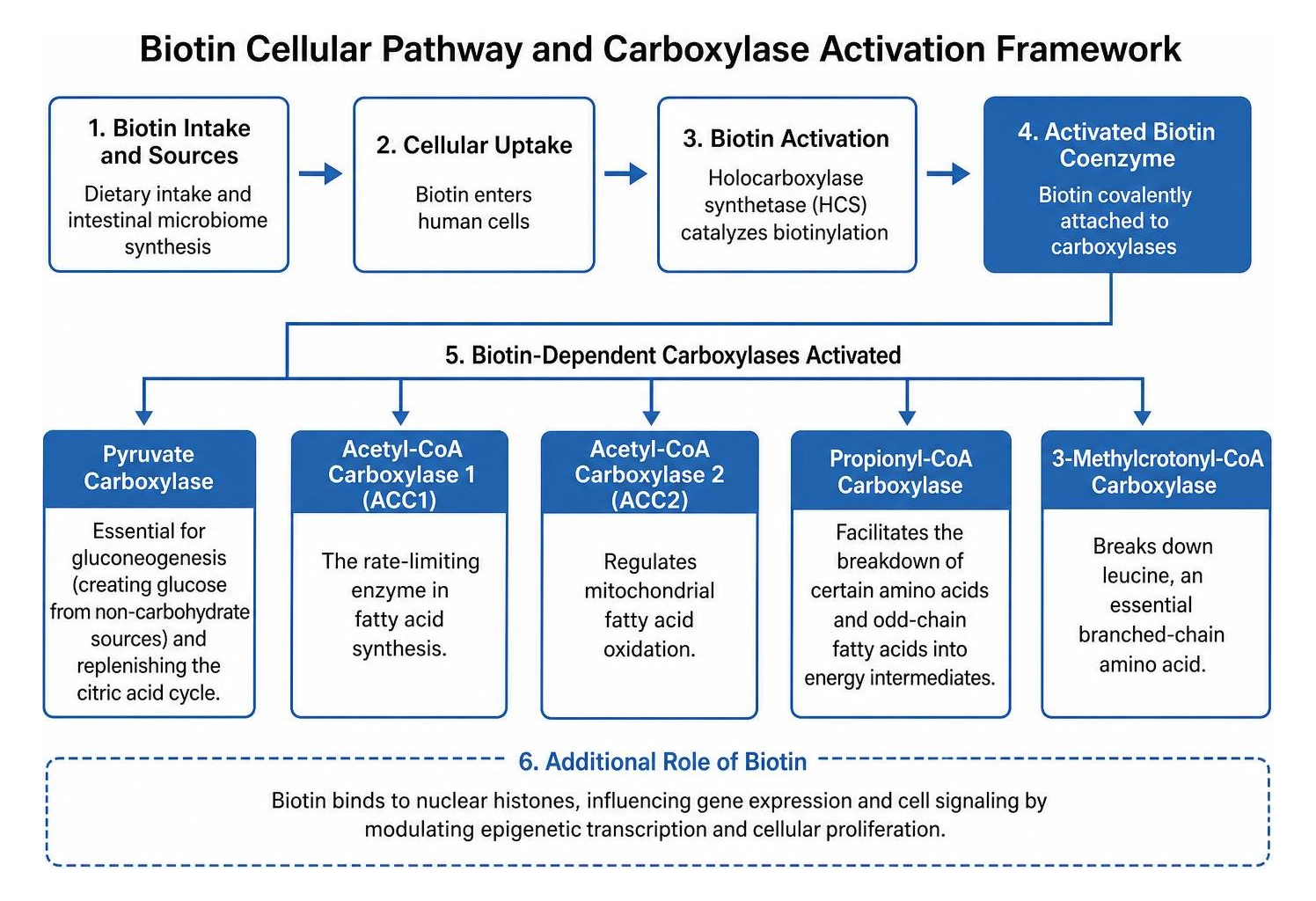
Because the human body cannot manufacture this water-soluble B-complex vitamin from scratch, we rely on daily dietary intake and intestinal microbiome synthesis to maintain optimal physiological levels.
At a molecular level, biotin functions as an indispensable coenzyme cofactor for five carboxylase enzymes in human metabolism:
-
Pyruvate carboxylase: Essential for gluconeogenesis (creating glucose from non-carbohydrate sources) and replenishing the citric acid cycle.
-
Acetyl-CoA carboxylase 1 (ACC1): The rate-limiting enzyme in fatty acid synthesis.
-
Acetyl-CoA carboxylase 2 (ACC2): Regulates mitochondrial fatty acid oxidation.
-
Propionyl-CoA carboxylase: Facilitates the breakdown of certain amino acids and odd-chain fatty acids into energy intermediates.
-
3-Methylcrotonyl-CoA carboxylase: Breaks down leucine, an essential branched-chain amino acid.
As detailed in clinical literature regarding biotin pharmacology and cellular mechanisms, biotinylation—the process of covalently attaching biotin to these carboxylases—is catalyzed by the enzyme holocarboxylase synthetase. Beyond its classic enzymatic roles, biotin also influences gene expression and cell signaling by binding to nuclear histones, modulating epigenetic transcription and cellular proliferation.
The primary health benefit of biotin is supporting foundational cellular energy production. Without sufficient biotin, your body cannot efficiently convert carbohydrates, dietary lipids, and dietary proteins into adenosine triphosphate (ATP)—the primary energy currency of human cells.
When you consume carbohydrates, biotin-dependent enzymes help convert pyruvate into oxaloacetate, fueling the production of glucose to sustain brain function and muscular activity. In fatty acid metabolism, biotin enables the construction of cellular membranes and myelin sheaths that insulate nerve fibers throughout the nervous system.
When sustained energy is the primary goal, broad B-vitamin synergy matters. Formulas such as Aurora Nutrascience B-Complex Energy Focus combine B7 alongside co-factors like B12, folate, and B6 to ensure complete metabolic enzyme activation across organ systems.
Proven Biological and Health Benefits of Biotin Vitamin
While beauty marketing often focuses entirely on aesthetics, legitimate clinical applications for biotin are grounded in physiology. A comprehensive Cleveland Clinic biotin benefits overview highlights several research-backed areas:
-
Blood Glucose and Glycemic Regulation: Emerging clinical studies suggest that biotin acts synergistically with chromium to stimulate glucokinase activity in the liver, enhancing insulin sensitivity and assisting in postprandial blood glucose management for adults with type 2 diabetes.
-
Diabetic Peripheral Neuropathy: High-dose therapeutic biotin has been studied for reducing neuropathic pain and paresthesias in diabetic patients by accelerating cellular repair and fueling Schwann cell lipid synthesis.
-
Multiple Sclerosis (MS) Management: In clinical trials evaluating progressive forms of MS, high-dose pharmaceutical biotin (up to 300 mg/day) has demonstrated potential in supporting remyelination and improving energetic output in demyelinated axons.
-
Biotin-Responsive Basal Ganglia Disease (BBGD): A rare metabolic movement disorder characterized by confusion, seizures, and dystonia, BBGD is treated with prompt, high-dose biotin therapy to resolve neurological symptoms and restore motor control.
Cosmetic Realities: Hair, Skin, and Nail Benefits of Biotin Vitamin
The proportion of consumers using biotin supplements has expanded dramatically over the past few decades, driven largely by commercial promises of thicker hair and unbreakable nails. However, examining the dermatological literature reveals a more nuanced reality.
Biotin aids in producing keratin—the primary fibrous protein forming the structural basis of hair, skin, and nails—by activating carboxylase enzymes involved in protein synthesis. According to a landmark clinical review of biotin for hair loss, 100% of reported clinical cases showing measurable improvement in hair and nail growth involved patients who had an underlying clinical deficiency, brittle nail syndrome, uncombable hair syndrome, or a genetic enzyme defect.
For healthy, non-deficient individuals, evidence that extra biotin accelerates hair growth or prevents shedding is limited. That said, those seeking to maintain skin elasticity and keratin structural integrity often look to formulations designed for systemic uptake, such as those discussed in our guide to achieve radiant skin, hair and nails with liposomal biotin.
High-Risk Groups and Symptoms of Biotin Deficiency
True clinical deficiency is uncommon in Western populations consuming standard diets, yet marginal or acquired deficiencies appear more often than widely recognized.
| Clinical Category |
Underlying Causes |
Key Symptoms & Biomarkers |
| Mild / Marginal Deficiency |
Pregnancy (up to 33–50% of pregnant individuals), chronic smoking, long-term anticonvulsant therapy, mild gut dysbiosis |
Brittle fingernails, thinning scalp hair, elevated urinary 3-hydroxyisovaleric acid |
| Severe / Clinical Deficiency |
Inborn errors of metabolism (biotinidase deficiency, holocarboxylase synthetase deficiency), prolonged total parenteral nutrition (TPN), excessive raw egg white ingestion |
Periorificial red, scaly dermatitis ("biotin-deficient face"), alopecia totalis, hypotonia, ataxia, seizures, lethargy |
Genetic inborn errors such as profound biotinidase deficiency (occurring in roughly 1 in 112,000 live births) or holocarboxylase synthetase deficiency (occurring in roughly 1 in 87,000 live births) prevent the body from recycling or utilizing endogenous biotin.
Acquired deficiencies can also develop. For instance, long-term use of anticonvulsant medications (like valproic acid) accelerates biotin breakdown in the liver. A confirmed clinical diagnosis of biotin deficiency relies not on fluctuating serum concentrations, but on measuring elevated 24-hour urinary excretion of 3-hydroxyisovaleric acid (levels exceeding 195 µmol/24 hours).
Recommended Daily Intake and Top Dietary Sources
Because the human body continuously excretes excess water-soluble vitamins, nutritional authorities establish baseline daily targets rather than a single fixed allowance. According to the NIH consumer fact sheet on biotin, the official Adequate Intake (AI) values are:
-
Infants 0–6 months: 5 mcg/day
-
Infants 7–12 months: 6 mcg/day
-
Children 1–3 years: 8 mcg/day
-
Children 4–8 years: 12 mcg/day
-
Children 9–13 years: 20 mcg/day
-
Teens 14–18 years: 25 mcg/day
-
Adults 19+ and Pregnant Individuals: 30 mcg/day
-
Lactating Individuals: 35 mcg/day
Typical dietary intake across North America ranges between 35 and 70 mcg daily, comfortably meeting the adult requirement through regular whole-food sources.
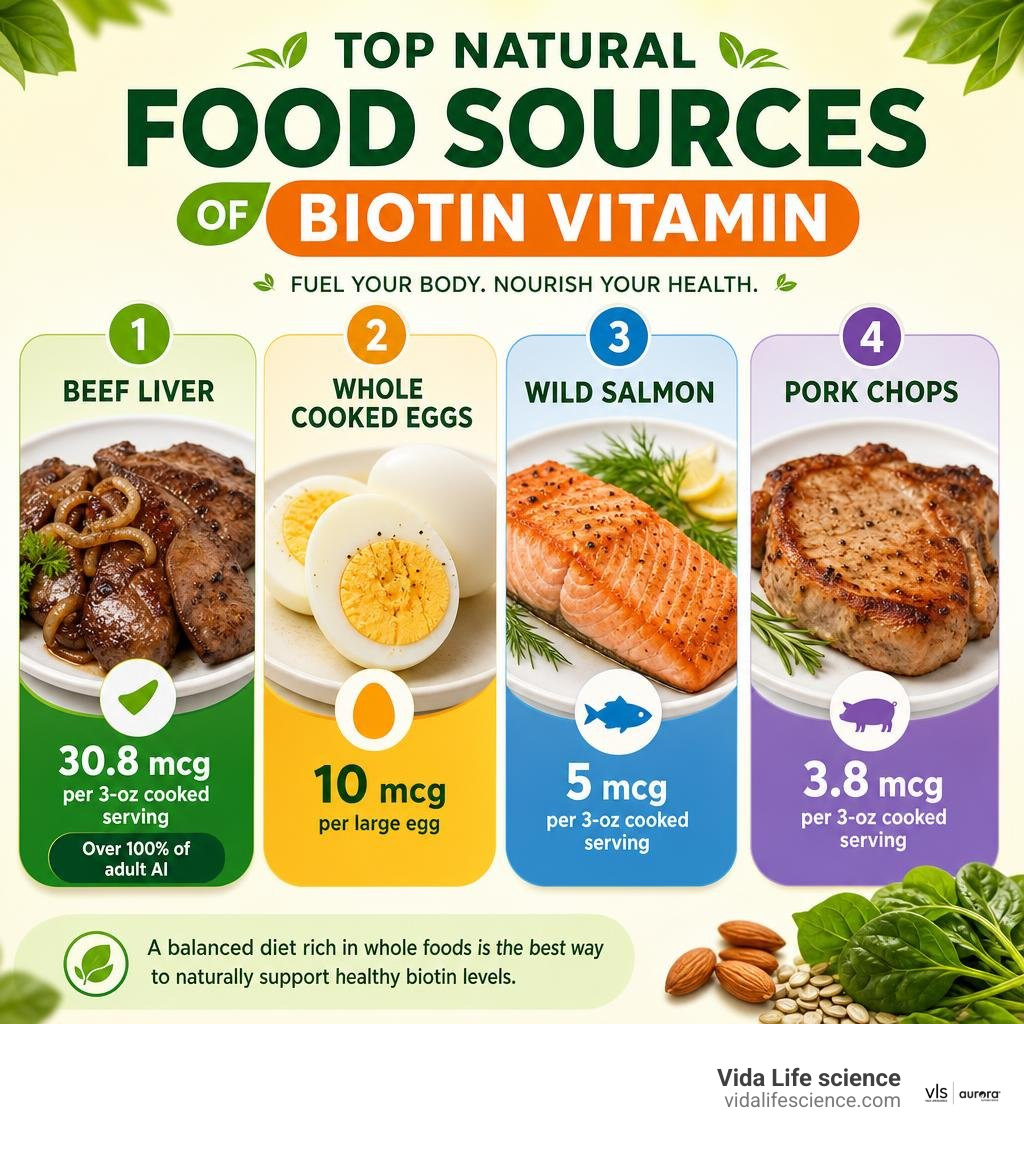
Rich dietary sources include:
-
Beef Liver: 30.8 mcg per 3-ounce cooked serving (over 100% of the adult AI)
-
Whole Cooked Eggs: 10 mcg per large egg
-
Wild Salmon: 5 mcg per 3-ounce cooked serving
-
Pork Chops: 3.8 mcg per 3-ounce serving
-
Sunflower Seeds: 2.6 mcg per 1/4-cup serving
-
Cooked Sweet Potatoes: 2.4 mcg per 1/2-cup serving
Note on Cooking: While egg whites should always be fully cooked to neutralize avidin, excessive over-processing or boiling of certain vegetables can degrade up to 20–30% of their natural water-soluble vitamin content.
Standard Requirements vs. Enhanced Bioavailability
In standard unencapsulated forms, high-dose water-soluble vitamins face biological absorption bottlenecks. Intestinal transporters (specifically the sodium-dependent multivitamin transporter, or SMVT) can become saturated, causing the vast majority of standard megadose supplements to be rapidly cleared by the kidneys and excreted in urine.
At Vida Life Science, we distribute advanced formulations that bypass ordinary digestive hurdles. Utilizing phospholipid bilayer encapsulation, liposomal supplements protect active nutrients through the harsh, acidic stomach environment and facilitate direct cellular uptake via the lymphatic system. If you are seeking balanced daily micronutrient support, explore our B-Complex collection for clean, bioavailable formulas.
Supplement Safety, Tolerable Doses, and Critical Lab Test Interference
From a pure toxicological standpoint, oral biotin exhibits an exceptionally high safety threshold. Clinical evaluations published in the Mayo Clinic oral biotin safety guide show that daily doses up to 10 mg (10,000 mcg) produce no adverse toxic side effects, and official health agencies have not established a Tolerable Upper Intake Level (UL).
However, high supplemental doses carry a significant diagnostic risk: clinical laboratory test interference.
Many hospital and outpatient diagnostic immunoassays rely on a strong biochemical reaction between biotin and the protein streptavidin. When a patient consumes high-dose biotin supplements (often found in 5,000 to 10,000 mcg beauty formulas), excess biotin circulates in the bloodstream and binds to the test reagents, causing inaccurate diagnostic readings:
-
Cardiac Troponin: High circulating biotin can cause falsely low troponin readings, potentially causing clinicians to miss an active, life-threatening myocardial infarction (heart attack).
-
Thyroid Function Tests: Biotin can mimic Graves' disease by producing falsely elevated free T3/T4 and falsely depressed thyroid-stimulating hormone (TSH).
-
Other Diagnostic Panels: Immunoassays for Vitamin D, ferritin, cortisol, and reproductive gonadotropins can yield false-positive or false-negative results.
The U.S. Food and Drug Administration (FDA) has issued safety alerts reminding consumers and medical staff to discontinue high-dose biotin supplements at least 48 to 72 hours before scheduled blood work.
Frequently Asked Questions about Biotin Vitamin
Can healthy people take biotin supplements to speed up hair growth?
If you already consume an adequate, balanced diet and have normal baseline biotin levels, adding high-dose biotin supplements has not been clinically shown to accelerate hair growth rate or increase hair follicle density. In vitro studies confirm that non-pathologic follicular keratinocytes do not proliferate faster in the presence of surplus biotin. Biotin supplementation reliably supports hair regrowth only when an underlying deficiency, metabolic disorder, or nutrient malabsorption is present.
How does consuming raw eggs cause a biotin deficiency?
Raw egg whites contain high concentrations of avidin, a dense glycoprotein that binds to biotin with exceptional affinity. This bond creates an insoluble complex that human digestive enzymes cannot break down, preventing intestinal absorption. Cooking egg whites completely denatures avidin, rendering the biotin in the yolk fully bioavailable.
How long before a diagnostic blood test should I stop taking biotin?
You should stop taking high-dose biotin supplements at least 48 to 72 hours before routine blood draws. For mega-therapeutic doses (above 10,000 mcg), some clinical centers recommend stopping supplementation for up to one week prior to cardiac troponin or complex hormone testing. Always inform your physician, phlebotomist, and lab technicians about any dietary supplements you take.
Conclusion
Understanding the genuine health benefits of biotin comes down to separating metabolic science from beauty marketing. Vitamin B7 is essential for energy production, carboxylase enzyme activation, nervous system health, and healthy fetal development. While true clinical deficiencies produce severe skin and hair symptoms that respond remarkably to supplementation, healthy adults typically obtain their daily 30 mcg requirement through a varied, whole-food diet.
When choosing dietary supplementation, prioritize formulas that respect your body's biochemistry without relying on megadoses that risk interfering with routine lab panels. Learn more about selecting smart, bioavailable formulations in our guide on choosing an effective biotin supplement.


Biotin Vitamin: Helpful Health Booster or Daily Supplement Hype?
What Is Biotin (Vitamin B7) and How Does It Function?
The primary biological benefits of biotin vitamin (vitamin B7) center on cellular energy production, macronutrient metabolism, and fatty acid synthesis. Rather than acting as a miracle beauty cure-all, biotin is an essential metabolic cofactor that enables key enzymes to convert dietary carbohydrates, fats, and proteins into usable cellular energy (ATP) while supporting nervous system integrity and gene expression. While routine megadoses offer little proven aesthetic boost to healthy adults with sufficient intake, maintaining adequate biotin is vital for metabolic function and targeted clinical recovery.
Because the human body cannot manufacture this water-soluble B-complex vitamin from scratch, we rely on daily dietary intake and intestinal microbiome synthesis to maintain optimal physiological levels.
At a molecular level, biotin functions as an indispensable coenzyme cofactor for five carboxylase enzymes in human metabolism:
As detailed in clinical literature regarding biotin pharmacology and cellular mechanisms, biotinylation—the process of covalently attaching biotin to these carboxylases—is catalyzed by the enzyme holocarboxylase synthetase. Beyond its classic enzymatic roles, biotin also influences gene expression and cell signaling by binding to nuclear histones, modulating epigenetic transcription and cellular proliferation.
Cellular Energy: Core Metabolic Benefits of Biotin Vitamin
The primary health benefit of biotin is supporting foundational cellular energy production. Without sufficient biotin, your body cannot efficiently convert carbohydrates, dietary lipids, and dietary proteins into adenosine triphosphate (ATP)—the primary energy currency of human cells.
When you consume carbohydrates, biotin-dependent enzymes help convert pyruvate into oxaloacetate, fueling the production of glucose to sustain brain function and muscular activity. In fatty acid metabolism, biotin enables the construction of cellular membranes and myelin sheaths that insulate nerve fibers throughout the nervous system.
When sustained energy is the primary goal, broad B-vitamin synergy matters. Formulas such as Aurora Nutrascience B-Complex Energy Focus combine B7 alongside co-factors like B12, folate, and B6 to ensure complete metabolic enzyme activation across organ systems.
Proven Biological and Health Benefits of Biotin Vitamin
While beauty marketing often focuses entirely on aesthetics, legitimate clinical applications for biotin are grounded in physiology. A comprehensive Cleveland Clinic biotin benefits overview highlights several research-backed areas:
Cosmetic Realities: Hair, Skin, and Nail Benefits of Biotin Vitamin
The proportion of consumers using biotin supplements has expanded dramatically over the past few decades, driven largely by commercial promises of thicker hair and unbreakable nails. However, examining the dermatological literature reveals a more nuanced reality.
Biotin aids in producing keratin—the primary fibrous protein forming the structural basis of hair, skin, and nails—by activating carboxylase enzymes involved in protein synthesis. According to a landmark clinical review of biotin for hair loss, 100% of reported clinical cases showing measurable improvement in hair and nail growth involved patients who had an underlying clinical deficiency, brittle nail syndrome, uncombable hair syndrome, or a genetic enzyme defect.
For healthy, non-deficient individuals, evidence that extra biotin accelerates hair growth or prevents shedding is limited. That said, those seeking to maintain skin elasticity and keratin structural integrity often look to formulations designed for systemic uptake, such as those discussed in our guide to achieve radiant skin, hair and nails with liposomal biotin.
High-Risk Groups and Symptoms of Biotin Deficiency
True clinical deficiency is uncommon in Western populations consuming standard diets, yet marginal or acquired deficiencies appear more often than widely recognized.
Genetic inborn errors such as profound biotinidase deficiency (occurring in roughly 1 in 112,000 live births) or holocarboxylase synthetase deficiency (occurring in roughly 1 in 87,000 live births) prevent the body from recycling or utilizing endogenous biotin.
Acquired deficiencies can also develop. For instance, long-term use of anticonvulsant medications (like valproic acid) accelerates biotin breakdown in the liver. A confirmed clinical diagnosis of biotin deficiency relies not on fluctuating serum concentrations, but on measuring elevated 24-hour urinary excretion of 3-hydroxyisovaleric acid (levels exceeding 195 µmol/24 hours).
Recommended Daily Intake and Top Dietary Sources
Because the human body continuously excretes excess water-soluble vitamins, nutritional authorities establish baseline daily targets rather than a single fixed allowance. According to the NIH consumer fact sheet on biotin, the official Adequate Intake (AI) values are:
Typical dietary intake across North America ranges between 35 and 70 mcg daily, comfortably meeting the adult requirement through regular whole-food sources.
Rich dietary sources include:
Note on Cooking: While egg whites should always be fully cooked to neutralize avidin, excessive over-processing or boiling of certain vegetables can degrade up to 20–30% of their natural water-soluble vitamin content.
Standard Requirements vs. Enhanced Bioavailability
In standard unencapsulated forms, high-dose water-soluble vitamins face biological absorption bottlenecks. Intestinal transporters (specifically the sodium-dependent multivitamin transporter, or SMVT) can become saturated, causing the vast majority of standard megadose supplements to be rapidly cleared by the kidneys and excreted in urine.
At Vida Life Science, we distribute advanced formulations that bypass ordinary digestive hurdles. Utilizing phospholipid bilayer encapsulation, liposomal supplements protect active nutrients through the harsh, acidic stomach environment and facilitate direct cellular uptake via the lymphatic system. If you are seeking balanced daily micronutrient support, explore our B-Complex collection for clean, bioavailable formulas.
Supplement Safety, Tolerable Doses, and Critical Lab Test Interference
From a pure toxicological standpoint, oral biotin exhibits an exceptionally high safety threshold. Clinical evaluations published in the Mayo Clinic oral biotin safety guide show that daily doses up to 10 mg (10,000 mcg) produce no adverse toxic side effects, and official health agencies have not established a Tolerable Upper Intake Level (UL).
However, high supplemental doses carry a significant diagnostic risk: clinical laboratory test interference.
Many hospital and outpatient diagnostic immunoassays rely on a strong biochemical reaction between biotin and the protein streptavidin. When a patient consumes high-dose biotin supplements (often found in 5,000 to 10,000 mcg beauty formulas), excess biotin circulates in the bloodstream and binds to the test reagents, causing inaccurate diagnostic readings:
The U.S. Food and Drug Administration (FDA) has issued safety alerts reminding consumers and medical staff to discontinue high-dose biotin supplements at least 48 to 72 hours before scheduled blood work.
Frequently Asked Questions about Biotin Vitamin
Can healthy people take biotin supplements to speed up hair growth?
If you already consume an adequate, balanced diet and have normal baseline biotin levels, adding high-dose biotin supplements has not been clinically shown to accelerate hair growth rate or increase hair follicle density. In vitro studies confirm that non-pathologic follicular keratinocytes do not proliferate faster in the presence of surplus biotin. Biotin supplementation reliably supports hair regrowth only when an underlying deficiency, metabolic disorder, or nutrient malabsorption is present.
How does consuming raw eggs cause a biotin deficiency?
Raw egg whites contain high concentrations of avidin, a dense glycoprotein that binds to biotin with exceptional affinity. This bond creates an insoluble complex that human digestive enzymes cannot break down, preventing intestinal absorption. Cooking egg whites completely denatures avidin, rendering the biotin in the yolk fully bioavailable.
How long before a diagnostic blood test should I stop taking biotin?
You should stop taking high-dose biotin supplements at least 48 to 72 hours before routine blood draws. For mega-therapeutic doses (above 10,000 mcg), some clinical centers recommend stopping supplementation for up to one week prior to cardiac troponin or complex hormone testing. Always inform your physician, phlebotomist, and lab technicians about any dietary supplements you take.
Conclusion
Understanding the genuine health benefits of biotin comes down to separating metabolic science from beauty marketing. Vitamin B7 is essential for energy production, carboxylase enzyme activation, nervous system health, and healthy fetal development. While true clinical deficiencies produce severe skin and hair symptoms that respond remarkably to supplementation, healthy adults typically obtain their daily 30 mcg requirement through a varied, whole-food diet.
When choosing dietary supplementation, prioritize formulas that respect your body's biochemistry without relying on megadoses that risk interfering with routine lab panels. Learn more about selecting smart, bioavailable formulations in our guide on choosing an effective biotin supplement.