CoQ10 Benefits at a Glance
CoQ10 helps your cells make energy and protects them from oxidative damage. Your body makes it naturally, but levels tend to fall with age. Supplements may help some people with heart failure or frequent migraines, though they are not a replacement for medical care. If you take warfarin, ask your healthcare provider before trying CoQ10 because it may make the medication less effective.
CoQ10 is also found in foods such as meat, fish, and nuts. Because it is fat-soluble, taking a supplement with a meal that contains fat can help your body absorb it.
We're Vida Life Science, a U.S. distributor of liposomal supplements, including CoQ10. Our experience with coq10 comes from offering phosphatidylcholine-based liposomal formulas designed to support nutrient absorption.

What Is Coenzyme Q10 and How Does It Work?
Coenzyme Q10, often referred to chemically as 유비퀴논 (ubiquinone), is a fat-soluble quinone present in almost every single cell of the human body (Saini, 2011). Its name stems from the word "ubiquitous," meaning found everywhere—and for good reason. As detailed in this overview of coenzyme Q10, this compound plays an indispensable dual role: it acts as a primary spark plug for cellular energy production and serves as a powerful lipid-soluble antioxidant.
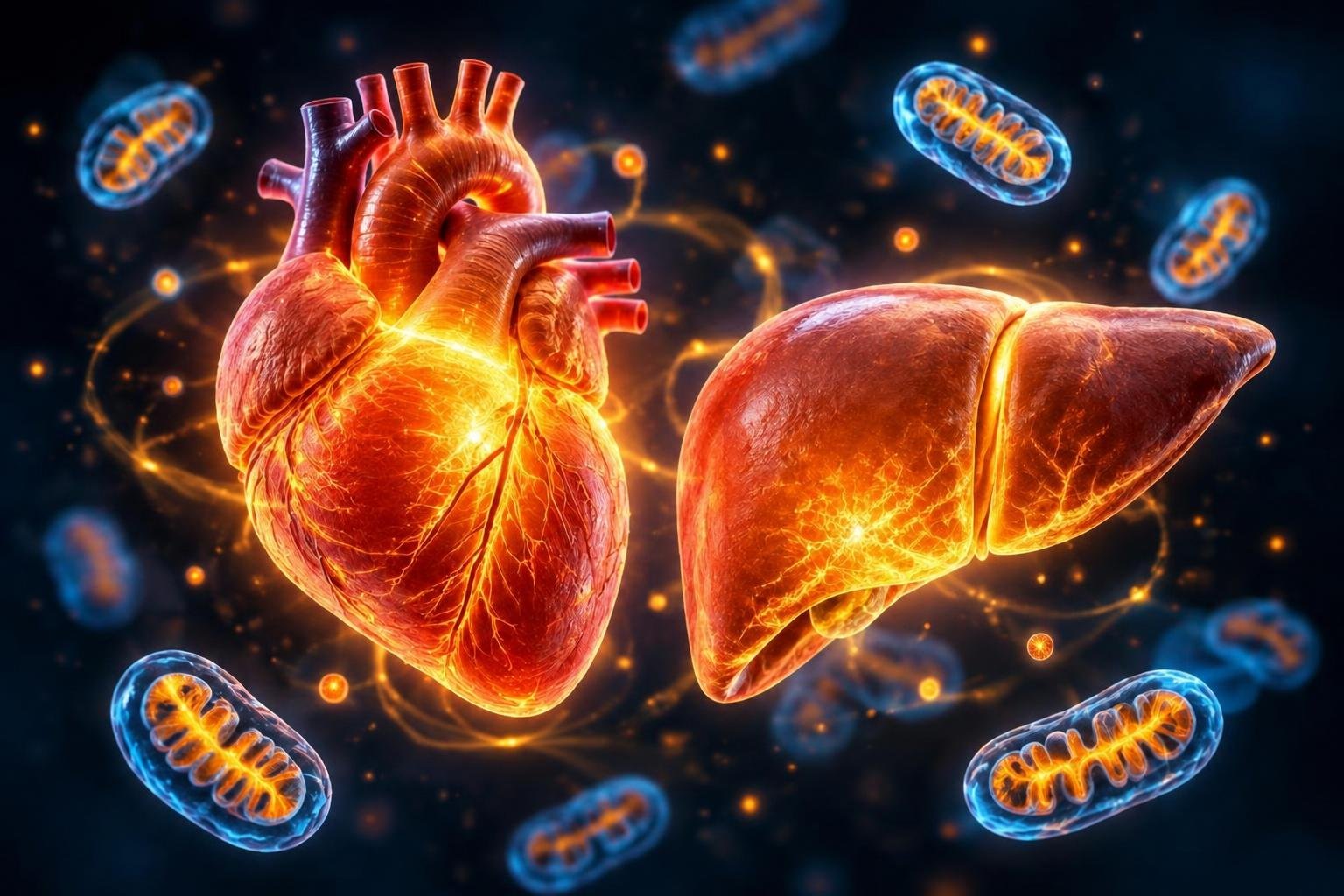
Inside our tissues, CoQ10 concentrates heavily in organs that demand massive amounts of constant energy. The heart, kidneys, and liver have the highest metabolic rates, showing concentrations of approximately 114, 66.5, and 54.9 micrograms per gram of tissue, respectively. Without adequate levels of this coenzyme, these vital organs struggle to maintain their heavy metabolic workload. Beyond cellular respiration, CoQ10 patrols cellular membranes to neutralize harmful free radicals, preventing lipid peroxidation and preserving cellular integrity throughout the body.
Cellular Energy Production and ATP Synthesis
To understand how CoQ10 works, we need to look inside the mitochondria—the tiny power plants inside your cells. Your body runs on a chemical energy currency called adenosine triphosphate (ATP). Generating ATP is an intricate relay race known as the mitochondrial electron transport chain.
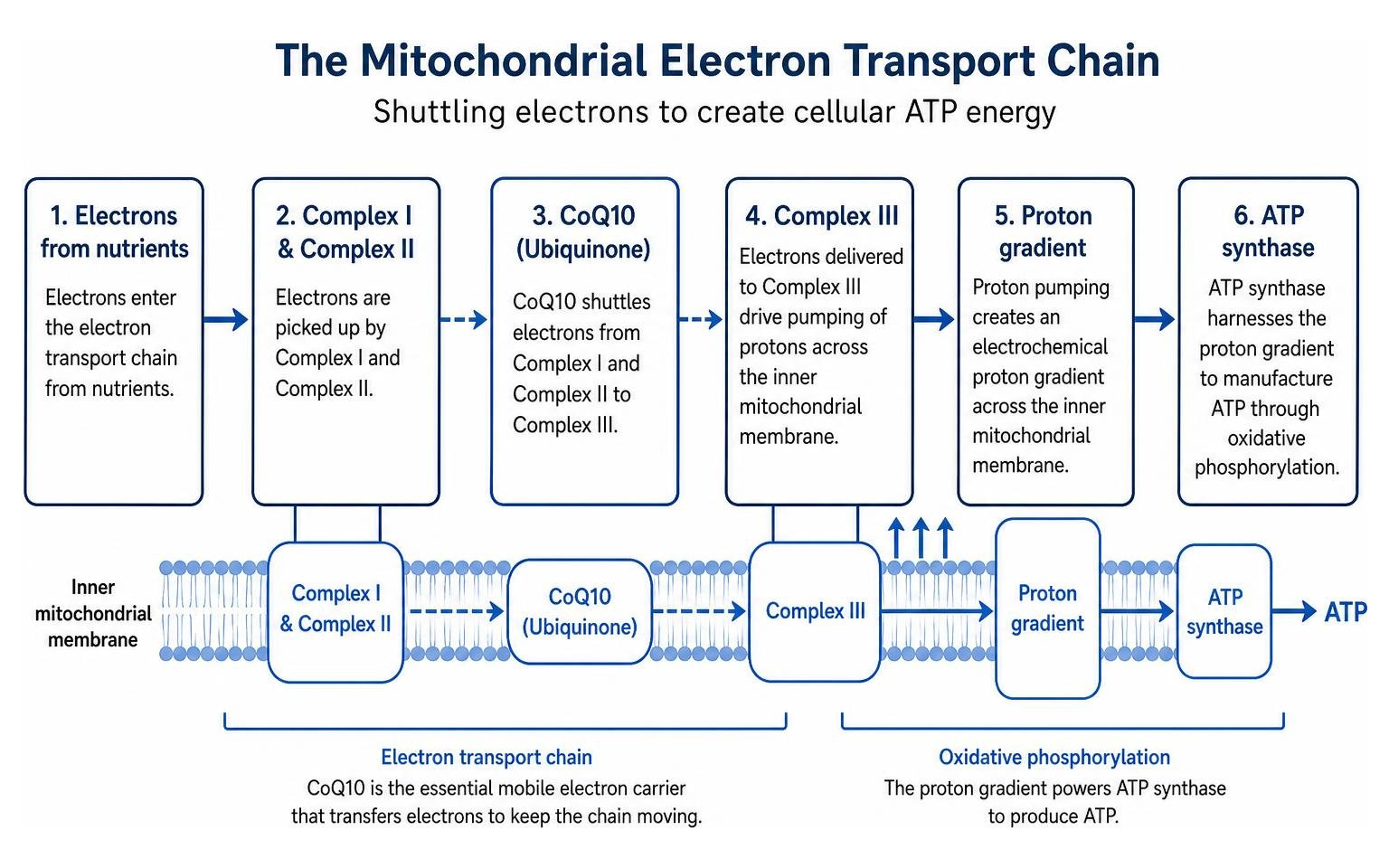
During this process, CoQ10 functions as an essential, mobile electron carrier. It shuttles electrons from Complex I and Complex II over to Complex III. This transfer drives the pumping of protons across the inner mitochondrial membrane, establishing an electrochemical proton gradient. ATP synthase then harnesses this gradient to manufacture ATP through oxidative phosphorylation. When CoQ10 levels are optimal, your cellular bioenergetics run smoothly and efficiently.
Why Natural coq10 Levels Decline with Age
While our bodies naturally synthesize ubiquinone, total internal stores are modest—typically maintaining a total body pool of only about 500 to 1,500 mg. As we grow older, our endogenous synthesis steadily declines.
This drop in production begins as early as our twenties and accelerates with each passing decade. The reduction in natural synthesis, paired with cumulative age-related oxidative stress, can deplete mitochondrial energy reserves. Over time, lower tissue concentrations compromise mitochondrial vitality, contributing to fatigue and leaving cells more susceptible to oxidative damage.
Top Evidence-Based Health Benefits of coq10

Given its fundamental role in bioenergetics, research has examined how CoQ10 supplementation supports various bodily systems, from heart vitality to cellular longevity.
Cardiovascular Function and Heart Failure Support
The human heart beats around 100,000 times a day without taking a single break. Because of this enormous energy demand, cardiac muscle is particularly vulnerable to energy deficits. Clinical studies show that supplementing with CoQ10 can significantly benefit myocardial energetics. In individuals with congestive heart failure, adjunct CoQ10 support has been associated with improvements in left ventricular ejection fraction, overall functional capacity, and reduced hospitalizations.
Furthermore, CoQ10 promotes endothelial health by preserving nitric oxide availability, which helps blood vessels relax and supports healthy blood pressure regulation. For a comprehensive look at multi-nutrient cardiovascular strategies, explore supporting heart health with CoQ10 and curcumin supplements as well as our guide on the best vitamins and minerals for heart health.
Reducing Migraine Frequency and Intensity
Emerging evidence suggests that some migraine headaches are linked to mitochondrial dysfunction and localized neurovascular inflammation in the brain. Clinical reviews indicate that regular CoQ10 supplementation can help reduce the frequency, duration, and severity of migraine attacks.
Because restoring mitochondrial balance takes time, people using CoQ10 for migraine prophylaxis typically need to maintain consistent supplementation for about three months before experiencing measurable benefits. To discover how combining targeted nutrients can optimize neurological comfort, read our detailed breakdown on CoQ10 PQQ for migraine.
Cellular Longevity, Fertility, and Skin Health
Mitochondrial performance is central to how our bodies age. In reproductive health, both egg (oocyte) and sperm cells require vast amounts of cellular energy. As women and men age, oxidative stress and declining energy output can affect reproductive quality. Supplementing with CoQ10 supports mitochondrial health in gametes, promoting sperm motility and oocyte quality.
When it comes to skin vitality, topical and oral CoQ10 provides vital antioxidant defense against ultraviolet (UV) photoaging. By combating free radicals and preserving dermal collagen integrity, it helps maintain skin elasticity and smoothness over time. Those interested in systemic healthy aging strategies can explore our curated Longevity & Anti-Aging Collection.
Dietary Sources vs. Supplement Bioavailability
Obtaining optimal amounts of CoQ10 through diet alone can be difficult. Understanding the distinction between dietary intake and specialized supplementation helps ensure you meet your daily wellness goals.
| Source Type |
Examples / Form |
Bioavailability & Absorption |
Typical Yield per Serving |
| Dietary Sources |
Beef liver, heart, salmon, tuna, peanuts |
Moderate (requires dietary fats and robust digestive breakdown) |
2–5 mg per standard dietary serving |
| Conventional Supplements |
Standard ubiquinone dry powder capsules |
Low to moderate (hydrophobic crystals limit intestinal uptake) |
50–200 mg |
| Liposomal Delivery |
Liposomal ubiquinone/ubiquinol liquids & capsules |
High (protective phospholipid bilayer bypasses digestive barriers) |
100–300 mg with enhanced cellular uptake |
Natural Food Sources of CoQ10
CoQ10 is naturally present in several whole foods, primarily concentrated in animal proteins and fatty sources:
-
Organ meats: Beef heart, beef liver, and kidney contain the richest concentrations.
-
Fatty fish: Salmon, tuna, sardines, and mackerel provide good amounts.
-
Muscle meats: Beef, pork, and chicken supply modest amounts.
-
Legumes, nuts, and seeds: Peanuts, sesame seeds, soybeans, and pistachios offer plant-based sources.
While eating a nutrient-dense diet is always foundational, an average daily diet provides only around 3 to 6 mg of CoQ10. This is far below the therapeutic levels (100 to 400 mg daily) typically evaluated in clinical trials.
CoQ10 exists in two primary forms: oxidized ubiquinone and reduced ubiquinol. In the bloodstream, your body naturally converts back and forth between these two states as needed to facilitate electron transfer and antioxidant defense.
The primary obstacle with conventional CoQ10 supplements is absorption. CoQ10 is a large, fat-soluble molecule that tends to crystallize in the gut, making it difficult for the intestinal lining to absorb. Advanced liposomal CoQ10 formulation technology solves this challenge. By encapsulating the nutrient inside nanoscale spheres made of natural phospholipids, liposomal delivery shields the compound through the digestive tract and enhances absorption directly into the bloodstream.
To explore our cutting-edge mitochondrial support formulas, take a look at our Aurora Nutrascience Mega Liposomal CoQ10 PQQ Vitamin C, convenient Liposomal CoQ10 PQQ Capsules, and the complete CoQ10 PQQ Plus Collection. Learn more about how encapsulation optimizes nutrient delivery on our page explaining The Science.
Recommended Dosages, Safety, and Medication Precautions
For general nutritional maintenance, typical daily doses range from 30 to 200 mg per day. Clinical trials targeting cardiovascular health often utilize doses between 100 and 400 mg per day, whereas neurodegenerative studies have explored higher amounts ranging from 600 to 3,000 mg daily under medical supervision.
For detailed medical insights on usage ranges, consult these clinical dosing guidelines and review the DailyMed - COQ10 200MG- coq10 capsule label. Because CoQ10 is fat-soluble, it is best taken with a meal containing healthy fats, or in a liposomal form that promotes direct cellular uptake. Splitting doses higher than 100 mg across morning and afternoon meals can also improve overall absorption and tolerance.
How coq10 Interacts with Statins and Blood Thinners
HMG-CoA reductase inhibitors—commonly known as statins—are widely prescribed to lower cholesterol. However, the biochemical pathway that produces cholesterol (the mevalonate pathway) is the very same pathway your body uses to synthesize CoQ10. As a result, statin therapy can lower circulating CoQ10 levels, which may contribute to statin-associated muscle aches and fatigue. Many practitioners recommend CoQ10 to help support muscle comfort in patients on statin regimens.
Conversely, caution is warranted if you take anticoagulants such as warfarin. Because CoQ10 is structurally similar to vitamin K, it may decrease the blood-thinning efficacy of warfarin, potentially lowering your International Normalized Ratio (INR) and increasing clotting risks. If you take blood-thinning medications, always consult your physician to monitor your clotting times before starting CoQ10.
Safety Profile, Tolerability, and Contraindications
CoQ10 exhibits an exceptional safety profile, with human clinical trials demonstrating high tolerability even at doses up to 1,200 mg per day. Side effects are rare and typically mild, including occasional digestive upset, nausea, or mild insomnia if taken late in the evening.
Patients scheduled for elective surgery should generally discontinue supplementation at least two weeks beforehand to prevent unintended vascular or blood-clotting interactions. Those with severe hepatic insufficiency or biliary tract obstruction should also use caution, as CoQ10 is primarily metabolized and eliminated via the liver and bile ducts.
Frequently Asked Questions About CoQ10
What happens when you take CoQ10 every day?
Taking CoQ10 daily steadily increases your plasma and tissue concentrations, reaching a steady state over several weeks. Consistent supplementation ensures uninterrupted mitochondrial electron transport, protects cell membranes from ongoing oxidative stress, and helps sustain daily physical energy levels.
Is CoQ10 safe to take during pregnancy or breastfeeding?
Clinical safety data regarding CoQ10 supplementation during pregnancy and lactation remain limited. While some prenatal formulations include modest amounts to support egg quality prior to conception, pregnant and nursing mothers should avoid high-dose regimens unless specifically advised by their obstetrician. For more details on maternal nutrient selection, check out our guide on the best prenatal vitamins with CoQ10.
How long does it take for CoQ10 supplements to work?
The time it takes to notice results depends on your wellness goals. While cellular absorption begins immediately, tangible benefits for daily energy may take two to four weeks. Clinical outcomes for cardiovascular support or migraine frequency typically require consistent daily use for eight to twelve weeks (three full months) to allow adequate tissue saturation.
Conclusion
Coenzyme Q10 is an essential nutrient that fuels cellular energy production and shields our tissues from oxidative wear and tear. Because our natural production drops with age and standard dietary intake rarely reaches therapeutic amounts, high-absorption supplementation is a practical way to support long-term vitality, brain function, and cardiovascular health.
Whether you are looking to revitalize your daily energy or support healthy aging, choosing a high-bioavailability liposomal formula ensures your body receives the full benefit of every milligram. Discover our full selection of cellular support solutions by visiting our Shop All collection today.
References
Saini R. "Coenzyme Q10: The essential nutrient.." Journal of pharmacy & bioallied sciences, 2011. PMCID PMC3178961.


Everything You Need to Know About CoQ10 Benefits
CoQ10 Benefits at a Glance
CoQ10 helps your cells make energy and protects them from oxidative damage. Your body makes it naturally, but levels tend to fall with age. Supplements may help some people with heart failure or frequent migraines, though they are not a replacement for medical care. If you take warfarin, ask your healthcare provider before trying CoQ10 because it may make the medication less effective.
CoQ10 is also found in foods such as meat, fish, and nuts. Because it is fat-soluble, taking a supplement with a meal that contains fat can help your body absorb it.
We're Vida Life Science, a U.S. distributor of liposomal supplements, including CoQ10. Our experience with coq10 comes from offering phosphatidylcholine-based liposomal formulas designed to support nutrient absorption.
What Is Coenzyme Q10 and How Does It Work?
Coenzyme Q10, often referred to chemically as 유비퀴논 (ubiquinone), is a fat-soluble quinone present in almost every single cell of the human body (Saini, 2011). Its name stems from the word "ubiquitous," meaning found everywhere—and for good reason. As detailed in this overview of coenzyme Q10, this compound plays an indispensable dual role: it acts as a primary spark plug for cellular energy production and serves as a powerful lipid-soluble antioxidant.
Inside our tissues, CoQ10 concentrates heavily in organs that demand massive amounts of constant energy. The heart, kidneys, and liver have the highest metabolic rates, showing concentrations of approximately 114, 66.5, and 54.9 micrograms per gram of tissue, respectively. Without adequate levels of this coenzyme, these vital organs struggle to maintain their heavy metabolic workload. Beyond cellular respiration, CoQ10 patrols cellular membranes to neutralize harmful free radicals, preventing lipid peroxidation and preserving cellular integrity throughout the body.
Cellular Energy Production and ATP Synthesis
To understand how CoQ10 works, we need to look inside the mitochondria—the tiny power plants inside your cells. Your body runs on a chemical energy currency called adenosine triphosphate (ATP). Generating ATP is an intricate relay race known as the mitochondrial electron transport chain.
During this process, CoQ10 functions as an essential, mobile electron carrier. It shuttles electrons from Complex I and Complex II over to Complex III. This transfer drives the pumping of protons across the inner mitochondrial membrane, establishing an electrochemical proton gradient. ATP synthase then harnesses this gradient to manufacture ATP through oxidative phosphorylation. When CoQ10 levels are optimal, your cellular bioenergetics run smoothly and efficiently.
Why Natural coq10 Levels Decline with Age
While our bodies naturally synthesize ubiquinone, total internal stores are modest—typically maintaining a total body pool of only about 500 to 1,500 mg. As we grow older, our endogenous synthesis steadily declines.
This drop in production begins as early as our twenties and accelerates with each passing decade. The reduction in natural synthesis, paired with cumulative age-related oxidative stress, can deplete mitochondrial energy reserves. Over time, lower tissue concentrations compromise mitochondrial vitality, contributing to fatigue and leaving cells more susceptible to oxidative damage.
Top Evidence-Based Health Benefits of coq10
Given its fundamental role in bioenergetics, research has examined how CoQ10 supplementation supports various bodily systems, from heart vitality to cellular longevity.
Cardiovascular Function and Heart Failure Support
The human heart beats around 100,000 times a day without taking a single break. Because of this enormous energy demand, cardiac muscle is particularly vulnerable to energy deficits. Clinical studies show that supplementing with CoQ10 can significantly benefit myocardial energetics. In individuals with congestive heart failure, adjunct CoQ10 support has been associated with improvements in left ventricular ejection fraction, overall functional capacity, and reduced hospitalizations.
Furthermore, CoQ10 promotes endothelial health by preserving nitric oxide availability, which helps blood vessels relax and supports healthy blood pressure regulation. For a comprehensive look at multi-nutrient cardiovascular strategies, explore supporting heart health with CoQ10 and curcumin supplements as well as our guide on the best vitamins and minerals for heart health.
Reducing Migraine Frequency and Intensity
Emerging evidence suggests that some migraine headaches are linked to mitochondrial dysfunction and localized neurovascular inflammation in the brain. Clinical reviews indicate that regular CoQ10 supplementation can help reduce the frequency, duration, and severity of migraine attacks.
Because restoring mitochondrial balance takes time, people using CoQ10 for migraine prophylaxis typically need to maintain consistent supplementation for about three months before experiencing measurable benefits. To discover how combining targeted nutrients can optimize neurological comfort, read our detailed breakdown on CoQ10 PQQ for migraine.
Cellular Longevity, Fertility, and Skin Health
Mitochondrial performance is central to how our bodies age. In reproductive health, both egg (oocyte) and sperm cells require vast amounts of cellular energy. As women and men age, oxidative stress and declining energy output can affect reproductive quality. Supplementing with CoQ10 supports mitochondrial health in gametes, promoting sperm motility and oocyte quality.
When it comes to skin vitality, topical and oral CoQ10 provides vital antioxidant defense against ultraviolet (UV) photoaging. By combating free radicals and preserving dermal collagen integrity, it helps maintain skin elasticity and smoothness over time. Those interested in systemic healthy aging strategies can explore our curated Longevity & Anti-Aging Collection.
Dietary Sources vs. Supplement Bioavailability
Obtaining optimal amounts of CoQ10 through diet alone can be difficult. Understanding the distinction between dietary intake and specialized supplementation helps ensure you meet your daily wellness goals.
Natural Food Sources of CoQ10
CoQ10 is naturally present in several whole foods, primarily concentrated in animal proteins and fatty sources:
While eating a nutrient-dense diet is always foundational, an average daily diet provides only around 3 to 6 mg of CoQ10. This is far below the therapeutic levels (100 to 400 mg daily) typically evaluated in clinical trials.
Formulations and Absorption: Ubiquinone, Ubiquinol, and Liposomes
CoQ10 exists in two primary forms: oxidized ubiquinone and reduced ubiquinol. In the bloodstream, your body naturally converts back and forth between these two states as needed to facilitate electron transfer and antioxidant defense.
The primary obstacle with conventional CoQ10 supplements is absorption. CoQ10 is a large, fat-soluble molecule that tends to crystallize in the gut, making it difficult for the intestinal lining to absorb. Advanced liposomal CoQ10 formulation technology solves this challenge. By encapsulating the nutrient inside nanoscale spheres made of natural phospholipids, liposomal delivery shields the compound through the digestive tract and enhances absorption directly into the bloodstream.
To explore our cutting-edge mitochondrial support formulas, take a look at our Aurora Nutrascience Mega Liposomal CoQ10 PQQ Vitamin C, convenient Liposomal CoQ10 PQQ Capsules, and the complete CoQ10 PQQ Plus Collection. Learn more about how encapsulation optimizes nutrient delivery on our page explaining The Science.
Recommended Dosages, Safety, and Medication Precautions
For general nutritional maintenance, typical daily doses range from 30 to 200 mg per day. Clinical trials targeting cardiovascular health often utilize doses between 100 and 400 mg per day, whereas neurodegenerative studies have explored higher amounts ranging from 600 to 3,000 mg daily under medical supervision.
For detailed medical insights on usage ranges, consult these clinical dosing guidelines and review the DailyMed - COQ10 200MG- coq10 capsule label. Because CoQ10 is fat-soluble, it is best taken with a meal containing healthy fats, or in a liposomal form that promotes direct cellular uptake. Splitting doses higher than 100 mg across morning and afternoon meals can also improve overall absorption and tolerance.
How coq10 Interacts with Statins and Blood Thinners
HMG-CoA reductase inhibitors—commonly known as statins—are widely prescribed to lower cholesterol. However, the biochemical pathway that produces cholesterol (the mevalonate pathway) is the very same pathway your body uses to synthesize CoQ10. As a result, statin therapy can lower circulating CoQ10 levels, which may contribute to statin-associated muscle aches and fatigue. Many practitioners recommend CoQ10 to help support muscle comfort in patients on statin regimens.
Conversely, caution is warranted if you take anticoagulants such as warfarin. Because CoQ10 is structurally similar to vitamin K, it may decrease the blood-thinning efficacy of warfarin, potentially lowering your International Normalized Ratio (INR) and increasing clotting risks. If you take blood-thinning medications, always consult your physician to monitor your clotting times before starting CoQ10.
Safety Profile, Tolerability, and Contraindications
CoQ10 exhibits an exceptional safety profile, with human clinical trials demonstrating high tolerability even at doses up to 1,200 mg per day. Side effects are rare and typically mild, including occasional digestive upset, nausea, or mild insomnia if taken late in the evening.
Patients scheduled for elective surgery should generally discontinue supplementation at least two weeks beforehand to prevent unintended vascular or blood-clotting interactions. Those with severe hepatic insufficiency or biliary tract obstruction should also use caution, as CoQ10 is primarily metabolized and eliminated via the liver and bile ducts.
Frequently Asked Questions About CoQ10
What happens when you take CoQ10 every day?
Taking CoQ10 daily steadily increases your plasma and tissue concentrations, reaching a steady state over several weeks. Consistent supplementation ensures uninterrupted mitochondrial electron transport, protects cell membranes from ongoing oxidative stress, and helps sustain daily physical energy levels.
Is CoQ10 safe to take during pregnancy or breastfeeding?
Clinical safety data regarding CoQ10 supplementation during pregnancy and lactation remain limited. While some prenatal formulations include modest amounts to support egg quality prior to conception, pregnant and nursing mothers should avoid high-dose regimens unless specifically advised by their obstetrician. For more details on maternal nutrient selection, check out our guide on the best prenatal vitamins with CoQ10.
How long does it take for CoQ10 supplements to work?
The time it takes to notice results depends on your wellness goals. While cellular absorption begins immediately, tangible benefits for daily energy may take two to four weeks. Clinical outcomes for cardiovascular support or migraine frequency typically require consistent daily use for eight to twelve weeks (three full months) to allow adequate tissue saturation.
Conclusion
Coenzyme Q10 is an essential nutrient that fuels cellular energy production and shields our tissues from oxidative wear and tear. Because our natural production drops with age and standard dietary intake rarely reaches therapeutic amounts, high-absorption supplementation is a practical way to support long-term vitality, brain function, and cardiovascular health.
Whether you are looking to revitalize your daily energy or support healthy aging, choosing a high-bioavailability liposomal formula ensures your body receives the full benefit of every milligram. Discover our full selection of cellular support solutions by visiting our Shop All collection today.
References
Saini R. "Coenzyme Q10: The essential nutrient.." Journal of pharmacy & bioallied sciences, 2011. PMCID PMC3178961.