What Is Coenzyme Q10 Liposomal and Why Does It Matter?
Coenzyme Q10 liposomal supplements are one of the most effective ways to get this critical antioxidant into your cells — but not all CoQ10 products are created equal.
Here's a quick look at the top options to consider:
| Criteria |
What to Look For |
| Particle Size |
100–200 nm (ideally ~150 nm) |
| Zeta Potential |
Below -30 mV for colloidal stability |
| Encapsulation Efficiency |
Above 70% (best formulations reach ~81%) |
| Phospholipid Source |
Sunflower or soy lecithin, high in phosphatidylcholine |
| PDI (Polydispersity Index) |
Under 0.3 for uniform particle size |
| Additives |
Avoid unnecessary fillers; look for clean labels |
CoQ10 is essential for cellular energy production and acts as a powerful antioxidant throughout the body. The problem? In its standard form, CoQ10 is extremely difficult to absorb. It has a large molecular weight of 863 Da and is highly lipophilic — meaning it doesn't mix well with water, which makes up most of your digestive environment.
The result: most conventional CoQ10 supplements deliver only a fraction of their stated dose to your bloodstream.
Liposomal encapsulation changes that. By wrapping CoQ10 inside tiny phospholipid spheres that mimic your own cell membranes, liposomal formulations dramatically improve how much actually gets absorbed — and where it ends up in your body.
At Vida Life Science, we are the exclusive U.S. distributor of Aurora Nutrascience, a Canadian manufacturer specializing in phosphatidylcholine-based liposomal CoQ10 and other advanced nutrient delivery systems. Our team uses these products personally, and we've built our business around understanding exactly what separates a high-quality liposomal formulation from an ordinary supplement. In the sections below, we break down the science, the key quality markers, and the brands worth your attention.
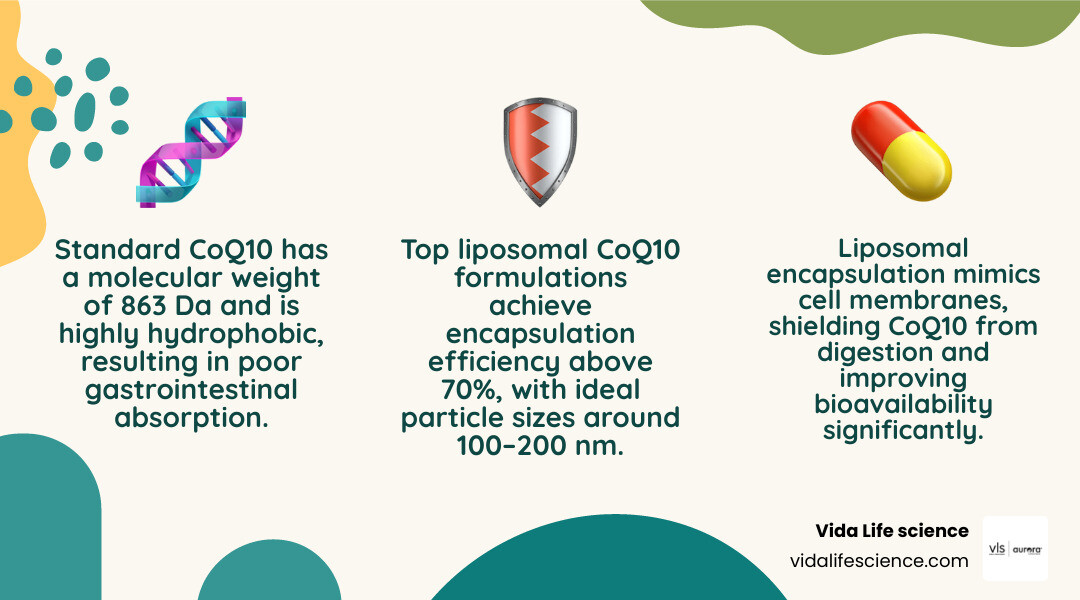
When you take standard Coenzyme Q10, whether in crystalline powder, tablet, or unencapsulated softgel form, your digestive system faces significant hurdles. CoQ10 is a notoriously hydrophobic molecule with a high molecular weight of 863 Da and 10 repeating isoprene units. Because it barely dissolves in aqueous gastrointestinal fluids, standard crystalline particles struggle to cross the mucosal lining of your gut. Most of the active dose simply passes through the body unabsorbed.
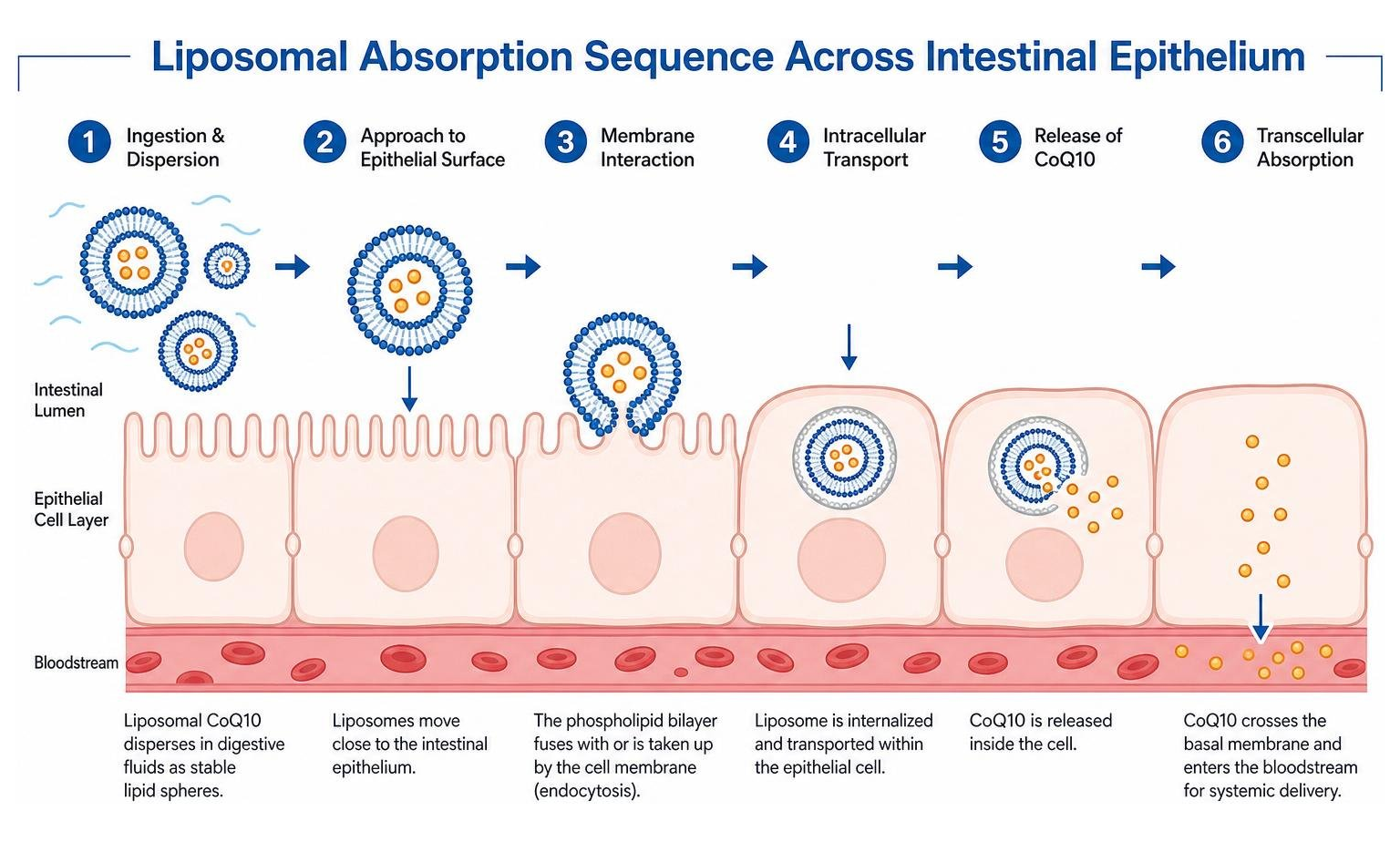
This is where liposomal delivery creates a fundamental breakthrough. By encapsulating CoQ10 within double-layered lipid spheres made from biological phospholipids, we shield the hydrophobic molecule inside a protective core. These microscopic liposomes naturally disperse in water-based digestive fluids, creating a stable colloidal suspension.
Because the lipid bilayer mimics the structure of human intestinal cell membranes, the body recognizes and absorbs liposomes far more readily than raw crystalline powder. Research evaluating the Impact of liposomal delivery on coenzyme Q10 absorption demonstrates that encapsulation allows the nutrient to bypass standard solubility limits. In laboratory intestinal models using Caco-2 cell monolayers, liposomal CoQ10 achieves approximately 70% permeability within just four hours. This membrane-mimicking technology transforms a notoriously difficult-to-absorb nutrient into an easily accessible source of cellular energy.
Key Factors in Choosing a Coenzyme Q10 Liposomal Supplement
Navigating the market for coenzyme q10 liposomal products requires understanding what separates genuine liposomal formulations from simple oil mixtures. To help you evaluate your choices, let's contrast standard crystalline supplements with advanced liposomal options:
| Feature / Metric |
Standard Crystalline CoQ10 |
Advanced Liposomal CoQ10 |
| Aqueous Solubility |
Poor / Hydrophobic |
High (disperses in fluids) |
| Absorption Mechanism |
Passive / Limited dissolution |
Endocytosis / Direct membrane fusion |
| In Vitro Caco-2 Absorption |
Low (< 10-15%) |
Up to ~70% in 4 hours |
| Typical Particle Size |
> 1,000–5,000 nm |
100–200 nm (~150.2 nm) |
| Colloidal Charge (Zeta Potential) |
Variable / Neutral |
Highly negative (-37.21 mV) |
| Encapsulation Efficiency |
N/A (unencapsulated) |
> 80% (exceeding 70% benchmark) |
Evaluating Coenzyme Q10 Liposomal Particle Size and Zeta Potential
When choosing a coenzyme q10 liposomal supplement, size and electrostatic surface charge dictate performance. The ideal mean particle size for liposomal vesicles ranges between 100 nm and 200 nm, with precise formulations achieving average diameters around 150.2 nm. Nanoscale droplets in this size envelope navigate biological barriers with minimal resistance.
Equally critical is the Polydispersity Index (PDI), measured via Dynamic Light Scattering (DLS). A PDI around 0.3286 indicates a tight, uniform size distribution where vesicles remain consistent in shape rather than clumping together into large aggregates.
To keep these nano-vesicles stable in liquid suspension, surface electrical charge matters. Zeta potential measures the electrostatic repulsion between liposomes. A zeta potential of -37.21 mV (well beyond the standard stability threshold of -30 mV) ensures that liposomes actively push away from one another. This electrical charge prevents settling, clumping, and leakage of the active payload over time.
Phospholipid Composition and Bilayer Synergy
The structural integrity of a liposome depends on the quality of its underlying phospholipids. High-tier liposomal formulations use purified lecithin derived from non-GMO sunflower seeds, providing an allergen-free alternative to traditional soy-derived lipids.
A premium phospholipid complex contains roughly 93% total active phospholipids, featuring:
-
Phosphatidylcholine (PC): ~82.05% balance for bilayer strength and membrane fusion.
-
Phosphatidylethanolamine (PE): ~10.82% balance for structural curvature and flexibility.
Phosphatidylcholine serves as the primary building block of cell membranes throughout the human body. When used as an encapsulating agent, PC not only carries CoQ10 across the intestinal lining but also supplies valuable choline for cell structure and liver health.
Formulators sometimes add secondary antioxidants like Vitamin E (alpha-tocopherol) to protect the lipid membrane against oxidation. However, balance is vital: because hydrophobic Vitamin E competes for space within the liposomes' inner lipid shell, adding excessive amounts can lower the overall encapsulation efficiency of CoQ10.
Clinical Evidence, Cellular Uptake, and Health Benefits
The clinical benefits of coenzyme q10 liposomal supplementation stem directly from its ability to enhance cellular uptake and deliver meaningful concentrations of ubiquinone where it is needed most. Within the cell, CoQ10 acts as an essential cofactor in the mitochondrial electron transport chain, driving adenosine triphosphate (ATP) synthesis to power cardiac tissue, brain cells, and skeletal muscle.
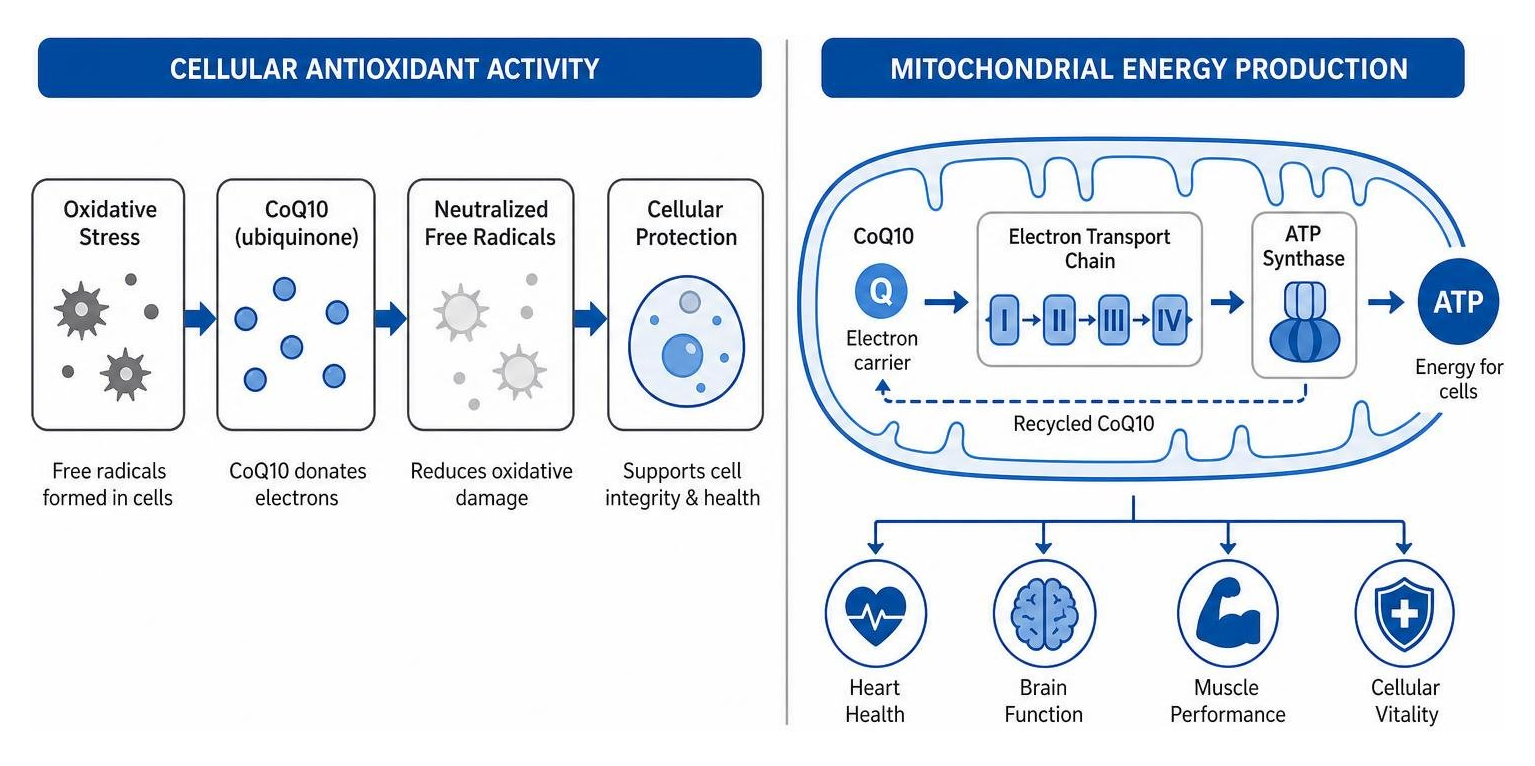
In preclinical skin delivery trials, liposomal encapsulation using phosphatidylcholine increased dermal accumulation of CoQ10 at least twofold compared to standard unencapsulated suspensions (p < 0.05). By penetrating deep dermal layers, liposomal CoQ10 neutralizes free radicals produced by environmental stressors and supports structural cellular repair.
Coenzyme Q10 Liposomal Benefits for Skin and Cardiovascular Health
The biological impact of liposomal CoQ10 extends across multiple physiological systems:
-
Cardiovascular and Endothelial Support: Endothelial cells lining our blood vessels rely heavily on mitochondrial ATP to generate nitric oxide, which maintains healthy vascular tone. Comprehensive analytical trials detailing advanced liposomal CoQ10 formulations demonstrate that high-purity sunflower liposomal CoQ10 delivers remarkable thermal stability and accelerated absorption, supporting endothelial vascular function and protecting blood lipids from oxidative damage.
-
Dermal Defense and Anti-Aging: Standard topical CoQ10 struggles to pass through the stratum corneum due to its large size. Liposomal delivery encapsulates the antioxidant in sub-200 nm vesicles that permeate skin layers, helping to reduce wrinkle depth, mitigate UV-B photoaging, and preserve dermal collagen.
-
Mitochondrial ATP Synthesis: By delivering unoxidized CoQ10 directly to cellular membranes, liposomal formulations maintain mitochondrial electron transport efficiency, supporting overall physical endurance and daily metabolic energy.
Advanced Manufacturing, Analytical Testing, and Stability Standards
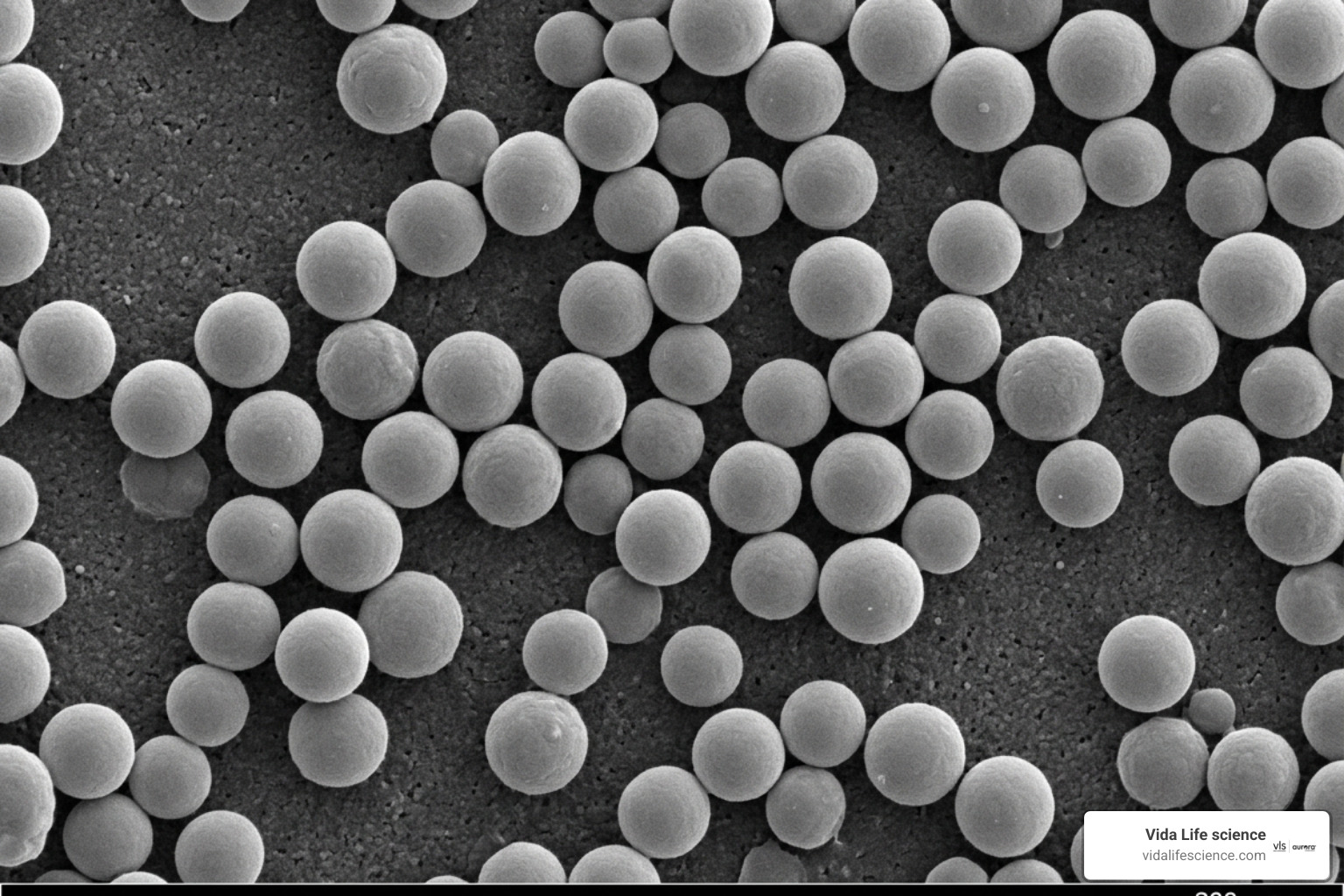
Producing commercial-grade coenzyme q10 liposomal supplements requires precise engineering. Basic blending or low-shear mixing yields unstable emulsions that quickly separate. Modern facilities use high-pressure homogenization or supercritical CO2 techniques to force lipid matrices and CoQ10 through micro-channels under elevated pressure. This reduces vesicle size below 200 nm while creating a uniform lipid bilayer.
To confirm product quality, advanced laboratory methodologies are essential:
-
Scanning Electron Microscopy (SEM): Verifies the spherical morphology and structural uniformity of nanoscale vesicles.
-
Dynamic Light Scattering (DLS): Quantifies particle size distribution and validates low PDI values.
-
Fourier Transform Infrared Spectroscopy (FTIR) & X-ray Photoelectron Spectroscopy (XPS): Confirms complete chemical encapsulation of CoQ10 without chemical alteration of the molecule.
-
Differential Scanning Calorimetry (DSC): Measures thermal phase transitions to verify lipid bilayer stability.
These rigorous techniques yield impressive real-world results. Advanced sunflower liposomal formulations achieve an Encapsulation Efficiency (EE%) of 81.51%, easily outperforming the standard 70% industry threshold.
Furthermore, high-grade liposomal CoQ10 demonstrates impressive physical resilience. Thermal stress testing reveals that well-made liposomes maintain structural integrity even after exposure to 105°C for 4 hours. Under 6-month accelerated stability conditions (40°C ± 2°C and 75% ± 5% relative humidity), premium liposomal CoQ10 maintains an encapsulation efficiency above 81%, ensuring full potency throughout its shelf life.
Frequently Asked Questions About Liposomal CoQ10
How does liposomal encapsulation improve CoQ10 absorption?
Liposomal encapsulation encloses raw CoQ10 inside microscopic double-layered phospholipid spheres. Because these spheres closely mirror human cellular membranes, they easily dissolve in liquid and pass through the gastrointestinal tract without degradation. This allows the liposomes to fuse directly with intestinal epithelial cells (demonstrated by ~70% Caco-2 cell absorption in 4 hours), releasing CoQ10 directly into circulation.
What is the ideal particle size and zeta potential for liposomal CoQ10?
The optimal mean particle size for liposomal CoQ10 is between 100 nm and 200 nm (ideally around 150 nm), paired with a Polydispersity Index (PDI) under 0.3. A zeta potential magnitude below -30 mV (-37.21 mV in high-quality formulations) provides strong negative electrostatic repulsion, preventing the liposomes from clumping together or leaking active ingredient during storage.
Can liposomal CoQ10 be used topically for anti-aging?
Yes! Raw CoQ10's high molecular weight (863 Da) makes passive skin absorption difficult. Liposomal encapsulation allows the nutrient to penetrate the stratum corneum, yielding at least a twofold increase in dermal skin accumulation compared to standard topical suspensions. Regular application helps reduce wrinkle depth, protect against UV-B oxidative stress, and support skin regeneration.
Conclusion
Choosing the right coenzyme q10 liposomal supplement comes down to understanding the science of absorption. Raw CoQ10 is a powerful antioxidant, but its large molecular size and poor water solubility limit standard supplements. Liposomal technology overcomes these barriers by shielding CoQ10 inside nano-sized, phosphatidylcholine-rich vesicles that mirror your body's cellular structure.
When evaluating liposomal CoQ10 products, focus on verifiable quality metrics: sub-200 nm particle sizes, a low PDI under 0.3, high negative zeta potential (-37.21 mV), and an encapsulation efficiency exceeding 80%. These engineering standards ensure that the nutrient remains stable on the shelf and effectively reaches your cells.
At Vida Life Science, we are dedicated to offering high-absorption liposomal formulations manufactured by Aurora Nutrascience. Whether you are looking to support your cardiovascular system, enhance cellular energy, or promote healthy aging, our products deliver active nutrients where your body needs them most. Explore our full range of advanced liposomal supplements today, and read more about Supporting Heart Health with CoQ10 and Curcumin Supplements on our blog.


Coenzyme Q10 Liposomal: Top Brands and Buying Guide
What Is Coenzyme Q10 Liposomal and Why Does It Matter?
Coenzyme Q10 liposomal supplements are one of the most effective ways to get this critical antioxidant into your cells — but not all CoQ10 products are created equal.
Here's a quick look at the top options to consider:
CoQ10 is essential for cellular energy production and acts as a powerful antioxidant throughout the body. The problem? In its standard form, CoQ10 is extremely difficult to absorb. It has a large molecular weight of 863 Da and is highly lipophilic — meaning it doesn't mix well with water, which makes up most of your digestive environment.
The result: most conventional CoQ10 supplements deliver only a fraction of their stated dose to your bloodstream.
Liposomal encapsulation changes that. By wrapping CoQ10 inside tiny phospholipid spheres that mimic your own cell membranes, liposomal formulations dramatically improve how much actually gets absorbed — and where it ends up in your body.
At Vida Life Science, we are the exclusive U.S. distributor of Aurora Nutrascience, a Canadian manufacturer specializing in phosphatidylcholine-based liposomal CoQ10 and other advanced nutrient delivery systems. Our team uses these products personally, and we've built our business around understanding exactly what separates a high-quality liposomal formulation from an ordinary supplement. In the sections below, we break down the science, the key quality markers, and the brands worth your attention.
Why Coenzyme Q10 Liposomal Delivery Outperforms Standard Supplements
When you take standard Coenzyme Q10, whether in crystalline powder, tablet, or unencapsulated softgel form, your digestive system faces significant hurdles. CoQ10 is a notoriously hydrophobic molecule with a high molecular weight of 863 Da and 10 repeating isoprene units. Because it barely dissolves in aqueous gastrointestinal fluids, standard crystalline particles struggle to cross the mucosal lining of your gut. Most of the active dose simply passes through the body unabsorbed.
This is where liposomal delivery creates a fundamental breakthrough. By encapsulating CoQ10 within double-layered lipid spheres made from biological phospholipids, we shield the hydrophobic molecule inside a protective core. These microscopic liposomes naturally disperse in water-based digestive fluids, creating a stable colloidal suspension.
Because the lipid bilayer mimics the structure of human intestinal cell membranes, the body recognizes and absorbs liposomes far more readily than raw crystalline powder. Research evaluating the Impact of liposomal delivery on coenzyme Q10 absorption demonstrates that encapsulation allows the nutrient to bypass standard solubility limits. In laboratory intestinal models using Caco-2 cell monolayers, liposomal CoQ10 achieves approximately 70% permeability within just four hours. This membrane-mimicking technology transforms a notoriously difficult-to-absorb nutrient into an easily accessible source of cellular energy.
Key Factors in Choosing a Coenzyme Q10 Liposomal Supplement
Navigating the market for coenzyme q10 liposomal products requires understanding what separates genuine liposomal formulations from simple oil mixtures. To help you evaluate your choices, let's contrast standard crystalline supplements with advanced liposomal options:
Evaluating Coenzyme Q10 Liposomal Particle Size and Zeta Potential
When choosing a coenzyme q10 liposomal supplement, size and electrostatic surface charge dictate performance. The ideal mean particle size for liposomal vesicles ranges between 100 nm and 200 nm, with precise formulations achieving average diameters around 150.2 nm. Nanoscale droplets in this size envelope navigate biological barriers with minimal resistance.
Equally critical is the Polydispersity Index (PDI), measured via Dynamic Light Scattering (DLS). A PDI around 0.3286 indicates a tight, uniform size distribution where vesicles remain consistent in shape rather than clumping together into large aggregates.
To keep these nano-vesicles stable in liquid suspension, surface electrical charge matters. Zeta potential measures the electrostatic repulsion between liposomes. A zeta potential of -37.21 mV (well beyond the standard stability threshold of -30 mV) ensures that liposomes actively push away from one another. This electrical charge prevents settling, clumping, and leakage of the active payload over time.
Phospholipid Composition and Bilayer Synergy
The structural integrity of a liposome depends on the quality of its underlying phospholipids. High-tier liposomal formulations use purified lecithin derived from non-GMO sunflower seeds, providing an allergen-free alternative to traditional soy-derived lipids.
A premium phospholipid complex contains roughly 93% total active phospholipids, featuring:
Phosphatidylcholine serves as the primary building block of cell membranes throughout the human body. When used as an encapsulating agent, PC not only carries CoQ10 across the intestinal lining but also supplies valuable choline for cell structure and liver health.
Formulators sometimes add secondary antioxidants like Vitamin E (alpha-tocopherol) to protect the lipid membrane against oxidation. However, balance is vital: because hydrophobic Vitamin E competes for space within the liposomes' inner lipid shell, adding excessive amounts can lower the overall encapsulation efficiency of CoQ10.
Clinical Evidence, Cellular Uptake, and Health Benefits
The clinical benefits of coenzyme q10 liposomal supplementation stem directly from its ability to enhance cellular uptake and deliver meaningful concentrations of ubiquinone where it is needed most. Within the cell, CoQ10 acts as an essential cofactor in the mitochondrial electron transport chain, driving adenosine triphosphate (ATP) synthesis to power cardiac tissue, brain cells, and skeletal muscle.
In preclinical skin delivery trials, liposomal encapsulation using phosphatidylcholine increased dermal accumulation of CoQ10 at least twofold compared to standard unencapsulated suspensions (p < 0.05). By penetrating deep dermal layers, liposomal CoQ10 neutralizes free radicals produced by environmental stressors and supports structural cellular repair.
Coenzyme Q10 Liposomal Benefits for Skin and Cardiovascular Health
The biological impact of liposomal CoQ10 extends across multiple physiological systems:
Advanced Manufacturing, Analytical Testing, and Stability Standards
Producing commercial-grade coenzyme q10 liposomal supplements requires precise engineering. Basic blending or low-shear mixing yields unstable emulsions that quickly separate. Modern facilities use high-pressure homogenization or supercritical CO2 techniques to force lipid matrices and CoQ10 through micro-channels under elevated pressure. This reduces vesicle size below 200 nm while creating a uniform lipid bilayer.
To confirm product quality, advanced laboratory methodologies are essential:
These rigorous techniques yield impressive real-world results. Advanced sunflower liposomal formulations achieve an Encapsulation Efficiency (EE%) of 81.51%, easily outperforming the standard 70% industry threshold.
Furthermore, high-grade liposomal CoQ10 demonstrates impressive physical resilience. Thermal stress testing reveals that well-made liposomes maintain structural integrity even after exposure to 105°C for 4 hours. Under 6-month accelerated stability conditions (40°C ± 2°C and 75% ± 5% relative humidity), premium liposomal CoQ10 maintains an encapsulation efficiency above 81%, ensuring full potency throughout its shelf life.
Frequently Asked Questions About Liposomal CoQ10
How does liposomal encapsulation improve CoQ10 absorption?
Liposomal encapsulation encloses raw CoQ10 inside microscopic double-layered phospholipid spheres. Because these spheres closely mirror human cellular membranes, they easily dissolve in liquid and pass through the gastrointestinal tract without degradation. This allows the liposomes to fuse directly with intestinal epithelial cells (demonstrated by ~70% Caco-2 cell absorption in 4 hours), releasing CoQ10 directly into circulation.
What is the ideal particle size and zeta potential for liposomal CoQ10?
The optimal mean particle size for liposomal CoQ10 is between 100 nm and 200 nm (ideally around 150 nm), paired with a Polydispersity Index (PDI) under 0.3. A zeta potential magnitude below -30 mV (-37.21 mV in high-quality formulations) provides strong negative electrostatic repulsion, preventing the liposomes from clumping together or leaking active ingredient during storage.
Can liposomal CoQ10 be used topically for anti-aging?
Yes! Raw CoQ10's high molecular weight (863 Da) makes passive skin absorption difficult. Liposomal encapsulation allows the nutrient to penetrate the stratum corneum, yielding at least a twofold increase in dermal skin accumulation compared to standard topical suspensions. Regular application helps reduce wrinkle depth, protect against UV-B oxidative stress, and support skin regeneration.
Conclusion
Choosing the right coenzyme q10 liposomal supplement comes down to understanding the science of absorption. Raw CoQ10 is a powerful antioxidant, but its large molecular size and poor water solubility limit standard supplements. Liposomal technology overcomes these barriers by shielding CoQ10 inside nano-sized, phosphatidylcholine-rich vesicles that mirror your body's cellular structure.
When evaluating liposomal CoQ10 products, focus on verifiable quality metrics: sub-200 nm particle sizes, a low PDI under 0.3, high negative zeta potential (-37.21 mV), and an encapsulation efficiency exceeding 80%. These engineering standards ensure that the nutrient remains stable on the shelf and effectively reaches your cells.
At Vida Life Science, we are dedicated to offering high-absorption liposomal formulations manufactured by Aurora Nutrascience. Whether you are looking to support your cardiovascular system, enhance cellular energy, or promote healthy aging, our products deliver active nutrients where your body needs them most. Explore our full range of advanced liposomal supplements today, and read more about Supporting Heart Health with CoQ10 and Curcumin Supplements on our blog.