What Are the Best Vitamins and Minerals for Heart Health?
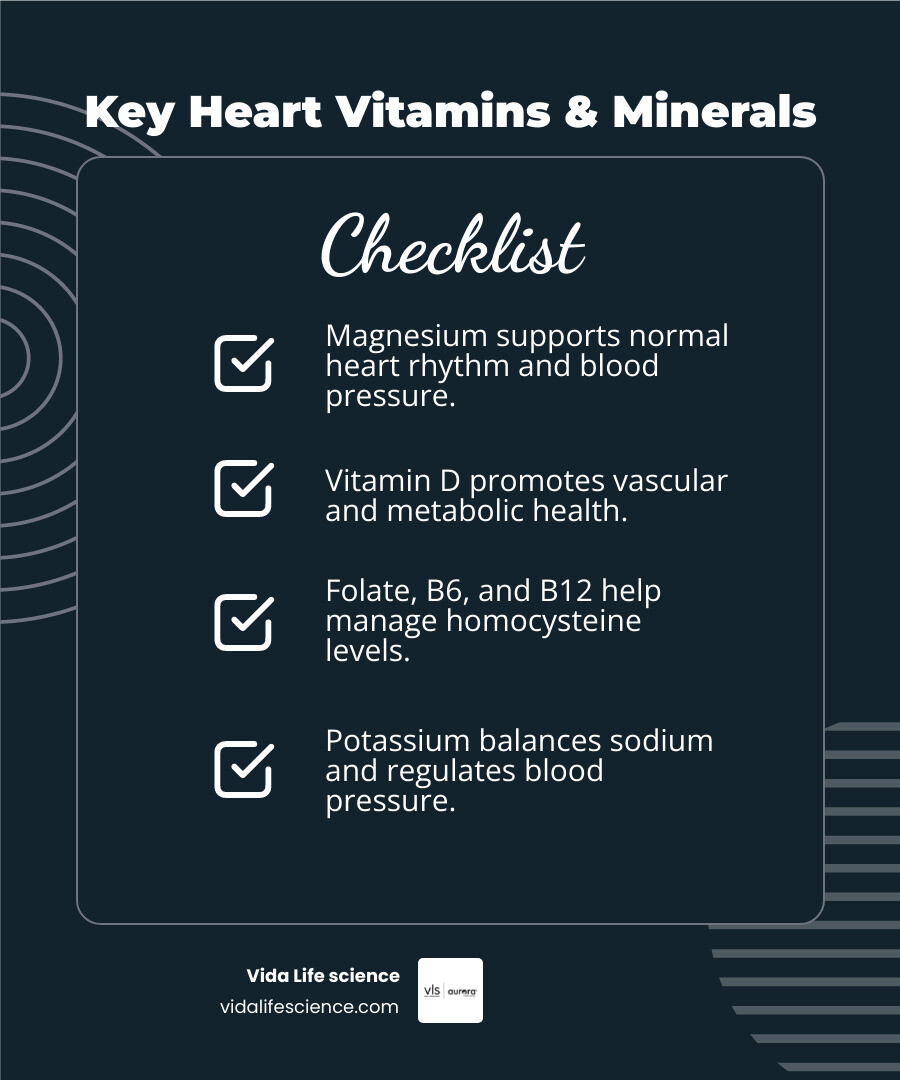
The best vitamins and minerals for heart health are magnesium, vitamin D, folate and other B vitamins, and potassium from food. They help support normal heart rhythm, blood pressure, blood vessel function, and energy production, but they do not replace heart medicines or the basics of a healthy lifestyle.
| Nutrient |
Main role in cardiovascular health |
First choice |
| Magnesium |
Supports normal heart rhythm and blood pressure |
Leafy greens, beans, nuts, seeds |
| Vitamin D |
Supports overall vascular and metabolic health |
Sun exposure, fortified foods, fatty fish |
| Folate, B6, and B12 |
Help process homocysteine, a blood marker tied to vascular risk |
Greens, legumes, eggs, fish, fortified grains |
| Potassium |
Helps balance sodium and regulate blood pressure |
Fruits, vegetables, beans, dairy |
| CoQ10 |
Supports cellular energy production, especially in the heart |
Food sources or targeted clinical use |
Nearly half of U.S. adults have some form of cardiovascular disease, yet a supplement bottle is rarely the missing piece. Research consistently finds that a plant-rich eating pattern, regular movement, good sleep, not smoking, and treatment for high blood pressure, cholesterol, or diabetes have a far larger effect on heart risk than routine vitamin pills.
Supplements can still have a role when a lab test, diet pattern, medication, or medical condition points to a real gap. The key is to match the nutrient, form, and dose to the person - because too much of certain products, or the wrong combination with heart medication, can cause harm.
At Vida Life Science, we focus on advanced, phosphatidylcholine-based liposomal nutrition, including vitamin C, glutathione, and CoQ10 formulations designed to support nutrient absorption without unnecessary additives. Our work with the best vitamins and minerals for heart health starts with a simple principle: targeted nutrition should complement, never replace, food-first habits and professional medical care.
Top Evidence-Based Best Vitamins and Minerals for Heart Health
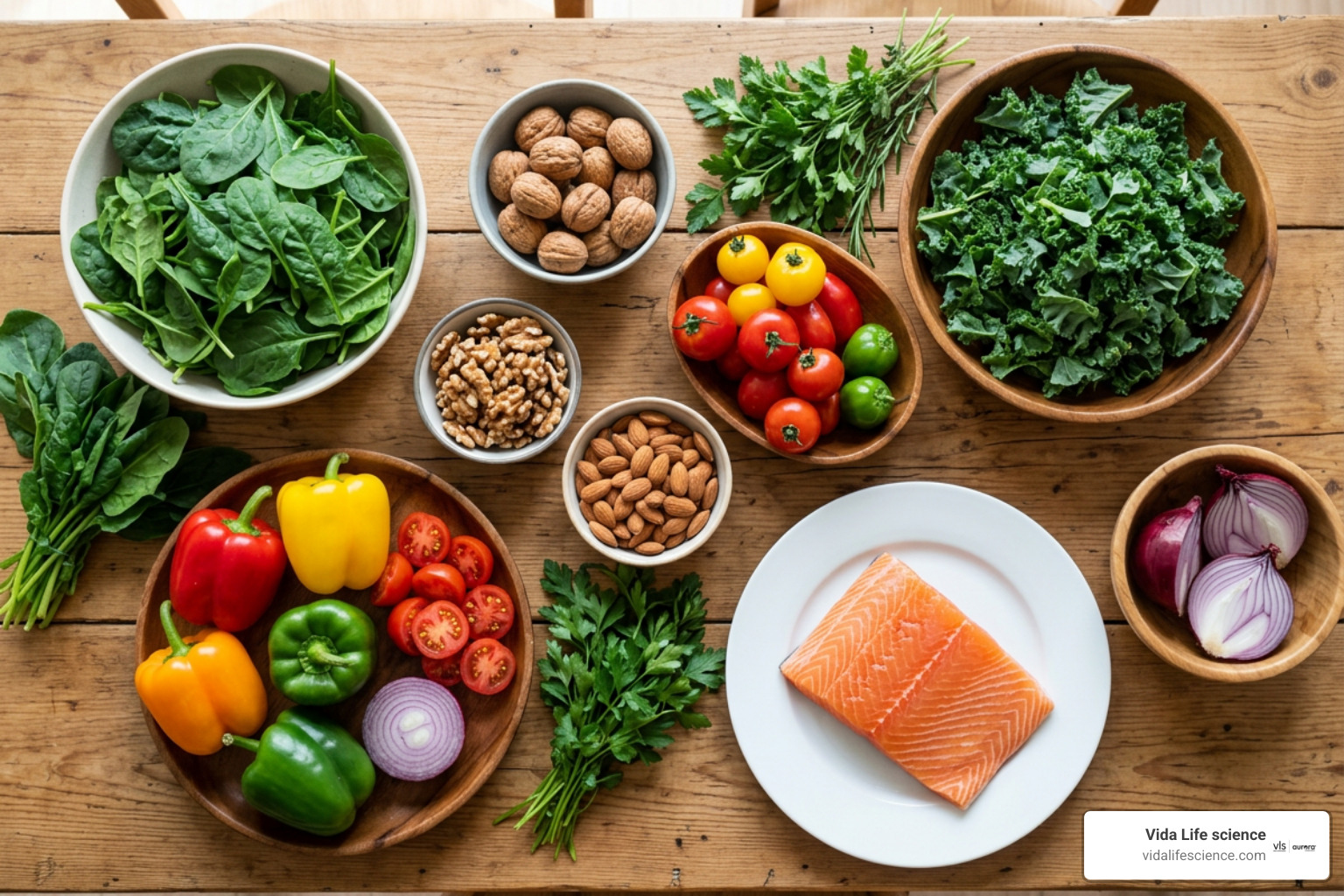
When we talk about maintaining a resilient cardiovascular system, key vitamins and minerals act as silent biological machinery behind every contraction of the heart muscle. Over 48% of adults in the United States currently navigate some form of cardiovascular disease. While taking an over-the-counter pill might seem like a quick fix, science shows that isolated nutrients work best when addressing real dietary gaps or specific metabolic needs.
Getting your daily requirements from whole foods—like dark leafy greens, seeds, nuts, wild-caught fish, and colorful vegetables—provides a full spectrum of cofactors that synthetic multi-pills struggle to replicate. However, understanding which individual micronutrients actually move the needle allows us to make smarter choices for our overall wellness.
Essential Micronutrients: The Best Vitamins and Minerals for Heart Health
Among essential minerals, magnesium stands out as an indispensable element for cardiac wellness. Serving as a required cofactor in over 300 enzymatic reactions, magnesium helps regulate vascular tone, maintains electrical conduction across cardiac cells, and supports healthy blood pressure levels. The recommended daily intake sits at approximately 420 mg for adult men and 320 mg for adult women. Unfortunately, many adults fall short of these targets due to soil depletion and reliance on ultra-processed foods. Studies reveal that low magnesium levels correlate with an increased tendency toward arterial stiffness and soft tissue calcification.
Fat-soluble vitamins also play a crucial role in maintaining arterial structure. Vitamin D3 helps modulate systemic inflammation and supports vascular health. Guidelines recommend that adults under age 70 aim for at least 600 IU (15 mcg) of vitamin D daily, while those over 70 should target 800 IU (20 mcg). When paired with Vitamin K2, these nutrients act in tandem: Vitamin D facilitates calcium absorption, while Vitamin K2 helps direct that calcium directly into bone matrix rather than allowing it to deposit along arterial walls. Choosing advanced options like liposomal Vitamin D3 with K2 helps optimize nutrient uptake. As detailed in a comprehensive PMC clinical study on micronutrients, maintaining optimal baseline levels of these key minerals and vitamins directly supports vascular flexibility and long-term cardiac stability.
B-Complex Vitamins and Folic Acid for Arterial Integrity
The B-complex family—specifically folic acid (vitamin B9), vitamin B6, and vitamin B12—plays a vital role in regulating a blood amino acid called homocysteine. Elevated homocysteine levels are known to irritate delicate blood vessel linings, encouraging plaque build-up and increasing overall vascular resistance.
By providing your body with adequate amounts of B vitamins, you support the enzymatic conversion of homocysteine into safer, usable compounds.
-
Folic Acid (Vitamin B9): Highly effective at lowering circulating homocysteine. The landmark China Stroke Primary Prevention Trial (CSPPT), which evaluated over 20,000 adults with high blood pressure, demonstrated that supplementing with folic acid reduced the risk of ischemic stroke by an impressive 21%.
-
Vitamin B6 (Pyridoxal 5'-Phosphate): Helps maintain normal cardiomyocyte calcium transport and cellular energy balance, aiding cardiac tissue during times of metabolic stress.
-
Vitamin B12: Works side-by-side with folate to preserve red blood cell integrity and neurological signaling across the cardiac nervous system.
Recognizing early signs of vitamin deficiencies allows you to address subtle nutritional gaps before they impact your vascular health. Further research on vitamin efficacy demonstrates that hydro-soluble B vitamins work best as preventive support rather than late-stage therapeutic cures, making steady dietary intake essential.
Essential Antioxidants and Cardioprotective Compounds
Beyond standard vitamins and minerals, specific cardioprotective compounds support cellular energy within the heart muscle and shield the delicate endothelial lining from oxidative damage. The table below outlines how these targeted compounds support cardiovascular function:
| Compound / Nutrient |
Primary Biological Mechanism |
Targeted Cardiovascular Benefit |
Typical Food or Supplemental Source |
| Coenzyme Q10 (CoQ10) |
Boosts mitochondrial ATP energy production; lipid antioxidant |
Supports ejection fraction in heart failure; eases cellular fatigue |
Organ meats, fatty fish, liposomal CoQ10 |
| Glutathione |
Master intracellular antioxidant; neutralizes reactive oxygen species |
Protects blood vessel walls from lipid peroxidation and stress |
Avocado, asparagus, liposomal glutathione |
| Curcumin |
Downregulates inflammatory cytokines; preserves endothelial nitric oxide |
Supports healthy vascular relaxation and arterial flexibility |
Turmeric root, liposomal curcumin extracts |
| Omega-3 Fatty Acids (EPA/DHA) |
Lowers liver triglyceride synthesis; stabilizes cell membranes |
Reduces elevated blood fats; supports overall heart rhythm |
Wild salmon, sardines, purified marine oil |
| Psyllium Soluble Fiber |
Binds bile acids in the gut; promotes hepatic cholesterol clearance |
Lowers LDL cholesterol levels by over 6% |
Plantago ovata husks, oats, legumes |
CoQ10, Curcumin, and Glutathione for Endothelial Protection
The heart is one of the most energetically demanding organs in the human body, contracting around 100,000 times every single day. To meet this massive energy requirement, cardiac muscle cells rely heavily on mitochondria. Coenzyme Q10 (CoQ10) acts as an essential electron carrier inside these cellular powerhouses. Clinical studies, including the notable Q-SYMBIO trial, show that CoQ10 supplementation (at doses around 300 mg daily) significantly supports cellular energy production and reduces major adverse events in individuals recovering from heart failure. Furthermore, for individuals taking statin medications, CoQ10 can help replenish nutrient levels that may be depleted by cholesterol-lowering drugs.
To complement cellular energy production, master antioxidants like glutathione and plant compounds like curcumin provide deep endothelial defense. Glutathione neutralizes harmful reactive oxygen species before they can oxidize LDL cholesterol, a major driver of arterial plaque formation. Meanwhile, curcumin helps regulate systemic inflammatory pathways. Exploring options like supporting heart health with CoQ10 and exploring liposomal glutathione can help maximize antioxidant delivery where your body needs it most.
Omega-3 Fatty Acids, Fiber, and Plant Sterols
When evaluating non-vitamin dietary supplements, marine omega-3 fatty acids (EPA and DHA) and soluble fibers offer strong evidence for lipid management. Omega-3 fatty acids help lower elevated triglyceride levels in the liver. However, recent clinical insights emphasize the importance of choosing the right form and dosage. While purified EPA formulations show clear benefits for high-risk cardiac patients, taking high doses of mixed fish oils without medical oversight requires care. A large study of over 400,000 individuals revealed that healthy adults without pre-existing heart conditions who took regular fish oil supplements actually experienced a slightly higher risk of developing atrial fibrillation and stroke.
For cholesterol management, psyllium fiber supplements offer a proven food-first addition. Soluble fiber binds to cholesterol-rich bile acids in the digestive tract, encouraging their natural elimination. Regular use of psyllium fiber can reduce circulating LDL cholesterol by over 6%, functioning as an effective natural tool alongside dietary adjustments. Insights highlighted in recent reviews on advances in cardiovascular supplementation highlight how targeted fiber, plant sterols, and pure fatty acids work best when tailored to individual lipid panels.
Navigating Safety: Risks, Interactions, and Supplements to Avoid
While it is easy to assume that over-the-counter dietary supplements are entirely harmless, high-dose single-nutrient products act much like biological agents in the body. Dietary supplements are legally classified as food products, meaning they are not subject to the same strict pre-market approval processes for efficacy that the FDA requires for prescription medications. Taking unneeded high-dose supplements can strain liver and kidney function, mask underlying symptoms, or cause dangerous interactions with standard heart medications.
How to Choose the Best Vitamins and Minerals for Heart Health Safely
Navigating nutritional support requires an evidence-based approach rather than guesswork. Nearly half (49%) of all U.S. adults report using dietary supplements, but fewer than a quarter take them under a physician's direct recommendation. Before introducing new products to your morning routine, follow these practical steps to protect your health:
-
Get Targeted Blood Work: Request diagnostic panels from your doctor to evaluate serum levels of 25-hydroxyvitamin D, magnesium, B12, and lipid markers before starting a supplement regimen.
-
Review Drug Interactions: Bring your complete supplement list to your cardiologist or primary care doctor. High-dose garlic supplements, for example, can increase bleeding risks when combined with blood thinners like warfarin, and should be discontinued at least two weeks before elective surgery.
-
Prioritize Bioavailable Food Sources: Use supplements to fill actual nutrition gaps rather than replacing a varied diet rich in vegetables, lean proteins, legumes, and whole grains.
-
Monitor Baseline Function: If taking high-dose minerals, periodically check kidney function, as compromised kidneys can struggle to clear excess magnesium or potassium.
Learning smart strategies for addressing common deficiencies ensures that your supplementation choices remain safe, effective, and tailored to your unique personal needs.
Red Flag Supplements and Over-Supplementation Hazards
Not all supplements advertised for heart support live up to their claims, and some can even carry unnecessary risks. Being aware of potential hazards helps protect your vascular system from unintended harm.
-
Excess Choline: Excessive intake of isolated choline can be converted by gut bacteria into trimethylamine (TMA), which the liver then transforms into TMAO (trimethylamine N-oxide). Elevated TMAO levels increase blood platelet clumping, raising the risk of dangerous blood clots.
-
High-Dose Beta-Carotene & Vitamin E: Large clinical trials (such as the CARET and ATBC studies) revealed that synthetic beta-carotene increased lung cancer risks in smokers, while extended high-dose Vitamin E supplementation was linked to an elevated risk of heart failure in certain at-risk groups.
-
L-Arginine Post-Heart Attack: Clinical trials involving high-dose L-arginine for post-myocardial infarction recovery had to be stopped early due to an increased mortality risk in the supplement group.
-
Plant Stanols and Sterols: While sterols can lower cholesterol absorption, emerging research suggests caution until long-term safety studies fully clarify their impact on overall cardiac outcomes.
An insightful Cleveland Clinic supplement analysis stresses that high-dose antioxidants and unregulated compounds can disrupt your body's delicate internal balance, proving that more is not always better.
Maximizing Bioavailability Through Advanced Liposomal Delivery
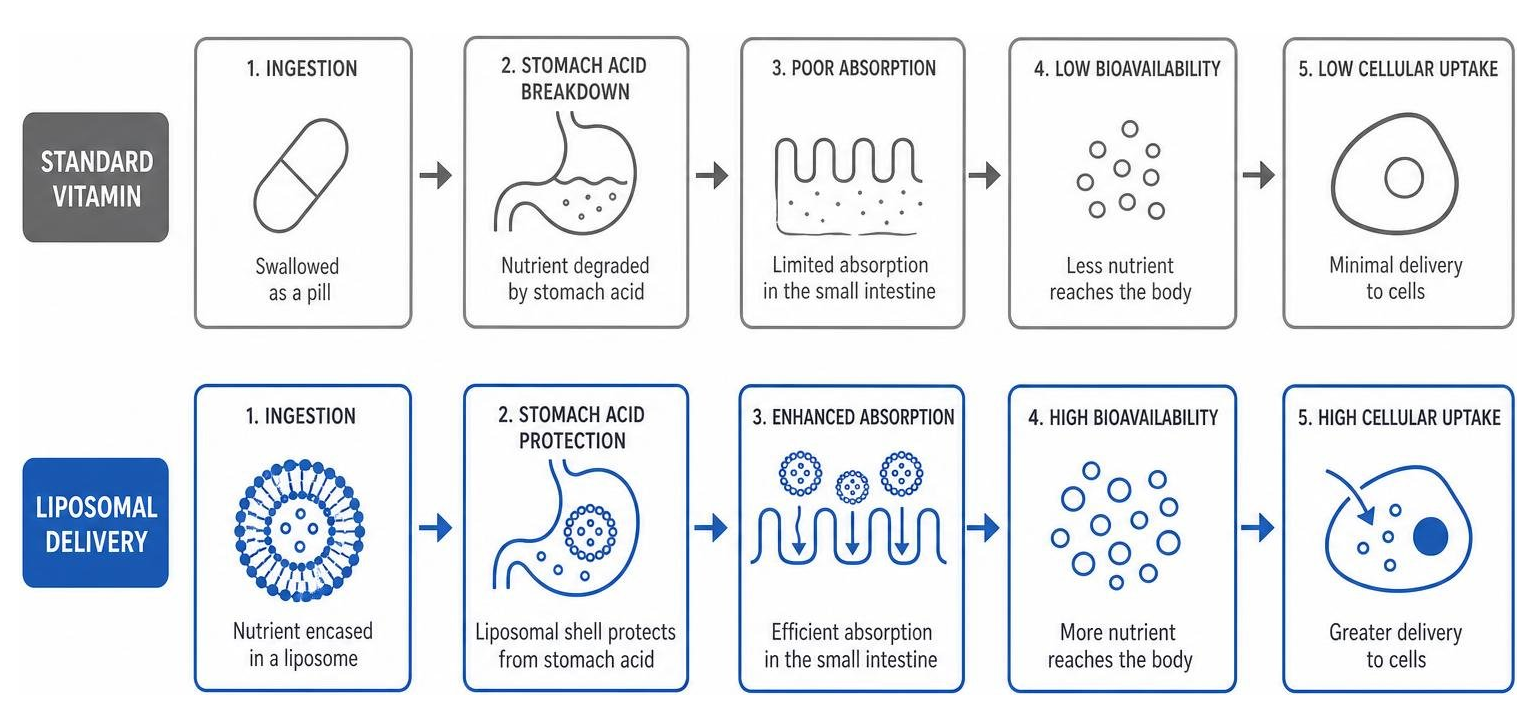
One of the biggest hurdles with traditional oral supplements is poor nutrient bioavailability. When you swallow a standard vitamin pill, tablet, or powder, it must survive the harsh, acidic environment of the stomach and pass through digestive enzymes in the upper GI tract. Many delicate compounds—such as glutathione, CoQ10, and Vitamin C—are easily degraded before they ever reach the small intestine, where absorption takes place.
This is where advanced liposomal delivery technology makes a significant difference. Liposomes are microscopic, double-layered spheres made from phosphatidylcholine—the exact same lipid material that forms human cell membranes. By wrapping active vitamins and minerals inside these protective phospholipid bubbles, the nutrients are shielded from harsh stomach acid and digestive degradation.
Because liposomal structures mirror your body's own cell membranes, they easily fuse with intestinal cells, delivering active nutrients directly into the bloodstream and targeted tissues. This process minimizes common gastrointestinal discomfort (such as stomach upset from high-dose vitamin C or zinc) while providing significantly higher absorption rates at lower, safer doses. For vital heart compounds like CoQ10, curcumin, and glutathione, liposomal encapsulation helps ensure that your body can actually absorb and utilize the nutrients you take.
Frequently Asked Questions About Cardiovascular Nutrients
Can taking daily vitamins prevent a heart attack?
No single vitamin supplement can prevent a heart attack or replace a heart-healthy lifestyle. The Physicians' Health Study II, which followed over 14,000 male physicians over 11 years, found that taking a daily multivitamin provided no significant reduction in major cardiovascular events, heart attack, stroke, or mortality. Major health organizations like the American Heart Association emphasize that lifestyle habits—including a nutrient-dense whole-food diet, regular physical exercise, stress management, quality sleep, and avoiding smoking—have a far greater impact on cardiovascular health than routine supplement pills. As highlighted in Johns Hopkins heart supplement research, dietary supplements should be used to correct documented deficiencies rather than viewed as a substitute for healthy living.
Are there side effects when combining supplements with heart medications?
Yes, combining dietary supplements with prescription cardiovascular drugs can lead to significant side effects or dangerous drug interactions. Common examples include:
-
Garlic and Blood Thinners: Concentrated garlic extracts can amplify the effects of medications like warfarin or aspirin, raising the risk of unexpected bleeding.
-
CoQ10 and Warfarin: Because CoQ10 shares a chemical structure similar to Vitamin K, it may reduce the blood-thinning effectiveness of warfarin, requiring careful medical monitoring.
-
Magnesium and Blood Pressure Drugs: High doses of supplemental magnesium alongside calcium channel blockers or ACE inhibitors can cause blood pressure to drop lower than intended.
-
St. John's Wort and Cardiac Drugs: This herbal product speeds up liver metabolism, lowering the effective blood levels of statins, beta-blockers, and blood thinners.
Always inform your doctor or pharmacist about every supplement, herb, and over-the-counter pill you take to ensure your routine remains safe.
How do I know if I have a nutrient deficiency impacting my heart?
Identifying a nutrient deficiency involves a combination of routine diagnostic blood testing, physical evaluations, and reviewing your overall diet with a physician. Common clinical indicators and diagnostic tests include:
-
Diagnostic Serum Panels: Standard blood work measures serum magnesium, 25-hydroxyvitamin D, serum B12, folate, and erythrocyte potassium levels to reveal hidden nutritional gaps.
-
Physical Indicators: Unexplained muscle weakness, persistent fatigue, heart palpitations, or tingling in the hands and feet can signal underlying magnesium or B-vitamin deficiencies.
-
Dietary and Lifestyle Risk Factors: Restricted diets, digestive malabsorption conditions, living in northern latitudes with limited sun exposure, or taking certain medications (like proton pump inhibitors or diuretics) increase your risk for specific micronutrient shortfalls.
Conclusion: Building a Heart-Healthy Nutrient Strategy
Taking care of your cardiovascular system doesn't require filling your cabinet with endless bottles of trendy supplements. The true foundation of lasting heart health rests on daily lifestyle choices: enjoying a varied diet rich in colorful plant foods, staying active, prioritizing sleep, and working with your doctor to manage blood pressure and cholesterol levels.
Supplements can serve as valuable tools, but only when used with clear purpose. When a documented deficiency, dietary gap, or specific health goal calls for targeted nutritional support, choosing bioavailable forms makes all the difference. At Vida Life Science, our liposomal technology wraps delicate nutrients in protective phospholipid layers, helping your body absorb key compounds like CoQ10, glutathione, and essential vitamins without unnecessary stomach distress.
Take a proactive step today: speak with your healthcare provider, request a comprehensive blood panel to check your micronutrient levels, and build a personalized heart-health plan. Explore our comprehensive guide to supporting heart health to learn more about how advanced, evidence-based liposomal nutrition can complement your daily wellness routine.


Don't Miss a Beat: Essential Vitamins and Minerals for Heart Health
What Are the Best Vitamins and Minerals for Heart Health?
The best vitamins and minerals for heart health are magnesium, vitamin D, folate and other B vitamins, and potassium from food. They help support normal heart rhythm, blood pressure, blood vessel function, and energy production, but they do not replace heart medicines or the basics of a healthy lifestyle.
Nearly half of U.S. adults have some form of cardiovascular disease, yet a supplement bottle is rarely the missing piece. Research consistently finds that a plant-rich eating pattern, regular movement, good sleep, not smoking, and treatment for high blood pressure, cholesterol, or diabetes have a far larger effect on heart risk than routine vitamin pills.
Supplements can still have a role when a lab test, diet pattern, medication, or medical condition points to a real gap. The key is to match the nutrient, form, and dose to the person - because too much of certain products, or the wrong combination with heart medication, can cause harm.
At Vida Life Science, we focus on advanced, phosphatidylcholine-based liposomal nutrition, including vitamin C, glutathione, and CoQ10 formulations designed to support nutrient absorption without unnecessary additives. Our work with the best vitamins and minerals for heart health starts with a simple principle: targeted nutrition should complement, never replace, food-first habits and professional medical care.
Top Evidence-Based Best Vitamins and Minerals for Heart Health
When we talk about maintaining a resilient cardiovascular system, key vitamins and minerals act as silent biological machinery behind every contraction of the heart muscle. Over 48% of adults in the United States currently navigate some form of cardiovascular disease. While taking an over-the-counter pill might seem like a quick fix, science shows that isolated nutrients work best when addressing real dietary gaps or specific metabolic needs.
Getting your daily requirements from whole foods—like dark leafy greens, seeds, nuts, wild-caught fish, and colorful vegetables—provides a full spectrum of cofactors that synthetic multi-pills struggle to replicate. However, understanding which individual micronutrients actually move the needle allows us to make smarter choices for our overall wellness.
Essential Micronutrients: The Best Vitamins and Minerals for Heart Health
Among essential minerals, magnesium stands out as an indispensable element for cardiac wellness. Serving as a required cofactor in over 300 enzymatic reactions, magnesium helps regulate vascular tone, maintains electrical conduction across cardiac cells, and supports healthy blood pressure levels. The recommended daily intake sits at approximately 420 mg for adult men and 320 mg for adult women. Unfortunately, many adults fall short of these targets due to soil depletion and reliance on ultra-processed foods. Studies reveal that low magnesium levels correlate with an increased tendency toward arterial stiffness and soft tissue calcification.
Fat-soluble vitamins also play a crucial role in maintaining arterial structure. Vitamin D3 helps modulate systemic inflammation and supports vascular health. Guidelines recommend that adults under age 70 aim for at least 600 IU (15 mcg) of vitamin D daily, while those over 70 should target 800 IU (20 mcg). When paired with Vitamin K2, these nutrients act in tandem: Vitamin D facilitates calcium absorption, while Vitamin K2 helps direct that calcium directly into bone matrix rather than allowing it to deposit along arterial walls. Choosing advanced options like liposomal Vitamin D3 with K2 helps optimize nutrient uptake. As detailed in a comprehensive PMC clinical study on micronutrients, maintaining optimal baseline levels of these key minerals and vitamins directly supports vascular flexibility and long-term cardiac stability.
B-Complex Vitamins and Folic Acid for Arterial Integrity
The B-complex family—specifically folic acid (vitamin B9), vitamin B6, and vitamin B12—plays a vital role in regulating a blood amino acid called homocysteine. Elevated homocysteine levels are known to irritate delicate blood vessel linings, encouraging plaque build-up and increasing overall vascular resistance.
By providing your body with adequate amounts of B vitamins, you support the enzymatic conversion of homocysteine into safer, usable compounds.
Recognizing early signs of vitamin deficiencies allows you to address subtle nutritional gaps before they impact your vascular health. Further research on vitamin efficacy demonstrates that hydro-soluble B vitamins work best as preventive support rather than late-stage therapeutic cures, making steady dietary intake essential.
Essential Antioxidants and Cardioprotective Compounds
Beyond standard vitamins and minerals, specific cardioprotective compounds support cellular energy within the heart muscle and shield the delicate endothelial lining from oxidative damage. The table below outlines how these targeted compounds support cardiovascular function:
CoQ10, Curcumin, and Glutathione for Endothelial Protection
The heart is one of the most energetically demanding organs in the human body, contracting around 100,000 times every single day. To meet this massive energy requirement, cardiac muscle cells rely heavily on mitochondria. Coenzyme Q10 (CoQ10) acts as an essential electron carrier inside these cellular powerhouses. Clinical studies, including the notable Q-SYMBIO trial, show that CoQ10 supplementation (at doses around 300 mg daily) significantly supports cellular energy production and reduces major adverse events in individuals recovering from heart failure. Furthermore, for individuals taking statin medications, CoQ10 can help replenish nutrient levels that may be depleted by cholesterol-lowering drugs.
To complement cellular energy production, master antioxidants like glutathione and plant compounds like curcumin provide deep endothelial defense. Glutathione neutralizes harmful reactive oxygen species before they can oxidize LDL cholesterol, a major driver of arterial plaque formation. Meanwhile, curcumin helps regulate systemic inflammatory pathways. Exploring options like supporting heart health with CoQ10 and exploring liposomal glutathione can help maximize antioxidant delivery where your body needs it most.
Omega-3 Fatty Acids, Fiber, and Plant Sterols
When evaluating non-vitamin dietary supplements, marine omega-3 fatty acids (EPA and DHA) and soluble fibers offer strong evidence for lipid management. Omega-3 fatty acids help lower elevated triglyceride levels in the liver. However, recent clinical insights emphasize the importance of choosing the right form and dosage. While purified EPA formulations show clear benefits for high-risk cardiac patients, taking high doses of mixed fish oils without medical oversight requires care. A large study of over 400,000 individuals revealed that healthy adults without pre-existing heart conditions who took regular fish oil supplements actually experienced a slightly higher risk of developing atrial fibrillation and stroke.
For cholesterol management, psyllium fiber supplements offer a proven food-first addition. Soluble fiber binds to cholesterol-rich bile acids in the digestive tract, encouraging their natural elimination. Regular use of psyllium fiber can reduce circulating LDL cholesterol by over 6%, functioning as an effective natural tool alongside dietary adjustments. Insights highlighted in recent reviews on advances in cardiovascular supplementation highlight how targeted fiber, plant sterols, and pure fatty acids work best when tailored to individual lipid panels.
Navigating Safety: Risks, Interactions, and Supplements to Avoid
While it is easy to assume that over-the-counter dietary supplements are entirely harmless, high-dose single-nutrient products act much like biological agents in the body. Dietary supplements are legally classified as food products, meaning they are not subject to the same strict pre-market approval processes for efficacy that the FDA requires for prescription medications. Taking unneeded high-dose supplements can strain liver and kidney function, mask underlying symptoms, or cause dangerous interactions with standard heart medications.
How to Choose the Best Vitamins and Minerals for Heart Health Safely
Navigating nutritional support requires an evidence-based approach rather than guesswork. Nearly half (49%) of all U.S. adults report using dietary supplements, but fewer than a quarter take them under a physician's direct recommendation. Before introducing new products to your morning routine, follow these practical steps to protect your health:
Learning smart strategies for addressing common deficiencies ensures that your supplementation choices remain safe, effective, and tailored to your unique personal needs.
Red Flag Supplements and Over-Supplementation Hazards
Not all supplements advertised for heart support live up to their claims, and some can even carry unnecessary risks. Being aware of potential hazards helps protect your vascular system from unintended harm.
An insightful Cleveland Clinic supplement analysis stresses that high-dose antioxidants and unregulated compounds can disrupt your body's delicate internal balance, proving that more is not always better.
Maximizing Bioavailability Through Advanced Liposomal Delivery
One of the biggest hurdles with traditional oral supplements is poor nutrient bioavailability. When you swallow a standard vitamin pill, tablet, or powder, it must survive the harsh, acidic environment of the stomach and pass through digestive enzymes in the upper GI tract. Many delicate compounds—such as glutathione, CoQ10, and Vitamin C—are easily degraded before they ever reach the small intestine, where absorption takes place.
This is where advanced liposomal delivery technology makes a significant difference. Liposomes are microscopic, double-layered spheres made from phosphatidylcholine—the exact same lipid material that forms human cell membranes. By wrapping active vitamins and minerals inside these protective phospholipid bubbles, the nutrients are shielded from harsh stomach acid and digestive degradation.
Because liposomal structures mirror your body's own cell membranes, they easily fuse with intestinal cells, delivering active nutrients directly into the bloodstream and targeted tissues. This process minimizes common gastrointestinal discomfort (such as stomach upset from high-dose vitamin C or zinc) while providing significantly higher absorption rates at lower, safer doses. For vital heart compounds like CoQ10, curcumin, and glutathione, liposomal encapsulation helps ensure that your body can actually absorb and utilize the nutrients you take.
Frequently Asked Questions About Cardiovascular Nutrients
Can taking daily vitamins prevent a heart attack?
No single vitamin supplement can prevent a heart attack or replace a heart-healthy lifestyle. The Physicians' Health Study II, which followed over 14,000 male physicians over 11 years, found that taking a daily multivitamin provided no significant reduction in major cardiovascular events, heart attack, stroke, or mortality. Major health organizations like the American Heart Association emphasize that lifestyle habits—including a nutrient-dense whole-food diet, regular physical exercise, stress management, quality sleep, and avoiding smoking—have a far greater impact on cardiovascular health than routine supplement pills. As highlighted in Johns Hopkins heart supplement research, dietary supplements should be used to correct documented deficiencies rather than viewed as a substitute for healthy living.
Are there side effects when combining supplements with heart medications?
Yes, combining dietary supplements with prescription cardiovascular drugs can lead to significant side effects or dangerous drug interactions. Common examples include:
Always inform your doctor or pharmacist about every supplement, herb, and over-the-counter pill you take to ensure your routine remains safe.
How do I know if I have a nutrient deficiency impacting my heart?
Identifying a nutrient deficiency involves a combination of routine diagnostic blood testing, physical evaluations, and reviewing your overall diet with a physician. Common clinical indicators and diagnostic tests include:
Conclusion: Building a Heart-Healthy Nutrient Strategy
Taking care of your cardiovascular system doesn't require filling your cabinet with endless bottles of trendy supplements. The true foundation of lasting heart health rests on daily lifestyle choices: enjoying a varied diet rich in colorful plant foods, staying active, prioritizing sleep, and working with your doctor to manage blood pressure and cholesterol levels.
Supplements can serve as valuable tools, but only when used with clear purpose. When a documented deficiency, dietary gap, or specific health goal calls for targeted nutritional support, choosing bioavailable forms makes all the difference. At Vida Life Science, our liposomal technology wraps delicate nutrients in protective phospholipid layers, helping your body absorb key compounds like CoQ10, glutathione, and essential vitamins without unnecessary stomach distress.
Take a proactive step today: speak with your healthcare provider, request a comprehensive blood panel to check your micronutrient levels, and build a personalized heart-health plan. Explore our comprehensive guide to supporting heart health to learn more about how advanced, evidence-based liposomal nutrition can complement your daily wellness routine.