Can CoQ10 and PQQ Help Prevent Migraines?
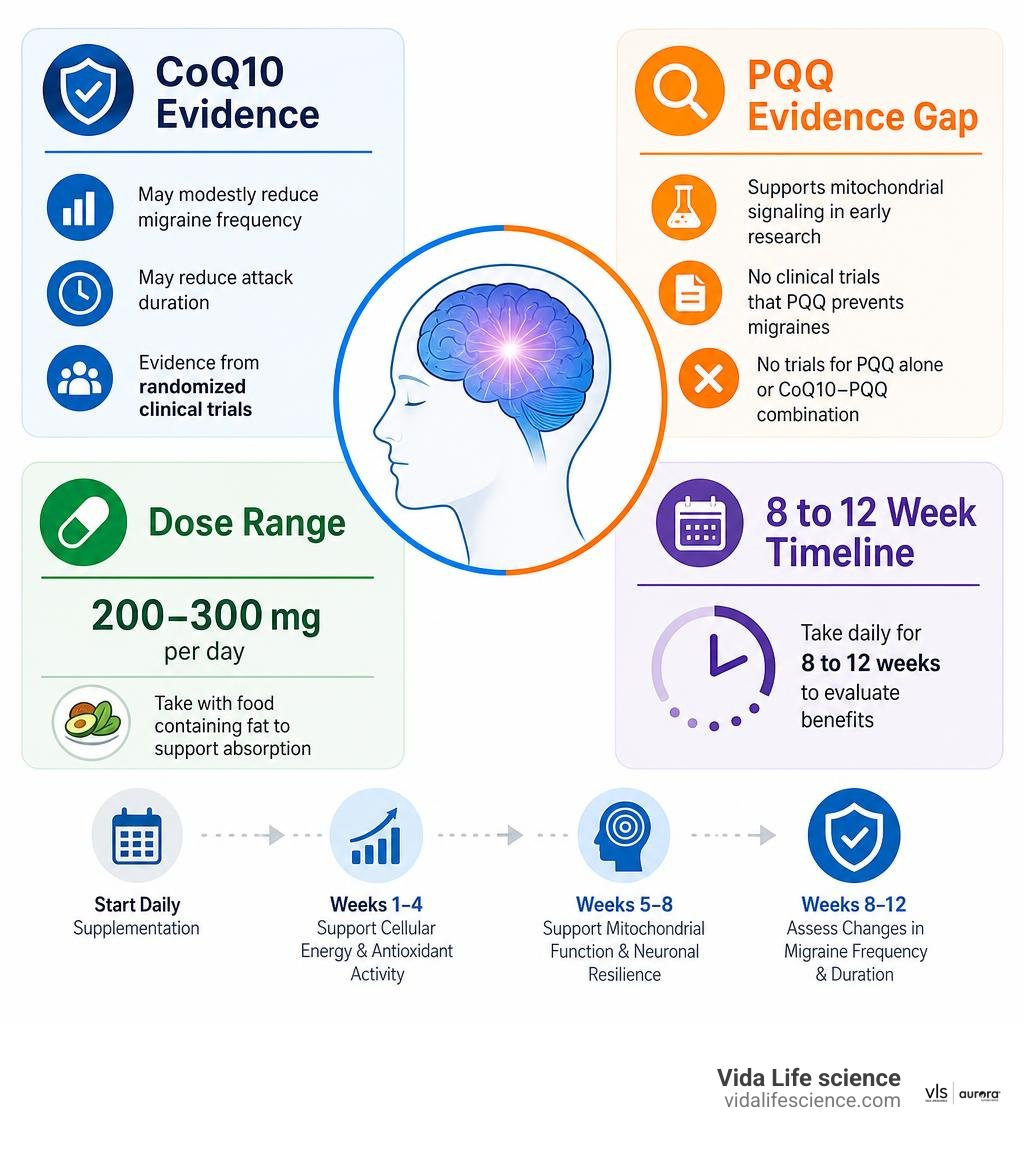
CoQ10 may modestly reduce migraine frequency and attack duration when taken daily for about 8 to 12 weeks. Clinical trials most often use 200 to 300 mg per day, taken with food containing fat to support absorption. PQQ supports mitochondrial signaling in early research, but there are no clinical trials showing that PQQ alone, or a CoQ10-PQQ combination, prevents migraines.
For people evaluating coq10 pqq for migraine, the evidence supports CoQ10 as a preventive add-on, not a fast treatment for an active attack or a replacement for prescribed care. Migraine involves disrupted brain energy metabolism and oxidative stress in at least some patients. CoQ10 helps cells produce ATP and acts as an antioxidant, which gives it a sound scientific rationale.
Research is promising but limited. A meta-analysis of six randomized trials found CoQ10 reduced migraine frequency by about 1.5 attacks per month versus control, while effects on pain intensity were less certain. Major headache organizations generally describe CoQ10 as possibly effective for prevention. Magnesium and riboflavin have broader evidence and are often considered alongside it.
At Vida Life Science, we focus on high-grade, phosphatidylcholine-based liposomal nutrients designed to address the absorption challenges common with fat-soluble supplements. This guide reviews the evidence for coq10 pqq for migraine so you can discuss a practical, safe prevention plan with your clinician.
Cellular Mechanisms: Evaluating CoQ10 PQQ for Migraine Prevention
Migraine affects an estimated 14% to 15% of the global population. While historically viewed strictly as a vascular condition, modern neurobiology recognizes migraine as a complex neurovascular disorder rooted in impaired cortical bioenergetics and neuroinflammation (Fajkiel-Madajczyk et al., 2025). The brain accounts for roughly 2% of total body weight yet consumes around 20% of resting metabolic oxygen, making cortical neurons exceptionally vulnerable to mitochondrial energy failure.
At the cellular level, the mitochondrial respiratory chain relies on critical cofactors to transfer electrons and generate adenosine triphosphate (ATP). When electron transfer stalls, neurons experience an energetic deficit alongside an overproduction of reactive oxygen species (ROS). This biochemical mismatch drives oxidative stress, lipid peroxidation, and neurogenic inflammation.
As explored in scientific reviews on evaluating the role of Coenzyme Q10 in migraine therapy, sustained oxidative stress triggers the release of inflammatory neuropeptides, most notably calcitonin gene-related peptide (CGRP) and tumor necrosis factor-alpha (TNF-α) (Fajkiel-Madajczyk et al., 2025). By facilitating electron transport at Complexes I, II, and III, CoQ10 preserves ATP synthesis while neutralizing free radicals, mitigating the metabolic cascades that lower the threshold for migraine onset.
Mitochondrial Bioenergetics and Cortical Spreading Depression
A key neurophysiological event in migraine pathophysiology—particularly in migraines with aura—is cortical spreading depression (CSD). CSD is a slowly propagating wave of sustained neuronal and glial depolarization across the cerebral cortex, followed by widespread neural suppression.
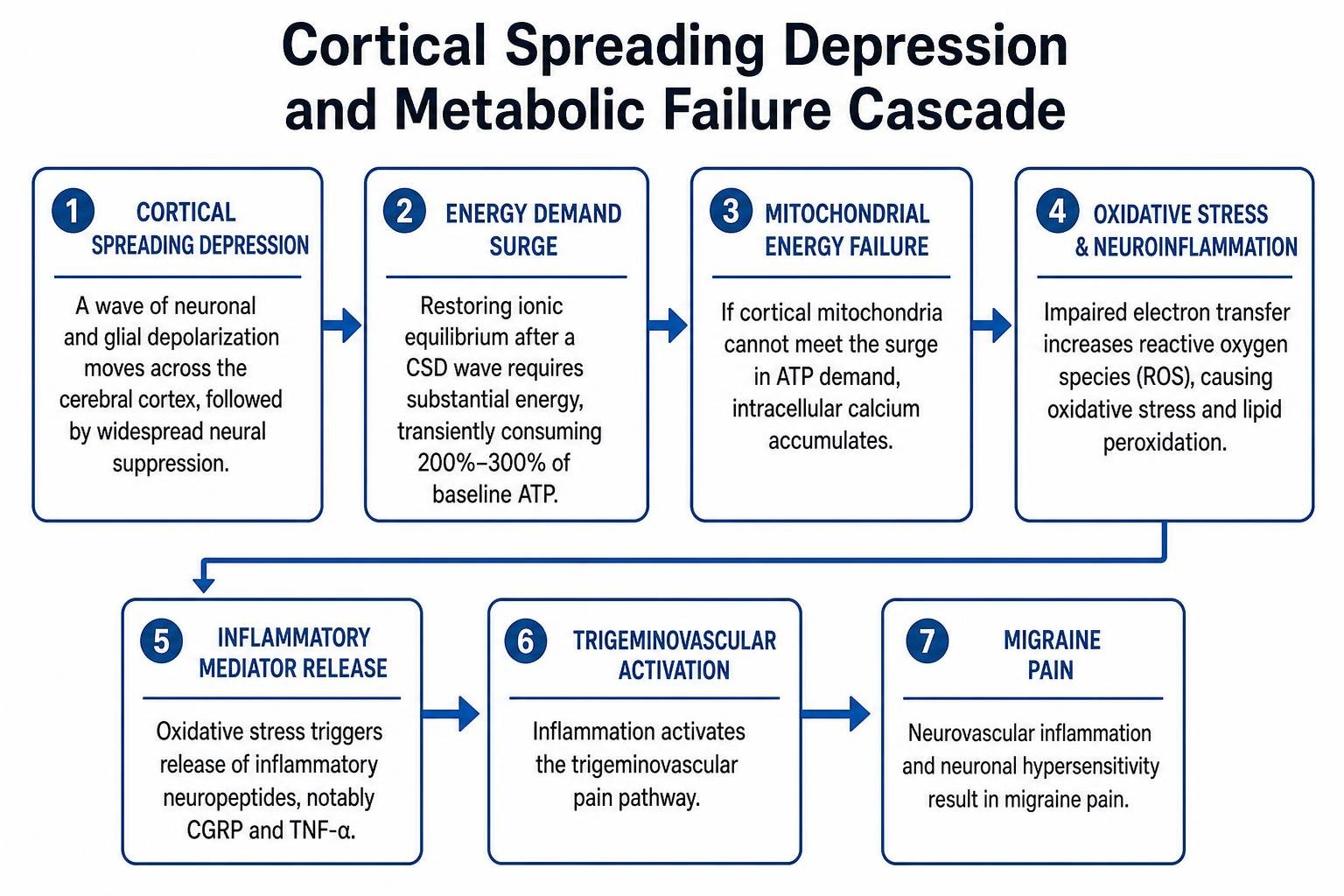
Restoring ionic equilibrium across cell membranes following a CSD wave requires substantial metabolic energy, transiently consuming an estimated 200% to 300% of baseline neuronal ATP. If cortical mitochondria cannot meet this surge in ATP demand, intracellular calcium accumulates, triggering neurovascular inflammation and activating the trigeminovascular pain pathway. Maintaining robust baseline mitochondrial function and recognizing early signs of vitamin and cofactor deficits can be pivotal in preventing metabolic vulnerability within cortical tissues.
Understanding the Synergy of CoQ10 PQQ for Migraine Susceptibility
While CoQ10 functions as an essential electron carrier and lipid-phase antioxidant in existing mitochondria, pyrroloquinoline quinone (PQQ) operates upstream by targeting mitochondrial biogenesis:
-
Stimulation of Mitochondrial Biogenesis: Preclinical models show that PQQ activates the peroxisome proliferator-activated receptor-gamma coactivator 1-alpha (PGC-1α) and cAMP response element-binding protein (CREB) signaling pathways, promoting the formation of new, healthy mitochondria.
-
Redox Cycling Capacity: PQQ acts as a potent redox cofactor capable of carrying out thousands of catalytic cycles without undergoing molecular degradation, efficiently quenching hydroxyl and superoxide radicals.
-
Cellular Synergy: CoQ10 optimizes the biochemical performance of existing organelles, while PQQ expands overall mitochondrial density.
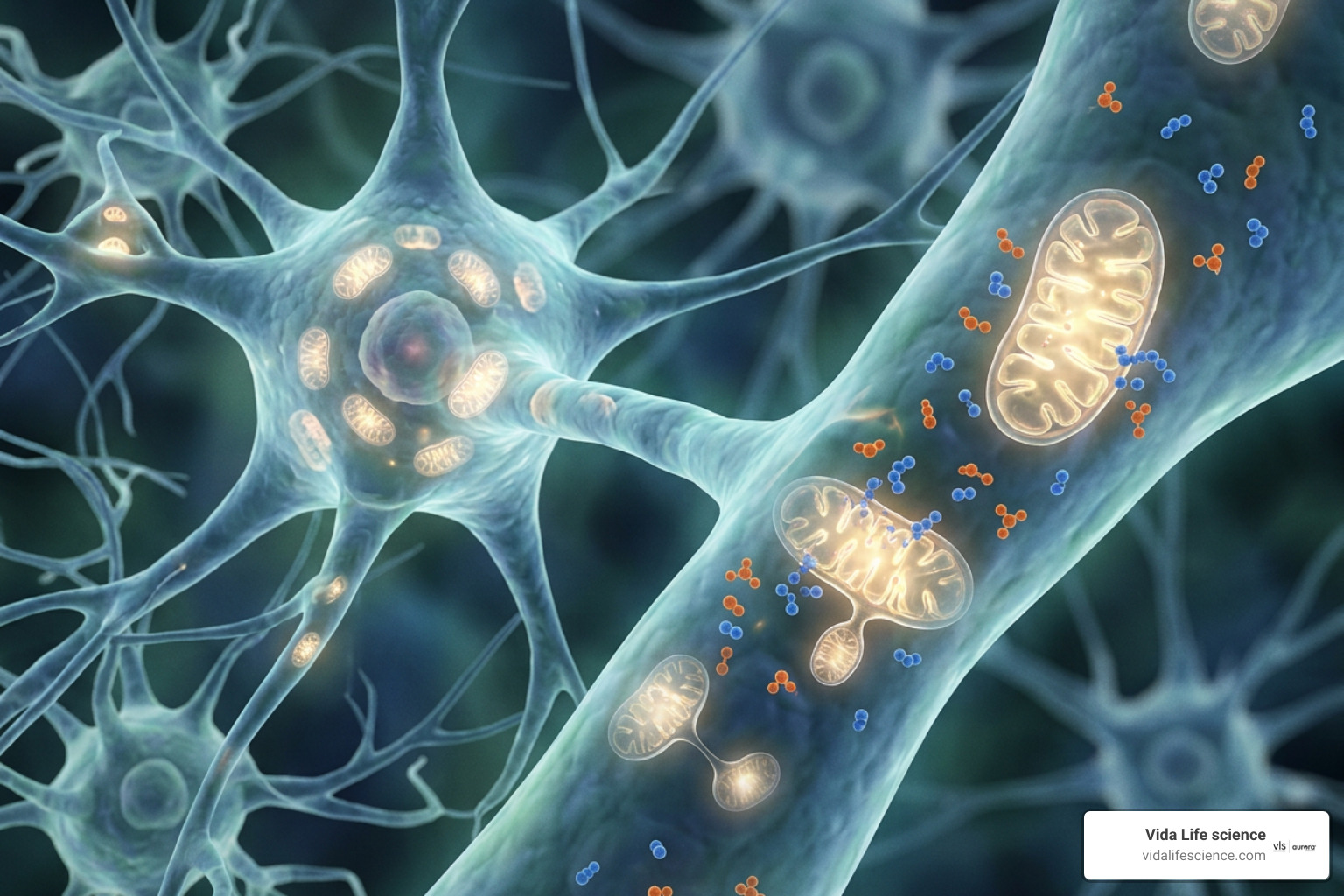
Although preclinical research highlights the neuroprotective synergy of these two compounds, clinical trials evaluating combined CoQ10 and PQQ supplementation specifically for migraine patients remain an active area for future investigation.
Clinical Evidence: What the Research Shows for Headache Prophylaxis
Clinical evidence evaluating CoQ10 monotherapy and multi-nutrient combinations has demonstrated consistent benefits for migraine prophylaxis. A landmark meta-analysis of CoQ10 prophylaxis in adult patients evaluating six randomized controlled trials (RCTs) showed that CoQ10 supplementation produced a statistically significant reduction in monthly attack frequency (mean reduction of 1.52 attacks per month) and reduced attack duration compared to placebo.
| Study |
Population & Sample Size |
Daily Dosage & Duration |
Primary Clinical Findings |
| Sandor et al. (2005) |
42 adults with episodic migraine |
300 mg/day CoQ10 (12 weeks) |
47.6% responder rate (≥50% attack reduction) vs. 14.4% in placebo; significant drop in headache days. |
| Hershey et al. (2007) |
1,550 pediatric/adolescent patients |
1–3 mg/kg/day CoQ10 |
33% had baseline CoQ10 deficiency; normalization reduced headache frequency from 19.2 to 8.3 days/month. |
| Slater et al. (2011) |
120 pediatric patients |
100 mg/day CoQ10 (224 days) |
Statistically significant decrease in migraine frequency and overall headache burden in crossover phases. |
| Hajihashemi et al. (2019) |
56 adult patients |
30 mg CoQ10 + 500 mg L-carnitine (8 weeks) |
Significant reduction in headache frequency, severity score (−3.03 on VAS), and serum lactate levels. |
| Dahri et al. (2019) |
45 adult females |
400 mg/day CoQ10 (12 weeks) |
Marked reductions in attack frequency, severity, duration, serum TNF-α, and CGRP levels. |
| Khavazi et al. (2023) |
84 adult females |
400 mg/day CoQ10 (12 weeks) |
Significant reduction in serum malondialdehyde (MDA) and increase in HDL-C; reduced oxidative stress. |
Impact on Attack Frequency, Severity, and Duration
Clinical trials demonstrate that therapeutic doses of CoQ10 systematically reduce key clinical and biochemical headache metrics:
-
Attack Frequency and Duration: In a randomized, double-blind trial of 42 adults receiving 300 mg daily, CoQ10 reduced headache frequency and total days with nausea after three months (Fajkiel-Madajczyk et al., 2025).
-
Inflammatory and Metabolic Biomarkers: A 12-week trial administering 400 mg/day of CoQ10 significantly lowered circulating levels of TNF-α and CGRP, directly correlating with lower Visual Analog Scale (VAS) pain scores.
-
Metabolic Shifts in Lactate: Investigating mitochondrial intermediates, a clinical trial on the effects of concurrent Coenzyme Q10 and L-carnitine supplementation demonstrated that adding 30 mg CoQ10 to 500 mg L-carnitine daily reduced serum lactate by 2.28 mg/dL alongside significant improvements in headache diary scores.
Comparative Efficacy and Synergistic Stacking
Because mitochondrial respiration depends on multiple interdependent enzyme systems, combining CoQ10 with complementary nutraceutical cofactors often produces synergistic clinical outcomes:
-
Riboflavin (Vitamin B2): Acts as the direct precursor for flavin adenine dinucleotide (FAD) and flavin mononucleotide (FMN), cofactors required by Complexes I and II of the electron transport chain.
-
Magnesium: Modulates the NMDA receptor to prevent excessive glutamate-driven excitotoxicity. Using high-absorption forms such as liposomal magnesium glycinate for neuromuscular excitability helps normalize intracellular magnesium levels without digestive irritation.
-
L-Carnitine: Facilitates the transport of long-chain fatty acids across the inner mitochondrial membrane for beta-oxidation.
-
Multi-Nutrient Regimens: In a multicenter trial of 130 adults, combining 150 mg CoQ10 with 400 mg riboflavin and 600 mg magnesium daily for three months significantly decreased maximal pain intensity and improved Headache Impact Test (HIT-6) scores.
A major challenge with standard CoQ10 supplementation is poor intestinal absorption. CoQ10 is a large, highly lipophilic molecule with a molecular weight of 863 g/mol, making it practically insoluble in water. Standard crystalline ubiquinone capsules often exhibit oral bioavailability rates below 3% to 5%, with the majority of the unabsorbed compound excreted unutilized.
Plasma CoQ10 levels in healthy adults typically range from 0.40 to 1.91 µmol/L. Reaching a therapeutic neuroprotective threshold generally requires raising steady-state plasma concentrations above 2.5 to 3.0 µmol/L, a benchmark difficult to achieve with standard crystalline powders without consuming excessive doses.
Clinical Dosages: Incorporating CoQ10 PQQ for Migraine Management
Based on published randomized clinical trials and neurological prevention guidelines, effective protocols for mitochondrial support include:
-
Adult CoQ10 Prophylactic Dosing: 200 mg to 400 mg daily of high-quality CoQ10.
-
Divided Daily Administration: Splitting daily intake into two or three doses (e.g., 100 mg to 150 mg two to three times daily) avoids saturating intestinal transport mechanisms.
-
PQQ Adjunct Dosing: 10 mg to 20 mg daily, reflecting dosages commonly utilized in human cognitive and metabolic trials.
-
Pediatric Dosing: 1 to 3 mg/kg/day of CoQ10 under pediatric neurological supervision (Shoeibi et al., 2017).
-
Dietary Lipid Co-Ingestion: Standard lipid-soluble formulations should always be consumed alongside meals containing healthy dietary fats to stimulate bile acid secretion.
Overcoming Absorption Barriers with Liposomal Delivery
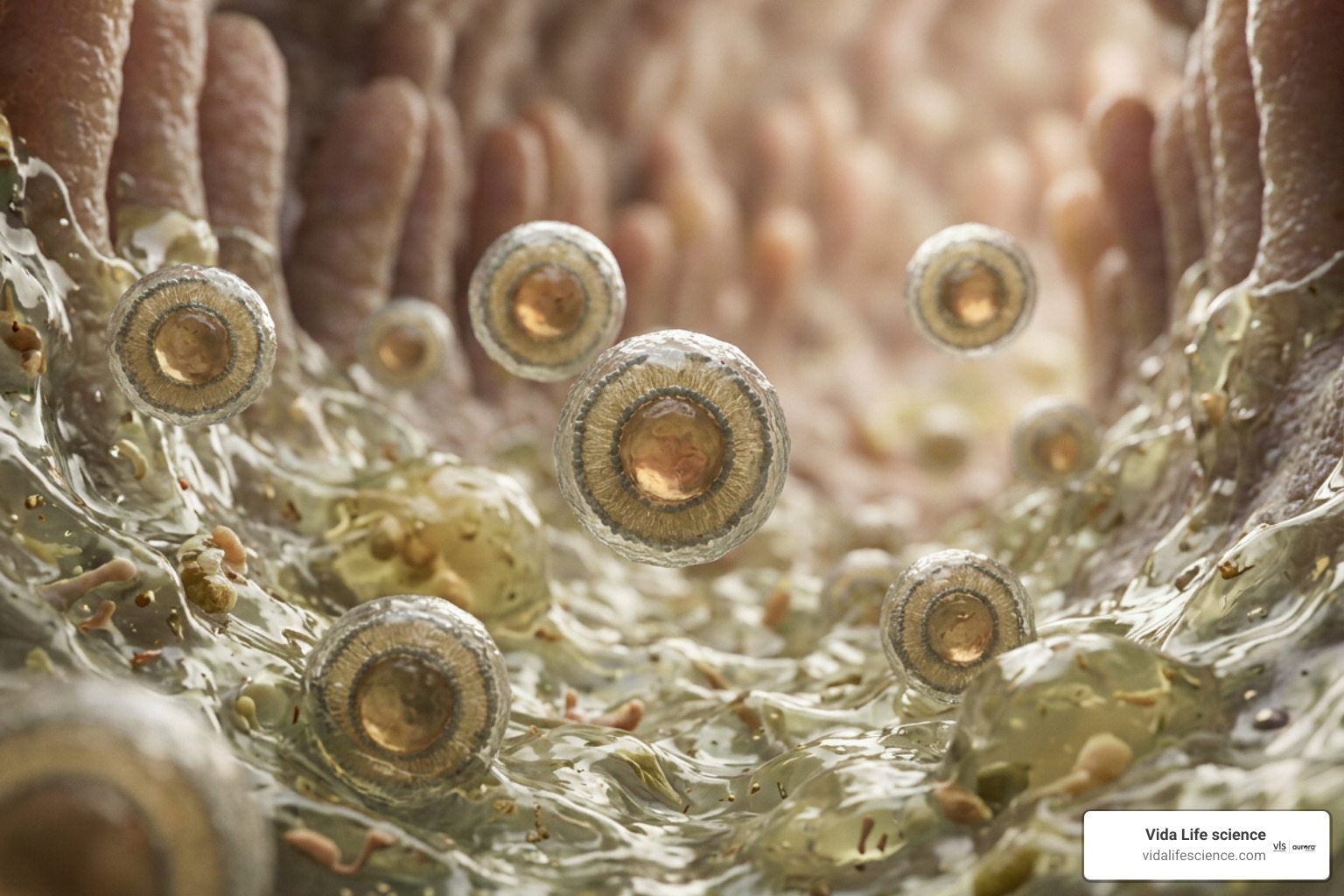
Liposomal delivery technology provides a sophisticated pharmaceutical-grade solution to the bioavailability barriers of hydrophobic nutraceuticals. By encapsulating CoQ10 and PQQ inside microscopic phospholipid bilayers composed of purified phosphatidylcholine, the active compounds are shielded from gastric acid, digestive enzymes, and bile degradation.
Research demonstrating enhanced bioavailability through liposomal delivery confirms that nano-liposomes fuse directly with the intestinal mucosal lining. This enables rapid uptake via lymphatic pathways and bypasses the rate-limiting dissolution steps required by crystalline powders, achieving higher peak plasma concentrations (Cmax) and greater systemic tissue distribution at lower therapeutic doses.
Frequently Asked Questions About CoQ10 and PQQ for Headaches
How long does it take for CoQ10 and PQQ to show results?
Nutraceutical mitochondrial therapy is a long-term preventive intervention rather than an acute rescue treatment. Because rebuilding mitochondrial membrane reserves, enhancing cellular antioxidant pools, and dampening neurogenic inflammation occur gradually, clinical trials show that a minimum of 8 to 12 weeks of continuous daily supplementation is required to observe measurable reductions in migraine frequency and duration. Tracking symptoms in a standardized daily headache diary helps quantify progress across the initial three-month trial window.
Can I take CoQ10 and PQQ alongside prescription migraine medications?
Yes. CoQ10 and PQQ exhibit no adverse pharmacokinetic interactions with acute rescue medications—such as triptans, nonsteroidal anti-inflammatory drugs (NSAIDs), or gepants—nor do they interfere with preventive pharmaceuticals, including beta-blockers, topiramate, or monoclonal antibodies targeting CGRP pathways. They function as metabolic adjuncts, helping to elevate cellular energy thresholds alongside conventional medical therapy.
What are the potential side effects and drug interactions?
CoQ10 has an exceptional safety profile, with safety trials confirming excellent tolerability at doses up to 900 mg per day over extended periods. Mild adverse effects occur in less than 2% to 3% of patients and are predominantly limited to transient gastrointestinal symptoms, such as mild nausea or loose stools.
Important Medication Note: Because CoQ10 shares structural homology with menaquinone (vitamin K2), it may theoretically exert mild pro-coagulant effects and reduce the anticoagulant efficacy of warfarin. Patients taking warfarin should monitor their International Normalized Ratio (INR) closely when initiating or adjusting CoQ10 supplementation under the guidance of their prescribing physician.
Conclusion
Targeting mitochondrial dysfunction and oxidative stress provides an evidence-based metabolic strategy for migraine prevention. Authoritative guidelines from the American Academy of Neurology (AAN) and the Canadian Headache Society highlight CoQ10 as a valuable prophylactic option capable of safely reducing headache frequency and attack burden (Fajkiel-Madajczyk et al., 2025). While PQQ offers compelling mechanistic synergy for mitochondrial biogenesis, CoQ10 remains the clinically validated cornerstone of cellular energetic therapy.
Maximizing clinical outcomes depends on choosing highly bioavailable formulations that overcome intestinal absorption constraints. At Vida Life Science, our advanced liposomal formulations are engineered to deliver fat-soluble antioxidants directly to your cells with optimal absorption. To learn more about incorporating advanced cellular nutrition into your wellness routine, explore our advanced liposomal CoQ10 formulas for cellular support and speak with your healthcare provider to establish a comprehensive prevention strategy.
Scientific References
Fajkiel-Madajczyk A, Wiciński M, Kurant Z, Sławatycki J, Słupski M. "Evaluating the Role of Coenzyme Q10 in Migraine Therapy-A Narrative Review.." Antioxidants (Basel, Switzerland), 2025. PMCID PMC11939526. Shoeibi A, Olfati N, Soltani Sabi M, Salehi M, Mali S, Akbari Oryani M. "Effectiveness of coenzyme Q10 in prophylactic treatment of migraine headache: an open-label, add-on, controlled trial.." Acta neurologica Belgica, 2017. PMID 27670440.


A Evidence-Based Guide to Taking CoQ10 and PQQ for Chronic Headaches
Can CoQ10 and PQQ Help Prevent Migraines?
CoQ10 may modestly reduce migraine frequency and attack duration when taken daily for about 8 to 12 weeks. Clinical trials most often use 200 to 300 mg per day, taken with food containing fat to support absorption. PQQ supports mitochondrial signaling in early research, but there are no clinical trials showing that PQQ alone, or a CoQ10-PQQ combination, prevents migraines.
For people evaluating coq10 pqq for migraine, the evidence supports CoQ10 as a preventive add-on, not a fast treatment for an active attack or a replacement for prescribed care. Migraine involves disrupted brain energy metabolism and oxidative stress in at least some patients. CoQ10 helps cells produce ATP and acts as an antioxidant, which gives it a sound scientific rationale.
Research is promising but limited. A meta-analysis of six randomized trials found CoQ10 reduced migraine frequency by about 1.5 attacks per month versus control, while effects on pain intensity were less certain. Major headache organizations generally describe CoQ10 as possibly effective for prevention. Magnesium and riboflavin have broader evidence and are often considered alongside it.
At Vida Life Science, we focus on high-grade, phosphatidylcholine-based liposomal nutrients designed to address the absorption challenges common with fat-soluble supplements. This guide reviews the evidence for coq10 pqq for migraine so you can discuss a practical, safe prevention plan with your clinician.
Cellular Mechanisms: Evaluating CoQ10 PQQ for Migraine Prevention
Migraine affects an estimated 14% to 15% of the global population. While historically viewed strictly as a vascular condition, modern neurobiology recognizes migraine as a complex neurovascular disorder rooted in impaired cortical bioenergetics and neuroinflammation (Fajkiel-Madajczyk et al., 2025). The brain accounts for roughly 2% of total body weight yet consumes around 20% of resting metabolic oxygen, making cortical neurons exceptionally vulnerable to mitochondrial energy failure.
At the cellular level, the mitochondrial respiratory chain relies on critical cofactors to transfer electrons and generate adenosine triphosphate (ATP). When electron transfer stalls, neurons experience an energetic deficit alongside an overproduction of reactive oxygen species (ROS). This biochemical mismatch drives oxidative stress, lipid peroxidation, and neurogenic inflammation.
As explored in scientific reviews on evaluating the role of Coenzyme Q10 in migraine therapy, sustained oxidative stress triggers the release of inflammatory neuropeptides, most notably calcitonin gene-related peptide (CGRP) and tumor necrosis factor-alpha (TNF-α) (Fajkiel-Madajczyk et al., 2025). By facilitating electron transport at Complexes I, II, and III, CoQ10 preserves ATP synthesis while neutralizing free radicals, mitigating the metabolic cascades that lower the threshold for migraine onset.
Mitochondrial Bioenergetics and Cortical Spreading Depression
A key neurophysiological event in migraine pathophysiology—particularly in migraines with aura—is cortical spreading depression (CSD). CSD is a slowly propagating wave of sustained neuronal and glial depolarization across the cerebral cortex, followed by widespread neural suppression.
Restoring ionic equilibrium across cell membranes following a CSD wave requires substantial metabolic energy, transiently consuming an estimated 200% to 300% of baseline neuronal ATP. If cortical mitochondria cannot meet this surge in ATP demand, intracellular calcium accumulates, triggering neurovascular inflammation and activating the trigeminovascular pain pathway. Maintaining robust baseline mitochondrial function and recognizing early signs of vitamin and cofactor deficits can be pivotal in preventing metabolic vulnerability within cortical tissues.
Understanding the Synergy of CoQ10 PQQ for Migraine Susceptibility
While CoQ10 functions as an essential electron carrier and lipid-phase antioxidant in existing mitochondria, pyrroloquinoline quinone (PQQ) operates upstream by targeting mitochondrial biogenesis:
Although preclinical research highlights the neuroprotective synergy of these two compounds, clinical trials evaluating combined CoQ10 and PQQ supplementation specifically for migraine patients remain an active area for future investigation.
Clinical Evidence: What the Research Shows for Headache Prophylaxis
Clinical evidence evaluating CoQ10 monotherapy and multi-nutrient combinations has demonstrated consistent benefits for migraine prophylaxis. A landmark meta-analysis of CoQ10 prophylaxis in adult patients evaluating six randomized controlled trials (RCTs) showed that CoQ10 supplementation produced a statistically significant reduction in monthly attack frequency (mean reduction of 1.52 attacks per month) and reduced attack duration compared to placebo.
Impact on Attack Frequency, Severity, and Duration
Clinical trials demonstrate that therapeutic doses of CoQ10 systematically reduce key clinical and biochemical headache metrics:
Comparative Efficacy and Synergistic Stacking
Because mitochondrial respiration depends on multiple interdependent enzyme systems, combining CoQ10 with complementary nutraceutical cofactors often produces synergistic clinical outcomes:
Optimal Formulations, Bioavailability, and Delivery Systems
A major challenge with standard CoQ10 supplementation is poor intestinal absorption. CoQ10 is a large, highly lipophilic molecule with a molecular weight of 863 g/mol, making it practically insoluble in water. Standard crystalline ubiquinone capsules often exhibit oral bioavailability rates below 3% to 5%, with the majority of the unabsorbed compound excreted unutilized.
Plasma CoQ10 levels in healthy adults typically range from 0.40 to 1.91 µmol/L. Reaching a therapeutic neuroprotective threshold generally requires raising steady-state plasma concentrations above 2.5 to 3.0 µmol/L, a benchmark difficult to achieve with standard crystalline powders without consuming excessive doses.
Clinical Dosages: Incorporating CoQ10 PQQ for Migraine Management
Based on published randomized clinical trials and neurological prevention guidelines, effective protocols for mitochondrial support include:
Overcoming Absorption Barriers with Liposomal Delivery
Liposomal delivery technology provides a sophisticated pharmaceutical-grade solution to the bioavailability barriers of hydrophobic nutraceuticals. By encapsulating CoQ10 and PQQ inside microscopic phospholipid bilayers composed of purified phosphatidylcholine, the active compounds are shielded from gastric acid, digestive enzymes, and bile degradation.
Research demonstrating enhanced bioavailability through liposomal delivery confirms that nano-liposomes fuse directly with the intestinal mucosal lining. This enables rapid uptake via lymphatic pathways and bypasses the rate-limiting dissolution steps required by crystalline powders, achieving higher peak plasma concentrations (Cmax) and greater systemic tissue distribution at lower therapeutic doses.
Frequently Asked Questions About CoQ10 and PQQ for Headaches
How long does it take for CoQ10 and PQQ to show results?
Nutraceutical mitochondrial therapy is a long-term preventive intervention rather than an acute rescue treatment. Because rebuilding mitochondrial membrane reserves, enhancing cellular antioxidant pools, and dampening neurogenic inflammation occur gradually, clinical trials show that a minimum of 8 to 12 weeks of continuous daily supplementation is required to observe measurable reductions in migraine frequency and duration. Tracking symptoms in a standardized daily headache diary helps quantify progress across the initial three-month trial window.
Can I take CoQ10 and PQQ alongside prescription migraine medications?
Yes. CoQ10 and PQQ exhibit no adverse pharmacokinetic interactions with acute rescue medications—such as triptans, nonsteroidal anti-inflammatory drugs (NSAIDs), or gepants—nor do they interfere with preventive pharmaceuticals, including beta-blockers, topiramate, or monoclonal antibodies targeting CGRP pathways. They function as metabolic adjuncts, helping to elevate cellular energy thresholds alongside conventional medical therapy.
What are the potential side effects and drug interactions?
CoQ10 has an exceptional safety profile, with safety trials confirming excellent tolerability at doses up to 900 mg per day over extended periods. Mild adverse effects occur in less than 2% to 3% of patients and are predominantly limited to transient gastrointestinal symptoms, such as mild nausea or loose stools.
Important Medication Note: Because CoQ10 shares structural homology with menaquinone (vitamin K2), it may theoretically exert mild pro-coagulant effects and reduce the anticoagulant efficacy of warfarin. Patients taking warfarin should monitor their International Normalized Ratio (INR) closely when initiating or adjusting CoQ10 supplementation under the guidance of their prescribing physician.
Conclusion
Targeting mitochondrial dysfunction and oxidative stress provides an evidence-based metabolic strategy for migraine prevention. Authoritative guidelines from the American Academy of Neurology (AAN) and the Canadian Headache Society highlight CoQ10 as a valuable prophylactic option capable of safely reducing headache frequency and attack burden (Fajkiel-Madajczyk et al., 2025). While PQQ offers compelling mechanistic synergy for mitochondrial biogenesis, CoQ10 remains the clinically validated cornerstone of cellular energetic therapy.
Maximizing clinical outcomes depends on choosing highly bioavailable formulations that overcome intestinal absorption constraints. At Vida Life Science, our advanced liposomal formulations are engineered to deliver fat-soluble antioxidants directly to your cells with optimal absorption. To learn more about incorporating advanced cellular nutrition into your wellness routine, explore our advanced liposomal CoQ10 formulas for cellular support and speak with your healthcare provider to establish a comprehensive prevention strategy.
Scientific References
Fajkiel-Madajczyk A, Wiciński M, Kurant Z, Sławatycki J, Słupski M. "Evaluating the Role of Coenzyme Q10 in Migraine Therapy-A Narrative Review.." Antioxidants (Basel, Switzerland), 2025. PMCID PMC11939526. Shoeibi A, Olfati N, Soltani Sabi M, Salehi M, Mali S, Akbari Oryani M. "Effectiveness of coenzyme Q10 in prophylactic treatment of migraine headache: an open-label, add-on, controlled trial.." Acta neurologica Belgica, 2017. PMID 27670440.