Does Biotin for Hair Growth Really Work?
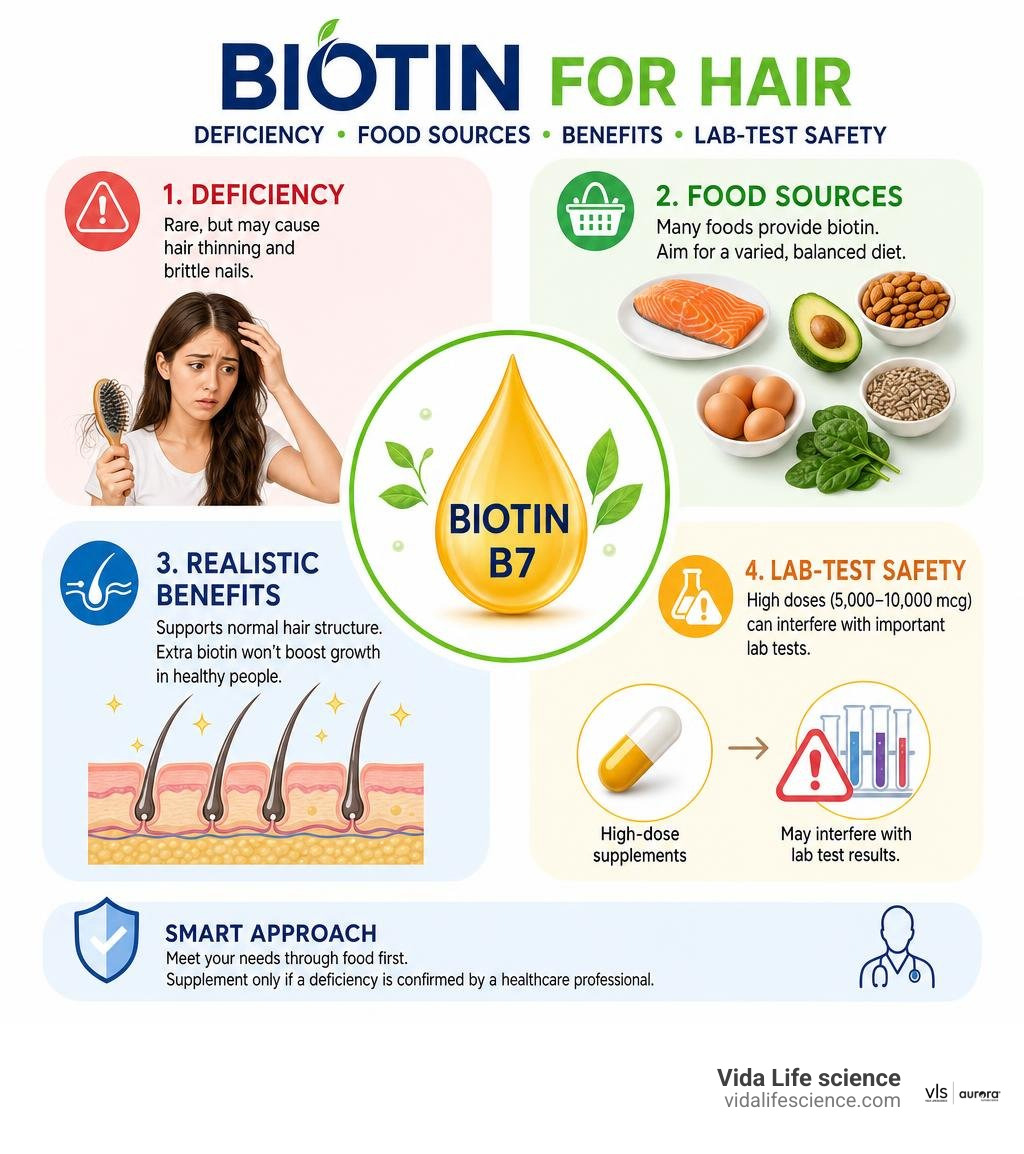
Biotin for hair can help when hair thinning is linked to a true biotin deficiency, but it has not been shown to reliably regrow hair in healthy people with normal biotin levels. For most adults, the better first step is to identify the cause of shedding or thinning - such as iron deficiency, thyroid changes, stress, hormones, medication, illness, or genetic hair loss - rather than starting a high-dose supplement.
Biotin, also called vitamin B7, helps the body process fats, carbohydrates, and proteins. It supports enzymes involved in normal cell function, including the cells that produce the keratin-rich hair shaft. But "essential for hair" does not mean extra amounts create extra growth. Biotin deficiency is uncommon, and research finds that benefits are mainly reported in people with deficiency, certain inherited metabolic conditions, or specific nail and hair disorders.
Adults generally need about 30 mcg of biotin daily, an amount many people can get from food. Large 5,000 mcg or 10,000 mcg products are not proven to work better for hair and can interfere with important blood tests, including some thyroid, hormone, and heart-related tests.
Vida Life Science is a U.S.-based distributor of advanced nutritional supplements with a focus on nutrient delivery and bioavailability. In this guide to biotin for hair, we break down what the evidence supports, who may benefit, and how to make safer, more informed choices before supplementing.
What Is Biotin and How Does It Function in the Body?
Biotin is a water-soluble B-complex vitamin—historically dubbed "vitamin H"—that serves as an obligate cofactor for five fundamental carboxylase enzymes in human metabolism (NBK554493). These enzymes are essential for cellular energy production, gluconeogenesis, fatty acid synthesis, and the catabolism of branched-chain amino acids.
Without adequate biotin, our cellular machinery struggles to convert dietary nutrients into functional building blocks. For a deeper look into its metabolic role, the StatPearls clinical review on biotin outlines how these carboxylases operate. To understand how this nutrient functions alongside other vital cofactors, explore our guide on the biological role of the biotin vitamin.
The Biological Role of Vitamin B7
Within human mitochondria and cytosol, biotin acts as a mobile carboxyl carrier. It binds covalently to specific enzymes, including:
-
Acetyl-CoA carboxylase (ACC): Regulates fatty acid synthesis, providing critical lipids for cellular membrane integrity.
-
Pyruvate carboxylase (PC): Directs entry into the citric acid cycle for cellular ATP production and gluconeogenesis.
-
Propionyl-CoA carboxylase (PCC): Facilitates the catabolism of amino acids like valine and isoleucine.
-
Methylcrotonyl-CoA carboxylase (MCC): Catalyzes key steps in the breakdown of leucine.
When these enzymes lack sufficient biotin, cellular proliferation slows down, impacting rapidly dividing tissue systems throughout the body.
Keratin Production and Hair Structure
Hair follicles are among the most metabolically active structures in human biology, constantly dividing and synthesizing structural proteins. Keratin represents the primary structural protein comprising the hair cortex and cuticle.
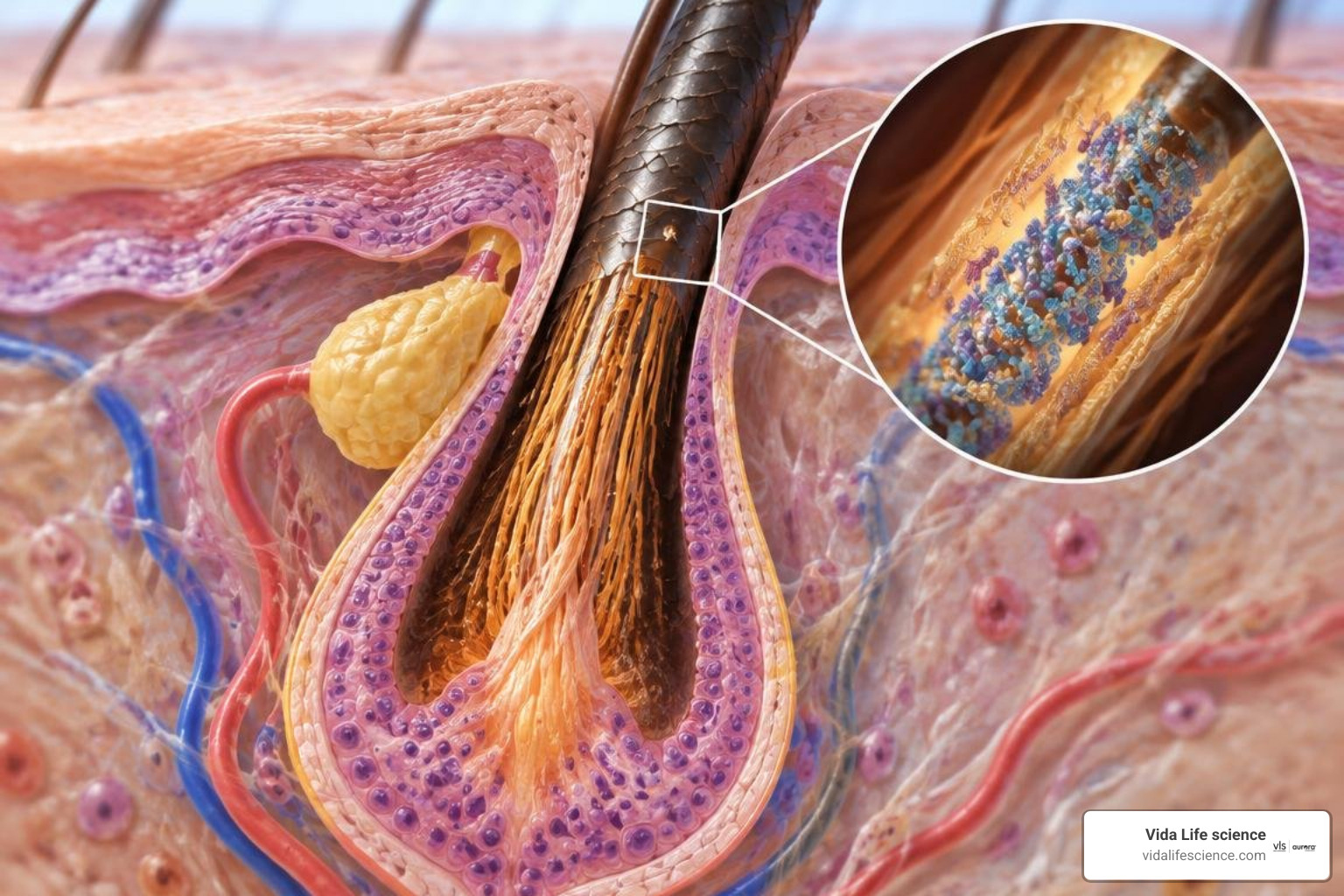
Biotin does not form the physical keratin strand itself; rather, it provides the essential metabolic infrastructure for protein and lipid synthesis within the hair bulb. By supporting amino acid processing and lipid production, biotin ensures the follicle matrix receives the cellular resources necessary to construct a robust, flexible hair shaft.
Clinical Evidence: Does Biotin for Hair Growth Actually Work?
Despite its ubiquity in the beauty aisle, the clinical reality surrounding biotin supplementation is nuanced. Controlled human trials demonstrate that biotin monotherapy does not consistently improve objective hair density or reverse thinning in individuals who already maintain adequate physiological levels.
A comprehensive systematic review on biotin supplementation for hair growth evaluated human studies and determined that clinical improvements were largely confined to patients presenting with documented deficiencies or specific underlying genetic disorders.
What the Scientific Studies Say About Biotin for Hair
In a landmark review evaluating clinical case literature, documented improvements in hair or nail architecture following biotin supplementation were noted primarily in individuals with an underlying clinical pathology. Documented responses include:
-
Biotinidase deficiency: Reversal of diffuse alopecia and periorificial dermatitis upon initiation of targeted supplementation.
-
Uncombable hair syndrome: Documented improvements in hair structural stability, combability, and growth velocity.
-
Brittle nail syndrome: Measurable increases in nail plate thickness and reduction in splitting.
For individuals with normal serum biotin levels, multi-ingredient formulations are frequently studied rather than isolated biotin. In a small 2012 clinical study, women with self-perceived thinning experienced improvements in overall thickness and growth after using a comprehensive multi-nutrient blend. When supporting overall follicular vitality, exploring multivitamins for hair, skin and nails often provides broader nutritional coverage than relying on isolated megadoses of a single vitamin.
Evaluating Biotin for Hair Versus Other Causes of Hair Loss
Hair thinning rarely stems from a single isolated pathway. Nutritional inadequacies, hormonal shifts, and medical interventions each present unique pathophysiological mechanisms:
| Etiology / Scenario |
Primary Mechanism |
Role of Biotin Supplementation |
Recommended Clinical Action |
| Documented Biotin Deficiency |
Impaired carboxylase activity, disrupted lipid/protein synthesis in follicle |
High efficacy; rapidly resolves follicular fragility and shedding |
Supplement with 5–10 mg daily under clinical guidance |
| Androgenetic Alopecia |
Follicular miniaturization driven by dihydrotestosterone (DHT) |
Ineffective as monotherapy; does not block DHT conversion |
Consult a dermatologist for clinical evaluation |
| Telogen Effluvium (Stress/Illness) |
Premature transition of follicles into the resting/shedding phase |
Limited utility unless co-occurring nutritional deficit is present |
Address root physiological stressor; ensure broad micronutrient intake |
| Chemotherapy-Induced Alopecia |
Cytotoxic damage to rapidly dividing hair matrix keratinocytes |
Ineffective during active treatment; requires cellular recovery |
Consult oncology care team for supportive guidance |

Identifying Biotin Deficiency, High-Risk Groups, and Whole-Food Sources
True biotin deficiency remains rare in developed nations because intestinal microflora synthesize small amounts and common dietary staples provide adequate daily intake (NBK547751). However, when it does occur, recognizing the signs of vitamin deficiencies is essential for prompt intervention. Detailed diagnostic criteria can also be found in the StatPearls guide on biotin deficiency.
Clinical Signs and High-Risk Populations
When biotin levels fall below physiological requirements, symptoms typically manifest across epithelial and nervous systems:
-
Epithelial signs: Diffuse alopecia, brittle hair, fine scaling periorificial dermatitis around the eyes, nose, and mouth.
-
Neurological signs: Lethargy, mild depression, paresthesias ("pins and needles"), muscle hypotonia, and ataxia in advanced cases.
Several populations exhibit higher susceptibility to developing suboptimal biotin status:
-
Genetic enzyme defects: Inborn errors such as biotinidase or holocarboxylase synthetase deficiencies.
-
Medication interactions: Long-term use of anticonvulsants (e.g., carbamazepine, phenytoin) or broad-spectrum antibiotics that disrupt intestinal flora.
-
Pregnancy and lactation: Approximately one-third of pregnant women exhibit marginal biotin deficiency due to accelerated fetal catabolism.
-
Gastrointestinal disorders: Inflammatory bowel disease, celiac disease, or post-bariatric surgery impairing small-intestinal absorption.
-
Excessive raw egg consumption: Dietary intake of avidin, an egg white glycoprotein that binds biotin irreversibly.
If you are experiencing unexpected shedding or fatigue, reviewing common vitamin deficiency signs can help clarify whether a broader nutritional assessment is warranted.
Top Dietary Sources of Natural Biotin
Most adults easily meet their physiological baseline through a balanced diet. Avidin is denatured by cooking, making cooked eggs completely safe and nutrient-rich:
-
Beef liver (cooked, 3 oz): ~30.8 mcg
-
Whole egg (cooked): ~10.0 mcg
-
Salmon (cooked, 3 oz): ~5.0 mcg
-
Pork chop (cooked, 3 oz): ~3.8 mcg
-
Sunflower seeds (roasted, ¼ cup): ~2.6 mcg
-
Sweet potato (baked, ½ cup): ~2.4 mcg
-
Almonds (roasted, ¼ cup): ~1.5 mcg
Optimal Dosage, Safety Protocols, and Laboratory Test Interactions
Navigating the supplement market requires separating genuine biological needs from aggressive marketing claims.
Daily Recommended Intake Versus Megadoses
The National Institutes of Health (NIH) sets the Adequate Intake (AI) for adults at 30 mcg daily (35 mcg for lactating individuals). Despite this modest physiological requirement, retail supplements routinely provide 5,000 mcg to 10,000 mcg—up to 333 times the baseline need.
Because biotin is water-soluble, excess amounts are rapidly filtered by the kidneys and excreted in urine once carboxylase enzymes reach biological saturation. Doses exceeding standard needs provide no documented additive benefit for hair shaft diameter in healthy adults. For an in-depth breakdown of physiological requirements, see our guide on biotin benefits.
Critical Lab Assay Interferences and Medical Precautions
While oral biotin is non-toxic at doses up to 10 mg daily, excessive supplemental intake introduces a substantial diagnostic risk: laboratory immunoassay interference.
Many clinical diagnostic platforms utilize streptavidin-biotin binding technology to quantify hormone and protein concentrations. Exogenous, circulating biotin at high concentrations competes with the assay reagents, leading to:
-
Falsely low cardiac troponin: Masking active myocardial infarction (heart attack).
-
Falsely elevated thyroid hormones (Free T3, Free T4) with falsely suppressed TSH: Simulating Graves' disease or hyperthyroidism.
-
Skewed hormone and marker readings: Inaccurate results for estradiol, testosterone, progesterone, vitamin D, and prostate-specific antigen (PSA).
To protect your diagnostic accuracy, discontinue high-dose biotin supplements for at least 48 to 72 hours before undergoing elective blood draws, and always disclose supplement use to your healthcare provider.
Practical Guide to Supplementation: Timeline and Bioavailability
When addressing a genuine deficiency, follicular recovery requires alignment with natural biological growth cycles.
Realistic Timeline for Visible Hair Results
Hair follicles cycle through distinct stages: anagen (active growth), catagen (transition), and telogen (resting/shedding).
Scalp hair grows at an average rate of roughly 1 centimeter (0.4 inches) per month. As a result, newly supported follicle matrix cells require 90 to 180 days (3 to 6 months) to produce visible, measurable changes in hair shaft density or reduced shedding rates. Nail plates, which grow at roughly 3 millimeters per month, similarly require several months of consistent nutritional support before improvements reach the distal edge.
Optimizing Nutrient Bioavailability
Standard water-soluble vitamins face significant degradation barriers during gastrointestinal transit, including harsh gastric acid, variable enzymatic breakdown, and saturated mucosal transport pathways.
At Vida Lifescience, we distribute Aurora Nutrascience advanced formulas designed to overcome these gastrointestinal hurdles. Utilizing protective liposomes—microscopic phospholipid bilayers that encapsulate active nutrients—this delivery approach shields delicate compounds from digestive breakdown and facilitates enhanced cellular uptake across intestinal membranes. To understand how advanced phospholipid structures improve micronutrient transport, explore the enhanced absorption of liposomal supplements.
Frequently Asked Questions About Biotin for Hair
Can taking biotin reverse genetic hair loss or male pattern baldness?
No. Androgenetic alopecia is driven by genetic sensitivity to dihydrotestosterone (DHT), which causes progressive follicular miniaturization. Biotin does not inhibit 5-alpha-reductase or block DHT activity. While it supports general cellular metabolism, it cannot counteract the hormonal mechanisms responsible for pattern baldness.
How long should you discontinue biotin before undergoing blood tests?
Most clinical institutions and regulatory bodies advise discontinuing supplements containing more than 1,000 mcg of biotin for 48 to 72 hours before elective blood testing. For extremely high clinical doses (e.g., therapeutic protocols above 100 mg), a longer washout period of up to 7 days may be recommended by your physician.
Can you consume too much biotin from food sources alone?
No. Dietary biotin from whole foods occurs in modest, bioavailable amounts that do not saturate renal clearance mechanisms or interfere with clinical immunoassays. Whole-food consumption carries no risk of toxicity or diagnostic distortion.
Conclusion
Biotin remains an indispensable metabolic coenzyme that plays a foundational role in cellular energy and protein synthesis. While it provides clear, transformative benefits for individuals navigating true deficiencies, genetic metabolic disorders, or specific nail and hair pathologies, current scientific evidence does not support its use as a universal remedy for non-deficient hair thinning.
If you are experiencing unexplained hair loss, the most effective path forward is an objective evaluation with a qualified dermatologist or physician to assess iron stores, thyroid panels, and hormonal health. When supplementation is clinically appropriate, prioritizing balanced, bioavailable formulations over uncalibrated megadoses ensures safe, optimal cellular nourishment.
Explore the complete collection of advanced liposomal biotin and nutrient formulas from Vida Lifescience to support your wellness journey with superior absorption technology.
References
Patel DP, Swink SM, Castelo-Soccio L. "A Review of the Use of Biotin for Hair Loss.." Skin appendage disorders, 2017. PMCID PMC5582478. NBK554493. NBK547751.


The Ultimate Guide to Biotin for Hair Growth and Benefits
Does Biotin for Hair Growth Really Work?
Biotin for hair can help when hair thinning is linked to a true biotin deficiency, but it has not been shown to reliably regrow hair in healthy people with normal biotin levels. For most adults, the better first step is to identify the cause of shedding or thinning - such as iron deficiency, thyroid changes, stress, hormones, medication, illness, or genetic hair loss - rather than starting a high-dose supplement.
Biotin, also called vitamin B7, helps the body process fats, carbohydrates, and proteins. It supports enzymes involved in normal cell function, including the cells that produce the keratin-rich hair shaft. But "essential for hair" does not mean extra amounts create extra growth. Biotin deficiency is uncommon, and research finds that benefits are mainly reported in people with deficiency, certain inherited metabolic conditions, or specific nail and hair disorders.
Adults generally need about 30 mcg of biotin daily, an amount many people can get from food. Large 5,000 mcg or 10,000 mcg products are not proven to work better for hair and can interfere with important blood tests, including some thyroid, hormone, and heart-related tests.
Vida Life Science is a U.S.-based distributor of advanced nutritional supplements with a focus on nutrient delivery and bioavailability. In this guide to biotin for hair, we break down what the evidence supports, who may benefit, and how to make safer, more informed choices before supplementing.
What Is Biotin and How Does It Function in the Body?
Biotin is a water-soluble B-complex vitamin—historically dubbed "vitamin H"—that serves as an obligate cofactor for five fundamental carboxylase enzymes in human metabolism (NBK554493). These enzymes are essential for cellular energy production, gluconeogenesis, fatty acid synthesis, and the catabolism of branched-chain amino acids.
Without adequate biotin, our cellular machinery struggles to convert dietary nutrients into functional building blocks. For a deeper look into its metabolic role, the StatPearls clinical review on biotin outlines how these carboxylases operate. To understand how this nutrient functions alongside other vital cofactors, explore our guide on the biological role of the biotin vitamin.
The Biological Role of Vitamin B7
Within human mitochondria and cytosol, biotin acts as a mobile carboxyl carrier. It binds covalently to specific enzymes, including:
When these enzymes lack sufficient biotin, cellular proliferation slows down, impacting rapidly dividing tissue systems throughout the body.
Keratin Production and Hair Structure
Hair follicles are among the most metabolically active structures in human biology, constantly dividing and synthesizing structural proteins. Keratin represents the primary structural protein comprising the hair cortex and cuticle.
Biotin does not form the physical keratin strand itself; rather, it provides the essential metabolic infrastructure for protein and lipid synthesis within the hair bulb. By supporting amino acid processing and lipid production, biotin ensures the follicle matrix receives the cellular resources necessary to construct a robust, flexible hair shaft.
Clinical Evidence: Does Biotin for Hair Growth Actually Work?
Despite its ubiquity in the beauty aisle, the clinical reality surrounding biotin supplementation is nuanced. Controlled human trials demonstrate that biotin monotherapy does not consistently improve objective hair density or reverse thinning in individuals who already maintain adequate physiological levels.
A comprehensive systematic review on biotin supplementation for hair growth evaluated human studies and determined that clinical improvements were largely confined to patients presenting with documented deficiencies or specific underlying genetic disorders.
What the Scientific Studies Say About Biotin for Hair
In a landmark review evaluating clinical case literature, documented improvements in hair or nail architecture following biotin supplementation were noted primarily in individuals with an underlying clinical pathology. Documented responses include:
For individuals with normal serum biotin levels, multi-ingredient formulations are frequently studied rather than isolated biotin. In a small 2012 clinical study, women with self-perceived thinning experienced improvements in overall thickness and growth after using a comprehensive multi-nutrient blend. When supporting overall follicular vitality, exploring multivitamins for hair, skin and nails often provides broader nutritional coverage than relying on isolated megadoses of a single vitamin.
Evaluating Biotin for Hair Versus Other Causes of Hair Loss
Hair thinning rarely stems from a single isolated pathway. Nutritional inadequacies, hormonal shifts, and medical interventions each present unique pathophysiological mechanisms:
Identifying Biotin Deficiency, High-Risk Groups, and Whole-Food Sources
True biotin deficiency remains rare in developed nations because intestinal microflora synthesize small amounts and common dietary staples provide adequate daily intake (NBK547751). However, when it does occur, recognizing the signs of vitamin deficiencies is essential for prompt intervention. Detailed diagnostic criteria can also be found in the StatPearls guide on biotin deficiency.
Clinical Signs and High-Risk Populations
When biotin levels fall below physiological requirements, symptoms typically manifest across epithelial and nervous systems:
Several populations exhibit higher susceptibility to developing suboptimal biotin status:
If you are experiencing unexpected shedding or fatigue, reviewing common vitamin deficiency signs can help clarify whether a broader nutritional assessment is warranted.
Top Dietary Sources of Natural Biotin
Most adults easily meet their physiological baseline through a balanced diet. Avidin is denatured by cooking, making cooked eggs completely safe and nutrient-rich:
Optimal Dosage, Safety Protocols, and Laboratory Test Interactions
Navigating the supplement market requires separating genuine biological needs from aggressive marketing claims.
Daily Recommended Intake Versus Megadoses
The National Institutes of Health (NIH) sets the Adequate Intake (AI) for adults at 30 mcg daily (35 mcg for lactating individuals). Despite this modest physiological requirement, retail supplements routinely provide 5,000 mcg to 10,000 mcg—up to 333 times the baseline need.
Because biotin is water-soluble, excess amounts are rapidly filtered by the kidneys and excreted in urine once carboxylase enzymes reach biological saturation. Doses exceeding standard needs provide no documented additive benefit for hair shaft diameter in healthy adults. For an in-depth breakdown of physiological requirements, see our guide on biotin benefits.
Critical Lab Assay Interferences and Medical Precautions
While oral biotin is non-toxic at doses up to 10 mg daily, excessive supplemental intake introduces a substantial diagnostic risk: laboratory immunoassay interference.
Many clinical diagnostic platforms utilize streptavidin-biotin binding technology to quantify hormone and protein concentrations. Exogenous, circulating biotin at high concentrations competes with the assay reagents, leading to:
To protect your diagnostic accuracy, discontinue high-dose biotin supplements for at least 48 to 72 hours before undergoing elective blood draws, and always disclose supplement use to your healthcare provider.
Practical Guide to Supplementation: Timeline and Bioavailability
When addressing a genuine deficiency, follicular recovery requires alignment with natural biological growth cycles.
Realistic Timeline for Visible Hair Results
Hair follicles cycle through distinct stages: anagen (active growth), catagen (transition), and telogen (resting/shedding).
Scalp hair grows at an average rate of roughly 1 centimeter (0.4 inches) per month. As a result, newly supported follicle matrix cells require 90 to 180 days (3 to 6 months) to produce visible, measurable changes in hair shaft density or reduced shedding rates. Nail plates, which grow at roughly 3 millimeters per month, similarly require several months of consistent nutritional support before improvements reach the distal edge.
Optimizing Nutrient Bioavailability
Standard water-soluble vitamins face significant degradation barriers during gastrointestinal transit, including harsh gastric acid, variable enzymatic breakdown, and saturated mucosal transport pathways.
At Vida Lifescience, we distribute Aurora Nutrascience advanced formulas designed to overcome these gastrointestinal hurdles. Utilizing protective liposomes—microscopic phospholipid bilayers that encapsulate active nutrients—this delivery approach shields delicate compounds from digestive breakdown and facilitates enhanced cellular uptake across intestinal membranes. To understand how advanced phospholipid structures improve micronutrient transport, explore the enhanced absorption of liposomal supplements.
Frequently Asked Questions About Biotin for Hair
Can taking biotin reverse genetic hair loss or male pattern baldness?
No. Androgenetic alopecia is driven by genetic sensitivity to dihydrotestosterone (DHT), which causes progressive follicular miniaturization. Biotin does not inhibit 5-alpha-reductase or block DHT activity. While it supports general cellular metabolism, it cannot counteract the hormonal mechanisms responsible for pattern baldness.
How long should you discontinue biotin before undergoing blood tests?
Most clinical institutions and regulatory bodies advise discontinuing supplements containing more than 1,000 mcg of biotin for 48 to 72 hours before elective blood testing. For extremely high clinical doses (e.g., therapeutic protocols above 100 mg), a longer washout period of up to 7 days may be recommended by your physician.
Can you consume too much biotin from food sources alone?
No. Dietary biotin from whole foods occurs in modest, bioavailable amounts that do not saturate renal clearance mechanisms or interfere with clinical immunoassays. Whole-food consumption carries no risk of toxicity or diagnostic distortion.
Conclusion
Biotin remains an indispensable metabolic coenzyme that plays a foundational role in cellular energy and protein synthesis. While it provides clear, transformative benefits for individuals navigating true deficiencies, genetic metabolic disorders, or specific nail and hair pathologies, current scientific evidence does not support its use as a universal remedy for non-deficient hair thinning.
If you are experiencing unexplained hair loss, the most effective path forward is an objective evaluation with a qualified dermatologist or physician to assess iron stores, thyroid panels, and hormonal health. When supplementation is clinically appropriate, prioritizing balanced, bioavailable formulations over uncalibrated megadoses ensures safe, optimal cellular nourishment.
Explore the complete collection of advanced liposomal biotin and nutrient formulas from Vida Lifescience to support your wellness journey with superior absorption technology.
References
Patel DP, Swink SM, Castelo-Soccio L. "A Review of the Use of Biotin for Hair Loss.." Skin appendage disorders, 2017. PMCID PMC5582478. NBK554493. NBK547751.