Introduction
The most biotin-dense nuts and seeds you can eat every day include sunflower seeds, peanuts, soybeans, hazelnuts, and almonds. Sunflower seeds lead the group with roughly 670 mcg of biotin per 100g, while a quarter-cup of roasted peanuts supplies about 6.4 mcg and a half-cup of cooked soybeans provides around 18 mcg. Hazelnuts and almonds offer smaller but meaningful amounts, making them useful everyday contributors to your vitamin B7 intake.
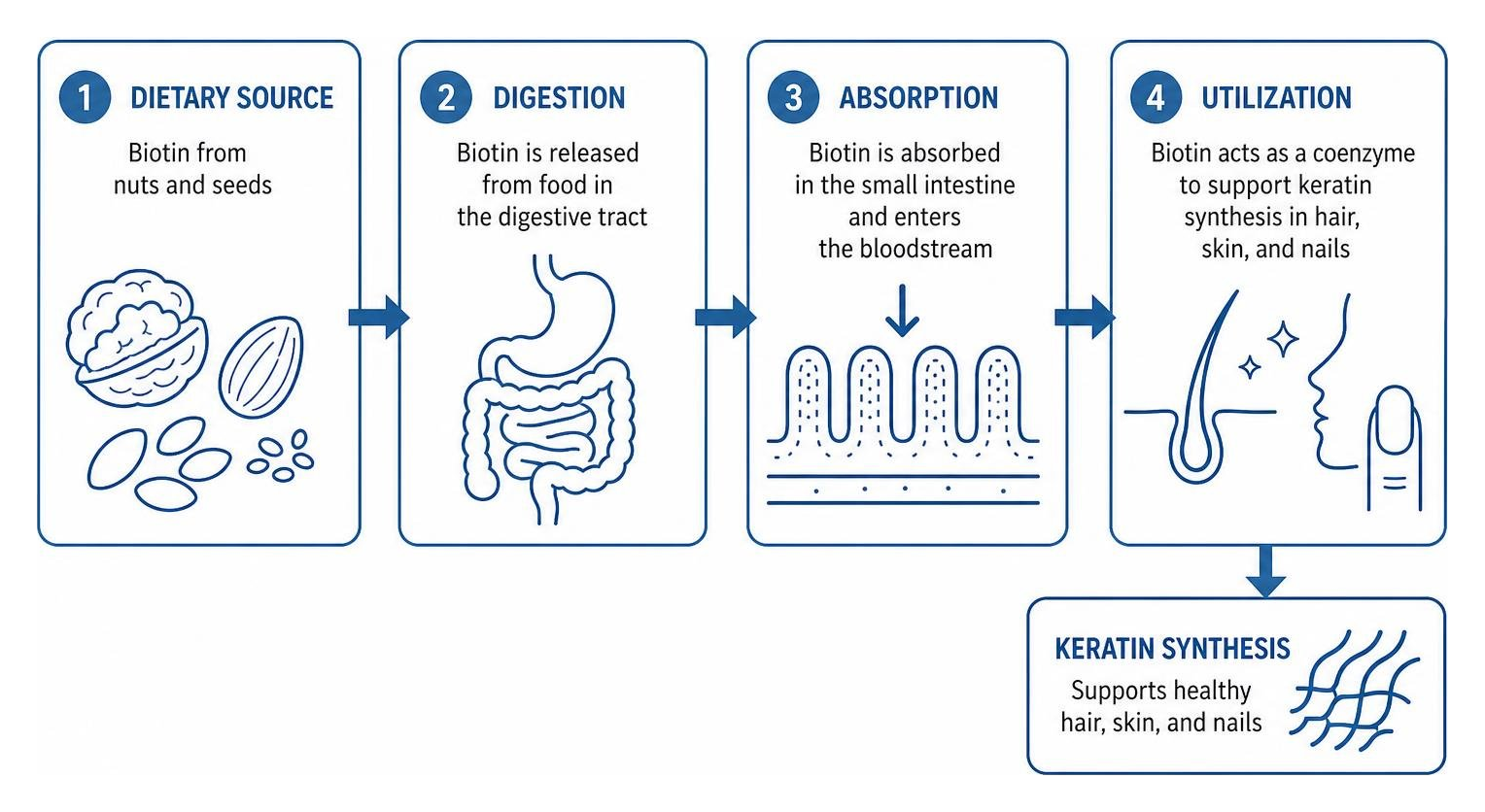
Biotin, also known as vitamin B7 or vitamin H, plays an indispensable role in maintaining your body's metabolic engine. It serves as an essential coenzyme for carboxylases that break down fatty acids, glucose, and amino acids. Beyond energy metabolism, biotin supports the basic keratin infrastructure of your body—the fundamental structural protein that makes up your hair, skin, and nails.
Under current nutritional standards, the Recommended Dietary Allowance (RDA) or Adequate Intake (AI) for adults is set at 30 micrograms (mcg) per day (increasing to 35 mcg for lactating women). Meeting your daily intake goals through whole foods is one of the most effective ways to sustain natural cellular repair. Plant-based dietary staples, particularly nutrient-dense nuts and seeds, offer an accessible, unrefined pathway to nourish your body with essential B vitamins while delivering heart-healthy lipids and protective minerals.
Ranking the Best Biotin Nuts Seeds for Daily Nutrition
When looking at the broad spectrum of plant foods, biotin nuts and seeds consistently rank among the most convenient, shelf-stable sources of dietary micronutrients. Understanding their precise nutritional profiles helps you build balanced snacks and meals that fuel your metabolism. Exploring the broader health benefits of biotin reveals how this simple B-complex vitamin influences cellular vitality across your entire lifespan.
Below is a breakdown comparing the biotin content, practical serving sizes, and standout co-nutrients across popular nuts and seeds:
| Nut or Seed Variety |
Biotin per 100g |
Biotin per Standard Serving |
Key Micronutrients Provided |
Primary Dietary Advantage |
| Sunflower Seeds |
0.67 mg (670 mcg) |
~2.6 mcg (1/4 cup / 30g) |
Vitamin E, Selenium, Magnesium |
Highest overall concentration |
| Soybeans (Mature) |
0.06 mg (60 mcg) |
~18 mcg (1/2 cup cooked) |
Folate, Iron, Plant Sterols |
Exceptional plant protein base |
| Peanuts (Oil-Roasted) |
0.095 mg (95.6 mcg) |
~6.4 mcg (1/4 cup / 35g) |
Niacin, Resveratrol, Copper |
Readily available and versatile |
| Hazelnuts (Filberts) |
0.076–0.08 mg (80 mcg) |
~2.2 mcg (1 oz / 28g) |
Manganese, Vitamin E, Folate |
Robust antioxidant profile |
| Almonds |
0.061 mg (61.6 mcg) |
~1.5 mcg (1 oz / 28g) |
Calcium, Riboflavin, Vitamin E |
Nutrient density and satiety |
| Walnuts |
0.019 mg (19 mcg) |
~0.5 mcg (1 oz / 28g) |
Alpha-Linolenic Acid (Omega-3) |
Optimal neuroprotective lipids |
| Pine Nuts |
0.010 mg (10 mcg) |
~0.3 mcg (1 oz / 28g) |
Zinc, Magnesium, Vitamin K |
Delicate culinary versatility |
| Brazil Nuts |
0.00 mg (Negligible) |
0.0 mcg (1 oz / 28g) |
Selenium, Magnesium, Phosphorus |
World-class selenium density |
Sunflower Seeds: The King of Biotin Nuts Seeds
Sunflower seeds (Helianthus annuus) reign supreme as the most concentrated seed source of vitamin B7 you can put in your pantry. With a massive 0.67 mg of biotin per 100g, they outpace almost every other culinary seed. A simple quarter-cup snack portion (about 30 grams) provides approximately 2.6 mcg of natural biotin, effortlessly covering nearly 9% of your total daily requirement.
Beyond their impressive B7 profile, sunflower seeds are packed with alpha-tocopherol (vitamin E), an oil-soluble antioxidant that shields cell membranes from oxidative degradation. Their healthy balance of monounsaturated and polyunsaturated fats aids in the assimilation of fat-soluble nutrients, while mineral cofactors like magnesium and copper assist in cardiovascular and enzymatic maintenance. Tossing a handful into your morning yogurt, blending them into homemade seed butter, or sprinkling them across a fresh salad offers a clean, reliable nutritional upgrade.
Almonds and Hazelnuts: Nutrient Powerhouses
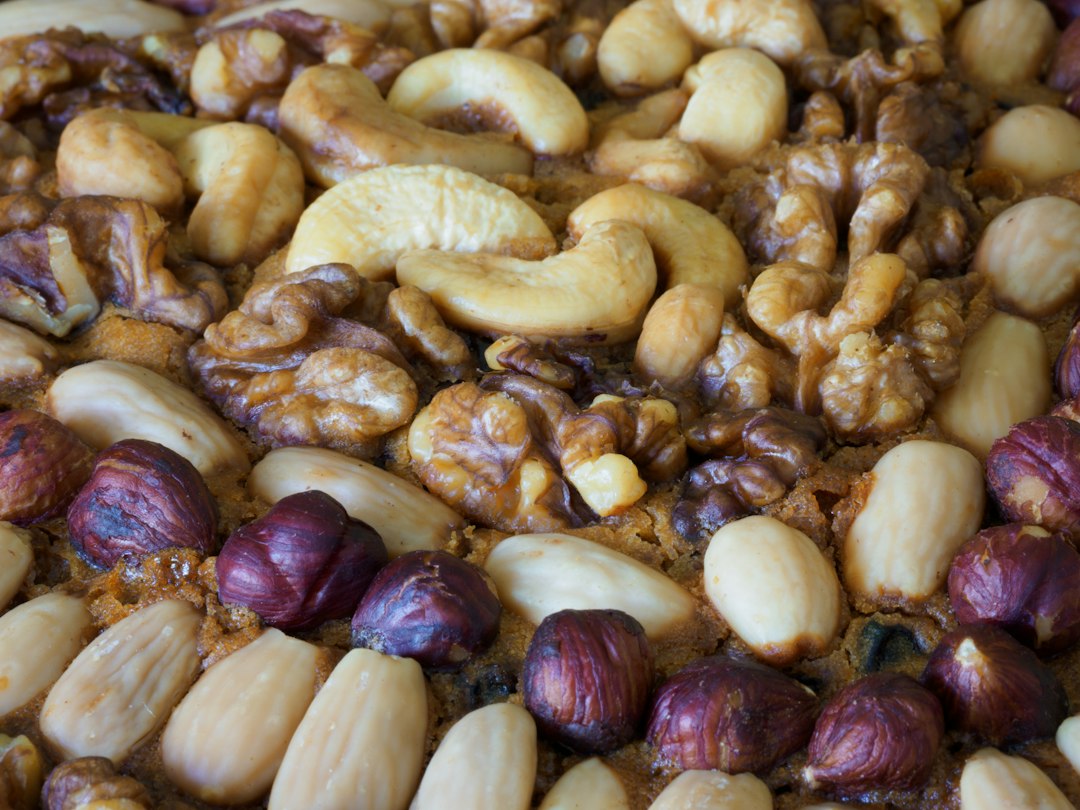
Almonds stand out as a beloved dietary staple, delivering around 1.5 mcg of biotin per single-ounce serving (roughly 23 whole kernels) and upwards of 61.6 mcg per 100g in roasted forms. Hazelnuts (filberts) offer an even denser profile, providing between 0.076 and 0.08 mg of biotin per 100g, yielding around 2.2 mcg per handful.
Both tree nuts combine their B-vitamin payload with abundant stores of magnesium—a vital cofactor in over 300 biochemical reactions, including muscle relaxation and energy synthesis. The natural synergy of dietary biotin, manganese, and structural amino acids in almonds and hazelnuts helps provide the foundational building blocks required to maintain vibrant hair follicles, skin elasticity, and resilient nail plates. Their hearty dietary fiber content also slows digestion, maintaining steady blood sugar and sustained satiety.
Peanuts and Soybeans: The Legume Contenders
While culinary custom classifies peanuts and soybeans alongside traditional tree nuts and seeds, botanically they are legumes. This botanical distinction comes with unique nutritional advantages. Peanuts are surprisingly rich in biotin: a quarter-cup serving delivers approximately 6.4 mcg, making them one of the most cost-effective, high-yield plant sources available. When oil-roasted, peanuts can deliver up to 95.6 mcg of biotin per 100g.
Soybeans are another exceptional functional food, containing roughly 60 mcg of biotin per 100g serving. Incorporating whole soy—such as steamed edamame, roasted soy nuts, or traditional fermented tempeh—supplies significant amounts of B7 alongside complete plant proteins containing all nine essential amino acids. The combination of bioactive isoflavones, plant sterols, and high-quality protein makes legumes an indispensable anchor for plant-focused eaters seeking structural strength and cellular energy.
Walnuts and Pine Nuts: Modest Yet Essential Biotin Sources
Walnuts and pine nuts occupy a more modest tier regarding raw biotin volume, but their broader biochemical makeup makes them essential to a well-rounded diet. Walnuts contain approximately 0.019 mg of biotin per 100g, yielding roughly 0.5 mcg per ounce. However, walnuts are unmatched in their delivery of plant-based omega-3 fatty acids, specifically alpha-linolenic acid (ALA), which actively modulates inflammatory pathways and reinforces cellular membrane fluidity.
Pine nuts yield around 0.010 mg of biotin per 100g. As explored in comprehensive botanical reviews of the Pine nut, these gymnosperm seeds possess unique lipid and mineral matrixes loaded with zinc, copper, manganese, and pinolenic acid. Incorporating walnuts into breakfast bowls or blending stone pine nuts into traditional pestos provides foundational trace minerals and anti-inflammatory lipids that support the enzymes responsible for utilizing B vitamins.
Plant-Based vs. Animal Sources: Bioavailability and Processing Effects
Understanding nutritional intake requires examining not just how much of a vitamin is present in a food, but how effectively your digestive tract absorbs it. In human nutrition, biotin exists in two primary forms: free biotin (unbound) and protein-bound biotin (primarily linked to lysine residues, termed biocytin).
Scientific investigations published in Proteomic Insights into Edible Nut Seeds: Nutritional Value, Allergenicity, Stress Responses, and Processing Effects demonstrate that the structural storage proteins of nuts—such as 2S albumins, 7S vicilins, and 11S legumins—house complex micronutrient complexes. To liberate dietary B7, your gastrointestinal tract relies on pancreatic and intestinal biotinidase enzymes to cleave biocytin into free biotin before mucosal uptake.
While plant-based nuts and seeds deliver exceptional clean nutrition, animal-derived tissues like cooked beef liver provide free or easily hydrolyzable biotin at astronomical concentrations. Understanding how vitamin B7 behaves across varying digestive conditions highlights why gastrointestinal integrity and enzyme sufficiency remain essential for extracting maximal nutrition from plant matrices.
Raw vs. Roasted and Dried: Does Cooking Destroy Biotin?
Biotin exhibits relatively strong thermal stability compared to fragile water-soluble vitamins like ascorbic acid (vitamin C) or thiamine (vitamin B1). Gentle dry roasting and low-temperature baking do not cause substantial degradation of the biotin molecule inside nuts and seeds. Food composition analyses confirm that oil-roasted almonds and roasted sunflower seeds maintain robust, highly bioavailable biotin values (ranging from 61 to 80 mcg per 100g).
However, high heat introduces other nutritional trade-offs. The delicate polyunsaturated and monounsaturated fatty acids in raw nuts are prone to lipid peroxidation when exposed to prolonged high temperatures, light, or ambient oxygen. Over-roasting creates free radicals and rancidity, which can impair overall metabolic utility. Lightly roasting or consuming freshly shelled, raw nuts preserves both the native vitamin content and the pristine fatty acid architecture.
Comparing Nuts and Seeds to Eggs, Organ Meats, and Avocados
To gain perspective on where nuts and seeds sit in the broader dietary landscape, compare their concentrations and physiological bioavailability directly against prominent animal and fruit sources:
| Food Source |
Serving Size |
Approximate Biotin Content |
Bioavailability / Absorption Characteristics |
| Cooked Beef Liver |
3 oz (85g) |
~30.0 to 35.0 mcg |
Exceptionally high; exceeds total adult daily RDA in one portion |
| Cooked Whole Egg |
1 large egg (50g) |
~10.0 mcg |
High when cooked; avidin in raw whites binds biotin and prevents uptake |
| Sunflower Seeds |
1/4 cup (30g) |
~2.6 mcg |
Moderate; requires intestinal biotinidase for protein release |
| Cooked Soybeans |
1/2 cup (86g) |
~18.0 mcg |
High plant availability; accompanied by dietary fiber and minerals |
| Fresh Avocado |
1 whole medium |
~2.0 to 6.0 mcg |
High; natural lipids facilitate rapid digestive emulsification |
| Roasted Peanuts |
1/4 cup (35g) |
~6.4 mcg |
Moderate-high; dense lipid-protein matrix slows gastric transit |
While animal liver and cooked egg yolks represent the most concentrated sources per gram, relying on a diverse mixture of sunflower seeds, almonds, peanuts, avocados, and legumes allows plant-focused individuals to easily fulfill their 30 mcg baseline without animal products.
Low-Biotin Nuts Worth Eating and Key Dietary Precautions
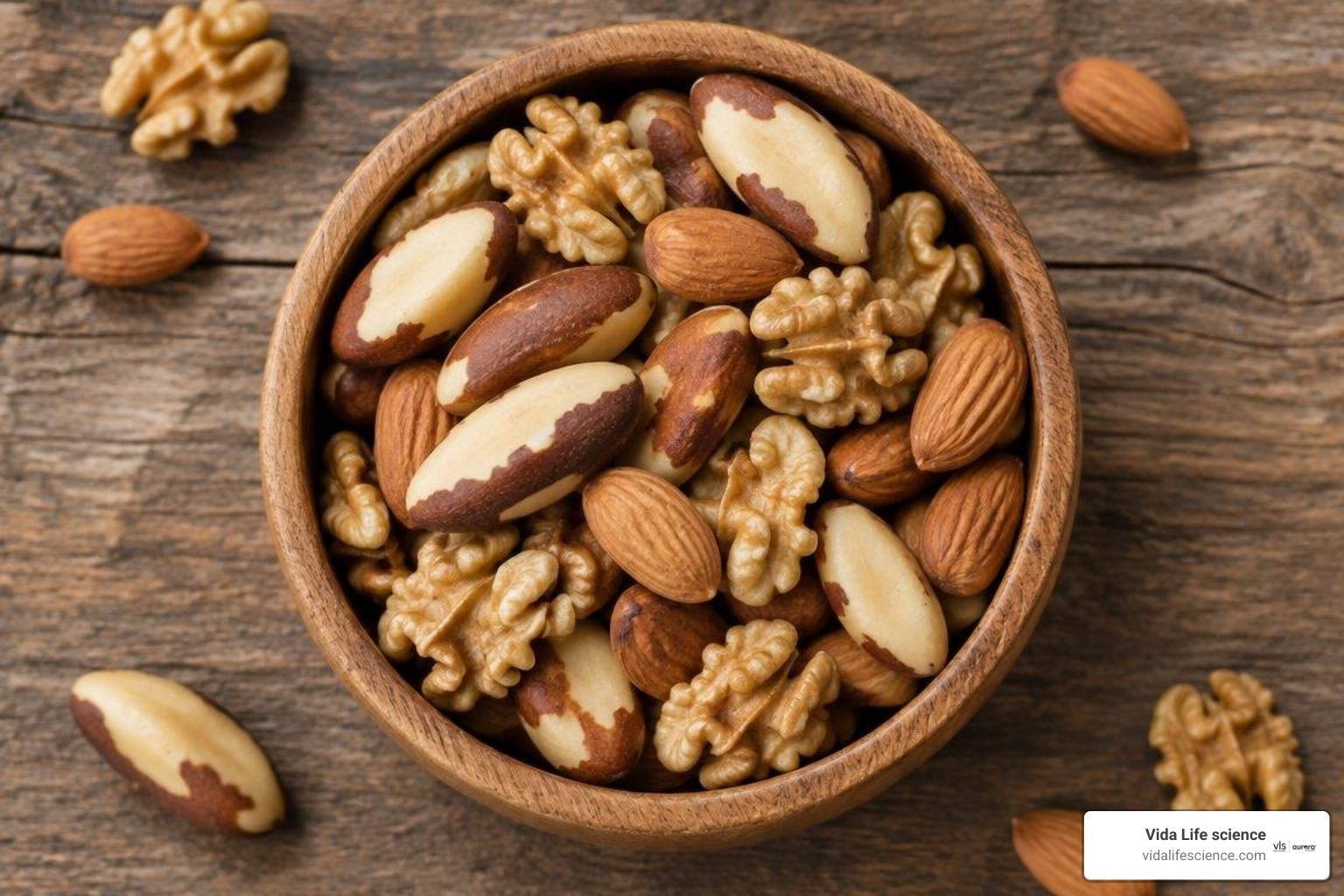
Not all edible nuts contain significant biotin. Food composition testing reveals that chestnuts, ginkgo nuts, and Brazil nuts possess very low or undetectable levels of vitamin B7. Yet, excluding these foods from your diet would be a mistake.
As detailed in academic research on the Bioactive Compounds of the Brazil Nut (Bertholletia excelsa Bonpl.): Nutritional and Health Aspects, the Brazil nut is a nutritional marvel. Even though it lacks measurable biotin, it stands as the planet’s richest natural dietary reservoir of organic selenium—an indispensable element required for cellular defense, thyroid hormone conversion, and systemic redox balance.
Managing Allergenicity, Rancidity, and Selenium Toxicity
While nuts and seeds are nutritional champions, excessive or unguided consumption introduces specific health considerations:
-
Selenium Toxicity (Selenosis): Brazil nuts are exceptionally potent; a single nut can supply between 68 and 90 mcg of selenium, easily fulfilling the daily adult RDA of 55 mcg. Eating handfuls daily can rapidly push intake past the established tolerable upper intake level (UL) of 400 mcg, potentially triggering selenosis—a condition marked by brittle nails, hair loss, gastrointestinal distress, and nervous system fatigue. Restrict Brazil nut consumption to one or two per day.
-
Tree Nut and Peanut Allergies: Proteins such as 2S albumins and vicilins can trigger severe IgE-mediated immune reactions in sensitized individuals. Always respect established allergies and cross-reactivity patterns.
-
Rancidity and Storage: The delicate unsaturated oils in walnuts, pine nuts, and flaxseeds oxidize rapidly when exposed to heat and sunlight. Store your raw nuts and seeds in airtight glass containers in the refrigerator or freezer to prevent lipid degradation.
-
Mycotoxins: Improperly cured or moisture-exposed crops can harbor Aspergillus molds that generate aflatoxins. Source your nuts and seeds from reputable, high-standard suppliers to ensure proper handling and sorting.
Maximizing Hair, Skin, and Nail Health with Biotin Nuts Seeds
Nutritional synergy explains why whole foods produce distinct wellness outcomes. When you eat biotin nuts and seeds like sunflower seeds, almonds, or walnuts, you consume biotin nestled within an intelligent matrix of monounsaturated fatty acids, zinc, selenium, copper, and vitamin E. This combined matrix nourishes the structural layers of the skin dermis and hair follicles simultaneously.
When individuals fall short on these foundational cofactors, recognizing the subtle signs of vitamin deficiencies becomes essential. Deficiencies in B vitamins, essential lipids, and trace minerals often manifest as brittle nail plates, diffuse hair thinning, or dry, flaking skin.
Reviewing the most common vitamin deficiencies and how to address them helps establish whether your daily wellness routine is hitting critical benchmarks. For comprehensive support, combining whole foods with balanced multivitamins for hair, skin, and nails can help reinforce structural tissue integrity across the board.
Frequently Asked Questions About Biotin in Nuts and Seeds
How many nuts or seeds do I need to eat daily to meet the 30 mcg biotin RDA?
Nuts and seeds are best utilized as foundational contributors rather than sole providers of your daily 30 mcg biotin target. To meet the full 30 mcg RDA exclusively through nuts and seeds, you would need to consume roughly:
-
Sunflower seeds: ~1.25 cups (around 135 grams)
-
Roasted peanuts: ~1.2 cups (around 160 grams)
-
Almonds: ~5 cups (around 500 grams)
Consuming 500 grams of almonds in a single day is neither practical nor nutritionally balanced due to the excessive caloric and fat load. Instead, enjoy a practical 1-ounce serving of sunflower seeds (2.6 mcg) or peanuts (6.4 mcg), and pair it with sweet potatoes, cooked eggs, avocados, broccoli, and targeted dietary solutions like bioavailable Biotin supplementation to maintain optimal levels effortlessly.
Why do Brazil nuts have zero biotin but are still recommended?
Brazil nuts are recommended because of their unparalleled mineral density, particularly selenium. Selenium forms the active catalytic center of selenoproteins, including glutathione peroxidase—the body's master antioxidant defense system.
Glutathione peroxidase protects the delicate lipid membranes of your skin and hair follicles from environmental oxidative stress. While Brazil nuts supply virtually no vitamin B7, their selenium content works synergistically with the biotin and vitamin E supplied by other nuts to protect cellular structures from premature aging.
Does roasting sunflower seeds reduce their biotin content?
No, light to moderate roasting does not significantly deplete the biotin content of sunflower seeds. Biotin is a chemically resilient, heat-tolerant molecule capable of withstanding standard roasting temperatures (around 300°F to 350°F / 150°C to 175°C).
Standard commercial dry roasting typically preserves between 85% and 95% of native B7 levels. To gain the greatest nutritional benefits, opt for dry-roasted or raw seeds over options heavily processed in refined vegetable oils at extreme temperatures.
Conclusion
Nuts and seeds are nutritional gems that deliver essential dietary biotin, cardioprotective fatty acids, powerful antioxidants, and trace minerals. From the biotin-rich density of sunflower seeds and peanuts to the protective omega-3s in walnuts and the selenium power of Brazil nuts, incorporating a varied rotation of these whole foods helps reinforce your metabolic health, cellular energy, and natural vitality.
However, modern life, dietary restrictions, and individual digestive variations can sometimes make reaching optimal micronutrient targets through diet alone a challenge. When your body requires direct, reliable nutritional support, delivery technology makes all the difference.
At Vida Life Science, we specialize in advanced nutrient bioavailability through our exclusive distribution of Aurora Nutrascience liposomal formulas. Our liposomal delivery systems encapsulate active nutrients inside protective phospholipid bilayers, mimicking natural cellular membranes to help support superior absorption and systemic utilization.
If you want to support your daily wellness, hair strength, and metabolic energy with maximum efficiency, explore our scientifically formulated Biotin Supplement solutions today and experience the difference that true cellular absorption provides.


Top Biotin-Dense Nuts and Seeds You Should Eat Every Day
Introduction
The most biotin-dense nuts and seeds you can eat every day include sunflower seeds, peanuts, soybeans, hazelnuts, and almonds. Sunflower seeds lead the group with roughly 670 mcg of biotin per 100g, while a quarter-cup of roasted peanuts supplies about 6.4 mcg and a half-cup of cooked soybeans provides around 18 mcg. Hazelnuts and almonds offer smaller but meaningful amounts, making them useful everyday contributors to your vitamin B7 intake.
Biotin, also known as vitamin B7 or vitamin H, plays an indispensable role in maintaining your body's metabolic engine. It serves as an essential coenzyme for carboxylases that break down fatty acids, glucose, and amino acids. Beyond energy metabolism, biotin supports the basic keratin infrastructure of your body—the fundamental structural protein that makes up your hair, skin, and nails.
Under current nutritional standards, the Recommended Dietary Allowance (RDA) or Adequate Intake (AI) for adults is set at 30 micrograms (mcg) per day (increasing to 35 mcg for lactating women). Meeting your daily intake goals through whole foods is one of the most effective ways to sustain natural cellular repair. Plant-based dietary staples, particularly nutrient-dense nuts and seeds, offer an accessible, unrefined pathway to nourish your body with essential B vitamins while delivering heart-healthy lipids and protective minerals.
Ranking the Best Biotin Nuts Seeds for Daily Nutrition
When looking at the broad spectrum of plant foods, biotin nuts and seeds consistently rank among the most convenient, shelf-stable sources of dietary micronutrients. Understanding their precise nutritional profiles helps you build balanced snacks and meals that fuel your metabolism. Exploring the broader health benefits of biotin reveals how this simple B-complex vitamin influences cellular vitality across your entire lifespan.
Below is a breakdown comparing the biotin content, practical serving sizes, and standout co-nutrients across popular nuts and seeds:
Sunflower Seeds: The King of Biotin Nuts Seeds
Sunflower seeds (Helianthus annuus) reign supreme as the most concentrated seed source of vitamin B7 you can put in your pantry. With a massive 0.67 mg of biotin per 100g, they outpace almost every other culinary seed. A simple quarter-cup snack portion (about 30 grams) provides approximately 2.6 mcg of natural biotin, effortlessly covering nearly 9% of your total daily requirement.
Beyond their impressive B7 profile, sunflower seeds are packed with alpha-tocopherol (vitamin E), an oil-soluble antioxidant that shields cell membranes from oxidative degradation. Their healthy balance of monounsaturated and polyunsaturated fats aids in the assimilation of fat-soluble nutrients, while mineral cofactors like magnesium and copper assist in cardiovascular and enzymatic maintenance. Tossing a handful into your morning yogurt, blending them into homemade seed butter, or sprinkling them across a fresh salad offers a clean, reliable nutritional upgrade.
Almonds and Hazelnuts: Nutrient Powerhouses
Almonds stand out as a beloved dietary staple, delivering around 1.5 mcg of biotin per single-ounce serving (roughly 23 whole kernels) and upwards of 61.6 mcg per 100g in roasted forms. Hazelnuts (filberts) offer an even denser profile, providing between 0.076 and 0.08 mg of biotin per 100g, yielding around 2.2 mcg per handful.
Both tree nuts combine their B-vitamin payload with abundant stores of magnesium—a vital cofactor in over 300 biochemical reactions, including muscle relaxation and energy synthesis. The natural synergy of dietary biotin, manganese, and structural amino acids in almonds and hazelnuts helps provide the foundational building blocks required to maintain vibrant hair follicles, skin elasticity, and resilient nail plates. Their hearty dietary fiber content also slows digestion, maintaining steady blood sugar and sustained satiety.
Peanuts and Soybeans: The Legume Contenders
While culinary custom classifies peanuts and soybeans alongside traditional tree nuts and seeds, botanically they are legumes. This botanical distinction comes with unique nutritional advantages. Peanuts are surprisingly rich in biotin: a quarter-cup serving delivers approximately 6.4 mcg, making them one of the most cost-effective, high-yield plant sources available. When oil-roasted, peanuts can deliver up to 95.6 mcg of biotin per 100g.
Soybeans are another exceptional functional food, containing roughly 60 mcg of biotin per 100g serving. Incorporating whole soy—such as steamed edamame, roasted soy nuts, or traditional fermented tempeh—supplies significant amounts of B7 alongside complete plant proteins containing all nine essential amino acids. The combination of bioactive isoflavones, plant sterols, and high-quality protein makes legumes an indispensable anchor for plant-focused eaters seeking structural strength and cellular energy.
Walnuts and Pine Nuts: Modest Yet Essential Biotin Sources
Walnuts and pine nuts occupy a more modest tier regarding raw biotin volume, but their broader biochemical makeup makes them essential to a well-rounded diet. Walnuts contain approximately 0.019 mg of biotin per 100g, yielding roughly 0.5 mcg per ounce. However, walnuts are unmatched in their delivery of plant-based omega-3 fatty acids, specifically alpha-linolenic acid (ALA), which actively modulates inflammatory pathways and reinforces cellular membrane fluidity.
Pine nuts yield around 0.010 mg of biotin per 100g. As explored in comprehensive botanical reviews of the Pine nut, these gymnosperm seeds possess unique lipid and mineral matrixes loaded with zinc, copper, manganese, and pinolenic acid. Incorporating walnuts into breakfast bowls or blending stone pine nuts into traditional pestos provides foundational trace minerals and anti-inflammatory lipids that support the enzymes responsible for utilizing B vitamins.
Plant-Based vs. Animal Sources: Bioavailability and Processing Effects
Understanding nutritional intake requires examining not just how much of a vitamin is present in a food, but how effectively your digestive tract absorbs it. In human nutrition, biotin exists in two primary forms: free biotin (unbound) and protein-bound biotin (primarily linked to lysine residues, termed biocytin).
Scientific investigations published in Proteomic Insights into Edible Nut Seeds: Nutritional Value, Allergenicity, Stress Responses, and Processing Effects demonstrate that the structural storage proteins of nuts—such as 2S albumins, 7S vicilins, and 11S legumins—house complex micronutrient complexes. To liberate dietary B7, your gastrointestinal tract relies on pancreatic and intestinal biotinidase enzymes to cleave biocytin into free biotin before mucosal uptake.
While plant-based nuts and seeds deliver exceptional clean nutrition, animal-derived tissues like cooked beef liver provide free or easily hydrolyzable biotin at astronomical concentrations. Understanding how vitamin B7 behaves across varying digestive conditions highlights why gastrointestinal integrity and enzyme sufficiency remain essential for extracting maximal nutrition from plant matrices.
Raw vs. Roasted and Dried: Does Cooking Destroy Biotin?
Biotin exhibits relatively strong thermal stability compared to fragile water-soluble vitamins like ascorbic acid (vitamin C) or thiamine (vitamin B1). Gentle dry roasting and low-temperature baking do not cause substantial degradation of the biotin molecule inside nuts and seeds. Food composition analyses confirm that oil-roasted almonds and roasted sunflower seeds maintain robust, highly bioavailable biotin values (ranging from 61 to 80 mcg per 100g).
However, high heat introduces other nutritional trade-offs. The delicate polyunsaturated and monounsaturated fatty acids in raw nuts are prone to lipid peroxidation when exposed to prolonged high temperatures, light, or ambient oxygen. Over-roasting creates free radicals and rancidity, which can impair overall metabolic utility. Lightly roasting or consuming freshly shelled, raw nuts preserves both the native vitamin content and the pristine fatty acid architecture.
Comparing Nuts and Seeds to Eggs, Organ Meats, and Avocados
To gain perspective on where nuts and seeds sit in the broader dietary landscape, compare their concentrations and physiological bioavailability directly against prominent animal and fruit sources:
While animal liver and cooked egg yolks represent the most concentrated sources per gram, relying on a diverse mixture of sunflower seeds, almonds, peanuts, avocados, and legumes allows plant-focused individuals to easily fulfill their 30 mcg baseline without animal products.
Low-Biotin Nuts Worth Eating and Key Dietary Precautions
Not all edible nuts contain significant biotin. Food composition testing reveals that chestnuts, ginkgo nuts, and Brazil nuts possess very low or undetectable levels of vitamin B7. Yet, excluding these foods from your diet would be a mistake.
As detailed in academic research on the Bioactive Compounds of the Brazil Nut (Bertholletia excelsa Bonpl.): Nutritional and Health Aspects, the Brazil nut is a nutritional marvel. Even though it lacks measurable biotin, it stands as the planet’s richest natural dietary reservoir of organic selenium—an indispensable element required for cellular defense, thyroid hormone conversion, and systemic redox balance.
Managing Allergenicity, Rancidity, and Selenium Toxicity
While nuts and seeds are nutritional champions, excessive or unguided consumption introduces specific health considerations:
Maximizing Hair, Skin, and Nail Health with Biotin Nuts Seeds
Nutritional synergy explains why whole foods produce distinct wellness outcomes. When you eat biotin nuts and seeds like sunflower seeds, almonds, or walnuts, you consume biotin nestled within an intelligent matrix of monounsaturated fatty acids, zinc, selenium, copper, and vitamin E. This combined matrix nourishes the structural layers of the skin dermis and hair follicles simultaneously.
When individuals fall short on these foundational cofactors, recognizing the subtle signs of vitamin deficiencies becomes essential. Deficiencies in B vitamins, essential lipids, and trace minerals often manifest as brittle nail plates, diffuse hair thinning, or dry, flaking skin.
Reviewing the most common vitamin deficiencies and how to address them helps establish whether your daily wellness routine is hitting critical benchmarks. For comprehensive support, combining whole foods with balanced multivitamins for hair, skin, and nails can help reinforce structural tissue integrity across the board.
Frequently Asked Questions About Biotin in Nuts and Seeds
How many nuts or seeds do I need to eat daily to meet the 30 mcg biotin RDA?
Nuts and seeds are best utilized as foundational contributors rather than sole providers of your daily 30 mcg biotin target. To meet the full 30 mcg RDA exclusively through nuts and seeds, you would need to consume roughly:
Consuming 500 grams of almonds in a single day is neither practical nor nutritionally balanced due to the excessive caloric and fat load. Instead, enjoy a practical 1-ounce serving of sunflower seeds (2.6 mcg) or peanuts (6.4 mcg), and pair it with sweet potatoes, cooked eggs, avocados, broccoli, and targeted dietary solutions like bioavailable Biotin supplementation to maintain optimal levels effortlessly.
Why do Brazil nuts have zero biotin but are still recommended?
Brazil nuts are recommended because of their unparalleled mineral density, particularly selenium. Selenium forms the active catalytic center of selenoproteins, including glutathione peroxidase—the body's master antioxidant defense system.
Glutathione peroxidase protects the delicate lipid membranes of your skin and hair follicles from environmental oxidative stress. While Brazil nuts supply virtually no vitamin B7, their selenium content works synergistically with the biotin and vitamin E supplied by other nuts to protect cellular structures from premature aging.
Does roasting sunflower seeds reduce their biotin content?
No, light to moderate roasting does not significantly deplete the biotin content of sunflower seeds. Biotin is a chemically resilient, heat-tolerant molecule capable of withstanding standard roasting temperatures (around 300°F to 350°F / 150°C to 175°C).
Standard commercial dry roasting typically preserves between 85% and 95% of native B7 levels. To gain the greatest nutritional benefits, opt for dry-roasted or raw seeds over options heavily processed in refined vegetable oils at extreme temperatures.
Conclusion
Nuts and seeds are nutritional gems that deliver essential dietary biotin, cardioprotective fatty acids, powerful antioxidants, and trace minerals. From the biotin-rich density of sunflower seeds and peanuts to the protective omega-3s in walnuts and the selenium power of Brazil nuts, incorporating a varied rotation of these whole foods helps reinforce your metabolic health, cellular energy, and natural vitality.
However, modern life, dietary restrictions, and individual digestive variations can sometimes make reaching optimal micronutrient targets through diet alone a challenge. When your body requires direct, reliable nutritional support, delivery technology makes all the difference.
At Vida Life Science, we specialize in advanced nutrient bioavailability through our exclusive distribution of Aurora Nutrascience liposomal formulas. Our liposomal delivery systems encapsulate active nutrients inside protective phospholipid bilayers, mimicking natural cellular membranes to help support superior absorption and systemic utilization.
If you want to support your daily wellness, hair strength, and metabolic energy with maximum efficiency, explore our scientifically formulated Biotin Supplement solutions today and experience the difference that true cellular absorption provides.