How Much Turmeric Per Day Is Safe?
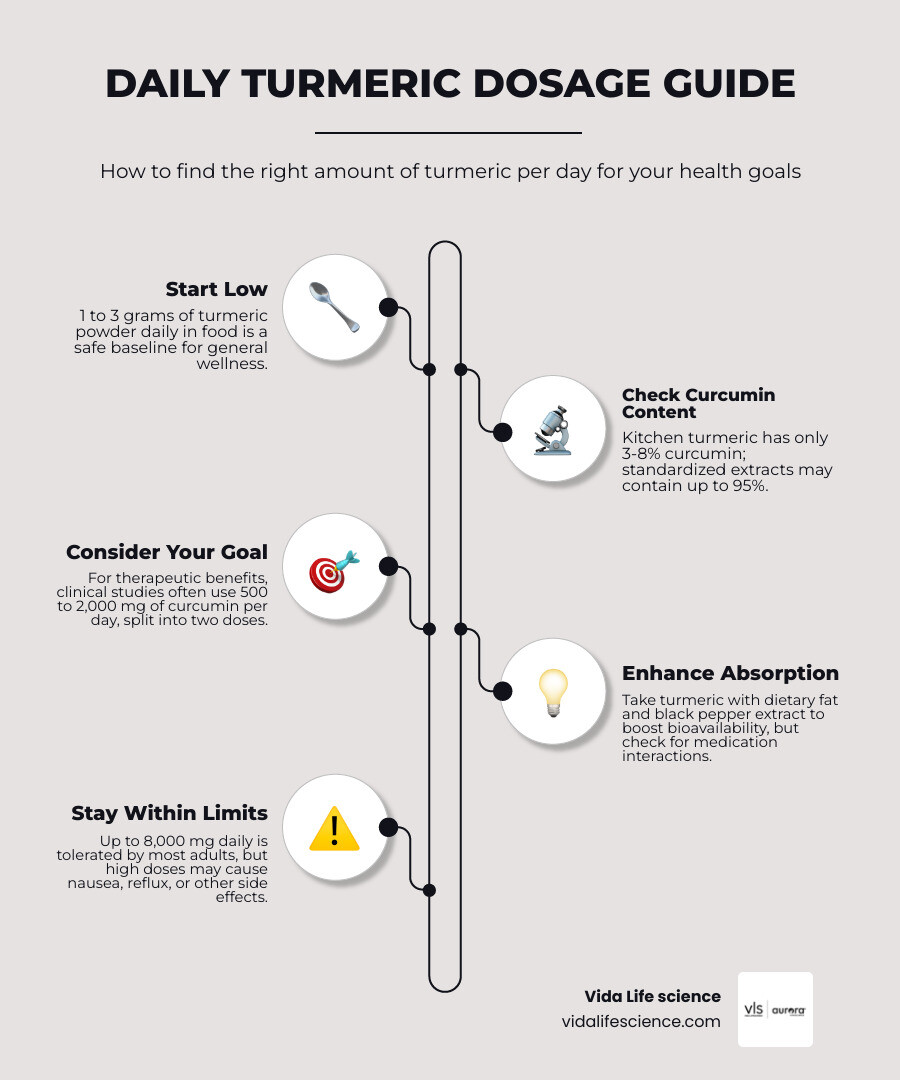
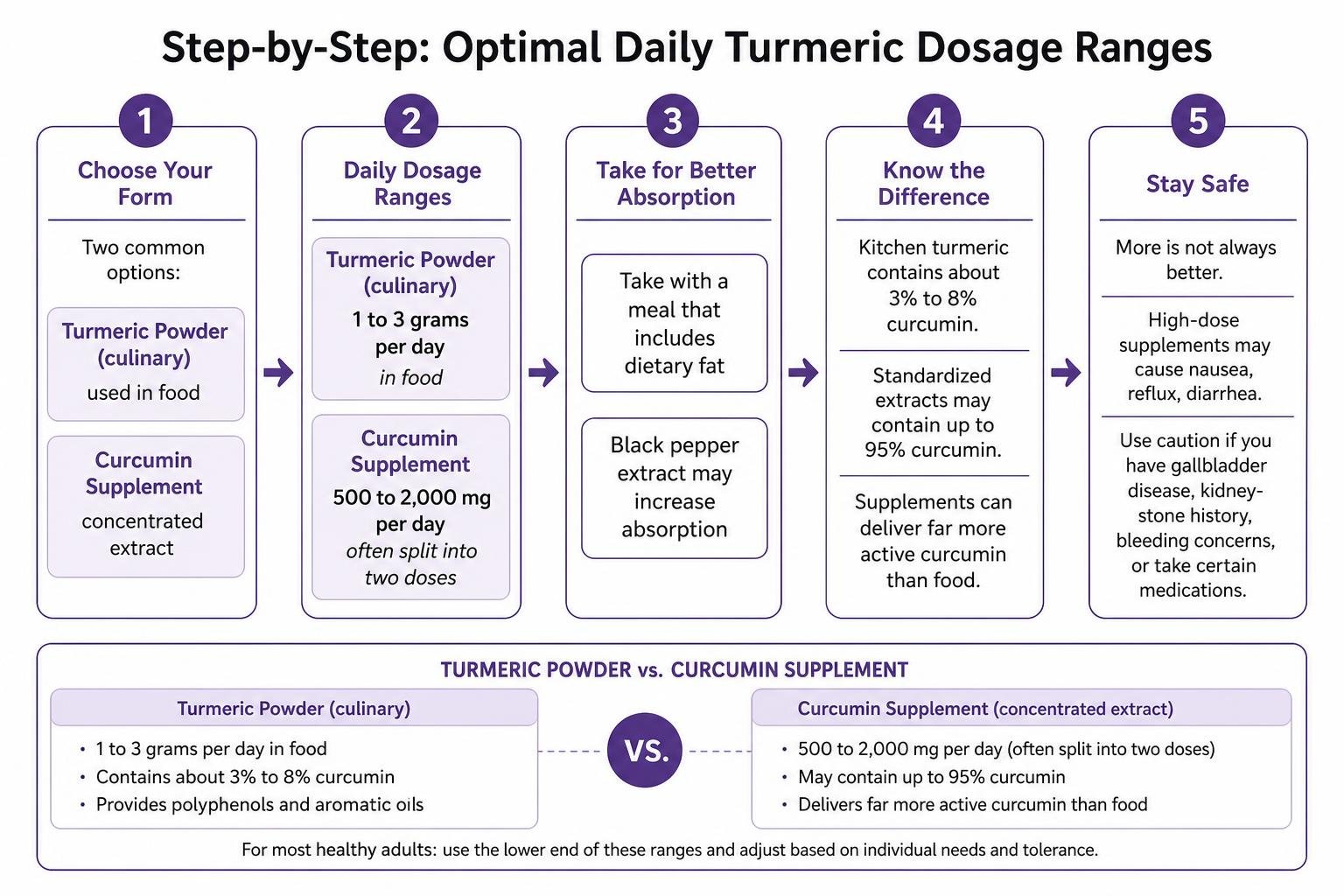
For most healthy adults, using 1 to 3 grams of turmeric powder daily in food is a reasonable starting point. If you use a concentrated curcumin supplement, many studies use 500 to 2,000 mg of curcumin per day, often split into two doses and taken with a meal.
The key is not to confuse turmeric with curcumin. Kitchen turmeric usually contains only about 3% to 8% curcumin, while standardized extracts may contain up to 95%. That means a capsule can deliver far more active curcumin than a spoonful added to soup or a smoothie.
More is not always better. High-dose supplements can cause nausea, reflux, diarrhea, and may raise risks for people with gallbladder disease, kidney-stone history, bleeding concerns, or certain medications. Taking turmeric with dietary fat can help absorption; black pepper extract may increase absorption too, but it can also affect how some medicines are processed.
Vida Life Science is a U.S.-based distributor focused on high-quality, bioavailable nutritional supplements, including phosphatidylcholine-based liposomal delivery systems. We help health-conscious adults understand the right amount of turmeric per day while considering absorption, supplement strength, and safety.
Ideal Amount of Turmeric Per Day for Maximum Health Benefits
Determining your target daily intake begins by identifying your specific wellness goals. Global authorities, including the Joint FAO/WHO Expert Committee on Food Additives, have established an acceptable daily intake (ADI) for curcumin of 0 to 3 mg per kilogram of body weight (about 1.4 mg per pound). For an adult weighing 150 pounds (roughly 68 kg), that equals a baseline of approximately 200 mg of pure curcuminoids daily.
However, published clinical trials exploring therapeutic outcomes frequently evaluate doses between 500 mg and 2,000 mg daily. The Food and Drug Administration (FDA) categorizes turmeric and curcumin as Generally Recognized as Safe (GRAS), and clinical research indicates that single or divided doses of up to 8,000 mg (8 grams) per day are well tolerated by most adults without severe toxicity. For those reviewing the broader scientific literature, evidence on turmeric dosage highlights that optimal quantities depend heavily on the delivery system and the targeted physiological pathway.
Recommended Amount of Turmeric Per Day for General Wellness
If your goal is baseline antioxidant protection and general wellness, dietary amounts or moderate supplementation are ideal:
-
Culinary Root and Powder: 1 to 3 grams of dried turmeric powder daily (roughly one-half to one level teaspoon) provides valuable polyphenols and aromatic oils.
-
Standardized Curcumin: 250 to 500 mg per day of standardized curcuminoids provides cellular defense against free radicals without overburdening the digestive tract.
In traditional dietary patterns, such as the average Indian diet, daily consumption averages 2 to 2.5 grams of culinary turmeric per day for a 60 kg individual, yielding approximately 60 to 100 mg of dietary curcuminoids alongside synergistic root compounds.
Target Amount of Turmeric Per Day for Joint Inflammation
Chronic joint stiffness and cartilage stress require higher bioactive concentrations to modulate pro-inflammatory pathways like NF-kB and downregulate inflammatory cytokines, including TNF-alpha and IL-6.
Clinical trials evaluating osteoarthritis and rheumatoid discomfort frequently administer 500 to 1,500 mg of standardized turmeric extract daily for periods ranging from 8 to 12 weeks. The Arthritis Foundation recommends taking 500 mg of standardized curcumin extract twice daily. For localized joint stress, advanced delivery forms can target systemic pathways more efficiently; you can read about specialized protocols in our article on Liposomal Curcumin and Bursitis Treatment.
Therapeutic Dosing for Digestive and Cardiovascular Support
Clinical studies show that therapeutic levels of curcumin support vascular health and gut integrity:
-
Endothelial and Cardiovascular Function: Clinical trials using 500 to 2,000 mg of curcumin daily show significant improvements in flow-mediated dilation and lipid balance. For comprehensive cardiovascular strategies, consider Supporting Heart Health with CoQ10 and Curcumin Supplements.
-
Digestive and Gut Lining Support: In clinical studies on inflammatory bowel conditions, doses from 1,000 mg to 2,000 mg daily alongside standard protocols helped maintain clinical remission. Explore our detailed Liposomal Curcumin IBD Guide 2026 for specialized digestive health protocols.
Culinary Spice vs. Standardized Extracts: Understanding Curcumin Content
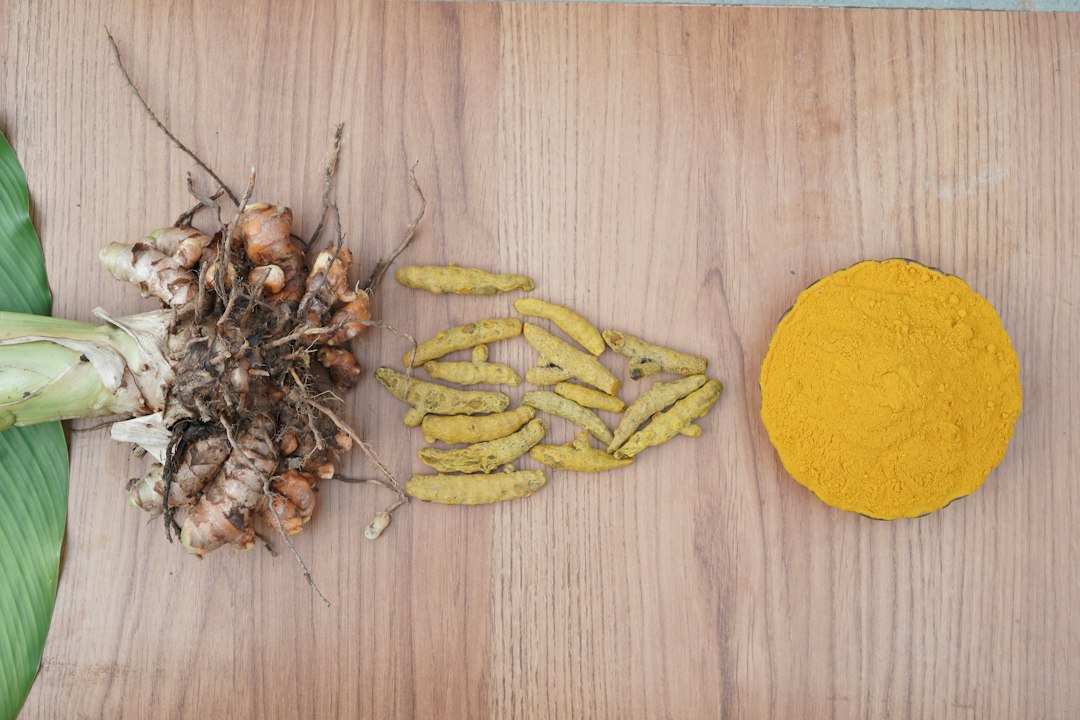
A frequent point of confusion is equating raw spice powder with standardized curcumin extract. While culinary turmeric adds rich flavor and golden color to recipes, its native curcumin concentration is relatively low.
Curcumin Concentration in Kitchen Turmeric vs. Supplements
Ground turmeric spice derived from the dried rhizome of Curcuma longa contains only 3% to 8% curcuminoids by dry weight. The remaining 92% to 97% consists of moisture, starches, fiber, minerals, and essential oils (such as tumerones).
Standardized nutraceutical supplements isolate these active compounds to achieve up to 95% curcuminoids (curcumin, demethoxycurcumin, and bisdemethoxycurcumin).
| Form of Turmeric |
Curcuminoid Concentration |
Typical Dose |
Active Curcumin Yield |
Best For |
| Culinary Powder |
3% – 8% |
2,000 mg (approx. 1 tsp) |
60 – 160 mg |
Flavor, culinary enjoyment, gentle daily antioxidant support |
| Standard 95% Extract |
95% |
1,000 mg (in capsules) |
950 mg |
Moderate inflammatory support (requires enhancers) |
| Liposomal Curcumin |
Optimized bioavailability |
200 – 500 mg (liquid/capsule) |
High systemic plasma delivery |
Maximum absorption, cellular uptake, and joint/gut support |
Achieving a therapeutic dose of 1,000 mg pure curcumin through grocery spice alone would require ingesting roughly 20 to 30 grams of raw powder daily (more than a tablespoon), which is likely to irritate the stomach lining.
Overcoming the Bioavailability Hurdle
Native curcumin is naturally hydrophobic (fat-insoluble in water) and undergoes rapid glucuronidation and sulfation in the intestinal wall and liver. Consequently, unformulated curcumin passes through the digestive tract largely unabsorbed.
Scientists and formulators use several methods to bypass these metabolic hurdles:
-
Piperine Synergy: Combining curcumin with piperine (a black pepper alkaloid) inhibits hepatic glucuronidation, increasing serum concentrations by up to 2,000%. However, piperine also alters intestinal permeability and can inhibit CYP3A4 enzymes, affecting prescription medications.
-
Lipid Emulsification: Consuming turmeric alongside healthy fats (such as extra virgin olive oil, coconut oil, or avocado) triggers bile acid release and micelle formation. As highlighted in Harvard Health's analysis on turmeric benefits, pairing turmeric with dietary fats is essential for basic home preparation.
-
Advanced Liposomal Encapsulation: Encapsulating curcumin inside bilayer phosphatidylcholine liposomes shields the compound from harsh gastric acids. Our Liposomal Curcumin Bioavailability Study explains how liposomal spheres mimic natural cell membranes, facilitating direct lymphatic absorption without relying on chemical metabolic inhibitors.
How Much Turmeric Is Too Much? Upper Limits and Side Effects
While turmeric is safe for daily culinary use, excessive supplement consumption can cause adverse effects. Understanding safe daily limits helps prevent gastrointestinal distress.
According to clinical research and Cleveland Clinic insights on turmeric side effects, standard supplemental intakes up to 2,000 mg per day are well tolerated. However, intake exceeding 8,000 mg daily is generally not recommended without strict clinical supervision.
Recognizing Symptoms of Turmeric Overdose
Ingesting excessive amounts of unformulated powder or high-dose extracts can overstimulate the digestive tract, leading to:
-
Acid Reflux and Heartburn: Curcumin stimulates gastric acid secretion, which can exacerbate GERD symptoms.
-
Nausea and Cramping: Excessive unabsorbed material in the stomach can trigger nausea.
-
Diarrhea and Loose Stools: High osmotic loads of unabsorbed polyphenols can alter fluid transit in the large intestine.
-
Skin Rashes or Allergic Reactions: Rare, dose-dependent dermatitis can occur in sensitive individuals.
Long-Term Supplementation and Organ Health
For healthy individuals, moderate daily intake does not stress the liver or kidneys. However, high doses present specific physiological considerations:
-
Kidney Health and Oxalates: Culinary turmeric is naturally rich in soluble oxalates. In individuals prone to calcium oxalate urolithiasis (kidney stones), high daily intake of raw turmeric powder can increase urinary oxalate excretion. Those with a history of kidney stones should prioritize purified, low-oxalate standardized extracts or liposomal formulations.
-
Liver Function Monitoring: Isolated clinical reports have linked excessive, unverified supplements to transient elevations in liver transaminases (ALT/AST). Choosing third-party tested, verified formulations ensures purity from heavy metals or industrial adulterants.
Who Should Limit or Avoid Daily Turmeric Supplementation?
While adding turmeric to meals is safe for almost everyone, concentrated supplements require caution for certain medical conditions. Johns Hopkins Medicine guidance on turmeric emphasizes discussing botanical regimens with your physician before starting high-dose therapy.
Medication Interactions and Anticoagulant Risks
Curcumin exhibits mild antiplatelet and anticoagulant properties. Consequently, high doses can interact with:
-
Blood Thinners (Anticoagulants/Antiplatelets): Drugs such as warfarin, clopidogrel, aspirin, and apixaban may exhibit additive effects when paired with high-dose curcumin, increasing bruising or bleeding risks.
-
Blood Sugar Lowering Medications: Curcumin can enhance insulin sensitivity and lower blood glucose. Patients taking metformin or insulin should monitor their blood glucose closely to prevent hypoglycemia.
-
Stomach Acid Reducers: Curcumin can stimulate gastric acid production, potentially counteracting the effects of H2 blockers and proton pump inhibitors (PPIs).
Specific Medical Conditions Requiring Caution
-
Gallbladder Obstruction and Gallstones: Curcumin stimulates gallbladder contractions (cholecystokinetic effect). If you have active gallstones or bile duct obstruction, high-dose supplements can trigger painful biliary colic.
-
Iron Deficiency Anemia: Curcumin can bind intestinal iron, forming insoluble ferric-curcumin complexes that reduce dietary iron absorption.
-
Scheduled Surgery: Discontinue high-dose turmeric supplements at least two weeks before elective surgical or dental procedures to minimize bleeding complications.
-
Pregnancy and Breastfeeding: Culinary amounts used in cooking are safe, but high-dose concentrated extracts should be avoided during pregnancy due to a lack of safety data regarding uterine tone.
Frequently Asked Questions About Daily Turmeric Intake
What happens if you take turmeric every day?
Taking an appropriate dose of turmeric every day helps maintain consistent plasma concentrations of protective polyphenols. Daily use supports the body's natural antioxidant defenses, modulates everyday joint stiffness, and supports metabolic markers. Consistency over 4 to 12 weeks is generally required to observe clinical benefits in joint flexibility and gut health.
Should turmeric be taken in the morning or at night?
Turmeric can be taken at either time, but absorption is highest when taken with a meal containing healthy fats (such as breakfast or dinner). If you experience mild acid reflux from supplements, taking your dose with lunch or dinner rather than right before lying down is recommended.
Can daily turmeric cause liver or kidney damage?
For the vast majority of healthy adults, standard daily doses (500 to 2,000 mg of curcumin) do not cause liver or kidney damage. Risks are primarily associated with contaminated, uncertified products, excessive oxalate consumption from massive doses of whole powder in stone-forming individuals, or rare idiosyncratic reactions to ultra-high doses.
Conclusion
Finding the right daily amount of turmeric involves matching your intake to your specific health goals while respecting your body's individual tolerance. While 1 to 3 grams of kitchen turmeric spice provides general culinary wellness, targeted inflammatory and joint support typically requires 500 to 2,000 mg of active curcuminoids.
Because absorption determines clinical results, advanced delivery formats allow you to achieve optimal cellular uptake without taking uncomfortable, megadose quantities of raw powder. We invite you to explore our advanced Curcumin Collection to discover pure, high-potency liposomal formulations designed for maximum bioavailability and daily comfort.


Amount of Turmeric Per Day: How Much Is Too Much for Your Body?
How Much Turmeric Per Day Is Safe?
For most healthy adults, using 1 to 3 grams of turmeric powder daily in food is a reasonable starting point. If you use a concentrated curcumin supplement, many studies use 500 to 2,000 mg of curcumin per day, often split into two doses and taken with a meal.
The key is not to confuse turmeric with curcumin. Kitchen turmeric usually contains only about 3% to 8% curcumin, while standardized extracts may contain up to 95%. That means a capsule can deliver far more active curcumin than a spoonful added to soup or a smoothie.
More is not always better. High-dose supplements can cause nausea, reflux, diarrhea, and may raise risks for people with gallbladder disease, kidney-stone history, bleeding concerns, or certain medications. Taking turmeric with dietary fat can help absorption; black pepper extract may increase absorption too, but it can also affect how some medicines are processed.
Vida Life Science is a U.S.-based distributor focused on high-quality, bioavailable nutritional supplements, including phosphatidylcholine-based liposomal delivery systems. We help health-conscious adults understand the right amount of turmeric per day while considering absorption, supplement strength, and safety.
Ideal Amount of Turmeric Per Day for Maximum Health Benefits
Determining your target daily intake begins by identifying your specific wellness goals. Global authorities, including the Joint FAO/WHO Expert Committee on Food Additives, have established an acceptable daily intake (ADI) for curcumin of 0 to 3 mg per kilogram of body weight (about 1.4 mg per pound). For an adult weighing 150 pounds (roughly 68 kg), that equals a baseline of approximately 200 mg of pure curcuminoids daily.
However, published clinical trials exploring therapeutic outcomes frequently evaluate doses between 500 mg and 2,000 mg daily. The Food and Drug Administration (FDA) categorizes turmeric and curcumin as Generally Recognized as Safe (GRAS), and clinical research indicates that single or divided doses of up to 8,000 mg (8 grams) per day are well tolerated by most adults without severe toxicity. For those reviewing the broader scientific literature, evidence on turmeric dosage highlights that optimal quantities depend heavily on the delivery system and the targeted physiological pathway.
Recommended Amount of Turmeric Per Day for General Wellness
If your goal is baseline antioxidant protection and general wellness, dietary amounts or moderate supplementation are ideal:
In traditional dietary patterns, such as the average Indian diet, daily consumption averages 2 to 2.5 grams of culinary turmeric per day for a 60 kg individual, yielding approximately 60 to 100 mg of dietary curcuminoids alongside synergistic root compounds.
Target Amount of Turmeric Per Day for Joint Inflammation
Chronic joint stiffness and cartilage stress require higher bioactive concentrations to modulate pro-inflammatory pathways like NF-kB and downregulate inflammatory cytokines, including TNF-alpha and IL-6.
Clinical trials evaluating osteoarthritis and rheumatoid discomfort frequently administer 500 to 1,500 mg of standardized turmeric extract daily for periods ranging from 8 to 12 weeks. The Arthritis Foundation recommends taking 500 mg of standardized curcumin extract twice daily. For localized joint stress, advanced delivery forms can target systemic pathways more efficiently; you can read about specialized protocols in our article on Liposomal Curcumin and Bursitis Treatment.
Therapeutic Dosing for Digestive and Cardiovascular Support
Clinical studies show that therapeutic levels of curcumin support vascular health and gut integrity:
Culinary Spice vs. Standardized Extracts: Understanding Curcumin Content
A frequent point of confusion is equating raw spice powder with standardized curcumin extract. While culinary turmeric adds rich flavor and golden color to recipes, its native curcumin concentration is relatively low.
Curcumin Concentration in Kitchen Turmeric vs. Supplements
Ground turmeric spice derived from the dried rhizome of Curcuma longa contains only 3% to 8% curcuminoids by dry weight. The remaining 92% to 97% consists of moisture, starches, fiber, minerals, and essential oils (such as tumerones).
Standardized nutraceutical supplements isolate these active compounds to achieve up to 95% curcuminoids (curcumin, demethoxycurcumin, and bisdemethoxycurcumin).
Achieving a therapeutic dose of 1,000 mg pure curcumin through grocery spice alone would require ingesting roughly 20 to 30 grams of raw powder daily (more than a tablespoon), which is likely to irritate the stomach lining.
Overcoming the Bioavailability Hurdle
Native curcumin is naturally hydrophobic (fat-insoluble in water) and undergoes rapid glucuronidation and sulfation in the intestinal wall and liver. Consequently, unformulated curcumin passes through the digestive tract largely unabsorbed.
Scientists and formulators use several methods to bypass these metabolic hurdles:
How Much Turmeric Is Too Much? Upper Limits and Side Effects
While turmeric is safe for daily culinary use, excessive supplement consumption can cause adverse effects. Understanding safe daily limits helps prevent gastrointestinal distress.
According to clinical research and Cleveland Clinic insights on turmeric side effects, standard supplemental intakes up to 2,000 mg per day are well tolerated. However, intake exceeding 8,000 mg daily is generally not recommended without strict clinical supervision.
Recognizing Symptoms of Turmeric Overdose
Ingesting excessive amounts of unformulated powder or high-dose extracts can overstimulate the digestive tract, leading to:
Long-Term Supplementation and Organ Health
For healthy individuals, moderate daily intake does not stress the liver or kidneys. However, high doses present specific physiological considerations:
Who Should Limit or Avoid Daily Turmeric Supplementation?
While adding turmeric to meals is safe for almost everyone, concentrated supplements require caution for certain medical conditions. Johns Hopkins Medicine guidance on turmeric emphasizes discussing botanical regimens with your physician before starting high-dose therapy.
Medication Interactions and Anticoagulant Risks
Curcumin exhibits mild antiplatelet and anticoagulant properties. Consequently, high doses can interact with:
Specific Medical Conditions Requiring Caution
Frequently Asked Questions About Daily Turmeric Intake
What happens if you take turmeric every day?
Taking an appropriate dose of turmeric every day helps maintain consistent plasma concentrations of protective polyphenols. Daily use supports the body's natural antioxidant defenses, modulates everyday joint stiffness, and supports metabolic markers. Consistency over 4 to 12 weeks is generally required to observe clinical benefits in joint flexibility and gut health.
Should turmeric be taken in the morning or at night?
Turmeric can be taken at either time, but absorption is highest when taken with a meal containing healthy fats (such as breakfast or dinner). If you experience mild acid reflux from supplements, taking your dose with lunch or dinner rather than right before lying down is recommended.
Can daily turmeric cause liver or kidney damage?
For the vast majority of healthy adults, standard daily doses (500 to 2,000 mg of curcumin) do not cause liver or kidney damage. Risks are primarily associated with contaminated, uncertified products, excessive oxalate consumption from massive doses of whole powder in stone-forming individuals, or rare idiosyncratic reactions to ultra-high doses.
Conclusion
Finding the right daily amount of turmeric involves matching your intake to your specific health goals while respecting your body's individual tolerance. While 1 to 3 grams of kitchen turmeric spice provides general culinary wellness, targeted inflammatory and joint support typically requires 500 to 2,000 mg of active curcuminoids.
Because absorption determines clinical results, advanced delivery formats allow you to achieve optimal cellular uptake without taking uncomfortable, megadose quantities of raw powder. We invite you to explore our advanced Curcumin Collection to discover pure, high-potency liposomal formulations designed for maximum bioavailability and daily comfort.