Why Liposomal Curcumin and Bursitis Treatment Are Being Talked About More Than Ever
Liposomal curcumin and bursitis treatment is a combination that more people are turning to as they look for natural, gentler options for managing joint pain and inflammation.
Quick answer: Can liposomal curcumin help with bursitis?
-
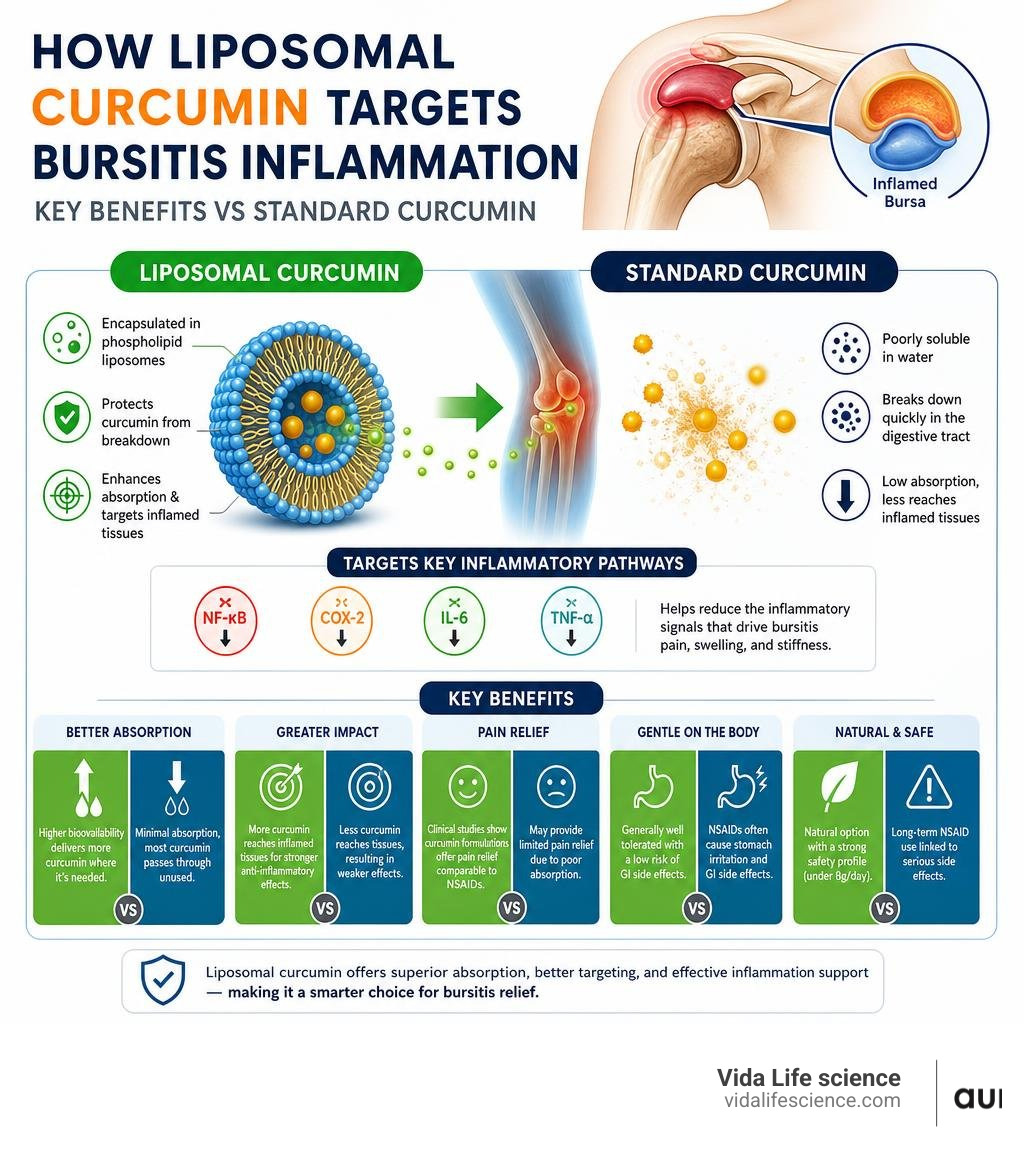
Yes, it shows real promise. Curcumin is a natural anti-inflammatory compound that targets the same inflammatory pathways (NF-κB, COX-2, IL-6, TNF-α) that drive bursitis pain and swelling.
-
Liposomal delivery matters. Standard curcumin is poorly absorbed by the body. Liposomal encapsulation wraps curcumin in a phospholipid shell, significantly improving absorption and delivery to inflamed tissues.
-
Research supports it. In vitro studies show liposomal curcumin reduces key inflammatory markers — including IL-6 by up to 80% — in the exact cell types involved in joint inflammation.
-
It compares well to NSAIDs. Clinical studies show curcumin formulations offer pain relief comparable to ibuprofen and diclofenac, with far fewer gastrointestinal side effects.
-
It is generally safe. Curcumin is considered safe at under 8 grams per day, though you should consult your doctor if you take blood thinners or other medications.
Bursitis is a painful condition caused by inflammation of the small fluid-filled sacs (bursae) that cushion your joints. It can make everyday movements — reaching overhead, climbing stairs, or even sitting — feel sharp and exhausting.
If you've tried rest, ice, and over-the-counter pain relievers and still aren't getting lasting relief, you're not alone. Many people with chronic bursitis are frustrated by the side effects of long-term NSAID use and are actively looking for something that works without the trade-offs.
That's exactly where liposomal curcumin enters the picture.
Curcumin — the active compound in turmeric — has been studied for its powerful anti-inflammatory effects for decades. The problem? Your body barely absorbs it in standard supplement form. Liposomal technology changes that equation by encasing curcumin in a lipid shell that mirrors your own cell membranes, dramatically improving how much actually reaches your tissues.
This guide breaks down the science, the evidence, the right dosages, and how to use liposomal curcumin as part of a practical bursitis management plan.
At Vida Life Science, we specialize in advanced liposomal supplement technology as the exclusive US distributor of Aurora Nutrascience — a Canadian manufacturer focused on phosphatidylcholine-based liposomal delivery systems designed to maximize bioavailability. Our deep expertise in liposomal nutrient delivery makes us uniquely positioned to guide you through the science of liposomal curcumin and bursitis treatment, and to help you find a formulation that actually works. Read on to learn everything you need to make an informed decision.
Understanding Bursitis and the Inflammatory Cascade
To understand how liposomal curcumin and bursitis treatment works, we first have to look at what is happening inside an inflamed joint.
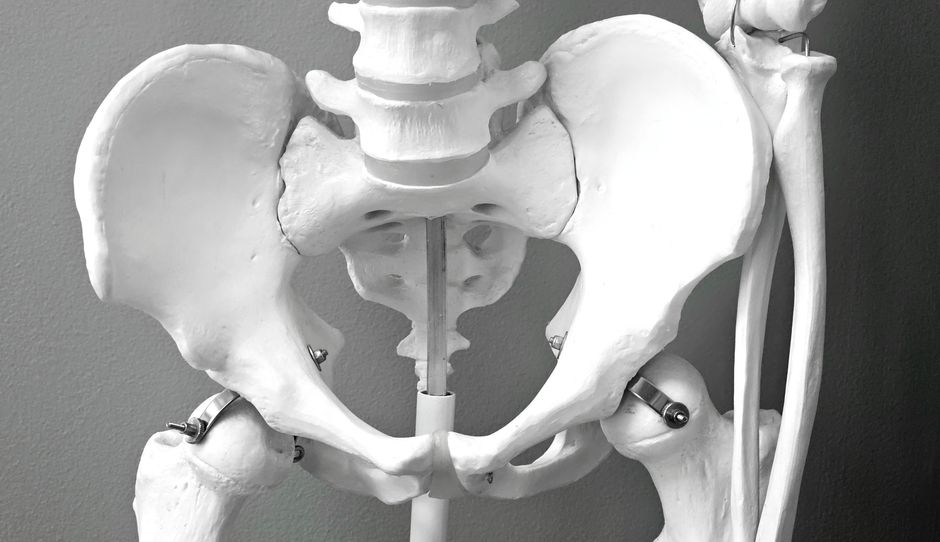
Your body contains more than 150 bursae. A bursa is a tiny, slippery bursa sac filled with a minimal amount of synovial fluid. These sacs act as cushions or friction-reducing glides between your bones, tendons, muscles, and skin. Think of them as the tiny, fluid-filled bubble-wrap layers protecting your high-traffic joints—like your shoulders, elbows, hips, and knees.
When a joint is subjected to repetitive strain (such as throwing a baseball, painting a ceiling, or kneeling on hard floors for hours) or physical trauma (like a sudden fall), the bursa sac experiences excessive joint friction. In response to this mechanical stress, the cells lining the bursa become irritated and sound the alarm.
This "alarm" initiates a complex biochemical process known as the inflammatory cascade. Once triggered, immune cells flood the area and release pro-inflammatory proteins called cytokines. Chief among these troublemakers are:
-
Tumor Necrosis Factor-alpha (TNF-α): A major signaling protein that amplifies the inflammatory response.
-
Interleukin-6 (IL-6): A cytokine that promotes systemic inflammation and sensitizes local pain receptors.
-
Nuclear Factor-kappa B (NF-κB): The "master switch" protein that instructs cells to produce more inflammatory molecules.
As these cytokines accumulate, blood vessels dilate, fluid pools in the bursa sac, and the surrounding nerves become highly sensitized. The result? The familiar, agonizing heat, swelling, and sharp pain of bursitis. Many individuals have discovered that targeting this chemical cascade naturally can yield incredible results; for instance, real-world accounts highlighted by Bursitis: Turmeric Banished Hip Inflammation show how individuals have successfully managed severe hip inflammation using the active compounds found in turmeric.
What Is Liposomal Curcumin and How Does It Work?
If turmeric is the raw material, curcumin is the absolute powerhouse within it. Curcumin is the primary active polyphenol extracted from the root of the Curcuma longa (turmeric) plant. It is what gives turmeric its vibrant yellow-orange hue and its celebrated anti-inflammatory, antioxidant, and antimicrobial properties.
However, standard curcumin has a massive Achilles' heel: its chemical structure makes it incredibly difficult for your body to use. Curcumin is highly hydrophobic, meaning it does not dissolve well in water (its solubility is a measly 0.0004 mg/ml at physiological pH). When you swallow a standard curcumin capsule, almost all of it passes straight through your digestive tract unabsorbed, or is rapidly metabolized and cleared by your liver before it can ever reach your aching shoulder or hip.
This is where liposomal encapsulation changes the game entirely.
A liposome is an artificially prepared microscopic vesicle consisting of a lipid bilayer—essentially a double layer of phospholipids. These phospholipids are identical to the building blocks that make up your own cellular membranes.
Through advanced nano-encapsulation, we wrap the hydrophobic curcumin molecules securely inside this protective phospholipid bilayer. This structure does two crucial things:
-
Protects the Payload: It shields the fragile curcumin molecules from being destroyed by harsh stomach acids and digestive enzymes.
-
Facilitates Cellular Uptake: Because the outer lipid bilayer of the liposome looks exactly like a cell membrane, your intestinal cells welcome it warmly. Instead of rejecting the curcumin, your body absorbs the entire liposome intact via phospholipid delivery pathways, allowing the active curcumin to enter your bloodstream and reach inflamed tissues.
To understand the deeper molecular science behind how we construct these advanced delivery systems, you can read More info about liposomal technology.
Overcoming Bioavailability Barriers with Liposomal Curcumin and Bursitis Treatment
When evaluating any supplement for an active inflammatory condition like bursitis, the term "bioavailability" is everything. Bioavailability refers to the rate and extent to which an active ingredient is absorbed into your systemic circulation to have an active effect.
Under normal circumstances, standard curcumin has incredibly low bioavailability due to three primary barriers:
-
Poor Water Solubility: It clumps together in the watery environment of your gut.
-
Rapid Metabolic Clearance: The liver and intestines quickly tag curcumin through processes called glucuronidation and sulfation, rendering it inactive.
-
First-Pass Elimination: The liver filters out and excretes the small amount that does manage to get absorbed.
Historically, supplement manufacturers tried to solve this by combining curcumin with piperine (an extract from black pepper). While it is true that piperine increases curcumin bioavailability by up to 2000% (a 20-fold increase) by temporarily disabling the liver enzymes responsible for metabolic clearance, it can sometimes irritate the stomach lining and interfere with other medications processed by those same liver enzymes.
Liposomal curcumin takes a far more elegant approach. By bypassing standard digestive pathways, the liposomes deliver the active curcumin directly to the lymphatic system and bloodstream without relying on liver enzyme suppression.
The biological superiority of this delivery method was highlighted in a landmark study published in In Vivo, titled In Vitro Study of a Liposomal Curcumin Formulation (Lipocurc™): Toxicity and Biological Activity in Synovial Fibroblasts and Macrophages. Researchers found that liposomal curcumin was significantly less toxic to joint-related cells (synovial fibroblasts and macrophages) than free curcumin in a solvent, while maintaining highly potent biological activity. The study demonstrated that macrophages—the immune cells that drive joint inflammation—readily engulfed the liposomes over a 72-hour period, allowing the curcumin to work directly inside the cells to stop inflammation where it starts.
Scientific Evidence: Liposomal Curcumin and Bursitis Treatment
The scientific literature supporting liposomal curcumin and bursitis treatment has grown substantially over the last several years. Researchers have utilized in vitro (cell), animal, and human studies to evaluate how these nanoformulations perform compared to traditional extracts.
A key comparative study published in Biomedicine & Pharmacotherapy, titled Therapeutic effects of curcumin liposomes and nanocrystals on inflammatory osteolysis: In vitro and in vivo comparative study, looked closely at liposomal curcumin versus nanocrystals. The researchers engineered liposomes with an exceptional 97.1% encapsulation efficiency and a tiny particle size of 132.9 nm.
The results were remarkable:
- Both formulations successfully stopped the pro-inflammatory "polarization" of macrophages (preventing them from releasing destructive cytokines).
- The liposomal formulation demonstrated significantly more potent anti-inflammatory effects in vivo.
- Because liposomes are made of phospholipids, they naturally possess excellent lubricant properties, making them highly compatible with joint environments.

Furthermore, laboratory data demonstrates that at a concentration of just 5 μM, liposomal curcumin can reduce IL-6 levels by approximately 80% and TNF-α levels by about 20% in activated immune cells. By dampening these specific signaling molecules, the inflammatory cascade in the bursa sac is effectively quieted, helping to "turn down the volume" on your joint pain.
Targeting Joint Swelling and Stiffness with Liposomal Curcumin and Bursitis Treatment
If you suffer from bursitis, you know that the pain is only half the battle. The fluid accumulation in the bursa sac leads to severe joint swelling, which physically limits your range of motion. This is often accompanied by intense morning stiffness, where the joint feels locked and unyielding until you slowly warm it up.
Because the bursa sits directly adjacent to the joint space, the inflammatory cytokines in the bursa can spill over into the surrounding synovial fluid, irritating the entire joint structure.
While direct human clinical trials specifically isolated to bursitis are limited, we can look at high-quality clinical trials on closely related joint diseases, such as knee osteoarthritis, to see how optimized lipid-curcumin formulations perform in the real world.
In a pilot clinical study published in the Journal of Dietary Supplements, titled Evaluation of the efficacy and safety of Capsule Longvida Optimized Curcumin (solid lipid curcumin particles) in knee osteoarthritis: a pilot clinical study, researchers evaluated the effects of Solid Lipid Curcumin Particles (SLCP)—a technology similar to liposomal delivery that uses a lipid matrix to enhance absorption.
The study followed patients who took either 160 mg of optimized lipid curcumin daily or 400 mg of ibuprofen daily for 90 days:
-
Significant Pain Reduction: Patients in the lipid-curcumin group showed significant improvements in Visual Analog Scale (VAS) pain scores starting at day 45.
-
Improved Mobility and Stiffness: Western Ontario and McMaster Universities Osteoarthritis Index (WOMAC) scores, which measure joint pain, stiffness, and physical function, improved significantly by day 60 in both groups.
-
Comparable Efficacy: The lipid-curcumin group achieved therapeutic outcomes comparable to the ibuprofen group, proving that optimized lipid-delivery curcumin is highly effective at restoring range of motion and reducing joint stiffness without the need for synthetic drugs.
Liposomal Curcumin vs. NSAIDs: A Safer Alternative for Chronic Pain?
The standard medical approach for treating bursitis usually begins with a prescription for Non-Steroidal Anti-Inflammatory Drugs (NSAIDs) like ibuprofen, naproxen, or diclofenac. While these medications are undoubtedly effective at blocking the COX-2 enzyme to reduce pain and swelling quickly, they are not designed for long-term use.
Chronic NSAID therapy carries a heavy burden of potential side effects:
-
Gastrointestinal Damage: NSAIDs block the COX-1 enzyme, which protects the stomach lining. This can lead to gastritis, acid reflux, painful ulcers, and even life-threatening gastrointestinal bleeding.
-
Cardiovascular Risks: Long-term NSAID use is associated with an increased risk of heart attacks, strokes, and elevated blood pressure.
-
Renal Strain: NSAIDs reduce blood flow to the kidneys, which can lead to kidney damage or fluid retention over time.
In contrast, liposomal curcumin offers a highly targeted, multi-pathway anti-inflammatory action without suppressing the protective mechanisms of your stomach or kidneys.
In a study highlighted by Harvard Health, researchers compared curcumin directly to diclofenac (a potent NSAID) in 139 adults with joint pain over a one-month period:
-
94% of participants taking curcumin reported at least a 50% improvement in their symptoms, compared to 97% in the diclofenac group—an incredibly similar efficacy rate.
-
The major difference? While 28% of the diclofenac users required additional medical treatment to protect their stomachs from drug-induced side effects, 0% of the curcumin users required stomach treatment.
To help you weigh your options, here is a direct comparison of how liposomal curcumin stacks up against standard over-the-counter NSAIDs:
| Feature / Metric |
Liposomal Curcumin |
Standard NSAIDs (e.g., Ibuprofen) |
| Primary Mechanism |
Broad-spectrum inhibition of NF-κB, COX-2, IL-6, and TNF-α |
Selective or non-selective inhibition of COX-1 and COX-2 enzymes |
| Absorption Rate |
Extremely High (bypasses liver first-pass metabolism via liposomes) |
High, but requires high systemic doses to achieve joint therapeutic levels |
| Gastrointestinal Safety |
Excellent; does not damage stomach lining or cause ulcers |
Poor; high risk of stomach upset, acid reflux, and mucosal ulcers |
| Kidney & Liver Safety |
Safe for long-term use at recommended doses |
Can cause renal strain and fluid retention with prolonged use |
| Additional Benefits |
Supports healthy lipid profiles (lowers LDL, raises HDL), antioxidant defense |
None (purely symptomatic relief) |
| Time to Onset |
Gradual (builds up in tissues over 2 to 4 weeks) |
Fast (usually provides pain relief within 30 to 60 minutes) |
Practical Guide: Dosage, Safety, and Integration
If you want to integrate liposomal curcumin and bursitis treatment into your daily wellness routine, it is important to do so safely and systematically.
1. Dosage Recommendations
Because liposomal curcumin has vastly superior absorption compared to standard turmeric powder, you do not need to swallow massive, multi-gram doses to get results.
-
Starting Dose: Begin with 500 mg of liposomal curcumin daily, taken in the morning with a light meal.
-
Therapeutic Dose: For active, painful bursitis flare-ups, you can gradually increase this to 1,000 mg to 1,500 mg per day, split into two doses (morning and evening).
-
Maintenance Dose: Once your joint swelling and pain subside, a daily maintenance dose of 250 mg to 500 mg can help keep chronic inflammation at bay.
2. Duration of Use
Unlike NSAIDs, which should be stopped after a few days, curcumin works best when it is allowed to build up in your body's tissues. Clinical trials show that while initial pain relief can occur within the first two weeks, the most significant improvements in joint mobility, morning stiffness, and swelling typically manifest between 45 and 90 days of consistent daily use.
3. Safety and Contraindications
Curcumin is exceptionally well-tolerated and is considered generally safe when oral intake is kept under 8 grams per day. However, because it is a highly bioactive compound, there are several key safety precautions to keep in mind:
-
Blood Thinners: Curcumin has mild natural antiplatelet (blood-thinning) properties. If you are taking prescription anticoagulants like warfarin, clopidogrel, or daily aspirin, consult your doctor before starting curcumin to avoid increasing your risk of bleeding.
-
Surgery Preparation: Because of its mild blood-thinning effects, you should discontinue all curcumin supplements at least two weeks prior to any scheduled surgical or dental procedures.
-
Gallbladder Issues: Curcumin stimulates gallbladder contractions. If you have active gallstones or a bile duct obstruction, avoid therapeutic doses of curcumin, as it may cause pain or complications.
-
Iron Absorption: Curcumin can bind to iron in the digestive tract, potentially interfering with iron absorption. If you suffer from iron-deficiency anemia, monitor your iron levels and consider taking your curcumin supplement several hours apart from your iron supplements or iron-rich meals.
Frequently Asked Questions about Liposomal Curcumin and Bursitis
How long does it take for liposomal curcumin to work for bursitis?
Because of the rapid absorption speed of liposomal delivery, some users report a noticeable decrease in joint heat and throbbing pain within the first 3 to 7 days. However, for chronic bursitis symptoms, joint swelling, and deep tissue inflammation, it typically takes 4 to 6 weeks of daily, consistent use to fully modulate the inflammatory cascade and restore optimal joint range of motion.
Can I take liposomal curcumin with my current blood thinners?
We strongly advise against starting any curcumin regimen without consulting your primary healthcare provider if you are currently taking prescription blood thinners (such as warfarin, Eliquis, or Plavix). Curcumin can synergize with these medications, potentially increasing your bleeding risk. Your doctor can help monitor your clotting times (INR) and adjust your dosages safely.
Is liposomal curcumin more effective than standard turmeric powder?
Yes, by a very wide margin. Raw turmeric powder only contains about 2% to 5% curcuminoids by weight, meaning a teaspoon of turmeric only gives you a tiny fraction of active curcumin. Furthermore, standard curcumin extracts suffer from extremely poor absorption and rapid elimination. Liposomal curcumin protects the active compound from digestive breakdown and allows it to penetrate cellular walls directly, providing vastly superior therapeutic benefits at a much lower, stomach-friendly dose.
Conclusion
Bursitis doesn't have to dictate your daily life or force you into a cycle of chronic NSAID use. By understanding the inflammatory cascade and utilizing advanced nutrient delivery science, you can target joint pain and swelling at its biological source.
At Vida Life Science, we are proud to offer the Aurora Nutrascience line of liposomal supplements. By utilizing organic, non-GMO phosphatidylcholine liposomes, these formulations ensure that the active curcumin is fully protected through digestion and delivered directly to the cells that need it most.
If you are ready to experience the difference that true, high-bioavailability liposomal technology can make for your joint health, we invite you to Shop Vida Life Science Clinical Capsule Line and take your first step toward a more comfortable, active lifestyle.


Banish the Burn: A Guide to Liposomal Curcumin for Bursitis
Why Liposomal Curcumin and Bursitis Treatment Are Being Talked About More Than Ever
Liposomal curcumin and bursitis treatment is a combination that more people are turning to as they look for natural, gentler options for managing joint pain and inflammation.
Quick answer: Can liposomal curcumin help with bursitis?
Bursitis is a painful condition caused by inflammation of the small fluid-filled sacs (bursae) that cushion your joints. It can make everyday movements — reaching overhead, climbing stairs, or even sitting — feel sharp and exhausting.
If you've tried rest, ice, and over-the-counter pain relievers and still aren't getting lasting relief, you're not alone. Many people with chronic bursitis are frustrated by the side effects of long-term NSAID use and are actively looking for something that works without the trade-offs.
That's exactly where liposomal curcumin enters the picture.
Curcumin — the active compound in turmeric — has been studied for its powerful anti-inflammatory effects for decades. The problem? Your body barely absorbs it in standard supplement form. Liposomal technology changes that equation by encasing curcumin in a lipid shell that mirrors your own cell membranes, dramatically improving how much actually reaches your tissues.
This guide breaks down the science, the evidence, the right dosages, and how to use liposomal curcumin as part of a practical bursitis management plan.
At Vida Life Science, we specialize in advanced liposomal supplement technology as the exclusive US distributor of Aurora Nutrascience — a Canadian manufacturer focused on phosphatidylcholine-based liposomal delivery systems designed to maximize bioavailability. Our deep expertise in liposomal nutrient delivery makes us uniquely positioned to guide you through the science of liposomal curcumin and bursitis treatment, and to help you find a formulation that actually works. Read on to learn everything you need to make an informed decision.
Understanding Bursitis and the Inflammatory Cascade
To understand how liposomal curcumin and bursitis treatment works, we first have to look at what is happening inside an inflamed joint.
Your body contains more than 150 bursae. A bursa is a tiny, slippery bursa sac filled with a minimal amount of synovial fluid. These sacs act as cushions or friction-reducing glides between your bones, tendons, muscles, and skin. Think of them as the tiny, fluid-filled bubble-wrap layers protecting your high-traffic joints—like your shoulders, elbows, hips, and knees.
When a joint is subjected to repetitive strain (such as throwing a baseball, painting a ceiling, or kneeling on hard floors for hours) or physical trauma (like a sudden fall), the bursa sac experiences excessive joint friction. In response to this mechanical stress, the cells lining the bursa become irritated and sound the alarm.
This "alarm" initiates a complex biochemical process known as the inflammatory cascade. Once triggered, immune cells flood the area and release pro-inflammatory proteins called cytokines. Chief among these troublemakers are:
As these cytokines accumulate, blood vessels dilate, fluid pools in the bursa sac, and the surrounding nerves become highly sensitized. The result? The familiar, agonizing heat, swelling, and sharp pain of bursitis. Many individuals have discovered that targeting this chemical cascade naturally can yield incredible results; for instance, real-world accounts highlighted by Bursitis: Turmeric Banished Hip Inflammation show how individuals have successfully managed severe hip inflammation using the active compounds found in turmeric.
What Is Liposomal Curcumin and How Does It Work?
If turmeric is the raw material, curcumin is the absolute powerhouse within it. Curcumin is the primary active polyphenol extracted from the root of the Curcuma longa (turmeric) plant. It is what gives turmeric its vibrant yellow-orange hue and its celebrated anti-inflammatory, antioxidant, and antimicrobial properties.
However, standard curcumin has a massive Achilles' heel: its chemical structure makes it incredibly difficult for your body to use. Curcumin is highly hydrophobic, meaning it does not dissolve well in water (its solubility is a measly 0.0004 mg/ml at physiological pH). When you swallow a standard curcumin capsule, almost all of it passes straight through your digestive tract unabsorbed, or is rapidly metabolized and cleared by your liver before it can ever reach your aching shoulder or hip.
This is where liposomal encapsulation changes the game entirely.
A liposome is an artificially prepared microscopic vesicle consisting of a lipid bilayer—essentially a double layer of phospholipids. These phospholipids are identical to the building blocks that make up your own cellular membranes.
Through advanced nano-encapsulation, we wrap the hydrophobic curcumin molecules securely inside this protective phospholipid bilayer. This structure does two crucial things:
To understand the deeper molecular science behind how we construct these advanced delivery systems, you can read More info about liposomal technology.
Overcoming Bioavailability Barriers with Liposomal Curcumin and Bursitis Treatment
When evaluating any supplement for an active inflammatory condition like bursitis, the term "bioavailability" is everything. Bioavailability refers to the rate and extent to which an active ingredient is absorbed into your systemic circulation to have an active effect.
Under normal circumstances, standard curcumin has incredibly low bioavailability due to three primary barriers:
Historically, supplement manufacturers tried to solve this by combining curcumin with piperine (an extract from black pepper). While it is true that piperine increases curcumin bioavailability by up to 2000% (a 20-fold increase) by temporarily disabling the liver enzymes responsible for metabolic clearance, it can sometimes irritate the stomach lining and interfere with other medications processed by those same liver enzymes.
Liposomal curcumin takes a far more elegant approach. By bypassing standard digestive pathways, the liposomes deliver the active curcumin directly to the lymphatic system and bloodstream without relying on liver enzyme suppression.
The biological superiority of this delivery method was highlighted in a landmark study published in In Vivo, titled In Vitro Study of a Liposomal Curcumin Formulation (Lipocurc™): Toxicity and Biological Activity in Synovial Fibroblasts and Macrophages. Researchers found that liposomal curcumin was significantly less toxic to joint-related cells (synovial fibroblasts and macrophages) than free curcumin in a solvent, while maintaining highly potent biological activity. The study demonstrated that macrophages—the immune cells that drive joint inflammation—readily engulfed the liposomes over a 72-hour period, allowing the curcumin to work directly inside the cells to stop inflammation where it starts.
Scientific Evidence: Liposomal Curcumin and Bursitis Treatment
The scientific literature supporting liposomal curcumin and bursitis treatment has grown substantially over the last several years. Researchers have utilized in vitro (cell), animal, and human studies to evaluate how these nanoformulations perform compared to traditional extracts.
A key comparative study published in Biomedicine & Pharmacotherapy, titled Therapeutic effects of curcumin liposomes and nanocrystals on inflammatory osteolysis: In vitro and in vivo comparative study, looked closely at liposomal curcumin versus nanocrystals. The researchers engineered liposomes with an exceptional 97.1% encapsulation efficiency and a tiny particle size of 132.9 nm.
The results were remarkable:
Furthermore, laboratory data demonstrates that at a concentration of just 5 μM, liposomal curcumin can reduce IL-6 levels by approximately 80% and TNF-α levels by about 20% in activated immune cells. By dampening these specific signaling molecules, the inflammatory cascade in the bursa sac is effectively quieted, helping to "turn down the volume" on your joint pain.
Targeting Joint Swelling and Stiffness with Liposomal Curcumin and Bursitis Treatment
If you suffer from bursitis, you know that the pain is only half the battle. The fluid accumulation in the bursa sac leads to severe joint swelling, which physically limits your range of motion. This is often accompanied by intense morning stiffness, where the joint feels locked and unyielding until you slowly warm it up.
Because the bursa sits directly adjacent to the joint space, the inflammatory cytokines in the bursa can spill over into the surrounding synovial fluid, irritating the entire joint structure.
While direct human clinical trials specifically isolated to bursitis are limited, we can look at high-quality clinical trials on closely related joint diseases, such as knee osteoarthritis, to see how optimized lipid-curcumin formulations perform in the real world.
In a pilot clinical study published in the Journal of Dietary Supplements, titled Evaluation of the efficacy and safety of Capsule Longvida Optimized Curcumin (solid lipid curcumin particles) in knee osteoarthritis: a pilot clinical study, researchers evaluated the effects of Solid Lipid Curcumin Particles (SLCP)—a technology similar to liposomal delivery that uses a lipid matrix to enhance absorption.
The study followed patients who took either 160 mg of optimized lipid curcumin daily or 400 mg of ibuprofen daily for 90 days:
Liposomal Curcumin vs. NSAIDs: A Safer Alternative for Chronic Pain?
The standard medical approach for treating bursitis usually begins with a prescription for Non-Steroidal Anti-Inflammatory Drugs (NSAIDs) like ibuprofen, naproxen, or diclofenac. While these medications are undoubtedly effective at blocking the COX-2 enzyme to reduce pain and swelling quickly, they are not designed for long-term use.
Chronic NSAID therapy carries a heavy burden of potential side effects:
In contrast, liposomal curcumin offers a highly targeted, multi-pathway anti-inflammatory action without suppressing the protective mechanisms of your stomach or kidneys.
In a study highlighted by Harvard Health, researchers compared curcumin directly to diclofenac (a potent NSAID) in 139 adults with joint pain over a one-month period:
To help you weigh your options, here is a direct comparison of how liposomal curcumin stacks up against standard over-the-counter NSAIDs:
Practical Guide: Dosage, Safety, and Integration
If you want to integrate liposomal curcumin and bursitis treatment into your daily wellness routine, it is important to do so safely and systematically.
1. Dosage Recommendations
Because liposomal curcumin has vastly superior absorption compared to standard turmeric powder, you do not need to swallow massive, multi-gram doses to get results.
2. Duration of Use
Unlike NSAIDs, which should be stopped after a few days, curcumin works best when it is allowed to build up in your body's tissues. Clinical trials show that while initial pain relief can occur within the first two weeks, the most significant improvements in joint mobility, morning stiffness, and swelling typically manifest between 45 and 90 days of consistent daily use.
3. Safety and Contraindications
Curcumin is exceptionally well-tolerated and is considered generally safe when oral intake is kept under 8 grams per day. However, because it is a highly bioactive compound, there are several key safety precautions to keep in mind:
Frequently Asked Questions about Liposomal Curcumin and Bursitis
How long does it take for liposomal curcumin to work for bursitis?
Because of the rapid absorption speed of liposomal delivery, some users report a noticeable decrease in joint heat and throbbing pain within the first 3 to 7 days. However, for chronic bursitis symptoms, joint swelling, and deep tissue inflammation, it typically takes 4 to 6 weeks of daily, consistent use to fully modulate the inflammatory cascade and restore optimal joint range of motion.
Can I take liposomal curcumin with my current blood thinners?
We strongly advise against starting any curcumin regimen without consulting your primary healthcare provider if you are currently taking prescription blood thinners (such as warfarin, Eliquis, or Plavix). Curcumin can synergize with these medications, potentially increasing your bleeding risk. Your doctor can help monitor your clotting times (INR) and adjust your dosages safely.
Is liposomal curcumin more effective than standard turmeric powder?
Yes, by a very wide margin. Raw turmeric powder only contains about 2% to 5% curcuminoids by weight, meaning a teaspoon of turmeric only gives you a tiny fraction of active curcumin. Furthermore, standard curcumin extracts suffer from extremely poor absorption and rapid elimination. Liposomal curcumin protects the active compound from digestive breakdown and allows it to penetrate cellular walls directly, providing vastly superior therapeutic benefits at a much lower, stomach-friendly dose.
Conclusion
Bursitis doesn't have to dictate your daily life or force you into a cycle of chronic NSAID use. By understanding the inflammatory cascade and utilizing advanced nutrient delivery science, you can target joint pain and swelling at its biological source.
At Vida Life Science, we are proud to offer the Aurora Nutrascience line of liposomal supplements. By utilizing organic, non-GMO phosphatidylcholine liposomes, these formulations ensure that the active curcumin is fully protected through digestion and delivered directly to the cells that need it most.
If you are ready to experience the difference that true, high-bioavailability liposomal technology can make for your joint health, we invite you to Shop Vida Life Science Clinical Capsule Line and take your first step toward a more comfortable, active lifestyle.