Understanding Biotin: Role and Biological Mechanisms
The primary advantages of biotin tablets are their ability to deliver highly bioavailable free biotin that supports energy metabolism, improves brittle nails, assists glucose regulation, and helps prevent subclinical deficiency. Biotin, also designated as vitamin B7 or historically as vitamin H (derived from the German words Haar und Haut, meaning "hair and skin"), is an essential, water-soluble micronutrient. Because our bodies cannot synthesize it endogenously or store it in large quantities, daily intake through food or supplementation is required to sustain basic biological functions.
At the cellular level, biotin functions as an indispensable coenzyme for five distinct carboxylases:
-
Pyruvate carboxylase: Initiates gluconeogenesis to generate glucose from non-carbohydrate substrates.
-
Acetyl-CoA carboxylase (ACC1 and ACC2): Regulates fatty acid synthesis and mitochondrial lipid oxidation.
-
Propionyl-CoA carboxylase: Facilitates the metabolism of odd-chain fatty acids and specific amino acids.
-
3-Methylcrotonyl-CoA carboxylase: Enables the essential catabolism of leucine, a branched-chain amino acid.
Beyond basic enzymatic reactions, research documented in the physiological role of biotin (NBK554493) reveals that biotin plays a central role in gene regulation and cellular signaling by binding to histones—the structural proteins around which DNA winds. When choosing a foundational biotin vitamin, understanding these biochemical pathways helps clarify why this nutrient is far more than a simple cosmetic additive.
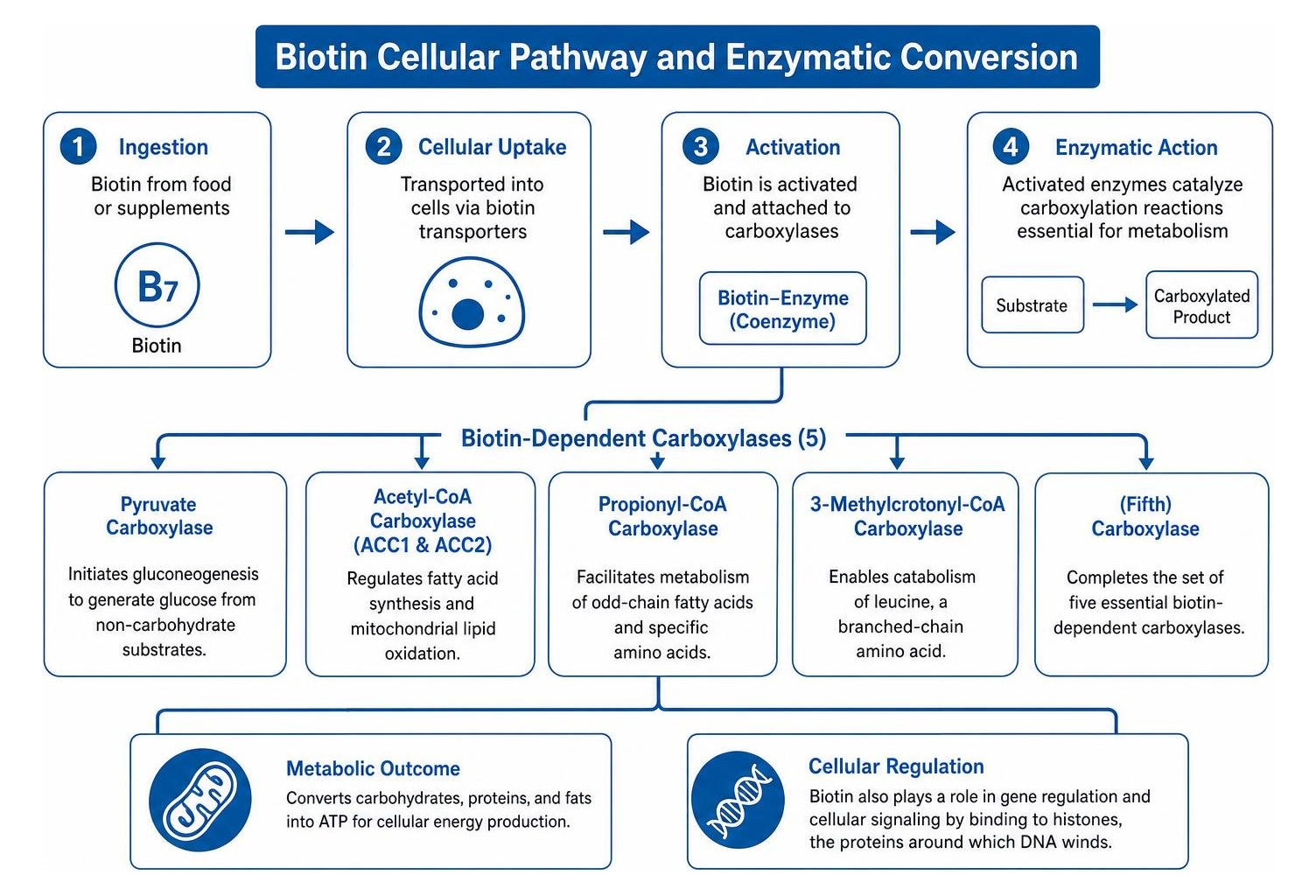
The primary internal benefit of maintaining sufficient biotin levels is seamless mitochondrial energy production. When biotin activates carboxylase enzymes, it allows your cells to convert carbohydrates, proteins, and dietary fats into adenosine triphosphate (ATP), the primary energy currency of the human body.
Without adequate biotin:
- Pyruvate cannot efficiently enter the gluconeogenic or citric acid cycles.
- Fatty acid synthesis slows down, affecting cellular membrane integrity.
- Intermediary amino acid byproducts accumulate, leading to metabolic inefficiency, lethargy, and muscle weakness.
By providing a concentrated, bioavailable source of d-biotin (the biologically active isomer), oral tablets ensure that cellular carboxylases remain fully saturated, supporting consistent energy production throughout tissue networks.
Dietary Sources vs Oral Tablet Supplementation
Under normal circumstances, a varied, balanced diet provides sufficient biotin for daily physiological needs. Dietary biotin is typically bound to proteins and must be enzymatically cleaved by biotinidase in the small intestine before absorption can occur.
| Source |
Biotin Content (approx.) |
Bioavailability Notes |
| Beef Liver (3 oz, cooked) |
30.8 mcg (100% DV) |
Highly concentrated; bound to proteins |
| Whole Egg (1 cooked) |
10.0 mcg (33% DV) |
High; must be cooked to neutralize avidin |
| Salmon (3 oz, cooked) |
5.0 mcg (17% DV) |
Excellent source accompanied by healthy fats |
| Pork Chop (3 oz, cooked) |
3.8 mcg (13% DV) |
Standard dietary protein source |
| Sunflower Seeds (¼ cup) |
2.6 mcg (9% DV) |
Plant-based bound form |
| Sweet Potato (½ cup, cooked) |
2.4 mcg (8% DV) |
Moderate source; minimally affected by light cooking |
| Oral Biotin Tablets |
30 mcg to 10,000 mcg |
Unbound, pre-cleaved free d-biotin; rapid intestinal uptake |
A critical dietary factor is the consumption of raw egg whites. Raw egg whites contain avidin, a glycoprotein that binds to biotin with remarkable affinity, preventing its absorption in the gastrointestinal tract. Cooking denatures avidin, rendering the biotin available.
Unlike dietary sources that require enzymatic liberation from whole-food matrix proteins, supplemental tablets provide free biotin. This form is immediately available for uptake across the intestinal brush-border membrane via sodium-dependent multivitamin transporters (SMVT).
Primary Health Advantages of Biotin Tablets
The therapeutic value of biotin supplementation depends on an individual's baseline nutritional and metabolic status. For those exploring a comprehensive guide to biotin benefits, clinical evidence emphasizes that oral tablets provide systemic metabolic stability rather than functioning as an overnight cosmetic cure. As detailed in the clinical overview of biotin benefits, targeted supplementation offers distinct advantages across several physiological systems.
Clinical Advantages of Biotin Tablets for Brittle Nails and Hair
The most popular commercial application of biotin tablets relates to hair and nail strength. Biotin acts as a cofactor in the synthesis of basic proteins, including keratin, which forms the structural foundation of hair shafts and nail plates.
Clinical investigations into brittle nail syndrome demonstrate tangible therapeutic value:
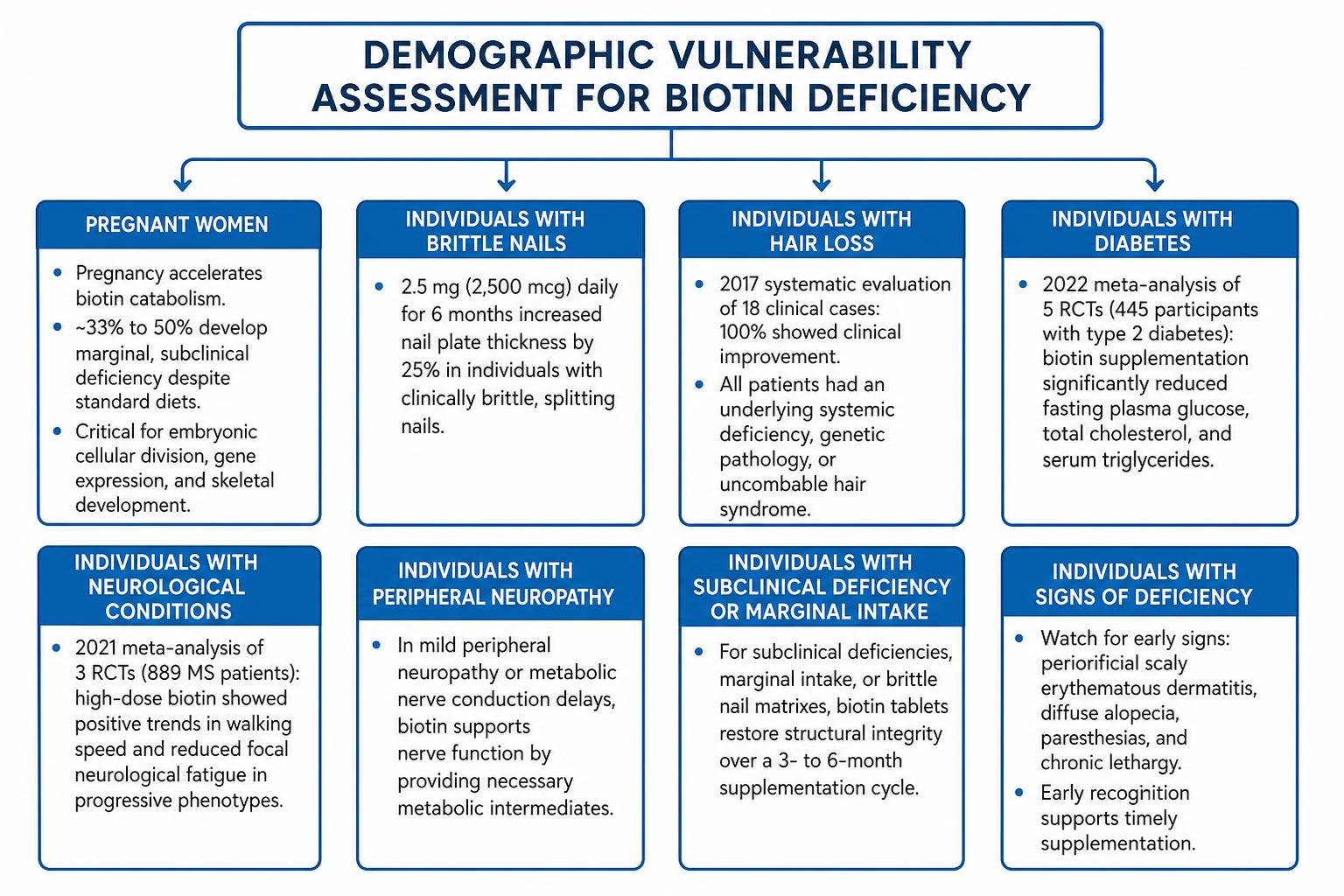
- A landmark 1990 clinical study revealed that administering 2.5 mg (2,500 mcg) of biotin daily for six months increased nail plate thickness by 25% in individuals presenting with clinically brittle, splitting nails.
- Regarding hair loss, a 2017 systematic evaluation of hair loss treatments (Patel et al., 2017) reviewed 18 clinical cases of biotin administration for alopecia. While 100% of cases demonstrated clinical improvement, every single patient evaluated had an underlying systemic deficiency, genetic pathology (such as biotinidase deficiency), or uncombable hair syndrome.
For healthy individuals with normal dietary levels, multi-milligram doses do not reliably accelerate hair growth rates. However, for those with subclinical deficiencies, marginal intake, or brittle nail matrixes, oral tablets restore structural integrity over a 3- to 6-month supplementation cycle.
Biotin plays a key role in glucose homeostasis. It stimulates the activity of glucokinase—an enzyme responsible for the first step of glucose utilization in the liver—while suppressing key gluconeogenic enzymes in states of glycemic excess.
- A comprehensive 2022 meta-analysis of 5 randomized controlled trials involving 445 participants with type 2 diabetes demonstrated that daily biotin supplementation yielded statistically significant reductions in fasting plasma glucose, total cholesterol, and serum triglycerides.
- Animal models have similarly shown that biotin administration helps protect renal and vascular tissue against the oxidative stresses associated with chronic hyperglycemia.
While biotin tablets are not a replacement for standard endocrine therapies, they serve as a supportive nutritional adjunct for managing metabolic parameters under professional medical supervision.
Nervous System Function and Neurological Support
The nervous system relies heavily on fatty acid synthesis to produce and maintain myelin—the protective sheath insulating peripheral and central nerve fibers. Because acetyl-CoA carboxylase requires biotin to catalyze the rate-limiting step of fatty acid production, adequate vitamin B7 levels are essential for healthy nerve conduction.
In severe neurodegenerative models:
- A 2021 meta-analysis evaluating 3 randomized controlled trials with 889 multiple sclerosis (MS) patients examined high-dose pharmaceutical biotin (up to 300 mg daily). While it showed insufficient evidence for reversing overall long-term disability, it demonstrated potential positive trends in preserving walking speed and reducing focal neurological fatigue in progressive phenotypes.
- In cases of mild peripheral neuropathy or metabolic nerve conduction delays, standard therapeutic supplementation ensures that energy-depleted neurons receive necessary metabolic intermediates.
Who Benefits Most from Biotin Tablet Supplementation?
Because standard Western diets generally supply the baseline intake of 30 to 70 mcg daily, widespread deficiency is uncommon. However, several distinct populations exhibit increased risk factors and benefit significantly from targeted supplementation. Recognizing early vitamin deficiency signs—such as periorificial scaly erythematous dermatitis, diffuse alopecia, paresthesias, and chronic lethargy—is critical.
Reviewing medical perspectives on supplement necessity helps distinguish between routine dietary intake and scenarios requiring therapeutic intervention.
Prenatal Needs and Marginal Deficiency
Pregnancy accelerates the metabolic turnover and catabolism of biotin, often outpacing dietary intake:
- Clinical data indicates that approximately one-third (33%) to 50% of pregnant women in the United States develop a marginal, subclinical biotin deficiency, even when consuming standard diets.
- Because biotin is critical for embryonic cellular division, gene expression, and skeletal development, marginal maternal deficiency can lower circulating fetal plasma concentrations.
The recommended adequate intake increases to 35 mcg daily during lactation to compensate for the continuous transfer of water-soluble vitamins into breast milk. Standard prenatal multivitamins containing modest doses (30 to 300 mcg) are widely recommended to maintain maternal homeostasis without exceeding safety thresholds.
Genetic and Acquired Absorption Issues
Certain underlying conditions impair normal biotin liberation, transport, or conservation:
-
Biotinidase Deficiency: An inherited autosomal recessive metabolic disorder occurring in approximately 1 in 60,000 live births. Affected individuals cannot cleave endogenous or dietary biotin from biocytin, requiring lifelong therapeutic oral supplementation (5,000 to 20,000 mcg daily).
-
Gastrointestinal Resection and Dysbiosis: Patients who have undergone total or partial gastrectomies, or those with severe inflammatory bowel diseases, experience reduced mucosal absorption.
-
Anticonvulsant Therapies: Long-term use of medications such as carbamazepine, phenytoin, and primidone competitively inhibits intestinal SMVT transporters and accelerates renal clearance.
-
Chronic Alcohol Use: Excessive alcohol consumption directly suppresses both intestinal brush-border transport and the renal reclamation of free biotin.
For a broader perspective on addressing systemic nutritional gaps, see our guide on the most common vitamin deficiencies and how to address them.
Recommended Dosage, Safety, and Lab Test Considerations
Biotin is water-soluble, meaning any excess circulating above renal threshold levels is rapidly filtered and excreted in urine. Consequently, biotin possesses an exceptionally low toxicity profile. Clinical reviews on oral route dosage and precautions confirm that oral doses as high as 10 mg (10,000 mcg) per day exhibit no reported adverse physiological side effects or systemic toxicities.
Daily Intake Guidelines and High-Dose Tolerability
The National Institutes of Health (NIH) and Institute of Medicine set Adequate Intake (AI) levels based on age and reproductive status:
-
Infants (0–6 months): 5 mcg/day
-
Infants (7–12 months): 6 mcg/day
-
Children (1–3 years): 8 mcg/day
-
Children (4–8 years): 12 mcg/day
-
Children (9–13 years): 20 mcg/day
-
Adolescents (14–18 years): 25 mcg/day
-
Adults (19+ years): 30 mcg/day
-
Pregnant Individuals: 30 mcg/day
-
Lactating Individuals: 35 mcg/day
Commercial dietary supplements frequently range from 1,000 mcg (1 mg) to 10,000 mcg (10 mg)—levels well above baseline nutritional requirements. While the human body safely eliminates these high amounts without liver or kidney strain, excessive intake introduces an important diagnostic consideration.
Preventing Immunoassay and Blood Test Interference
The primary clinical risk associated with high-dose biotin tablets is analytical assay interference, not physiological harm.
Many hospital laboratory diagnostics utilize streptavidin-biotin binding technology to quantify hormone and biomarker concentrations. When a patient has high levels of supplemental biotin in their bloodstream, the free biotin competes with the laboratory reagents, causing severe diagnostic errors:
-
Thyroid Panels: Produces falsely elevated Free T3/Free T4 and falsely depressed Thyroid Stimulating Hormone (TSH), mimicking Grave's disease (hyperthyroidism).
-
Cardiac Biomarkers (Troponin): Produces falsely low troponin levels, which can mask an ongoing myocardial infarction (heart attack).
-
Hormone & Vitamin Assays: Distorts measurements for parathyroid hormone (PTH), cortisol, ferritin, and 25-hydroxyvitamin D.
Frequently Asked Questions About Biotin Tablets
Does biotin help hair growth if you do not have a deficiency?
Current clinical trials show that taking supra-nutritional doses of biotin will not accelerate hair growth, increase follicle count, or alter hair shaft diameter if you already have normal blood levels. Benefits are consistently observed only when an underlying deficiency, metabolic malabsorption, or specific structural condition (like brittle nail syndrome) is present.
How long before a blood test should you stop taking biotin tablets?
You should stop taking high-dose biotin tablets (doses exceeding 500 mcg per day) at least 48 to 72 hours before elective blood work. For multi-milligram formulations (such as 5,000 to 10,000 mcg), some clinicians recommend a 7-day washout period to ensure complete clearance from plasma before testing thyroid or cardiac markers.
What is the difference between dietary biotin and biotin tablets?
Dietary biotin is primarily protein-bound (as biocytin or biotinyl-lysine) and requires functional digestion and intestinal biotinidase enzymes to be absorbed alongside whole foods. Biotin tablets supply unbound, pre-cleaved free d-biotin, which is immediately absorbed through intestinal transport channels, providing a rapid and concentrated dose.
Conclusion
Biotin is an essential micronutrient that powers cellular metabolism, activates key carboxylase enzymes, and supports structural keratin production throughout the body. The evidence-backed advantages of biotin tablets center on correcting nutritional deficiencies, improving brittle nail thickness, providing glycemic support in type 2 diabetes, and meeting increased metabolic needs during pregnancy and lactation.
At Vida Life Science, we believe that effective nutritional supplementation relies on scientific rigor, proper dosing, and optimal bioavailability. While standard high-dose tablets offer clear benefits for those with specific deficiencies, maximizing nutrient utilization requires modern delivery formats that protect active compounds through digestion. By understanding your body's baseline requirements and accounting for diagnostic safety considerations—such as stopping high doses prior to blood tests—you can make informed, evidence-based choices for your long-term wellness.
References
Patel DP, Swink SM, Castelo-Soccio L. "A Review of the Use of Biotin for Hair Loss.." Skin appendage disorders, 2017. PMCID PMC5582478. NBK554493.


The Science-Backed Advantages of Biotin Tablets Explained
Understanding Biotin: Role and Biological Mechanisms
The primary advantages of biotin tablets are their ability to deliver highly bioavailable free biotin that supports energy metabolism, improves brittle nails, assists glucose regulation, and helps prevent subclinical deficiency. Biotin, also designated as vitamin B7 or historically as vitamin H (derived from the German words Haar und Haut, meaning "hair and skin"), is an essential, water-soluble micronutrient. Because our bodies cannot synthesize it endogenously or store it in large quantities, daily intake through food or supplementation is required to sustain basic biological functions.
At the cellular level, biotin functions as an indispensable coenzyme for five distinct carboxylases:
Beyond basic enzymatic reactions, research documented in the physiological role of biotin (NBK554493) reveals that biotin plays a central role in gene regulation and cellular signaling by binding to histones—the structural proteins around which DNA winds. When choosing a foundational biotin vitamin, understanding these biochemical pathways helps clarify why this nutrient is far more than a simple cosmetic additive.
Metabolic and Cellular Advantages of Biotin Tablets
The primary internal benefit of maintaining sufficient biotin levels is seamless mitochondrial energy production. When biotin activates carboxylase enzymes, it allows your cells to convert carbohydrates, proteins, and dietary fats into adenosine triphosphate (ATP), the primary energy currency of the human body.
Without adequate biotin:
By providing a concentrated, bioavailable source of d-biotin (the biologically active isomer), oral tablets ensure that cellular carboxylases remain fully saturated, supporting consistent energy production throughout tissue networks.
Dietary Sources vs Oral Tablet Supplementation
Under normal circumstances, a varied, balanced diet provides sufficient biotin for daily physiological needs. Dietary biotin is typically bound to proteins and must be enzymatically cleaved by biotinidase in the small intestine before absorption can occur.
A critical dietary factor is the consumption of raw egg whites. Raw egg whites contain avidin, a glycoprotein that binds to biotin with remarkable affinity, preventing its absorption in the gastrointestinal tract. Cooking denatures avidin, rendering the biotin available.
Unlike dietary sources that require enzymatic liberation from whole-food matrix proteins, supplemental tablets provide free biotin. This form is immediately available for uptake across the intestinal brush-border membrane via sodium-dependent multivitamin transporters (SMVT).
Primary Health Advantages of Biotin Tablets
The therapeutic value of biotin supplementation depends on an individual's baseline nutritional and metabolic status. For those exploring a comprehensive guide to biotin benefits, clinical evidence emphasizes that oral tablets provide systemic metabolic stability rather than functioning as an overnight cosmetic cure. As detailed in the clinical overview of biotin benefits, targeted supplementation offers distinct advantages across several physiological systems.
Clinical Advantages of Biotin Tablets for Brittle Nails and Hair
The most popular commercial application of biotin tablets relates to hair and nail strength. Biotin acts as a cofactor in the synthesis of basic proteins, including keratin, which forms the structural foundation of hair shafts and nail plates.
Clinical investigations into brittle nail syndrome demonstrate tangible therapeutic value:
For healthy individuals with normal dietary levels, multi-milligram doses do not reliably accelerate hair growth rates. However, for those with subclinical deficiencies, marginal intake, or brittle nail matrixes, oral tablets restore structural integrity over a 3- to 6-month supplementation cycle.
Blood Glucose Control and Lipid Metabolism
Biotin plays a key role in glucose homeostasis. It stimulates the activity of glucokinase—an enzyme responsible for the first step of glucose utilization in the liver—while suppressing key gluconeogenic enzymes in states of glycemic excess.
While biotin tablets are not a replacement for standard endocrine therapies, they serve as a supportive nutritional adjunct for managing metabolic parameters under professional medical supervision.
Nervous System Function and Neurological Support
The nervous system relies heavily on fatty acid synthesis to produce and maintain myelin—the protective sheath insulating peripheral and central nerve fibers. Because acetyl-CoA carboxylase requires biotin to catalyze the rate-limiting step of fatty acid production, adequate vitamin B7 levels are essential for healthy nerve conduction.
In severe neurodegenerative models:
Who Benefits Most from Biotin Tablet Supplementation?
Because standard Western diets generally supply the baseline intake of 30 to 70 mcg daily, widespread deficiency is uncommon. However, several distinct populations exhibit increased risk factors and benefit significantly from targeted supplementation. Recognizing early vitamin deficiency signs—such as periorificial scaly erythematous dermatitis, diffuse alopecia, paresthesias, and chronic lethargy—is critical.
Reviewing medical perspectives on supplement necessity helps distinguish between routine dietary intake and scenarios requiring therapeutic intervention.
Prenatal Needs and Marginal Deficiency
Pregnancy accelerates the metabolic turnover and catabolism of biotin, often outpacing dietary intake:
The recommended adequate intake increases to 35 mcg daily during lactation to compensate for the continuous transfer of water-soluble vitamins into breast milk. Standard prenatal multivitamins containing modest doses (30 to 300 mcg) are widely recommended to maintain maternal homeostasis without exceeding safety thresholds.
Genetic and Acquired Absorption Issues
Certain underlying conditions impair normal biotin liberation, transport, or conservation:
For a broader perspective on addressing systemic nutritional gaps, see our guide on the most common vitamin deficiencies and how to address them.
Recommended Dosage, Safety, and Lab Test Considerations
Biotin is water-soluble, meaning any excess circulating above renal threshold levels is rapidly filtered and excreted in urine. Consequently, biotin possesses an exceptionally low toxicity profile. Clinical reviews on oral route dosage and precautions confirm that oral doses as high as 10 mg (10,000 mcg) per day exhibit no reported adverse physiological side effects or systemic toxicities.
Daily Intake Guidelines and High-Dose Tolerability
The National Institutes of Health (NIH) and Institute of Medicine set Adequate Intake (AI) levels based on age and reproductive status:
Commercial dietary supplements frequently range from 1,000 mcg (1 mg) to 10,000 mcg (10 mg)—levels well above baseline nutritional requirements. While the human body safely eliminates these high amounts without liver or kidney strain, excessive intake introduces an important diagnostic consideration.
Preventing Immunoassay and Blood Test Interference
The primary clinical risk associated with high-dose biotin tablets is analytical assay interference, not physiological harm.
Many hospital laboratory diagnostics utilize streptavidin-biotin binding technology to quantify hormone and biomarker concentrations. When a patient has high levels of supplemental biotin in their bloodstream, the free biotin competes with the laboratory reagents, causing severe diagnostic errors:
Frequently Asked Questions About Biotin Tablets
Does biotin help hair growth if you do not have a deficiency?
Current clinical trials show that taking supra-nutritional doses of biotin will not accelerate hair growth, increase follicle count, or alter hair shaft diameter if you already have normal blood levels. Benefits are consistently observed only when an underlying deficiency, metabolic malabsorption, or specific structural condition (like brittle nail syndrome) is present.
How long before a blood test should you stop taking biotin tablets?
You should stop taking high-dose biotin tablets (doses exceeding 500 mcg per day) at least 48 to 72 hours before elective blood work. For multi-milligram formulations (such as 5,000 to 10,000 mcg), some clinicians recommend a 7-day washout period to ensure complete clearance from plasma before testing thyroid or cardiac markers.
What is the difference between dietary biotin and biotin tablets?
Dietary biotin is primarily protein-bound (as biocytin or biotinyl-lysine) and requires functional digestion and intestinal biotinidase enzymes to be absorbed alongside whole foods. Biotin tablets supply unbound, pre-cleaved free d-biotin, which is immediately absorbed through intestinal transport channels, providing a rapid and concentrated dose.
Conclusion
Biotin is an essential micronutrient that powers cellular metabolism, activates key carboxylase enzymes, and supports structural keratin production throughout the body. The evidence-backed advantages of biotin tablets center on correcting nutritional deficiencies, improving brittle nail thickness, providing glycemic support in type 2 diabetes, and meeting increased metabolic needs during pregnancy and lactation.
At Vida Life Science, we believe that effective nutritional supplementation relies on scientific rigor, proper dosing, and optimal bioavailability. While standard high-dose tablets offer clear benefits for those with specific deficiencies, maximizing nutrient utilization requires modern delivery formats that protect active compounds through digestion. By understanding your body's baseline requirements and accounting for diagnostic safety considerations—such as stopping high doses prior to blood tests—you can make informed, evidence-based choices for your long-term wellness.
References
Patel DP, Swink SM, Castelo-Soccio L. "A Review of the Use of Biotin for Hair Loss.." Skin appendage disorders, 2017. PMCID PMC5582478. NBK554493.