How to Choose a Resveratrol Supplement That Fits Your Goals
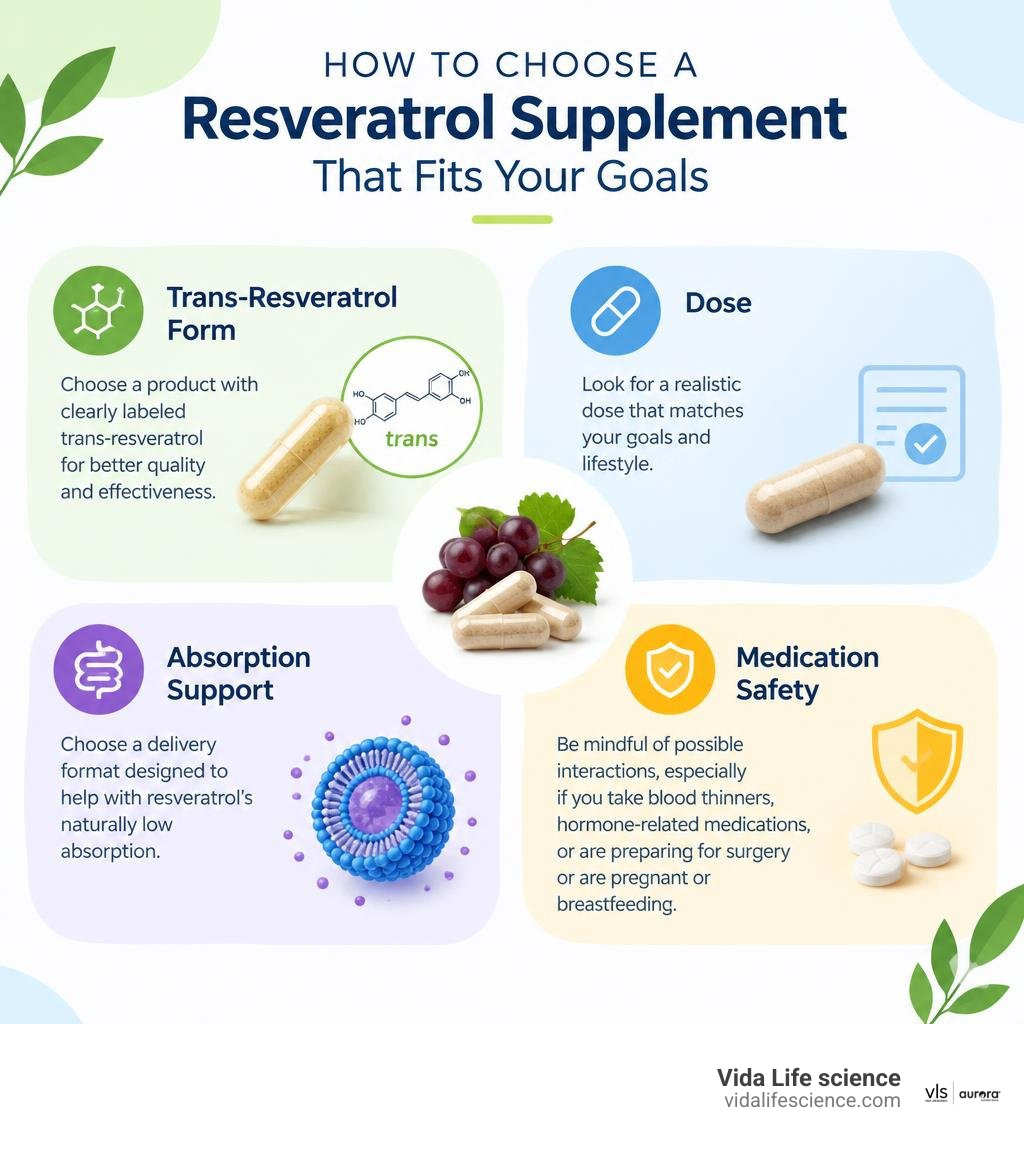
A resveratrol supplement may be worth considering if you want concentrated antioxidant support without relying on red wine or large amounts of food. Look for a clearly labeled trans-resveratrol product, a realistic dose, third-party quality testing, and a delivery format designed to address resveratrol's naturally low absorption. Do not expect proven anti-aging results: human research is promising in some areas, but it is still mixed.
Resveratrol is a plant compound found in grape skins, berries, peanuts, and more than 70 plant species. It has drawn attention because it may help regulate inflammation, oxidative stress, and cellular energy pathways. Yet it is poorly soluble in water and rapidly processed by the body, so the form you choose can matter as much as the number of milligrams on the label.
High doses can cause bloating, nausea, stomach cramps, constipation, or diarrhea. It may also affect blood clotting and how the body processes some medications. That makes a conversation with a healthcare professional especially important for people who use blood thinners, have hormone-sensitive conditions, are preparing for surgery, or are pregnant or breastfeeding.
At Vida Life Science, we focus on advanced phosphatidylcholine-based liposomal nutrient delivery and carefully selected, additive-conscious formulas. Our experience with resveratrol supplement delivery centers on helping health-conscious adults understand why absorption, ingredient transparency, and practical daily use all matter.
What Is Resveratrol and How Does It Work in the Body?
Resveratrol is a natural stilbene polyphenol produced by plants as a defense mechanism against stressors like ultraviolet radiation, fungal infections, and physical injury (Salehi et al., 2018). It first rose to global fame during discussions surrounding the "French Paradox"—the epidemiological observation that certain populations in France experienced relatively low rates of heart disease despite a diet rich in saturated fats. While early hypotheses linked this solely to moderate red wine consumption, researchers quickly zeroed in on resveratrol as a potential primary bioactive driver.
In the human body, resveratrol functions at the cellular level. Rather than acting strictly as a direct antioxidant that mops up free radicals in passing, it acts as a signaling molecule. It interacts with key regulatory pathways, notably activating SIRT1 (sirtuin 1), an NAD+-dependent enzyme tied to cellular longevity, DNA repair, and mitochondrial biogenesis.
It also stimulates AMP-activated protein kinase (AMPK), a master energy sensor that helps regulate glucose metabolism, fat oxidation, and cellular homeostasis (Salehi et al., 2018). Through these pathways, resveratrol helps trigger internal antioxidant defenses and modulates inflammatory cascades.

Natural Sources and Biological Mechanisms
Botanists have identified resveratrol across more than 70 plant species. While red grape skins and grape seeds are the most recognized dietary sources, you can also find detectable amounts in:
- Blueberries, cranberries, and bilberries
- Peanuts and pistachios
- Dark cocoa
- Japanese knotweed (Polygonum cuspidatum or Reynoutria japonica), which provides the most common raw botanical material for commercial extracts
At the cellular level, resveratrol supports the body's natural defense against oxidative stress by scavenging reactive oxygen species (ROS) and upregulating endogenous enzymes such as superoxide dismutase (SOD) and catalase (Salehi et al., 2018). Furthermore, it helps modulate nuclear factor kappa B (NF-κB), a transcription factor responsible for inflammatory cytokine expression. By downregulating excessive NF-κB signaling, resveratrol contributes to balanced systemic inflammatory responses.
Understanding Trans-Resveratrol in Your Resveratrol Supplement
When evaluating nutritional formulas, chemical geometry matters significantly. Resveratrol exists in two geometric isomers: trans-resveratrol and cis-resveratrol.
Trans-resveratrol is the biologically active, stable form that exhibits cardioprotective, antioxidant, and metabolic properties (Salehi et al., 2018). When exposed to light, heat, or UV radiation, trans-resveratrol isomerizes into cis-resveratrol, which exhibits noticeably weaker biological activity.
For maximum efficacy, high-grade formulas prioritize purified trans-resveratrol, often combining it with synergistic compounds like quercetin or alpha lipoic acid. You can explore how these compounds support cellular health together in our guide on the antioxidant synergy of alpha lipoic acid and resveratrol.
Evidence-Based Health Benefits and Scientific Reality
Scientific interest in resveratrol has yielded thousands of preclinical studies, animal models, and a growing body of human clinical trials (Salehi et al., 2018). While early marketing claims labeled resveratrol an all-in-one "miracle anti-aging pill," modern research provides a more grounded, nuanced view of its targeted physiological roles.
Clinical evaluations demonstrate that resveratrol delivers tangible support for vascular and metabolic function:
-
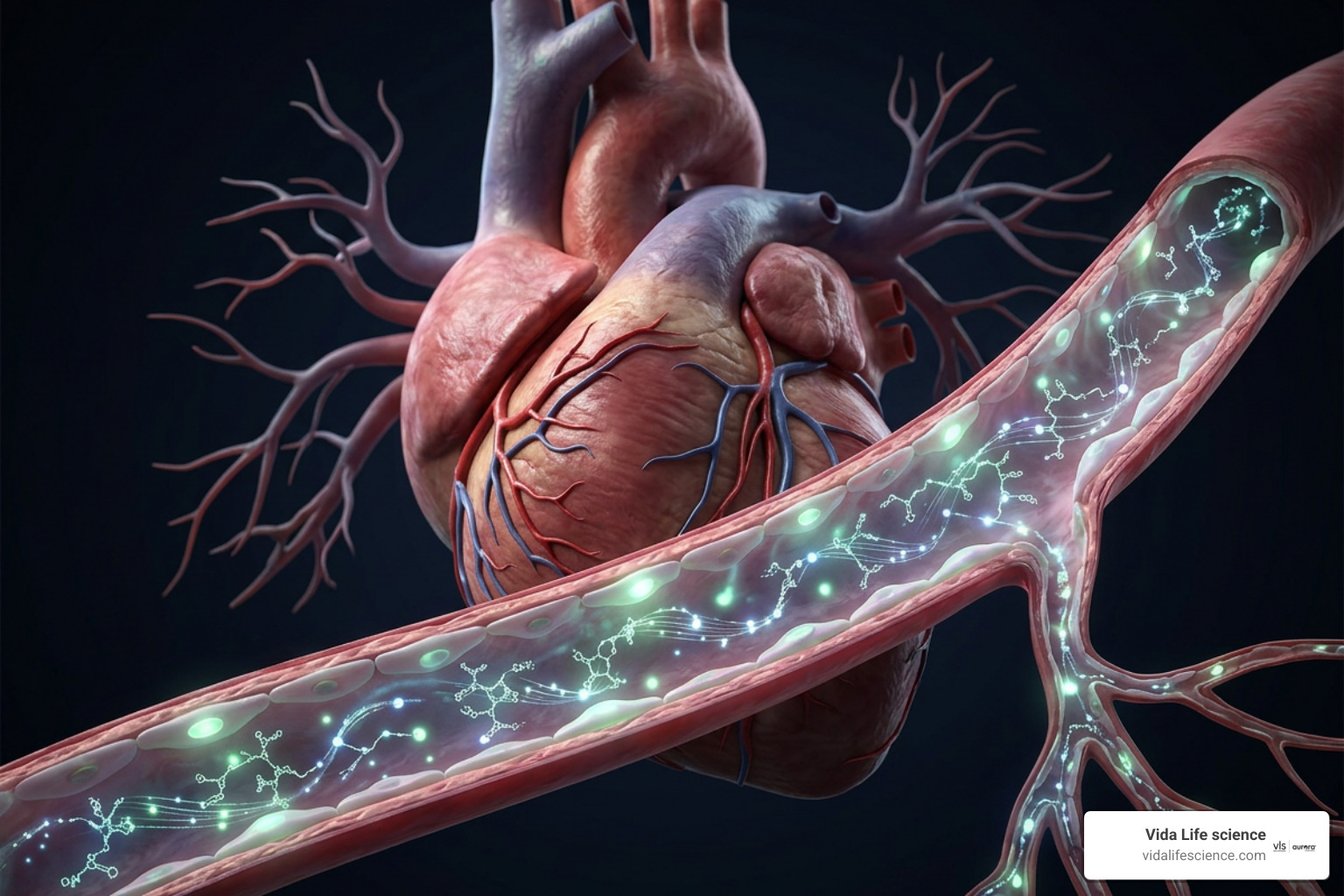
Endothelial Function and Blood Flow: Resveratrol promotes the production of endothelial nitric oxide synthase (eNOS), which enhances nitric oxide bioavailability. This process supports healthy vasodilation, arterial flexibility, and normal blood pressure levels.
-
Lipid and Oxidative Protection: It helps inhibit the oxidation of low-density lipoprotein (LDL) cholesterol, an essential factor in maintaining clear, flexible arteries and overall cardiovascular integrity (Salehi et al., 2018).
-
Glycemic Control and Insulin Sensitivity: Clinical trials in individuals with metabolic dysregulation show that daily supplementation can support healthy fasting blood glucose and improve insulin sensitivity by activating AMPK pathways.
-
Joint and Neurological Comfort: Resveratrol crosses the blood-brain barrier, where its anti-inflammatory effects help preserve neural tissues against localized oxidative stress. Additionally, trials in older adults and postmenopausal women suggest modest improvements in joint comfort and mobility.
For a broader medical perspective on these clinical findings, read this review on clinical research on resveratrol health effects.
Longevity and the Biphasic Cellular Response
In laboratory models, resveratrol demonstrates a classic hormetic (biphasic) response (Salehi et al., 2018). Low concentrations (0.1–1.0 µg/mL) stimulate cell survival, enhance mitochondrial resilience, and boost endogenous defenses, whereas extremely high concentrations (10.0–100.0 µg/mL) can induce cellular stress and apoptosis (Salehi et al., 2018).
While animal models have shown lifespan extension under specific metabolic conditions, human data does not yet prove that resveratrol extends human lifespan. Instead, human clinical trials emphasize healthspan—supporting metabolic wellness, vascular elasticity, and cellular vitality throughout life.
Potential Side Effects, Risks, and Safety Considerations
Resveratrol has a favorable safety profile across a broad dosage spectrum. Doses up to 1.0 g (1,000 mg) per day are generally well tolerated in short-to-medium-term applications without significant side effects. Human clinical trials have documented single and fractionated daily intakes of up to 5.0 g per day without severe systemic toxicity, though practical tolerability declines at these upper extremes.
Common Side Effects and Pro-Oxidant Risks
When adverse effects occur, they are typically gastrointestinal in nature and dose-dependent. Intakes exceeding 2.5 g daily increase the likelihood of:
- Abdominal bloating and flatulence
- Nausea and stomach cramps
- Diarrhea or loose stools
- Occasional hepatic enzyme elevations in individuals with pre-existing metabolic liver conditions
At exceptionally high unphysiological concentrations, resveratrol can shift from an antioxidant to a pro-oxidant state, triggering oxidative stress within healthy cells (Salehi et al., 2018). Keeping daily intake within recommended therapeutic ranges avoids this phenomenon.
Who Should Avoid or Exercise Caution with a Resveratrol Supplement?
Certain individuals must exercise caution or avoid supplementation entirely:
-
Individuals on Anticoagulants or Antiplatelets: Resveratrol exhibits mild antiplatelet activity, which can amplify the effects of blood-thinning medications and elevate bleeding risks.
-
Individuals Taking CYP450 Substrates: Resveratrol can inhibit cytochrome P450 enzymes (such as CYP3A4, CYP2C9, and CYP2D6) in the liver, potentially altering the breakdown rate and blood concentration of various prescription medications.
-
People with Hormone-Sensitive Cancers: Because resveratrol possesses weak phytoestrogenic properties, individuals with estrogen-sensitive conditions (e.g., specific breast, ovarian, or uterine cancers) should consult their oncologist before use (Salehi et al., 2018).
-
Patients Scheduled for Surgery: Due to potential impacts on clotting, discontinue supplementation at least two weeks prior to any planned surgical or dental procedure.
What to Look For in a High-Quality Resveratrol Supplement
Selecting an effective formula requires looking past surface-level marketing claims to assess stability, molecular form, and delivery design.
Bioavailability Challenges and Liposomal Delivery
The central hurdle with standard oral resveratrol is rapid clearance and low bioavailability. Although the intestinal tract absorbs roughly 70% of standard orally ingested resveratrol, rapid phase II hepatic and intestinal metabolism (glucuronidation and sulfation) leaves less than 1% of the free, unconjugated compound active in systemic circulation.
To bypass these biological bottlenecks, advanced delivery technologies encapsulate the polyphenol inside protective phospholipid bilayers (liposomes). Research shows that specialized nanoformulations and encapsulation techniques can increase water solubility by up to 400-fold and enhance in vivo absorption by 3.516 times compared to unformulated, raw crystalline powder.
| Delivery Feature |
Standard Dry Capsule |
Advanced Liposomal Liquid/Packet |
| Active Compound Form |
Raw crystalline trans-resveratrol |
Phospholipid-encapsulated trans-resveratrol |
| Water Solubility |
Poor (hydrophobic) |
Highly dispersible |
| Digestive Stability |
Vulnerable to stomach acid degradation |
Protected through gastric transit |
| Relative Bioavailability |
Baseline (~1% free systemic yield) |
Up to ~3.5x improved systemic absorption |
| GI Comfort |
Higher risk of localized gastric upset |
Gentle on stomach lining |
Proper Dosage and Storage Guidelines
For standard nutritional support, evidence-based human trials typically utilize between 100 mg and 500 mg of trans-resveratrol daily. High-absorption liposomal formulations allow individuals to achieve meaningful systemic levels without relying on massive gram-level intakes that trigger digestive distress.
To maintain compound integrity over time:
-
Choose Opaque Packaging: Trans-resveratrol is highly photo-sensitive. Select opaque single-serve packets or UV-blocking bottles that protect the active ingredient from ambient light.
-
Control Temperature and Humidity: Store your supplements in a cool, dry place away from direct heat and moisture.
-
Liquid Storage: If using multi-serving liposomal liquids, follow label instructions regarding post-opening refrigeration to preserve phospholipid stability.
-
Verify Purity: Look for products providing 98%+ pure trans-resveratrol sourced under rigorous cGMP manufacturing standards with verifiable third-party testing.
Frequently Asked Questions About Resveratrol
Can you get enough resveratrol from red wine alone?
While red wine contains higher levels of polyphenols than white wine (averaging 3 to 10 times more due to skin contact during fermentation), relying on wine for therapeutic resveratrol is impractical. An average glass of red wine provides approximately 1 to 2 milligrams of resveratrol at best. Reaching a modest supplemental intake of 250 mg to 500 mg would require consuming hundreds of glasses of wine daily—introducing severe alcohol toxicity risks that completely outweigh any antioxidant benefit. Standardized dietary supplements provide these targeted polyphenol levels without alcohol exposure.
Is resveratrol safe for pregnant or breastfeeding women?
Pregnant and lactating women should avoid concentrated resveratrol supplements. While normal culinary amounts found in foods like grapes and blueberries are safe, high-dose supplemental extracts lack comprehensive clinical safety trials during human pregnancy and lactation. Because resveratrol affects cellular proliferation, metabolic pathways, and vascular dynamics, it should only be used under the direct guidance of an obstetrician or primary healthcare provider.
Does resveratrol interact with prescription medications?
Yes. Resveratrol can interact with several common medication classes. It exhibits natural antiplatelet effects that can increase the risk of bruising or bleeding when combined with medications such as warfarin, aspirin, or clopidogrel. Additionally, it interacts with hepatic cytochrome P450 enzymes (particularly CYP3A4), which may slow down or speed up the metabolism of statins, anti-arrhythmics, blood pressure agents, and immunosuppressants. Always disclose your supplement routine to your prescribing physician or pharmacist.
Conclusion
Resveratrol remains one of the most thoroughly researched plant polyphenols in modern nutritional science. While it is not a standalone fountain of youth, its ability to support endothelial elasticity, cellular defenses, and metabolic signaling pathways makes it a valuable component of an intentional daily wellness regimen.
To make the most of your regimen, prioritize high-purity trans-resveratrol delivered via advanced liposomal encapsulation. Protecting the nutrient through digestion ensures superior absorption and cellular uptake without the gastrointestinal distress tied to excessive raw powder doses.
For a deeper look into cellular synergy, explore our comprehensive guide to NAD+ and resveratrol synergy to see how pairing sirtuin activators with cellular coenzymes can elevate your long-term health strategy.
References
Salehi B, Mishra AP, Nigam M, Sener B, Kilic M, Sharifi-Rad M, Fokou PVT, Martins N, Sharifi-Rad J. "Resveratrol: A Double-Edged Sword in Health Benefits.." Biomedicines, 2018. PMCID PMC6164842.


The Ins and Outs of Choosing the Best Resveratrol Supplement
How to Choose a Resveratrol Supplement That Fits Your Goals
A resveratrol supplement may be worth considering if you want concentrated antioxidant support without relying on red wine or large amounts of food. Look for a clearly labeled trans-resveratrol product, a realistic dose, third-party quality testing, and a delivery format designed to address resveratrol's naturally low absorption. Do not expect proven anti-aging results: human research is promising in some areas, but it is still mixed.
Resveratrol is a plant compound found in grape skins, berries, peanuts, and more than 70 plant species. It has drawn attention because it may help regulate inflammation, oxidative stress, and cellular energy pathways. Yet it is poorly soluble in water and rapidly processed by the body, so the form you choose can matter as much as the number of milligrams on the label.
High doses can cause bloating, nausea, stomach cramps, constipation, or diarrhea. It may also affect blood clotting and how the body processes some medications. That makes a conversation with a healthcare professional especially important for people who use blood thinners, have hormone-sensitive conditions, are preparing for surgery, or are pregnant or breastfeeding.
At Vida Life Science, we focus on advanced phosphatidylcholine-based liposomal nutrient delivery and carefully selected, additive-conscious formulas. Our experience with resveratrol supplement delivery centers on helping health-conscious adults understand why absorption, ingredient transparency, and practical daily use all matter.
What Is Resveratrol and How Does It Work in the Body?
Resveratrol is a natural stilbene polyphenol produced by plants as a defense mechanism against stressors like ultraviolet radiation, fungal infections, and physical injury (Salehi et al., 2018). It first rose to global fame during discussions surrounding the "French Paradox"—the epidemiological observation that certain populations in France experienced relatively low rates of heart disease despite a diet rich in saturated fats. While early hypotheses linked this solely to moderate red wine consumption, researchers quickly zeroed in on resveratrol as a potential primary bioactive driver.
In the human body, resveratrol functions at the cellular level. Rather than acting strictly as a direct antioxidant that mops up free radicals in passing, it acts as a signaling molecule. It interacts with key regulatory pathways, notably activating SIRT1 (sirtuin 1), an NAD+-dependent enzyme tied to cellular longevity, DNA repair, and mitochondrial biogenesis.
It also stimulates AMP-activated protein kinase (AMPK), a master energy sensor that helps regulate glucose metabolism, fat oxidation, and cellular homeostasis (Salehi et al., 2018). Through these pathways, resveratrol helps trigger internal antioxidant defenses and modulates inflammatory cascades.
Natural Sources and Biological Mechanisms
Botanists have identified resveratrol across more than 70 plant species. While red grape skins and grape seeds are the most recognized dietary sources, you can also find detectable amounts in:
At the cellular level, resveratrol supports the body's natural defense against oxidative stress by scavenging reactive oxygen species (ROS) and upregulating endogenous enzymes such as superoxide dismutase (SOD) and catalase (Salehi et al., 2018). Furthermore, it helps modulate nuclear factor kappa B (NF-κB), a transcription factor responsible for inflammatory cytokine expression. By downregulating excessive NF-κB signaling, resveratrol contributes to balanced systemic inflammatory responses.
Understanding Trans-Resveratrol in Your Resveratrol Supplement
When evaluating nutritional formulas, chemical geometry matters significantly. Resveratrol exists in two geometric isomers: trans-resveratrol and cis-resveratrol.
Trans-resveratrol is the biologically active, stable form that exhibits cardioprotective, antioxidant, and metabolic properties (Salehi et al., 2018). When exposed to light, heat, or UV radiation, trans-resveratrol isomerizes into cis-resveratrol, which exhibits noticeably weaker biological activity.
For maximum efficacy, high-grade formulas prioritize purified trans-resveratrol, often combining it with synergistic compounds like quercetin or alpha lipoic acid. You can explore how these compounds support cellular health together in our guide on the antioxidant synergy of alpha lipoic acid and resveratrol.
Evidence-Based Health Benefits and Scientific Reality
Scientific interest in resveratrol has yielded thousands of preclinical studies, animal models, and a growing body of human clinical trials (Salehi et al., 2018). While early marketing claims labeled resveratrol an all-in-one "miracle anti-aging pill," modern research provides a more grounded, nuanced view of its targeted physiological roles.
Cardiovascular, Metabolic, and Cellular Health
Clinical evaluations demonstrate that resveratrol delivers tangible support for vascular and metabolic function:
For a broader medical perspective on these clinical findings, read this review on clinical research on resveratrol health effects.
Longevity and the Biphasic Cellular Response
In laboratory models, resveratrol demonstrates a classic hormetic (biphasic) response (Salehi et al., 2018). Low concentrations (0.1–1.0 µg/mL) stimulate cell survival, enhance mitochondrial resilience, and boost endogenous defenses, whereas extremely high concentrations (10.0–100.0 µg/mL) can induce cellular stress and apoptosis (Salehi et al., 2018).
While animal models have shown lifespan extension under specific metabolic conditions, human data does not yet prove that resveratrol extends human lifespan. Instead, human clinical trials emphasize healthspan—supporting metabolic wellness, vascular elasticity, and cellular vitality throughout life.
Potential Side Effects, Risks, and Safety Considerations
Resveratrol has a favorable safety profile across a broad dosage spectrum. Doses up to 1.0 g (1,000 mg) per day are generally well tolerated in short-to-medium-term applications without significant side effects. Human clinical trials have documented single and fractionated daily intakes of up to 5.0 g per day without severe systemic toxicity, though practical tolerability declines at these upper extremes.
Common Side Effects and Pro-Oxidant Risks
When adverse effects occur, they are typically gastrointestinal in nature and dose-dependent. Intakes exceeding 2.5 g daily increase the likelihood of:
At exceptionally high unphysiological concentrations, resveratrol can shift from an antioxidant to a pro-oxidant state, triggering oxidative stress within healthy cells (Salehi et al., 2018). Keeping daily intake within recommended therapeutic ranges avoids this phenomenon.
Who Should Avoid or Exercise Caution with a Resveratrol Supplement?
Certain individuals must exercise caution or avoid supplementation entirely:
What to Look For in a High-Quality Resveratrol Supplement
Selecting an effective formula requires looking past surface-level marketing claims to assess stability, molecular form, and delivery design.
Bioavailability Challenges and Liposomal Delivery
The central hurdle with standard oral resveratrol is rapid clearance and low bioavailability. Although the intestinal tract absorbs roughly 70% of standard orally ingested resveratrol, rapid phase II hepatic and intestinal metabolism (glucuronidation and sulfation) leaves less than 1% of the free, unconjugated compound active in systemic circulation.
To bypass these biological bottlenecks, advanced delivery technologies encapsulate the polyphenol inside protective phospholipid bilayers (liposomes). Research shows that specialized nanoformulations and encapsulation techniques can increase water solubility by up to 400-fold and enhance in vivo absorption by 3.516 times compared to unformulated, raw crystalline powder.
Proper Dosage and Storage Guidelines
For standard nutritional support, evidence-based human trials typically utilize between 100 mg and 500 mg of trans-resveratrol daily. High-absorption liposomal formulations allow individuals to achieve meaningful systemic levels without relying on massive gram-level intakes that trigger digestive distress.
To maintain compound integrity over time:
Frequently Asked Questions About Resveratrol
Can you get enough resveratrol from red wine alone?
While red wine contains higher levels of polyphenols than white wine (averaging 3 to 10 times more due to skin contact during fermentation), relying on wine for therapeutic resveratrol is impractical. An average glass of red wine provides approximately 1 to 2 milligrams of resveratrol at best. Reaching a modest supplemental intake of 250 mg to 500 mg would require consuming hundreds of glasses of wine daily—introducing severe alcohol toxicity risks that completely outweigh any antioxidant benefit. Standardized dietary supplements provide these targeted polyphenol levels without alcohol exposure.
Is resveratrol safe for pregnant or breastfeeding women?
Pregnant and lactating women should avoid concentrated resveratrol supplements. While normal culinary amounts found in foods like grapes and blueberries are safe, high-dose supplemental extracts lack comprehensive clinical safety trials during human pregnancy and lactation. Because resveratrol affects cellular proliferation, metabolic pathways, and vascular dynamics, it should only be used under the direct guidance of an obstetrician or primary healthcare provider.
Does resveratrol interact with prescription medications?
Yes. Resveratrol can interact with several common medication classes. It exhibits natural antiplatelet effects that can increase the risk of bruising or bleeding when combined with medications such as warfarin, aspirin, or clopidogrel. Additionally, it interacts with hepatic cytochrome P450 enzymes (particularly CYP3A4), which may slow down or speed up the metabolism of statins, anti-arrhythmics, blood pressure agents, and immunosuppressants. Always disclose your supplement routine to your prescribing physician or pharmacist.
Conclusion
Resveratrol remains one of the most thoroughly researched plant polyphenols in modern nutritional science. While it is not a standalone fountain of youth, its ability to support endothelial elasticity, cellular defenses, and metabolic signaling pathways makes it a valuable component of an intentional daily wellness regimen.
To make the most of your regimen, prioritize high-purity trans-resveratrol delivered via advanced liposomal encapsulation. Protecting the nutrient through digestion ensures superior absorption and cellular uptake without the gastrointestinal distress tied to excessive raw powder doses.
For a deeper look into cellular synergy, explore our comprehensive guide to NAD+ and resveratrol synergy to see how pairing sirtuin activators with cellular coenzymes can elevate your long-term health strategy.
References
Salehi B, Mishra AP, Nigam M, Sener B, Kilic M, Sharifi-Rad M, Fokou PVT, Martins N, Sharifi-Rad J. "Resveratrol: A Double-Edged Sword in Health Benefits.." Biomedicines, 2018. PMCID PMC6164842.