Liposomal glutathione for heavy metals is one of the most researched approaches to supporting your body's natural detoxification system. Here's a quick answer if you're short on time:
How liposomal glutathione helps with heavy metal detoxification:
-
Binds heavy metals — Glutathione's thiol (sulfur) group attaches to metals like mercury, lead, cadmium, and arsenic, forming stable complexes for excretion.
-
Delivers more glutathione to cells — Liposomal encapsulation bypasses digestive breakdown, achieving significantly higher blood and cellular levels than standard oral supplements.
-
Protects against oxidative damage — Heavy metals generate harmful free radicals; glutathione neutralizes them before they damage DNA, mitochondria, and cell membranes.
-
Supports liver detox pathways — Glutathione drives Phase II detoxification, helping the liver package and eliminate metal-toxin complexes.
-
Replenishes a depleted system — Heavy metal exposure itself depletes your body's glutathione stores, creating a cycle that supplementation can help break.
Since the industrial revolution, the production and release of heavy metals into our environment has grown dramatically. Today, mercury, lead, cadmium, and arsenic are on the World Health Organization's list of the 10 chemicals of greatest public health concern. These metals accumulate in the brain, liver, kidneys, and bones — and they actively deplete your body's own defenses as they do it.
Glutathione is your body's primary defense against this kind of chemical stress. It's a small tripeptide molecule — built from cysteine, glycine, and glutamic acid — and it's found in virtually every cell. In healthy cells, more than 90% of the total glutathione pool exists in its active, reduced form. But chronic metal exposure tips that balance the wrong way fast.
The problem? Getting enough glutathione into your cells has always been the challenge. Standard oral glutathione is largely broken down in the digestive tract before it ever reaches the bloodstream. Liposomal delivery technology was developed specifically to solve that problem.
At Vida Life Science, we are the exclusive US distributor of Aurora Nutrascience — a Canadian manufacturer specializing in non-GMO, phosphatidylcholine-based liposomal delivery systems — giving us deep, hands-on expertise in liposomal glutathione for heavy metals and advanced nutrient absorption science. That foundation shapes everything we share in this guide.
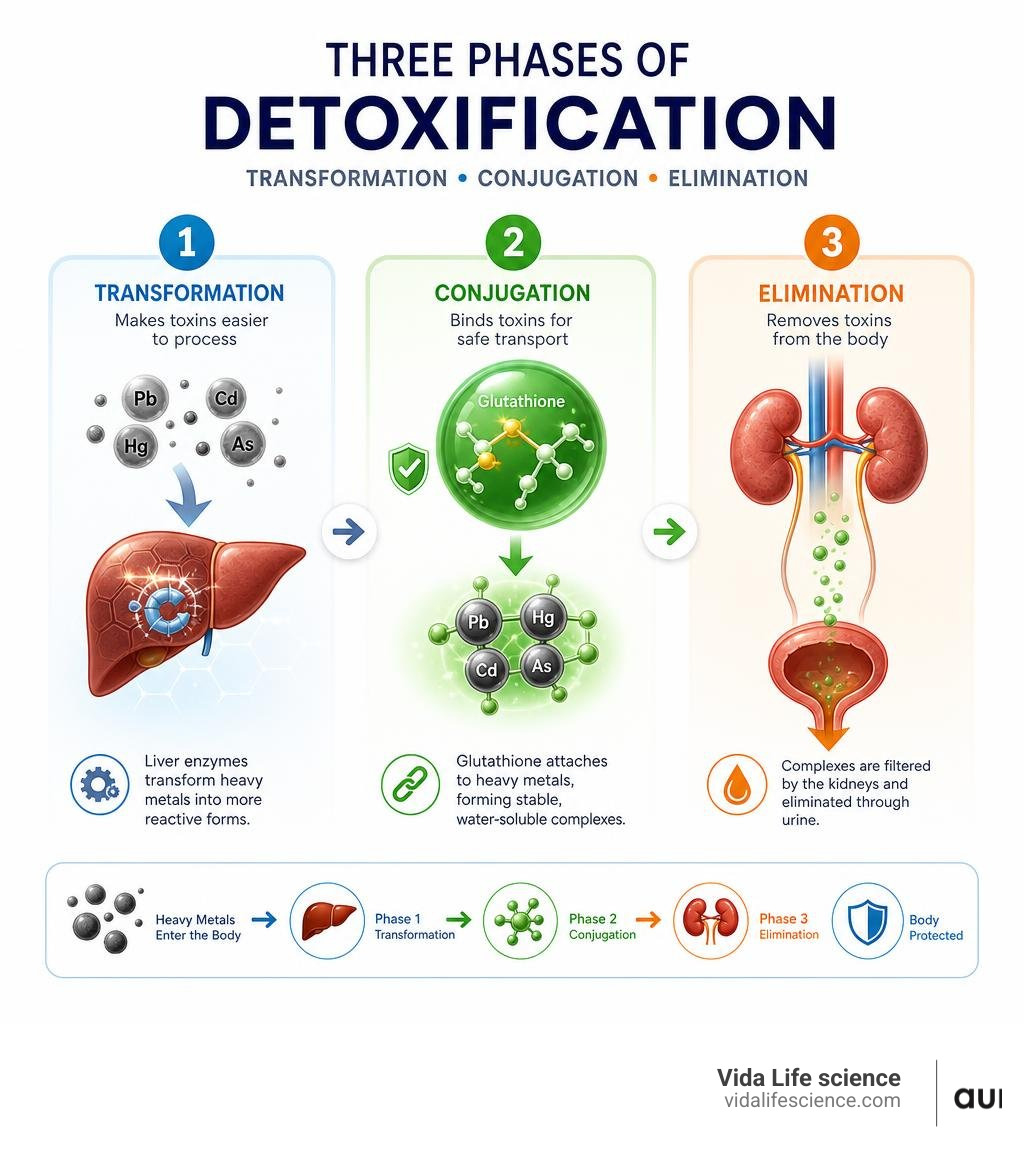
To understand how we can use liposomal glutathione heavy metals protocols to clear toxins, we first have to look at how this molecule works on a chemical level. In both plant and animal kingdoms, glutathione (GSH) is the primary engine of metal homeostasis, antioxidative defense, and stress signaling.
Within biological systems, glutathione concentrations are kept remarkably high, typically ranging from 0.5 to 10 mM inside cells. This abundant pool acts as a constant surveillance system. When toxic metals enter a cell, they immediately seek out sulfur atoms. This is because heavy metals have an incredibly high chemical affinity for "thiol" (sulfur-containing) groups.
Our bodies rely on this exact affinity to survive. If heavy metals cannot bind to glutathione, they will bind to the thiol groups on vital cellular proteins and enzymes instead, permanently deactivating them. By acting as a molecular decoy, glutathione intercepts these metals, protecting our cellular machinery from being hijacked.
As explored in the comprehensive review Glutathione Is a Key Player in Metal-Induced Oxidative Stress ... , glutathione sits at the absolute center of how organisms manage environmental metal stress. If you are curious about the broader biological roles of this master molecule, you can read more about What is Glutathione and Why You Need It to understand its systemic importance.
The physical process of binding a heavy metal is known as chelation. In classical chemistry, a chelating agent wraps around a metal ion, neutralizing its electrical charge and making it water-soluble so the body can flush it out.
Glutathione achieves this through its cysteine residue, which features a highly reactive sulfhydryl (-SH) group. When a toxic metal ion like mercury ($Hg^{2+}$), lead ($Pb^{2+}$), or cadmium ($Cd^{2+}$) is detected, the sulfhydryl groups of multiple glutathione molecules bind to it, forming a stable, non-reactive coordination complex.
Once this complex is formed, it is safely recognized by transport proteins. These transporters carry the bound metal out of the cell and into the biliary system or kidneys for final elimination. This process is a core component of Phase II conjugation, the liver's primary method for rendering toxic compounds harmless. Without adequate glutathione, these metals remain free to circulate, settle into fatty tissues (like the brain), and generate severe oxidative damage.
Maintaining the GSSG/GSH Redox Balance under Metal Stress
Under normal, healthy conditions, the vast majority of our cellular glutathione is kept in its reduced form (GSH), which is the active state ready to neutralize toxins and free radicals. Once glutathione performs its antioxidant duty, it becomes oxidized, pairing up with another oxidized glutathione molecule to form glutathione disulfide (GSSG).
An enzyme called glutathione reductase then uses cellular energy to convert GSSG back into active GSH. The balance between these two forms—known as the GSSG/GSH ratio—is the ultimate barometer of a cell's health and oxidative stress levels:
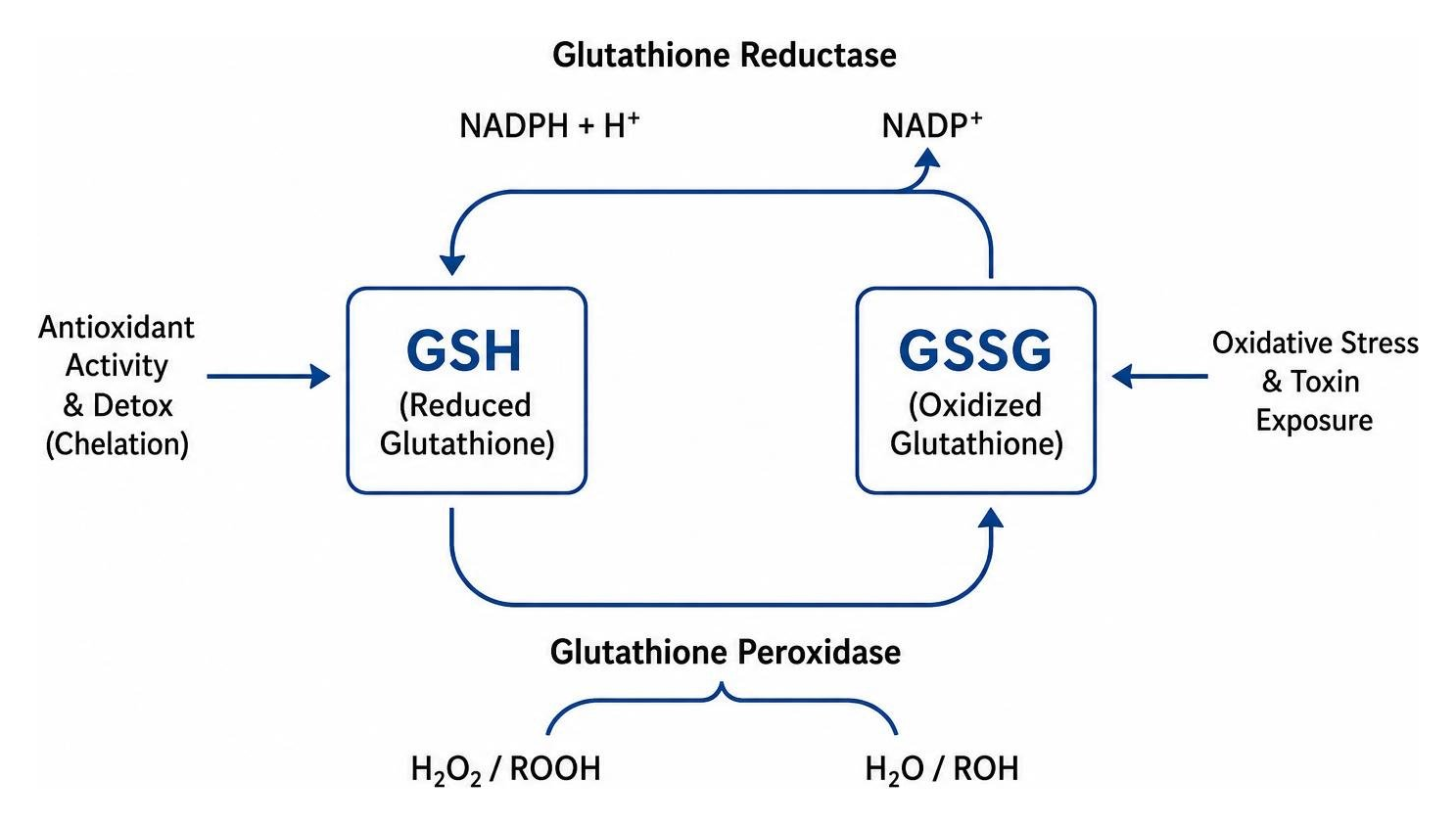
When heavy metals invade, they disrupt this delicate balance in two ways:
- They directly consume GSH to form chelated complexes, removing it from the antioxidant pool.
- They inhibit the enzymes (like glutathione reductase) responsible for recycling GSSG back into active GSH.
This creates a worst-case scenario. As the GSSG/GSH ratio shifts heavily toward GSSG, the cell loses its ability to fight off oxidative stress. This state of chronic oxidation damages lipids, proteins, and DNA. By supplementing with a highly bioavailable liposomal glutathione, we directly inject fresh, reduced GSH into this cycle, restoring the healthy GSSG/GSH balance and giving the cell the resources it needs to safely process the toxic backlog.
Why Standard Glutathione Fails and How Liposomes Solve the Bioavailability Crisis
If glutathione is so powerful, why can't we just take standard glutathione pills? The answer lies in the harsh environment of the human digestive tract.
Glutathione is a tripeptide, meaning it is essentially a tiny protein. When you swallow standard glutathione powder or capsules, your stomach acids and digestive enzymes (specifically peptidases) treat it just like food. They break it down into its constituent amino acids—glycine, glutamate, and cysteine—before it can ever reach your bloodstream.
In fact, clinical studies have shown that the systemic absorption of standard oral glutathione can be as low as 0%. Even if some amino acids make it through, your body has to spend energy reassembling them back into glutathione inside your cells. Under a heavy metal load, your cellular machinery is already compromised, making this reassembly process incredibly inefficient.
Liposomes completely change this dynamic. A liposome is a microscopic, double-layered bubble made of phospholipids—the exact same material that makes up your own cell membranes.
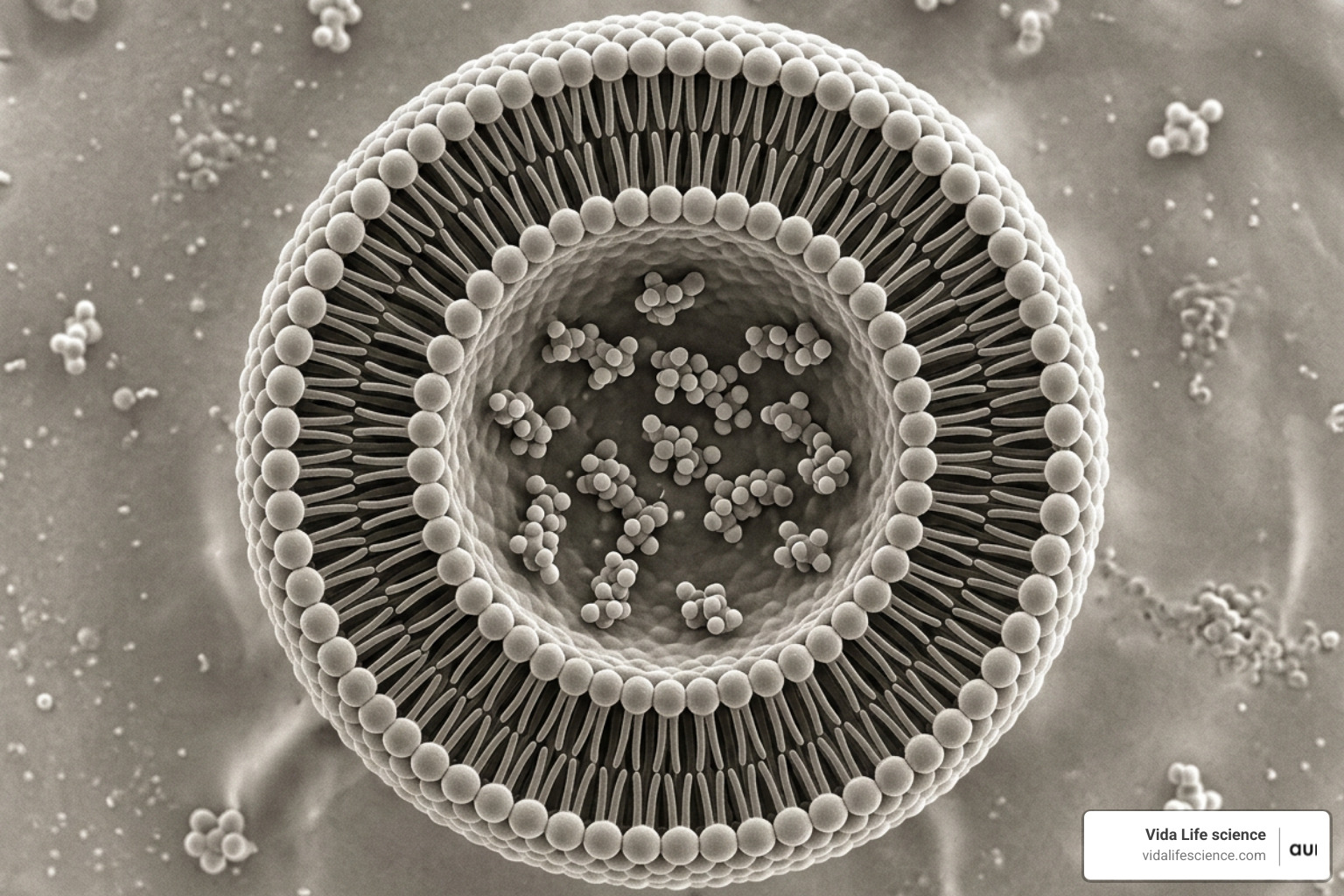
By encapsulating reduced glutathione inside these protective lipid spheres, we shield the delicate tripeptide from digestive enzymes and stomach acid. To understand how this protective barrier transforms cellular health, you can read about Antioxidants for a Healthier You: Exploring Liposomal Glutathione.
To see how these delivery methods stack up, consider this comparison:
| Feature |
Standard Oral Powder / Capsules |
IV Glutathione Therapy |
Liposomal Glutathione |
| Bioavailability |
Extremely low (often near 0%) |
Near 100% |
Exceptionally high |
| Digestive Protection |
None; easily degraded by enzymes |
Bypasses digestion entirely |
Fully protected inside phospholipid shell |
| Cellular Uptake |
Relies on active cellular synthesis |
Moderate (rapid renal clearance) |
Direct fusion with cell membranes |
| Convenience & Cost |
Low cost, but highly ineffective |
High cost, requires clinical visits |
Moderate cost, highly convenient daily oral use |
| Systemic Half-Life |
Very short |
Rapidly cleared by kidneys |
Sustained release via lipid absorption |
Bypassing Gastrointestinal Breakdown
Because liposomes are composed of phospholipids (typically sourced from non-GMO sunflower lecithin), they do not rely on standard protein transport pathways in the gut. Instead, they are absorbed directly through the intestinal lining into the lymphatic system and bloodstream.
Once in circulation, these liposomes behave like cellular delivery vehicles. When a liposome encounters a cell, its lipid bilayer can fuse directly with the cell membrane, releasing its intact glutathione payload straight into the cytoplasm.
This is not just theoretical; the pharmacokinetic data is striking. Research shows that high-quality liposomal glutathione achieves up to 1.9-fold higher cellular uptake than standard forms, peaking at 45% intracellular delivery compared to just 23% for plain glutathione. Furthermore, human trials have demonstrated that liposomal delivery produces up to a 6-fold higher maximum concentration ($C_{max}$) in the blood, maintaining elevated plasma levels for a full 24 hours. To explore these remarkable absorption dynamics further, read Unleashing the Power of Liposomal Glutathione: Exploring Its Remarkable Benefits.
Subcellular Compartmentalization and Mitochondrial Protection
Once inside the cell, glutathione must be strategically distributed. It is not enough to simply flood the general cellular fluid (the cytosol); glutathione must find its way into specific compartments, particularly the mitochondria.
Mitochondria are the powerhouses of our cells, responsible for generating ATP (cellular energy). They are also the primary targets of heavy metal toxicity. Metals like lead and cadmium accumulate inside mitochondria, where they disrupt the electron transport chain, causing a massive surge of reactive oxygen species (ROS) that damages mitochondrial DNA.
Because mitochondria lack their own pathways to synthesize glutathione from scratch, they rely entirely on importing it from the cytosol. Liposomal delivery excels here. By rapidly elevating cytosolic glutathione levels, it facilitates the immediate transport of GSH across the mitochondrial membrane. This protects mitochondrial function, preserves energy production, and prevents the cell-death cascades triggered by metal-induced mitochondrial decay. For a deeper look at how this cellular energy support works, check out our guide on Glutathione NAD Cellular Support.
Scientific Evidence: From Plant Models to Human Clinical Trials
Because heavy metal toxicity is a universal biological threat, scientists have studied glutathione's protective role across a wide range of organisms, from model plants to human subjects.
Phytochelatin Synthesis and Sulfur Assimilation Pathways
In the plant world, heavy metal exposure is an existential threat—plants cannot walk away from contaminated soil. As a result, they have evolved incredibly sophisticated defense mechanisms that rely heavily on glutathione.
When plants like Arabidopsis thaliana or Brassica juncea (Indian mustard) are exposed to toxic metals like cadmium, they rapidly convert their glutathione into specialized chelating polymers called phytochelatins (PCs). These phytochelatins bind the heavy metals and transport them safely into vacuoles—isolated cellular storage compartments—keeping the rest of the plant cell safe.
The scientific data highlighting this pathway is profound:
-
The BSO Connection: When researchers treat Arabidopsis with buthionine sulfoximine (BSO)—a compound that blocks glutathione synthesis—and then expose them to cadmium, glutathione and phytochelatin levels drop by more than 96%. The result is a massive, lethal spike in cadmium toxicity, proving that glutathione is the plant's absolute line of defense.
-
Transgenic Success: In studies of soil cleanup (phytoextraction), transgenic Brassica juncea plants engineered to overexpress glutathione-synthesizing enzymes (GSH1 and GSH2) showed significantly enhanced cadmium accumulation. They successfully cleaned up contaminated soils by pulling heavy metals into their tissues without dying, thanks to their elevated glutathione and phytochelatin pools.
-
Rapid Consumption: In cell cultures of Rauvolfia serpentina, exposure to cadmium caused a rapid, near-instantaneous decline in free glutathione levels as the cells frantically consumed their GSH reserves to build phytochelatins.
These plant models teach us a vital human lesson: under heavy metal stress, our glutathione reserves are rapidly consumed. If we do not actively replenish them, our natural detoxification systems will eventually collapse under the toxic load.
While plant studies reveal the elegant molecular pathways of chelation, human clinical data proves the real-world efficacy of liposomal supplementation.
In a landmark clinical study evaluating oral liposomal glutathione, researchers tracked the blood mercury levels of subjects over a 30-day period. The participants took 750 mg of liposomal glutathione twice daily.
The results were remarkable: blood mercury levels decreased by an average of 39% within just 30 days. Some individuals experienced reductions as high as 60%. Importantly, this clearance was accompanied by improvements in kidney and liver function markers (such as creatinine and bilirubin), demonstrating that the metals were being cleared safely without overloading the organs of elimination.
These clinical findings highlight the importance of choosing a highly bioavailable, clinically supported liposomal glutathione formulation to ensure optimal absorption and effective heavy metal clearance.
Practical Protocols for Administering Liposomal Glutathione
Using liposomal glutathione heavy metals protocols effectively requires more than just taking a random dose whenever you remember. To maximize cellular uptake and support safe clearance, consistency and timing are key.
Optimizing Absorption and Co-Factors
To get the absolute most out of your liposomal glutathione, we recommend the following daily protocol:
-
Take it on an Empty Stomach: For maximum absorption, take your liquid liposomal glutathione first thing in the morning, at least 10 to 15 minutes before eating.
-
Hold Before Swallowing: Swish the liquid in your mouth and hold it under your tongue for 30 to 90 seconds. This allows for direct transmucosal absorption through the blood vessels in your mouth, bypassing the digestive tract entirely.
-
Incorporate Synergistic Co-Factors:
-
Vitamin C: Works hand-in-hand with glutathione, helping to regenerate oxidized GSSG back into active GSH.
-
Selenium: An essential co-factor for the enzyme glutathione peroxidase, which uses glutathione to neutralize hydrogen peroxide and other harmful free radicals.
-
Milk Thistle (Silymarin): Supports overall liver cell regeneration and helps protect hepatic glutathione stores during active detoxification phases.
Redox Signaling and MAPK Pathway Regulation
On a deeper physiological level, maintaining a steady intake of liposomal glutathione does more than just bind metals—it actually talks to your DNA.
When heavy metals enter cells, the sudden spike in reactive oxygen species (ROS) activates a cellular alarm system known as the Mitogen-Activated Protein Kinase (MAPK) pathway. Under chronic metal stress, this pathway remains permanently switched "on," triggering chronic inflammation, cellular aging, and eventually programmed cell death (apoptosis).
By delivering a steady stream of active, reduced glutathione directly into the cytoplasm, liposomal GSH acts as a master regulator. It calms the ROS storm, deactivating the overstimulated MAPK pathway and signaling to redox-sensitive transcription factors (like Nrf2) to upregulate the body's own antioxidant defense genes. It is a beautiful example of how targeted nutrition can influence cellular communication.
Detoxification is a gradual biological process, not a one-time event. Because heavy metals accumulate deep within tissues like bones and organs, safe mobilization must happen slowly to avoid overloading your kidneys and liver.
While some clinical markers (like blood mercury levels) can show significant reductions in as little as 3 to 4 weeks of consistent supplementation, a comprehensive heavy metal detox protocol typically takes 3 to 6 months. This timeline allows for safe, steady cellular turnover and tissue clearance.
Yes. One of the most remarkable properties of liposomal delivery is its ability to interact with highly selective biological barriers. The blood-brain barrier (BBB) is designed to keep foreign substances out of the central nervous system, but it easily recognizes and absorbs essential lipids.
Because liposomes are constructed from phosphatidylcholine—a primary building block of brain tissue and neural membranes—they can seamlessly interface with the blood-brain barrier. This allows the encapsulated glutathione to be delivered directly into brain tissues, where heavy metals like mercury and lead frequently accumulate and cause neurological fatigue or brain fog.
Are there any side effects of using liposomal glutathione for chelation?
Liposomal glutathione is exceptionally well-tolerated because glutathione is a substance your body naturally produces. However, when you begin actively mobilizing heavy metals out of storage, you may experience mild, temporary symptoms often referred to as a Herxheimer (or detox) reaction.
These temporary symptoms can include mild headaches, fatigue, or slight digestive changes as your liver and kidneys process the mobilized toxins. To minimize these effects, we recommend starting with a lower dose (e.g., 250 mg daily) and gradually working your way up to a full therapeutic dose (500 mg to 1000 mg daily) over a week or two, while staying exceptionally well-hydrated.
Conclusion
Heavy metal toxicity is an invisible, modern challenge that quietens our cellular energy, depletes our primary defenses, and accelerates oxidative aging. But as modern science has shown, we are not defenseless. By understanding the biochemistry of chelation and leveraging the power of advanced delivery systems, we can actively protect our health.
At Vida Life Science, we believe that proper nutrition is only as good as its absorption. That is why we are proud to be the exclusive distributor of Aurora Nutrascience liposomal supplements in the USA and Canada. Engineered with non-GMO, organic ingredients and state-of-the-art manufacturing, these formulas ensure that your glutathione actually reaches the cells that need it most.
If you are ready to experience the difference that true, clinical-grade bioavailability can make for your energy, clarity, and detoxification pathways, we invite you to Learn what makes Aurora Nutrascience liposomal supplements different and choose a supplement system designed to truly perform.


How to Use Liposomal Glutathione for Heavy Metal Chelation
Why Heavy Metal Toxicity Makes Liposomal Glutathione So Important
Liposomal glutathione for heavy metals is one of the most researched approaches to supporting your body's natural detoxification system. Here's a quick answer if you're short on time:
How liposomal glutathione helps with heavy metal detoxification:
Since the industrial revolution, the production and release of heavy metals into our environment has grown dramatically. Today, mercury, lead, cadmium, and arsenic are on the World Health Organization's list of the 10 chemicals of greatest public health concern. These metals accumulate in the brain, liver, kidneys, and bones — and they actively deplete your body's own defenses as they do it.
Glutathione is your body's primary defense against this kind of chemical stress. It's a small tripeptide molecule — built from cysteine, glycine, and glutamic acid — and it's found in virtually every cell. In healthy cells, more than 90% of the total glutathione pool exists in its active, reduced form. But chronic metal exposure tips that balance the wrong way fast.
The problem? Getting enough glutathione into your cells has always been the challenge. Standard oral glutathione is largely broken down in the digestive tract before it ever reaches the bloodstream. Liposomal delivery technology was developed specifically to solve that problem.
At Vida Life Science, we are the exclusive US distributor of Aurora Nutrascience — a Canadian manufacturer specializing in non-GMO, phosphatidylcholine-based liposomal delivery systems — giving us deep, hands-on expertise in liposomal glutathione for heavy metals and advanced nutrient absorption science. That foundation shapes everything we share in this guide.
The Science of Liposomal Glutathione Heavy Metals Detoxification
To understand how we can use liposomal glutathione heavy metals protocols to clear toxins, we first have to look at how this molecule works on a chemical level. In both plant and animal kingdoms, glutathione (GSH) is the primary engine of metal homeostasis, antioxidative defense, and stress signaling.
Within biological systems, glutathione concentrations are kept remarkably high, typically ranging from 0.5 to 10 mM inside cells. This abundant pool acts as a constant surveillance system. When toxic metals enter a cell, they immediately seek out sulfur atoms. This is because heavy metals have an incredibly high chemical affinity for "thiol" (sulfur-containing) groups.
Our bodies rely on this exact affinity to survive. If heavy metals cannot bind to glutathione, they will bind to the thiol groups on vital cellular proteins and enzymes instead, permanently deactivating them. By acting as a molecular decoy, glutathione intercepts these metals, protecting our cellular machinery from being hijacked.
As explored in the comprehensive review Glutathione Is a Key Player in Metal-Induced Oxidative Stress ... , glutathione sits at the absolute center of how organisms manage environmental metal stress. If you are curious about the broader biological roles of this master molecule, you can read more about What is Glutathione and Why You Need It to understand its systemic importance.
Cellular Mechanisms of Liposomal Glutathione Heavy Metals Chelation
The physical process of binding a heavy metal is known as chelation. In classical chemistry, a chelating agent wraps around a metal ion, neutralizing its electrical charge and making it water-soluble so the body can flush it out.
Glutathione achieves this through its cysteine residue, which features a highly reactive sulfhydryl (-SH) group. When a toxic metal ion like mercury ($Hg^{2+}$), lead ($Pb^{2+}$), or cadmium ($Cd^{2+}$) is detected, the sulfhydryl groups of multiple glutathione molecules bind to it, forming a stable, non-reactive coordination complex.
Once this complex is formed, it is safely recognized by transport proteins. These transporters carry the bound metal out of the cell and into the biliary system or kidneys for final elimination. This process is a core component of Phase II conjugation, the liver's primary method for rendering toxic compounds harmless. Without adequate glutathione, these metals remain free to circulate, settle into fatty tissues (like the brain), and generate severe oxidative damage.
Maintaining the GSSG/GSH Redox Balance under Metal Stress
Under normal, healthy conditions, the vast majority of our cellular glutathione is kept in its reduced form (GSH), which is the active state ready to neutralize toxins and free radicals. Once glutathione performs its antioxidant duty, it becomes oxidized, pairing up with another oxidized glutathione molecule to form glutathione disulfide (GSSG).
An enzyme called glutathione reductase then uses cellular energy to convert GSSG back into active GSH. The balance between these two forms—known as the GSSG/GSH ratio—is the ultimate barometer of a cell's health and oxidative stress levels:
When heavy metals invade, they disrupt this delicate balance in two ways:
This creates a worst-case scenario. As the GSSG/GSH ratio shifts heavily toward GSSG, the cell loses its ability to fight off oxidative stress. This state of chronic oxidation damages lipids, proteins, and DNA. By supplementing with a highly bioavailable liposomal glutathione, we directly inject fresh, reduced GSH into this cycle, restoring the healthy GSSG/GSH balance and giving the cell the resources it needs to safely process the toxic backlog.
Why Standard Glutathione Fails and How Liposomes Solve the Bioavailability Crisis
If glutathione is so powerful, why can't we just take standard glutathione pills? The answer lies in the harsh environment of the human digestive tract.
Glutathione is a tripeptide, meaning it is essentially a tiny protein. When you swallow standard glutathione powder or capsules, your stomach acids and digestive enzymes (specifically peptidases) treat it just like food. They break it down into its constituent amino acids—glycine, glutamate, and cysteine—before it can ever reach your bloodstream.
In fact, clinical studies have shown that the systemic absorption of standard oral glutathione can be as low as 0%. Even if some amino acids make it through, your body has to spend energy reassembling them back into glutathione inside your cells. Under a heavy metal load, your cellular machinery is already compromised, making this reassembly process incredibly inefficient.
Liposomes completely change this dynamic. A liposome is a microscopic, double-layered bubble made of phospholipids—the exact same material that makes up your own cell membranes.
By encapsulating reduced glutathione inside these protective lipid spheres, we shield the delicate tripeptide from digestive enzymes and stomach acid. To understand how this protective barrier transforms cellular health, you can read about Antioxidants for a Healthier You: Exploring Liposomal Glutathione.
To see how these delivery methods stack up, consider this comparison:
Bypassing Gastrointestinal Breakdown
Because liposomes are composed of phospholipids (typically sourced from non-GMO sunflower lecithin), they do not rely on standard protein transport pathways in the gut. Instead, they are absorbed directly through the intestinal lining into the lymphatic system and bloodstream.
Once in circulation, these liposomes behave like cellular delivery vehicles. When a liposome encounters a cell, its lipid bilayer can fuse directly with the cell membrane, releasing its intact glutathione payload straight into the cytoplasm.
This is not just theoretical; the pharmacokinetic data is striking. Research shows that high-quality liposomal glutathione achieves up to 1.9-fold higher cellular uptake than standard forms, peaking at 45% intracellular delivery compared to just 23% for plain glutathione. Furthermore, human trials have demonstrated that liposomal delivery produces up to a 6-fold higher maximum concentration ($C_{max}$) in the blood, maintaining elevated plasma levels for a full 24 hours. To explore these remarkable absorption dynamics further, read Unleashing the Power of Liposomal Glutathione: Exploring Its Remarkable Benefits.
Subcellular Compartmentalization and Mitochondrial Protection
Once inside the cell, glutathione must be strategically distributed. It is not enough to simply flood the general cellular fluid (the cytosol); glutathione must find its way into specific compartments, particularly the mitochondria.
Mitochondria are the powerhouses of our cells, responsible for generating ATP (cellular energy). They are also the primary targets of heavy metal toxicity. Metals like lead and cadmium accumulate inside mitochondria, where they disrupt the electron transport chain, causing a massive surge of reactive oxygen species (ROS) that damages mitochondrial DNA.
Because mitochondria lack their own pathways to synthesize glutathione from scratch, they rely entirely on importing it from the cytosol. Liposomal delivery excels here. By rapidly elevating cytosolic glutathione levels, it facilitates the immediate transport of GSH across the mitochondrial membrane. This protects mitochondrial function, preserves energy production, and prevents the cell-death cascades triggered by metal-induced mitochondrial decay. For a deeper look at how this cellular energy support works, check out our guide on Glutathione NAD Cellular Support.
Scientific Evidence: From Plant Models to Human Clinical Trials
Because heavy metal toxicity is a universal biological threat, scientists have studied glutathione's protective role across a wide range of organisms, from model plants to human subjects.
Phytochelatin Synthesis and Sulfur Assimilation Pathways
In the plant world, heavy metal exposure is an existential threat—plants cannot walk away from contaminated soil. As a result, they have evolved incredibly sophisticated defense mechanisms that rely heavily on glutathione.
When plants like Arabidopsis thaliana or Brassica juncea (Indian mustard) are exposed to toxic metals like cadmium, they rapidly convert their glutathione into specialized chelating polymers called phytochelatins (PCs). These phytochelatins bind the heavy metals and transport them safely into vacuoles—isolated cellular storage compartments—keeping the rest of the plant cell safe.
The scientific data highlighting this pathway is profound:
These plant models teach us a vital human lesson: under heavy metal stress, our glutathione reserves are rapidly consumed. If we do not actively replenish them, our natural detoxification systems will eventually collapse under the toxic load.
Clinical Evidence for Liposomal Glutathione Heavy Metals Clearance
While plant studies reveal the elegant molecular pathways of chelation, human clinical data proves the real-world efficacy of liposomal supplementation.
In a landmark clinical study evaluating oral liposomal glutathione, researchers tracked the blood mercury levels of subjects over a 30-day period. The participants took 750 mg of liposomal glutathione twice daily.
The results were remarkable: blood mercury levels decreased by an average of 39% within just 30 days. Some individuals experienced reductions as high as 60%. Importantly, this clearance was accompanied by improvements in kidney and liver function markers (such as creatinine and bilirubin), demonstrating that the metals were being cleared safely without overloading the organs of elimination.
These clinical findings highlight the importance of choosing a highly bioavailable, clinically supported liposomal glutathione formulation to ensure optimal absorption and effective heavy metal clearance.
Practical Protocols for Administering Liposomal Glutathione
Using liposomal glutathione heavy metals protocols effectively requires more than just taking a random dose whenever you remember. To maximize cellular uptake and support safe clearance, consistency and timing are key.
Optimizing Absorption and Co-Factors
To get the absolute most out of your liposomal glutathione, we recommend the following daily protocol:
Redox Signaling and MAPK Pathway Regulation
On a deeper physiological level, maintaining a steady intake of liposomal glutathione does more than just bind metals—it actually talks to your DNA.
When heavy metals enter cells, the sudden spike in reactive oxygen species (ROS) activates a cellular alarm system known as the Mitogen-Activated Protein Kinase (MAPK) pathway. Under chronic metal stress, this pathway remains permanently switched "on," triggering chronic inflammation, cellular aging, and eventually programmed cell death (apoptosis).
By delivering a steady stream of active, reduced glutathione directly into the cytoplasm, liposomal GSH acts as a master regulator. It calms the ROS storm, deactivating the overstimulated MAPK pathway and signaling to redox-sensitive transcription factors (like Nrf2) to upregulate the body's own antioxidant defense genes. It is a beautiful example of how targeted nutrition can influence cellular communication.
Frequently Asked Questions about Heavy Metal Detoxification
How long does it take for liposomal glutathione to detox heavy metals?
Detoxification is a gradual biological process, not a one-time event. Because heavy metals accumulate deep within tissues like bones and organs, safe mobilization must happen slowly to avoid overloading your kidneys and liver.
While some clinical markers (like blood mercury levels) can show significant reductions in as little as 3 to 4 weeks of consistent supplementation, a comprehensive heavy metal detox protocol typically takes 3 to 6 months. This timeline allows for safe, steady cellular turnover and tissue clearance.
Can liposomal glutathione cross the blood-brain barrier to remove metals?
Yes. One of the most remarkable properties of liposomal delivery is its ability to interact with highly selective biological barriers. The blood-brain barrier (BBB) is designed to keep foreign substances out of the central nervous system, but it easily recognizes and absorbs essential lipids.
Because liposomes are constructed from phosphatidylcholine—a primary building block of brain tissue and neural membranes—they can seamlessly interface with the blood-brain barrier. This allows the encapsulated glutathione to be delivered directly into brain tissues, where heavy metals like mercury and lead frequently accumulate and cause neurological fatigue or brain fog.
Are there any side effects of using liposomal glutathione for chelation?
Liposomal glutathione is exceptionally well-tolerated because glutathione is a substance your body naturally produces. However, when you begin actively mobilizing heavy metals out of storage, you may experience mild, temporary symptoms often referred to as a Herxheimer (or detox) reaction.
These temporary symptoms can include mild headaches, fatigue, or slight digestive changes as your liver and kidneys process the mobilized toxins. To minimize these effects, we recommend starting with a lower dose (e.g., 250 mg daily) and gradually working your way up to a full therapeutic dose (500 mg to 1000 mg daily) over a week or two, while staying exceptionally well-hydrated.
Conclusion
Heavy metal toxicity is an invisible, modern challenge that quietens our cellular energy, depletes our primary defenses, and accelerates oxidative aging. But as modern science has shown, we are not defenseless. By understanding the biochemistry of chelation and leveraging the power of advanced delivery systems, we can actively protect our health.
At Vida Life Science, we believe that proper nutrition is only as good as its absorption. That is why we are proud to be the exclusive distributor of Aurora Nutrascience liposomal supplements in the USA and Canada. Engineered with non-GMO, organic ingredients and state-of-the-art manufacturing, these formulas ensure that your glutathione actually reaches the cells that need it most.
If you are ready to experience the difference that true, clinical-grade bioavailability can make for your energy, clarity, and detoxification pathways, we invite you to Learn what makes Aurora Nutrascience liposomal supplements different and choose a supplement system designed to truly perform.