Why CoQ10 PQQ Is One of the Most Powerful Supplement Combinations for Cellular Energy
CoQ10 PQQ is a supplement pairing that targets mitochondrial health from two complementary angles — and it's quickly becoming one of the most talked-about stacks in longevity and energy support.
Here's the quick answer:
|
CoQ10 |
PQQ |
| Primary Role |
Powers existing mitochondria |
Grows new mitochondria |
| Key Mechanism |
Electron transport chain / ATP synthesis |
Activates PGC-1α pathway (mitochondrial biogenesis) |
| Top Benefit |
Energy, heart health, blood pressure |
Cognitive function, neuroprotection, antioxidant cycling |
| Best Form |
Ubiquinol (especially over age 40) |
BioPQQ® (20mg/day studied dose) |
| Works Best |
With fat for absorption |
Alongside CoQ10 for synergy |
Together, they address the root cause of fatigue, brain fog, and age-related decline at the cellular level.
Your body makes both compounds naturally. But by age 65, CoQ10 levels can drop by roughly 50% compared to peak levels in your mid-20s. PQQ, while found in some foods, is present in amounts far too small to produce a meaningful effect — supplements contain about 250 times more than dietary sources.
The result? Millions of people are running on depleted cellular energy and don't know why.
At Vida Life Science, we've built our product line around solving exactly this problem — using Aurora Nutrascience's advanced liposomal delivery technology to make CoQ10 PQQ supplements genuinely absorbable, not just label-deep. In the sections below, we'll walk you through the science, the evidence, and how to choose the right formula for your needs.
The Synergistic Power of CoQ10 PQQ for Mitochondrial Health
To understand why the combination of coq10 pqq is so highly regarded, we have to shrink down and look inside our cells. Almost every cell in the human body relies on tiny, bean-shaped power plants called mitochondria. These organelles are responsible for generating adenosine triphosphate (ATP), the primary energy currency of life.
When your mitochondria are healthy and abundant, you feel vibrant, sharp, and resilient. When they slow down or suffer damage, you experience cellular fatigue, brain fog, and accelerated aging. This cellular deterioration is a hallmark of many modern health issues, as detailed in this clinical study on mitochondrial support.
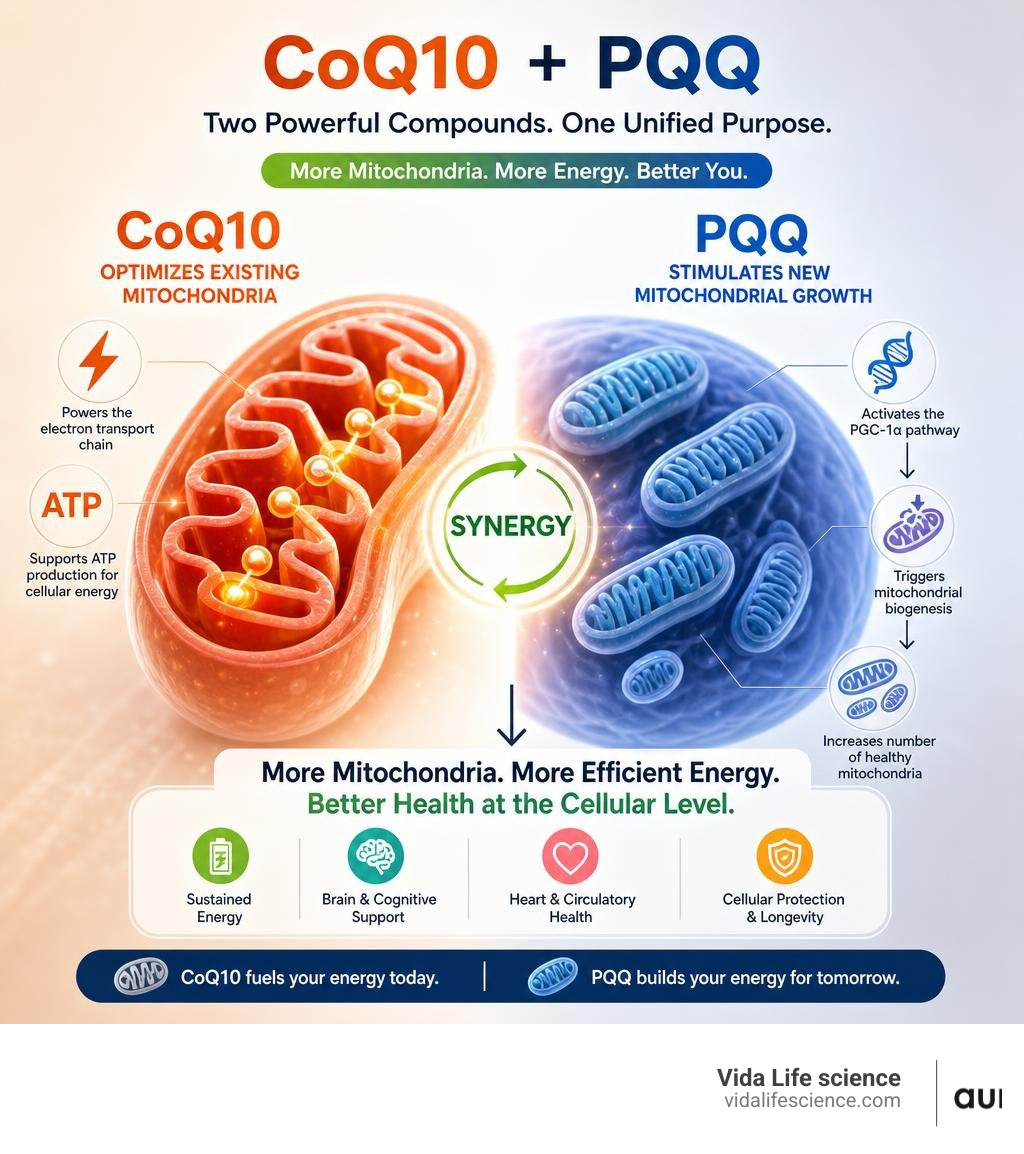
This is where our dynamic duo comes in. CoQ10 and PQQ act as the ultimate tag-team for cellular energy. While they both support the mitochondria, they do so through entirely different, highly complementary pathways.
How CoQ10 PQQ Support Cellular Energy Production
Let's look at the mechanics. Coenzyme Q10 (CoQ10) is a fat-soluble compound that lives inside the inner mitochondrial membrane. It serves as a vital mobile electron shuttle in the electron transport chain—the biological highway where cellular respiration takes place.
As electrons pass through this chain, CoQ10 moves them between complexes, facilitating the proton pumping required to generate ATP. Without enough CoQ10, the electron transport chain grinds to a halt, ATP production plummets, and the cell is left starved for energy.
Pyrroloquinoline quinone (PQQ), on the other hand, is a water-soluble compound that acts as an exceptionally potent enzymatic cofactor and antioxidant. While CoQ10 is busy shuffling electrons to keep the power running, PQQ works to protect the infrastructure and stimulate the creation of brand-new power plants.
Mitochondrial Biogenesis vs. Mitochondrial Optimization
The most exciting aspect of the coq10 pqq relationship is the division of labor between mitochondrial optimization and mitochondrial biogenesis:
-
CoQ10 (Optimization): CoQ10 focuses on making your existing mitochondria work as efficiently as possible. It ensures that the machinery runs smoothly and acts as a lipid-soluble antioxidant to neutralize the free radicals naturally generated during ATP production.
-
PQQ (Biogenesis): PQQ does something truly remarkable—it stimulates the growth of new mitochondria within aging cells. It does this by activating the PGC-1α (peroxisome proliferator-activated receptor-gamma coactivator-1alpha) pathway and prompting CREB (cAMP response element-binding protein) phosphorylation. This signaling cascade tells the cell to undergo mitochondrial biogenesis, literally growing new organelles from scratch.
By combining the two, you aren't just putting high-octane fuel into your current engine (CoQ10); you are building a larger, more powerful engine block at the same time (PQQ).
Key Health Benefits of Combining CoQ10 and PQQ
When you optimize your cellular power plants, the systemic benefits ripple across your entire body. High-energy organs—like your brain, heart, and muscles—reap the greatest rewards. Here is what the latest science as of 2026 tells us about this combination.
Cognitive Function and Neuroprotection
The human brain is an energy hog. Despite making up only about 2% of your total body weight, it consumes roughly 20% of your body's energy. Because of this massive metabolic demand, the brain is highly susceptible to mitochondrial decline and oxidative stress.
PQQ acts as a powerful neuroprotective agent. It stimulates the production of Nerve Growth Factor (NGF), a protein crucial for the growth, maintenance, and survival of neurons. Additionally, PQQ helps protect brain cells from glutamate-induced excitotoxicity by modulating NMDA receptors.
When paired with CoQ10, the cognitive benefits are amplified. In a landmark 2016 randomized controlled trial, researchers found that PQQ supplementation (at 20 mg/day) significantly improved memory, attention, and cognitive function in middle-aged and older adults. Animal studies have also shown that while both compounds individually support learning, the combination of PQQ and CoQ10 markedly improves memory retention under conditions of high oxidative stress.
For those looking to target cognitive longevity specifically, combining these two nutrients is a popular choice for daily brain support.
Cardiovascular Health and Blood Pressure Regulation
Your heart is another organ that never takes a day off, requiring a continuous, massive supply of ATP to pump blood. It is no surprise, then, that the heart contains some of the highest concentrations of CoQ10 in the body.
The cardiovascular benefits of CoQ10 are backed by robust clinical evidence. The famous Q-SYMBIO trial found that CoQ10 supplementation (at 300 mg/day) significantly reduced major adverse cardiovascular events and mortality in heart failure patients. Furthermore, comprehensive meta-analyses have confirmed that CoQ10 supplementation reduces blood pressure by an average of 11/7 mmHg, helping to support healthy endothelial function and arterial flexibility.
Adding PQQ to this regimen provides a second layer of defense. PQQ's extraordinary antioxidant capacity allows it to cycle up to 20,000 times before being destroyed (compared to standard antioxidants like vitamin C, which are neutralized after a single reaction). This relentless radical-scavenging ability protects the delicate blood vessels and cardiac tissues from oxidative damage.
For deep cardiovascular and metabolic support, many individuals turn to high-potency stacks that combine CoQ10 and PQQ with other synergistic nutrients like L-Carnitine to maximize cellular energy production.
If you frequently wake up feeling exhausted, experience post-exertional crashes, or struggle with the physical toll of aging, your mitochondria may be crying out for help.

Chronic fatigue conditions, including Myalgic Encephalomyelitis/Chronic Fatigue Syndrome (ME/CFS) and post-viral syndromes like Long COVID, are increasingly understood as disorders of mitochondrial dysfunction. A pivotal 2009 study identified a significant, widespread CoQ10 deficiency in ME/CFS patients, showing that lower plasma levels of CoQ10 were directly correlated with increased fatigue severity.
When cellular energy production is compromised, even minor physical or mental tasks can trigger severe symptom exacerbations (known as post-exertional malaise). By combining CoQ10's electron-shuttling efficiency with PQQ's ability to build new mitochondria, individuals struggling with chronic fatigue can help raise their "crash threshold," giving their bodies a more resilient energy reserve.
While the benefits of coq10 pqq are clear, there is a major catch: standard supplements are notoriously difficult for the body to absorb.
Standard, crystalline CoQ10 has a massive molecular weight and does not dissolve easily in water. In fact, standard CoQ10 supplements have an average absorption rate of only about 3%. If you are taking a basic dry capsule, most of the active ingredient simply passes through your digestive tract unused.
Ubiquinol vs. Ubiquinone
When shopping for CoQ10, you will run into two primary forms: Ubiquinone and Ubiquinol.
| Feature |
Ubiquinone |
Ubiquinol |
| Form |
Oxidized form |
Reduced (active) form |
| Bioavailability |
Lower (requires conversion by the body) |
Significantly higher (directly absorbed) |
| Best For |
Adults under 40 with healthy conversion |
Adults over 40, or those with chronic fatigue |
| Cost |
Generally more affordable |
Premium pricing |
Because your body must convert ubiquinone into ubiquinol to use it, and because this conversion capacity declines as we age, ubiquinol is highly preferred for older adults and those managing chronic energy deficits. A 2013 clinical study demonstrated that ubiquinol raised plasma CoQ10 levels from 0.9 to 4.3 μg/ml after four weeks, compared to just 2.5 μg/ml for standard ubiquinone.
Clinical Evidence for CoQ10 PQQ Supplementation
To overcome these physical limitations, researchers and manufacturers have developed advanced delivery systems. Clinical trials often use specialized raw materials or structural enhancements to make these compounds more soluble.
For example, clinical studies on PQQ typically utilize highly pure, naturally fermented forms like BioPQQ® or PurQQ® (which is U.S. GRAS-Notified) at doses of 10 to 20 mg daily. These are often paired with stabilized ubiquinol or specialized CoQ10 forms to ensure maximum cellular uptake, as highlighted in this clinical study on CoQ10 and PQQ bioavailability.
If you are looking for professional-grade options, we distribute a highly specialized liposomal CoQ10 and PQQ formulation designed to maximize systemic delivery.
Liposomal Delivery and Absorption Breakthroughs
The absolute gold standard for nutrient absorption is liposomal encapsulation technology.
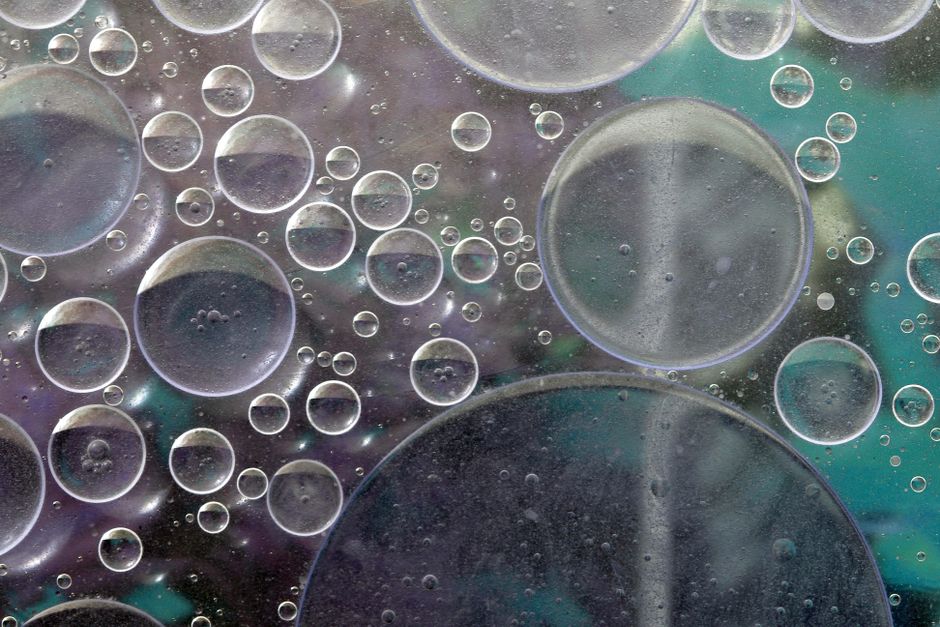
Liposomes are microscopic, double-layered spheres made from natural phospholipids (like phosphatidylcholine)—the exact same material that makes up your own cellular membranes. By wrapping hydrophobic compounds like CoQ10 and delicate molecules like PQQ in these protective lipid bubbles, we can shield them from the harsh environment of the stomach and digestive enzymes.
When you take a liposomal supplement, the liposomes fuse directly with the cells of your small intestine, releasing the active coq10 pqq directly into your bloodstream. This bypasses the traditional barriers to absorption, offering several key advantages:
-
Unmatched Bioavailability: Bypasses the 3% absorption limit of standard powders.
-
Gentle on the Stomach: Eliminates the digestive upset often caused by high-dose crystalline supplements.
-
Sustained Release: Provides a steady, prolonged release of nutrients into the plasma.
To learn more about how this works, you can explore the science of liposomal delivery on our dedicated educational page.
Frequently Asked Questions about Mitochondrial Support
What are the side effects of these cellular antioxidants?
Both CoQ10 and PQQ have excellent safety profiles and are very well tolerated by the vast majority of people. Because they are natural compounds your body already recognizes, side effects are rare.
Some individuals may experience mild digestive upset or temporary nausea if taking large doses on an empty stomach. Because these compounds naturally boost cellular energy, taking them late in the evening can occasionally cause mild insomnia or restlessness. We always recommend taking your mitochondrial stack in the morning with breakfast. As a precaution, pregnant or breastfeeding individuals should avoid PQQ supplements, as long-term safety data for these specific groups is still limited.
Can I take these supplements with statins?
Yes—and in fact, if you are on a statin, CoQ10 supplementation is highly recommended. Statins work by blocking the HMG-CoA reductase pathway to lower cholesterol. However, this is the exact same pathway your body uses to synthesize CoQ10.
As a result, statins can reduce your natural CoQ10 levels by up to 40%, which is a primary cause of statin-induced myalgia (muscle pain and weakness). Supplementing with a minimum of 100–200 mg/day of CoQ10 can help restore these levels and alleviate muscle discomfort.
Note on drug interactions: CoQ10 has a chemical structure similar to Vitamin K and can occasionally decrease the effectiveness of blood-thinning medications like Warfarin. If you are taking blood thinners, consult your healthcare provider to monitor your INR levels.
How does Liposomal CoQ10 PQQ compare to traditional supplements?
Traditional capsules and softgels rely on your digestive tract to break down large, crystalline structures, resulting in poor oral bioavailability and wasted nutrients. Liposomal delivery, by contrast, wraps the active compounds in a protective phospholipid bilayer. This allows the nutrients to slide easily through your digestive system and absorb directly into your cells, giving you significantly higher plasma levels with smaller, more efficient doses.
Conclusion
When it comes to longevity, mental clarity, and daily vitality, everything comes down to your mitochondria. If your cellular power plants are running cold, your entire body feels the chill.
By combining coq10 pqq, you are giving your cells the ultimate dual-action toolkit: CoQ10 to optimize and protect your existing energy machinery, and PQQ to spark the growth of fresh, youthful mitochondria.
At Vida Life Science, we believe you shouldn't have to waste money on supplements your body can't absorb. That is why we partner with Aurora Nutrascience to bring you the highest-quality, clinically backed liposomal formulations on the market. Ready to upgrade your cellular energy? Explore Vida Life Science's clinical capsule line and experience the difference that true liposomal absorption can make.


In-Depth Guide to CoQ10 PQQ Comparison
Why CoQ10 PQQ Is One of the Most Powerful Supplement Combinations for Cellular Energy
CoQ10 PQQ is a supplement pairing that targets mitochondrial health from two complementary angles — and it's quickly becoming one of the most talked-about stacks in longevity and energy support.
Here's the quick answer:
Together, they address the root cause of fatigue, brain fog, and age-related decline at the cellular level.
Your body makes both compounds naturally. But by age 65, CoQ10 levels can drop by roughly 50% compared to peak levels in your mid-20s. PQQ, while found in some foods, is present in amounts far too small to produce a meaningful effect — supplements contain about 250 times more than dietary sources.
The result? Millions of people are running on depleted cellular energy and don't know why.
At Vida Life Science, we've built our product line around solving exactly this problem — using Aurora Nutrascience's advanced liposomal delivery technology to make CoQ10 PQQ supplements genuinely absorbable, not just label-deep. In the sections below, we'll walk you through the science, the evidence, and how to choose the right formula for your needs.
The Synergistic Power of CoQ10 PQQ for Mitochondrial Health
To understand why the combination of coq10 pqq is so highly regarded, we have to shrink down and look inside our cells. Almost every cell in the human body relies on tiny, bean-shaped power plants called mitochondria. These organelles are responsible for generating adenosine triphosphate (ATP), the primary energy currency of life.
When your mitochondria are healthy and abundant, you feel vibrant, sharp, and resilient. When they slow down or suffer damage, you experience cellular fatigue, brain fog, and accelerated aging. This cellular deterioration is a hallmark of many modern health issues, as detailed in this clinical study on mitochondrial support.
This is where our dynamic duo comes in. CoQ10 and PQQ act as the ultimate tag-team for cellular energy. While they both support the mitochondria, they do so through entirely different, highly complementary pathways.
How CoQ10 PQQ Support Cellular Energy Production
Let's look at the mechanics. Coenzyme Q10 (CoQ10) is a fat-soluble compound that lives inside the inner mitochondrial membrane. It serves as a vital mobile electron shuttle in the electron transport chain—the biological highway where cellular respiration takes place.
As electrons pass through this chain, CoQ10 moves them between complexes, facilitating the proton pumping required to generate ATP. Without enough CoQ10, the electron transport chain grinds to a halt, ATP production plummets, and the cell is left starved for energy.
Pyrroloquinoline quinone (PQQ), on the other hand, is a water-soluble compound that acts as an exceptionally potent enzymatic cofactor and antioxidant. While CoQ10 is busy shuffling electrons to keep the power running, PQQ works to protect the infrastructure and stimulate the creation of brand-new power plants.
Mitochondrial Biogenesis vs. Mitochondrial Optimization
The most exciting aspect of the coq10 pqq relationship is the division of labor between mitochondrial optimization and mitochondrial biogenesis:
By combining the two, you aren't just putting high-octane fuel into your current engine (CoQ10); you are building a larger, more powerful engine block at the same time (PQQ).
Key Health Benefits of Combining CoQ10 and PQQ
When you optimize your cellular power plants, the systemic benefits ripple across your entire body. High-energy organs—like your brain, heart, and muscles—reap the greatest rewards. Here is what the latest science as of 2026 tells us about this combination.
Cognitive Function and Neuroprotection
The human brain is an energy hog. Despite making up only about 2% of your total body weight, it consumes roughly 20% of your body's energy. Because of this massive metabolic demand, the brain is highly susceptible to mitochondrial decline and oxidative stress.
PQQ acts as a powerful neuroprotective agent. It stimulates the production of Nerve Growth Factor (NGF), a protein crucial for the growth, maintenance, and survival of neurons. Additionally, PQQ helps protect brain cells from glutamate-induced excitotoxicity by modulating NMDA receptors.
When paired with CoQ10, the cognitive benefits are amplified. In a landmark 2016 randomized controlled trial, researchers found that PQQ supplementation (at 20 mg/day) significantly improved memory, attention, and cognitive function in middle-aged and older adults. Animal studies have also shown that while both compounds individually support learning, the combination of PQQ and CoQ10 markedly improves memory retention under conditions of high oxidative stress.
For those looking to target cognitive longevity specifically, combining these two nutrients is a popular choice for daily brain support.
Cardiovascular Health and Blood Pressure Regulation
Your heart is another organ that never takes a day off, requiring a continuous, massive supply of ATP to pump blood. It is no surprise, then, that the heart contains some of the highest concentrations of CoQ10 in the body.
The cardiovascular benefits of CoQ10 are backed by robust clinical evidence. The famous Q-SYMBIO trial found that CoQ10 supplementation (at 300 mg/day) significantly reduced major adverse cardiovascular events and mortality in heart failure patients. Furthermore, comprehensive meta-analyses have confirmed that CoQ10 supplementation reduces blood pressure by an average of 11/7 mmHg, helping to support healthy endothelial function and arterial flexibility.
Adding PQQ to this regimen provides a second layer of defense. PQQ's extraordinary antioxidant capacity allows it to cycle up to 20,000 times before being destroyed (compared to standard antioxidants like vitamin C, which are neutralized after a single reaction). This relentless radical-scavenging ability protects the delicate blood vessels and cardiac tissues from oxidative damage.
For deep cardiovascular and metabolic support, many individuals turn to high-potency stacks that combine CoQ10 and PQQ with other synergistic nutrients like L-Carnitine to maximize cellular energy production.
Combating Fatigue and Age-Related Decline
If you frequently wake up feeling exhausted, experience post-exertional crashes, or struggle with the physical toll of aging, your mitochondria may be crying out for help.
Chronic fatigue conditions, including Myalgic Encephalomyelitis/Chronic Fatigue Syndrome (ME/CFS) and post-viral syndromes like Long COVID, are increasingly understood as disorders of mitochondrial dysfunction. A pivotal 2009 study identified a significant, widespread CoQ10 deficiency in ME/CFS patients, showing that lower plasma levels of CoQ10 were directly correlated with increased fatigue severity.
When cellular energy production is compromised, even minor physical or mental tasks can trigger severe symptom exacerbations (known as post-exertional malaise). By combining CoQ10's electron-shuttling efficiency with PQQ's ability to build new mitochondria, individuals struggling with chronic fatigue can help raise their "crash threshold," giving their bodies a more resilient energy reserve.
Bioavailability, Dosage, and Formulations
While the benefits of coq10 pqq are clear, there is a major catch: standard supplements are notoriously difficult for the body to absorb.
Standard, crystalline CoQ10 has a massive molecular weight and does not dissolve easily in water. In fact, standard CoQ10 supplements have an average absorption rate of only about 3%. If you are taking a basic dry capsule, most of the active ingredient simply passes through your digestive tract unused.
Ubiquinol vs. Ubiquinone
When shopping for CoQ10, you will run into two primary forms: Ubiquinone and Ubiquinol.
Because your body must convert ubiquinone into ubiquinol to use it, and because this conversion capacity declines as we age, ubiquinol is highly preferred for older adults and those managing chronic energy deficits. A 2013 clinical study demonstrated that ubiquinol raised plasma CoQ10 levels from 0.9 to 4.3 μg/ml after four weeks, compared to just 2.5 μg/ml for standard ubiquinone.
Clinical Evidence for CoQ10 PQQ Supplementation
To overcome these physical limitations, researchers and manufacturers have developed advanced delivery systems. Clinical trials often use specialized raw materials or structural enhancements to make these compounds more soluble.
For example, clinical studies on PQQ typically utilize highly pure, naturally fermented forms like BioPQQ® or PurQQ® (which is U.S. GRAS-Notified) at doses of 10 to 20 mg daily. These are often paired with stabilized ubiquinol or specialized CoQ10 forms to ensure maximum cellular uptake, as highlighted in this clinical study on CoQ10 and PQQ bioavailability.
If you are looking for professional-grade options, we distribute a highly specialized liposomal CoQ10 and PQQ formulation designed to maximize systemic delivery.
Liposomal Delivery and Absorption Breakthroughs
The absolute gold standard for nutrient absorption is liposomal encapsulation technology.
Liposomes are microscopic, double-layered spheres made from natural phospholipids (like phosphatidylcholine)—the exact same material that makes up your own cellular membranes. By wrapping hydrophobic compounds like CoQ10 and delicate molecules like PQQ in these protective lipid bubbles, we can shield them from the harsh environment of the stomach and digestive enzymes.
When you take a liposomal supplement, the liposomes fuse directly with the cells of your small intestine, releasing the active coq10 pqq directly into your bloodstream. This bypasses the traditional barriers to absorption, offering several key advantages:
To learn more about how this works, you can explore the science of liposomal delivery on our dedicated educational page.
Frequently Asked Questions about Mitochondrial Support
What are the side effects of these cellular antioxidants?
Both CoQ10 and PQQ have excellent safety profiles and are very well tolerated by the vast majority of people. Because they are natural compounds your body already recognizes, side effects are rare.
Some individuals may experience mild digestive upset or temporary nausea if taking large doses on an empty stomach. Because these compounds naturally boost cellular energy, taking them late in the evening can occasionally cause mild insomnia or restlessness. We always recommend taking your mitochondrial stack in the morning with breakfast. As a precaution, pregnant or breastfeeding individuals should avoid PQQ supplements, as long-term safety data for these specific groups is still limited.
Can I take these supplements with statins?
Yes—and in fact, if you are on a statin, CoQ10 supplementation is highly recommended. Statins work by blocking the HMG-CoA reductase pathway to lower cholesterol. However, this is the exact same pathway your body uses to synthesize CoQ10.
As a result, statins can reduce your natural CoQ10 levels by up to 40%, which is a primary cause of statin-induced myalgia (muscle pain and weakness). Supplementing with a minimum of 100–200 mg/day of CoQ10 can help restore these levels and alleviate muscle discomfort.
Note on drug interactions: CoQ10 has a chemical structure similar to Vitamin K and can occasionally decrease the effectiveness of blood-thinning medications like Warfarin. If you are taking blood thinners, consult your healthcare provider to monitor your INR levels.
How does Liposomal CoQ10 PQQ compare to traditional supplements?
Traditional capsules and softgels rely on your digestive tract to break down large, crystalline structures, resulting in poor oral bioavailability and wasted nutrients. Liposomal delivery, by contrast, wraps the active compounds in a protective phospholipid bilayer. This allows the nutrients to slide easily through your digestive system and absorb directly into your cells, giving you significantly higher plasma levels with smaller, more efficient doses.
Conclusion
When it comes to longevity, mental clarity, and daily vitality, everything comes down to your mitochondria. If your cellular power plants are running cold, your entire body feels the chill.
By combining coq10 pqq, you are giving your cells the ultimate dual-action toolkit: CoQ10 to optimize and protect your existing energy machinery, and PQQ to spark the growth of fresh, youthful mitochondria.
At Vida Life Science, we believe you shouldn't have to waste money on supplements your body can't absorb. That is why we partner with Aurora Nutrascience to bring you the highest-quality, clinically backed liposomal formulations on the market. Ready to upgrade your cellular energy? Explore Vida Life Science's clinical capsule line and experience the difference that true liposomal absorption can make.