Independent Glutathione Testing: What Consumers Should Know
If you're researching liposomal glutathione supplements, here is the short answer:
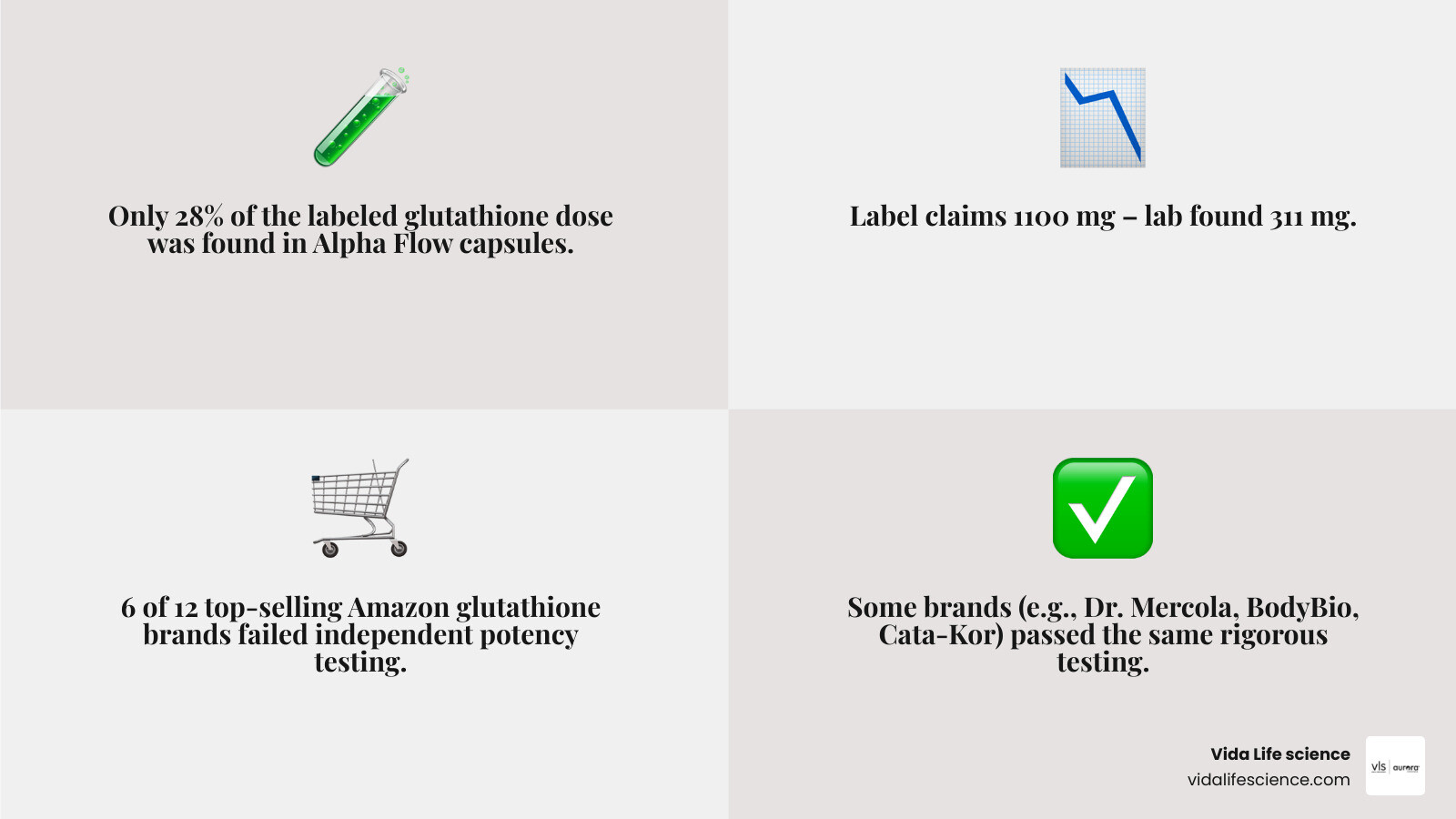
Some high-dose glutathione products fail independent lab testing. In one marketplace audit, a product claiming 1100 mg of glutathione per serving was found by independent HPLC analysis to contain only 311 mg — less than 30% of the label claim.
| What the Label Claimed |
What Lab Testing Found |
% of Label Claim Delivered |
| 1100 mg L-Glutathione |
311 mg L-Glutathione |
~28% |
Key takeaways at a glance:
- Independent testing showed that not every high-dose liposomal glutathione label claim matched the tested potency
- Six out of twelve top-selling marketplace glutathione brands failed to meet their stated potency claims
- Consumer sentiment scores can be high, but reviews do not measure actual ingredient content
- Only half of the products evaluated in the audit met their stated potency claims
Glutathione is often called the body's "master antioxidant." It protects your cells from oxidative damage, supports immune function, and helps recycle other antioxidants like vitamins C and E. When you pay for a high-dose liposomal supplement, you expect to actually get that dose.
The problem? A growing number of supplements sold through large online marketplaces are not delivering what their labels promise.
At Vida Life Science, we are a US-based distributor specializing exclusively in advanced liposomal nutrition technology, and we have spent years evaluating what separates genuine high-absorption glutathione formulas from misleading label claims. Our experience with phosphatidylcholine-based liposomal delivery gives us a clear benchmark for what a verified, potent glutathione supplement should look like.
Liposomal Glutathione Ingredients and Label Claims

When examining supplement containers and marketing materials, many liposomal glutathione products present an impressive front. Some are promoted across e-commerce channels with high-potency antioxidant-complex claims per serving.
According to one supplement facts panel reviewed in the audit, a two-capsule serving promised:
-
1100 mg of Reduced L-Glutathione: The active tripeptide designed to combat systemic oxidative stress and support healthy organ function.
-
Phospholipid Complex: Intended to form protective liposomes around the active ingredient to navigate gastric fluids unharmed.
-
Vitamin C: Included as a complementary antioxidant co-factor to aid in cellular protection and help recycle glutathione within tissues.
These products may also claim veggie capsules, easy swallowability, and freedom from common major allergens including soy, gluten, dairy, and artificial additives. On paper, that can look like everything a health-conscious consumer might search for in an oral master antioxidant product.
Why Customer Reviews Are Not Enough
If you look exclusively at customer ratings online, you might assume a popular glutathione supplement is a top-tier choice. Aggregated consumer-review platforms often report strong positive sentiment for capsule comfort, digestion, and perceived wellness benefits.
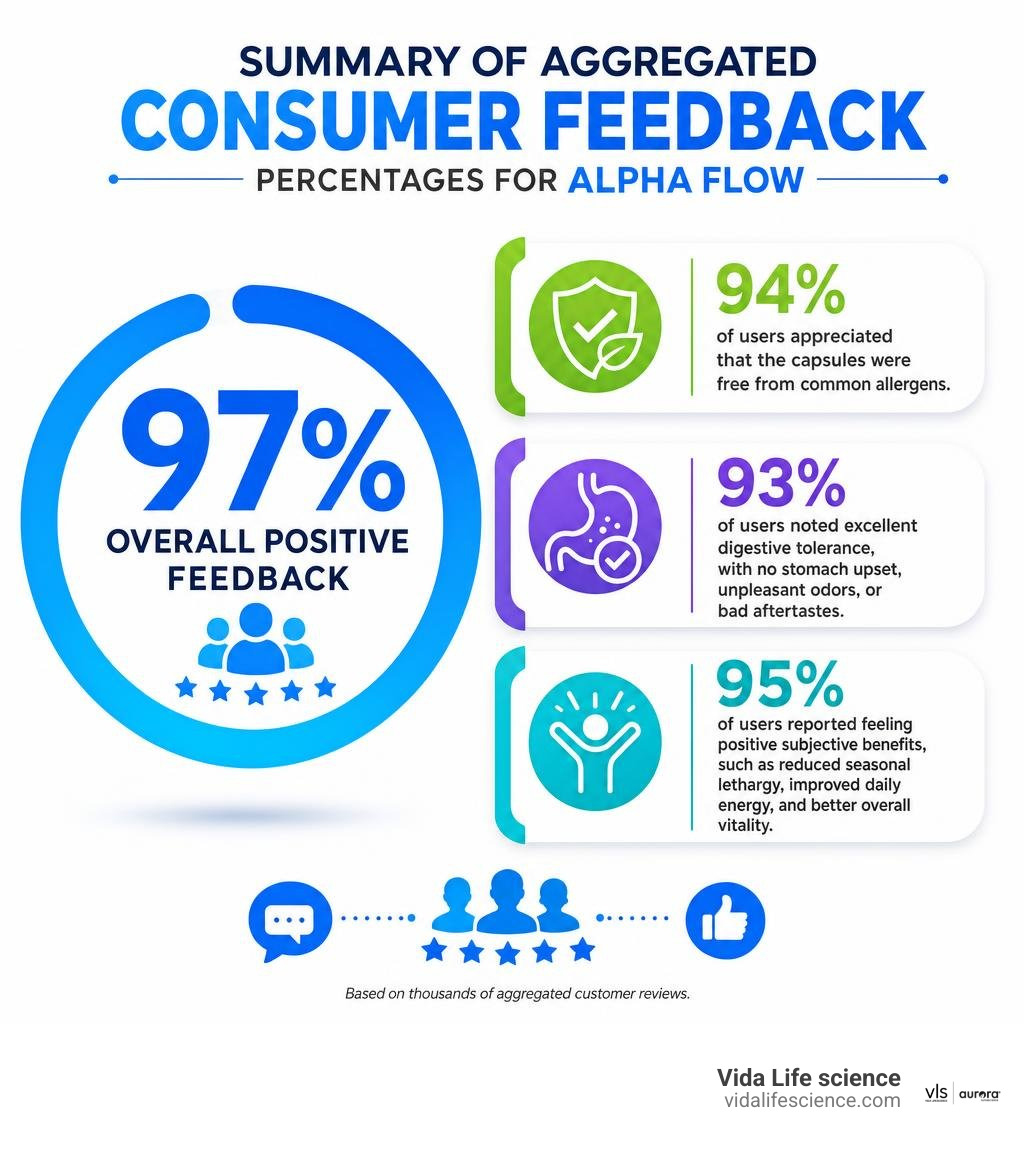
When analyzing real-world customer sentiment, several clear trends often emerge:
- Users may appreciate that capsules are free from common allergens.
- Users may note good digestive tolerance, including an absence of stomach upset, unpleasant odors, or bad aftertastes.
- Users may report subjective benefits, such as improved daily energy and better overall vitality.
These reviews can show that users enjoy taking a product. Capsules that are smooth, easy to digest, and allergen-free will naturally earn glowing feedback. However, subjective customer reviews cannot measure sub-gram molecular concentrations in a capsule. To verify whether the physical capsule actually holds what the print on the bottle asserts, high-precision laboratory equipment is required.
Independent Lab Testing: Do Potency Claims Hold Up?
To investigate the true chemical composition of popular online supplements, recent marketplace audits commissioned independent third-party laboratory evaluations across twelve top-selling glutathione supplements, as reported by Nutraceutical Business Review.
Products were purchased through a major online marketplace and submitted to ISO 17025-accredited facilities, including Swift Laboratory. The scientific standard for measuring reduced L-glutathione concentration is High-Performance Liquid Chromatography (HPLC). HPLC isolates, identifies, and quantifies active compounds in a formula with high accuracy.
The audit revealed widespread quality control failures across popular marketplace choices:
-
6 out of 12 brands failed to meet their stated label potency claims.
- Multiple products contained practically zero detectable glutathione despite claiming high-potency dosages over 1000 mg.
- Some products claiming 1000 mg or more returned under 20 mg (<2% yield), while others delivered only a tiny fraction of their claimed dose.
Detailed Assay Findings
When one high-dose liposomal glutathione supplement was subjected to HPLC quantitative analysis, the laboratory results were stark.
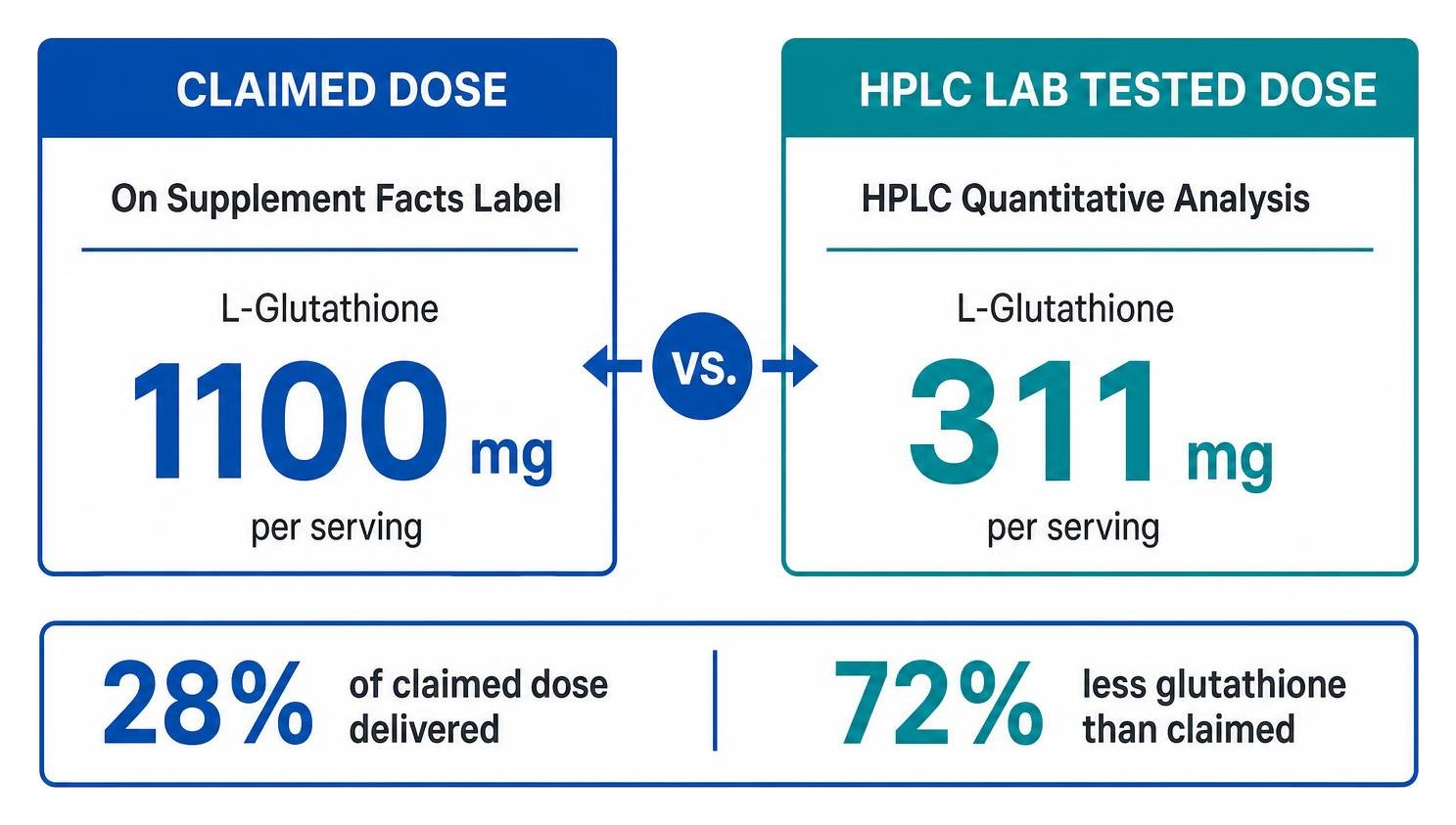
Despite advertising 1100 mg of L-Glutathione on the supplement facts panel, HPLC testing quantified the actual active ingredient at just 311 mg per serving.
This represents a major deficit: the tested product delivered less than 30% of the glutathione promised on its label. More than 70% of the active ingredient advertised was absent from the finished capsule.
While delivering 311 mg is technically better than products that contained zero active ingredients, it remains a serious quality issue. Consumers paying a premium for a high-dose 1100 mg liposomal formulation may receive less than one-third of the active tripeptide they expected.
Why Bioavailability and Liposomal Delivery Matter for Master Antioxidants
Understanding why high-quality delivery mechanisms matter starts with knowing what glutathione is and why you need it. Composed of three key amino acids — cysteine, glycine, and glutamic acid — glutathione serves as your body's primary endogenous cellular protector. It neutralizes reactive oxygen species (ROS), protects cell membranes from lipid peroxidation, supports liver detoxification pathways, and maintains mitochondrial function.
However, oral glutathione faces a steep biological obstacle: standard, unencapsulated glutathione is rapidly broken down by gastric acid and digestive enzymes in the stomach before it can ever reach the bloodstream.
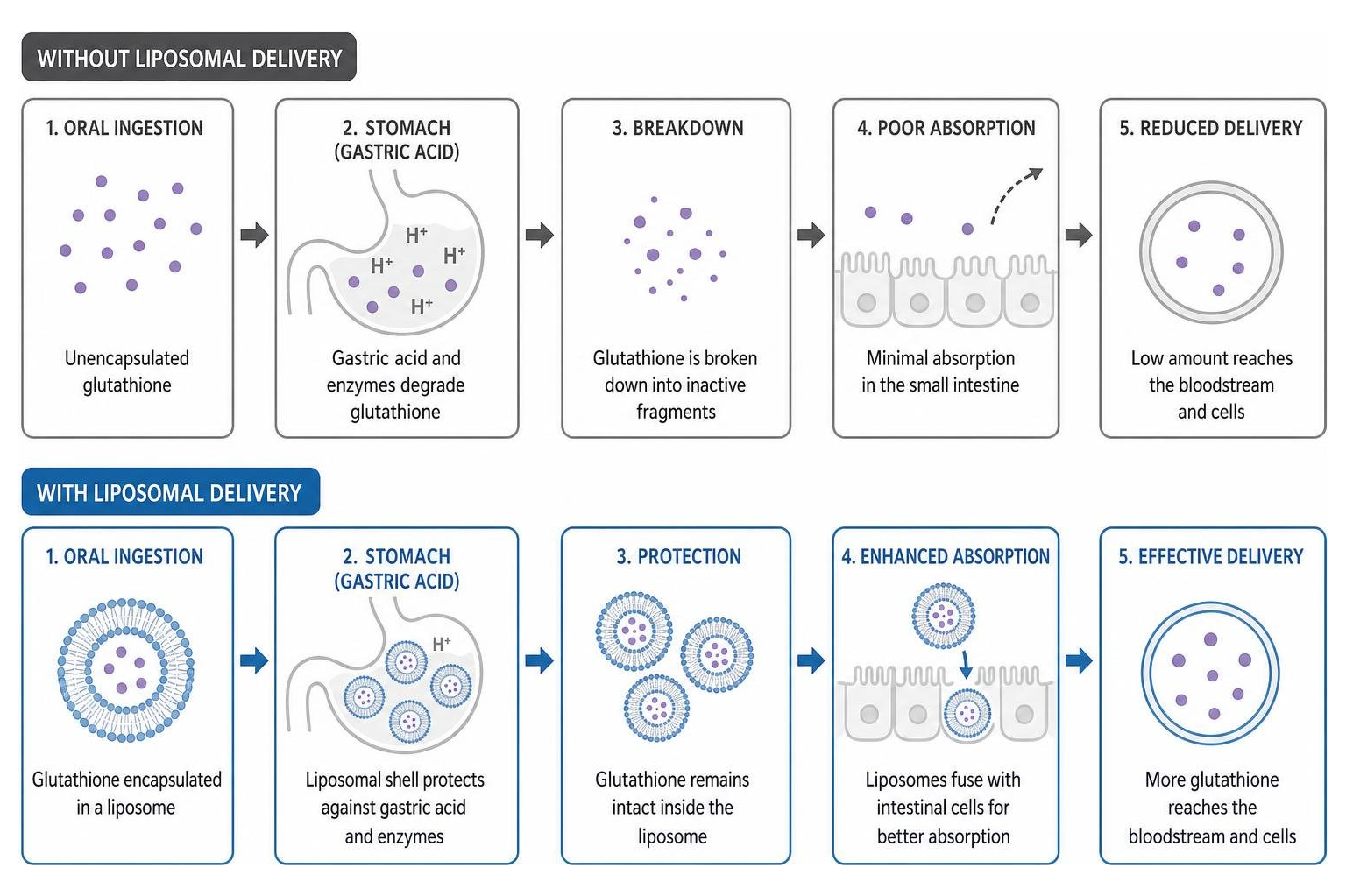
This is why liposomal encapsulation technology is so critical. Authentic liposomal delivery encapsulates active nutrients inside microscopic phospholipid spheres (liposomes). These lipid bilayers mimic human cellular membranes, protecting the delicate payload through harsh digestive environments and facilitating superior absorption directly into the bloodstream and target cells.
When you explore unleashing the power of liposomal glutathione, true liposomal technology allows lower total oral doses to achieve significantly higher plasma concentration levels compared to unencapsulated powders. But for liposomal delivery to perform as intended, two conditions must be met:
- The raw starting dose of glutathione must actually be present in the product as claimed.
- The phospholipids must form true, stable liposomal structures rather than simple dry lipid blends.
When a supplement falls short on both ingredient potency and delivery verification, consumers lose out on the therapeutic antioxidant protection they are seeking.
How to Choose a Potent and Reliable Liposomal Glutathione Supplement
Navigating online retail platforms requires a discerning eye. To protect your health investment and ensure you receive an effective product, keep this checklist in mind when evaluating any liposomal supplement:
-
Demand Third-Party ISO 17025 Testing: Never rely solely on marketing claims printed on a bottle or marketplace bullet points. Look for brands that routinely submit finished lots to accredited third-party testing laboratories.
-
Verify Published Certificates of Analysis (CoA): Transparent manufacturers openly publish lot-specific CoAs that explicitly display HPLC assay results for active ingredient potency, heavy metals, microbial safety, and solvent purity.
-
Insist on cGMP-Certified Facilities: Ensure the product is manufactured in a facility adhering to current Good Manufacturing Practices (cGMP) enforced by regulatory bodies in the USA or Canada.
-
Look for True Liquid or Phosphatidylcholine-Based Liposomes: Dry powder blends labeled as "liposomal complex" often fail to form functional liposomes upon digestion. Liquid liposomal formulas or verified liquid-filled delivery systems provide far more consistent phospholipid bilayer structures.
-
Evaluate Dose per Serving Transparency: Ensure active ingredient weights are disclosed individually, rather than grouped inside undisclosed proprietary blends or combined phospholipid complex weights.
Investing time in selecting verified products ensures you receive authentic cellular protection. Learn more about selecting optimal cellular nutrients in our guide on antioxidants for a healthier you and how systemic redox balance aids long-term longevity in our analysis of glutathione NAD cellular support.
Frequently Asked Questions About Glutathione Supplements
Are liposomal glutathione supplements third-party lab tested for purity and dosage?
Some brands publish third-party testing, but not all products meet their label claims when independently evaluated. In one ISO-accredited lab assay, a glutathione product tested at only 311 mg of L-glutathione per serving compared to an advertised 1100 mg.
HPLC is the recognized gold standard analytical chemistry method for separating, identifying, and measuring active components in a mixture. In dietary supplements, HPLC isolates reduced L-glutathione from other inactive ingredients or lipid carriers to measure its exact potency in milligrams per serving.
Are liposomal glutathione supplements safe for daily use?
Yes, oral reduced glutathione is generally considered safe for daily dietary supplementation and exhibits very low toxicity. Standard doses typically range between 250 mg and 1000 mg per day. Minor, temporary side effects can occasionally include mild digestive upset or skin rashes. Individuals who are pregnant, nursing, or diagnosed with active asthma should consult their primary healthcare physician prior to starting supplementation.
Conclusion
Independent liposomal glutathione testing demonstrates a clear disparity between customer satisfaction scores and verified chemical potency. While some products earn high praise from users for stomach comfort and ease of use, third-party laboratory HPLC testing can reveal that the actual active glutathione content is far below the amount advertised.
In an online marketplace crowded with unverified claims, basic customer satisfaction is simply not enough. You deserve total transparency, verified ingredient purity, and liposomal delivery systems that genuinely deliver on their promises.
At Vida Life Science, we believe accurate labeling and scientific rigor should be the standard for every nutritional supplement. To learn how engineered lipid delivery technology shields delicate compounds and maximizes cellular uptake, discover what makes Aurora Nutrascience liposomal supplements different and elevate your daily health regimen with nutrition you can trust.


Independent Liposomal Glutathione Testing: What Consumers Should Know
Independent Glutathione Testing: What Consumers Should Know
If you're researching liposomal glutathione supplements, here is the short answer:
Some high-dose glutathione products fail independent lab testing. In one marketplace audit, a product claiming 1100 mg of glutathione per serving was found by independent HPLC analysis to contain only 311 mg — less than 30% of the label claim.
Key takeaways at a glance:
Glutathione is often called the body's "master antioxidant." It protects your cells from oxidative damage, supports immune function, and helps recycle other antioxidants like vitamins C and E. When you pay for a high-dose liposomal supplement, you expect to actually get that dose.
The problem? A growing number of supplements sold through large online marketplaces are not delivering what their labels promise.
At Vida Life Science, we are a US-based distributor specializing exclusively in advanced liposomal nutrition technology, and we have spent years evaluating what separates genuine high-absorption glutathione formulas from misleading label claims. Our experience with phosphatidylcholine-based liposomal delivery gives us a clear benchmark for what a verified, potent glutathione supplement should look like.
Liposomal Glutathione Ingredients and Label Claims
When examining supplement containers and marketing materials, many liposomal glutathione products present an impressive front. Some are promoted across e-commerce channels with high-potency antioxidant-complex claims per serving.
According to one supplement facts panel reviewed in the audit, a two-capsule serving promised:
These products may also claim veggie capsules, easy swallowability, and freedom from common major allergens including soy, gluten, dairy, and artificial additives. On paper, that can look like everything a health-conscious consumer might search for in an oral master antioxidant product.
Why Customer Reviews Are Not Enough
If you look exclusively at customer ratings online, you might assume a popular glutathione supplement is a top-tier choice. Aggregated consumer-review platforms often report strong positive sentiment for capsule comfort, digestion, and perceived wellness benefits.
When analyzing real-world customer sentiment, several clear trends often emerge:
These reviews can show that users enjoy taking a product. Capsules that are smooth, easy to digest, and allergen-free will naturally earn glowing feedback. However, subjective customer reviews cannot measure sub-gram molecular concentrations in a capsule. To verify whether the physical capsule actually holds what the print on the bottle asserts, high-precision laboratory equipment is required.
Independent Lab Testing: Do Potency Claims Hold Up?
To investigate the true chemical composition of popular online supplements, recent marketplace audits commissioned independent third-party laboratory evaluations across twelve top-selling glutathione supplements, as reported by Nutraceutical Business Review.
Products were purchased through a major online marketplace and submitted to ISO 17025-accredited facilities, including Swift Laboratory. The scientific standard for measuring reduced L-glutathione concentration is High-Performance Liquid Chromatography (HPLC). HPLC isolates, identifies, and quantifies active compounds in a formula with high accuracy.
The audit revealed widespread quality control failures across popular marketplace choices:
Detailed Assay Findings
When one high-dose liposomal glutathione supplement was subjected to HPLC quantitative analysis, the laboratory results were stark.
Despite advertising 1100 mg of L-Glutathione on the supplement facts panel, HPLC testing quantified the actual active ingredient at just 311 mg per serving.
This represents a major deficit: the tested product delivered less than 30% of the glutathione promised on its label. More than 70% of the active ingredient advertised was absent from the finished capsule.
While delivering 311 mg is technically better than products that contained zero active ingredients, it remains a serious quality issue. Consumers paying a premium for a high-dose 1100 mg liposomal formulation may receive less than one-third of the active tripeptide they expected.
Why Bioavailability and Liposomal Delivery Matter for Master Antioxidants
Understanding why high-quality delivery mechanisms matter starts with knowing what glutathione is and why you need it. Composed of three key amino acids — cysteine, glycine, and glutamic acid — glutathione serves as your body's primary endogenous cellular protector. It neutralizes reactive oxygen species (ROS), protects cell membranes from lipid peroxidation, supports liver detoxification pathways, and maintains mitochondrial function.
However, oral glutathione faces a steep biological obstacle: standard, unencapsulated glutathione is rapidly broken down by gastric acid and digestive enzymes in the stomach before it can ever reach the bloodstream.
This is why liposomal encapsulation technology is so critical. Authentic liposomal delivery encapsulates active nutrients inside microscopic phospholipid spheres (liposomes). These lipid bilayers mimic human cellular membranes, protecting the delicate payload through harsh digestive environments and facilitating superior absorption directly into the bloodstream and target cells.
When you explore unleashing the power of liposomal glutathione, true liposomal technology allows lower total oral doses to achieve significantly higher plasma concentration levels compared to unencapsulated powders. But for liposomal delivery to perform as intended, two conditions must be met:
When a supplement falls short on both ingredient potency and delivery verification, consumers lose out on the therapeutic antioxidant protection they are seeking.
How to Choose a Potent and Reliable Liposomal Glutathione Supplement
Navigating online retail platforms requires a discerning eye. To protect your health investment and ensure you receive an effective product, keep this checklist in mind when evaluating any liposomal supplement:
Investing time in selecting verified products ensures you receive authentic cellular protection. Learn more about selecting optimal cellular nutrients in our guide on antioxidants for a healthier you and how systemic redox balance aids long-term longevity in our analysis of glutathione NAD cellular support.
Frequently Asked Questions About Glutathione Supplements
Are liposomal glutathione supplements third-party lab tested for purity and dosage?
Some brands publish third-party testing, but not all products meet their label claims when independently evaluated. In one ISO-accredited lab assay, a glutathione product tested at only 311 mg of L-glutathione per serving compared to an advertised 1100 mg.
What is High-Performance Liquid Chromatography (HPLC) testing for supplements?
HPLC is the recognized gold standard analytical chemistry method for separating, identifying, and measuring active components in a mixture. In dietary supplements, HPLC isolates reduced L-glutathione from other inactive ingredients or lipid carriers to measure its exact potency in milligrams per serving.
Are liposomal glutathione supplements safe for daily use?
Yes, oral reduced glutathione is generally considered safe for daily dietary supplementation and exhibits very low toxicity. Standard doses typically range between 250 mg and 1000 mg per day. Minor, temporary side effects can occasionally include mild digestive upset or skin rashes. Individuals who are pregnant, nursing, or diagnosed with active asthma should consult their primary healthcare physician prior to starting supplementation.
Conclusion
Independent liposomal glutathione testing demonstrates a clear disparity between customer satisfaction scores and verified chemical potency. While some products earn high praise from users for stomach comfort and ease of use, third-party laboratory HPLC testing can reveal that the actual active glutathione content is far below the amount advertised.
In an online marketplace crowded with unverified claims, basic customer satisfaction is simply not enough. You deserve total transparency, verified ingredient purity, and liposomal delivery systems that genuinely deliver on their promises.
At Vida Life Science, we believe accurate labeling and scientific rigor should be the standard for every nutritional supplement. To learn how engineered lipid delivery technology shields delicate compounds and maximizes cellular uptake, discover what makes Aurora Nutrascience liposomal supplements different and elevate your daily health regimen with nutrition you can trust.